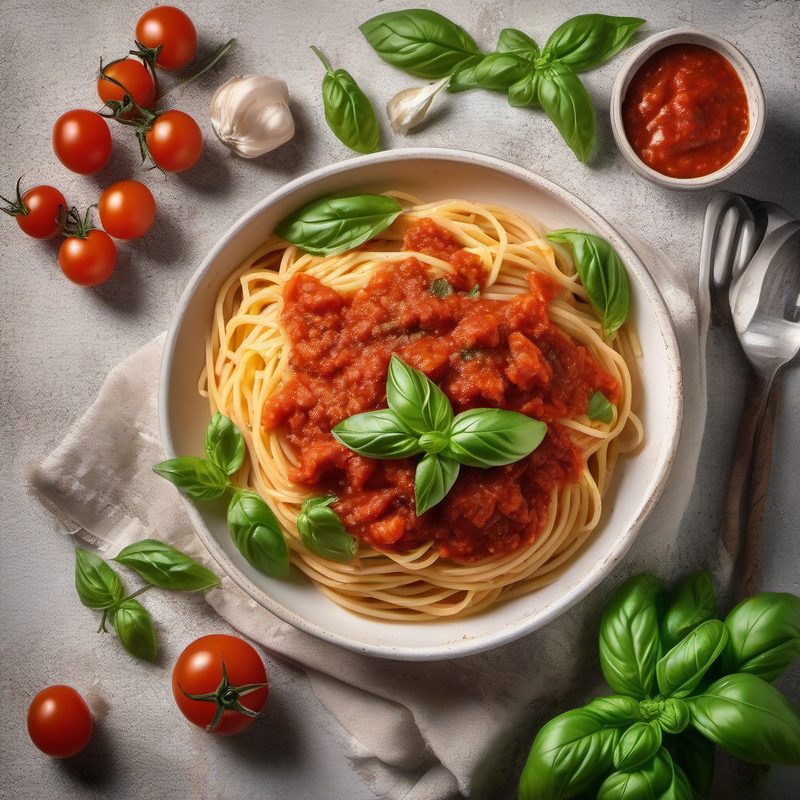
Spaghetti Pomodoro Potenzano
Chef Fabio Potenzano's signature blistered tomato spaghetti — a fiery, fast, and intensely flavorful showcase of peak-season cherry tomatoes. No chopping, no simmering, just blistering heat and perfect timing.
| Amount | Ingredient |
|---|---|
| 350 g | Spaghetti |
| 500 g | Cherry tomatoes (mixed colors if available) |
| 3 | Garlic cloves, thinly sliced |
| 4 tbsp | Extra-virgin olive oil |
| to taste | Salt |
| to taste | Black pepper, freshly ground |
| 1 handful | Fresh basil leaves (about 10-12 large leaves) |
> Note: Active time is about 20 minutes start to finish. This is a weeknight-fast recipe that tastes like a summer trattoria meal.
🥘 Equipment
- Large pot (6-qt) for pasta
- Colander
- Large skillet or sauté pan (12-inch minimum)
- Chef's knife and cutting board
- Tongs
- Small ladle (for pasta water)
📋 Preparation
Step 1: Prep the Ingredients
- Halve the cherry tomatoes. Working over a bowl to catch juices, cut each tomato in half crosswise. Reserve the juices. Set aside.
- Slice the garlic into thin rounds, about 1/16 inch thick. Uniform slicing ensures even browning without burning.
- Pick and set aside the basil leaves. Tear larger leaves in half just before using.
Step 2: Cook the Pasta
Bring a large pot of generously salted water — about 2 tablespoons salt per gallon — to a rolling boil. Add the spaghetti and cook according to package directions until firmly al dente (about 1 minute less than the recommended time). The pasta will finish cooking in the sauce.
Pro tip: Reserve at least 1 cup of starchy pasta water before draining.
Step 3: Blister the Tomatoes
While the pasta cooks, heat a large skillet over high heat for 1 minute. Add the olive oil and swirl to coat.
Add the sliced garlic and cook, stirring constantly, until fragrant and just beginning to turn golden — about 30 seconds. Do not let it burn.
Immediately add the halved cherry tomatoes (and any reserved juices) in an even layer. Spread them out so they're not crowded — a single layer is ideal. Season with a generous pinch of salt and a few grinds of black pepper.
Cook on high heat without stirring for 2 minutes to get a good sear underneath. Then begin tossing occasionally. The tomatoes should blister, char in spots, and begin to burst — this takes about 4-5 minutes total. Press down gently on stubborn tomatoes with the back of a spoon to help them release their juices.
Chef's trick: The blistering creates concentrated, almost jammy tomato flavor. If the pan looks dry, add a splash of pasta water — never extra oil at this stage.
Step 4: Toss and Finish
Reduce heat to medium-low. Add the drained spaghetti directly to the skillet with the blistered tomatoes. Add about 1/3 cup of reserved pasta water and toss vigorously with tongs for 30-45 seconds, allowing the pasta to absorb the tomato emulsion.
Tear in the basil leaves and toss once more. Taste and adjust seasoning with salt and pepper.
If the pasta seems dry, add pasta water a tablespoon at a time — it should be glossy and lightly coated, not swimming.
Step 5: Serve Immediately
Divide among warm bowls. Top with a few fresh basil leaves, a generous crack of black pepper, and a final drizzle of excellent extra-virgin olive oil. Serve at once — this pasta waits for no one.
🧑🍳 Chef's Tips
- Tomato quality is everything. This recipe only has five main ingredients, so the tomatoes must be sweet, ripe, and flavorful. Peak-season cherry or grape tomatoes are ideal. Out of season, use the best Campari or vine-ripened cherry tomatoes you can find.
- High heat, don't flinch. Blistering happens fast. A screaming-hot pan is essential for getting those charred, concentrated spots. If the heat is too low, the tomatoes will stew instead of blister.
- Don't overcrowd the pan. If your skillet is too small, cook the tomatoes in two batches. Crowding traps steam and prevents blistering.
- Reserve more pasta water than you think you need. The starchy water is the key to an emulsified, silky sauce. You can always discard extra; you can't add water back once it's gone.
- Use good olive oil for finishing. A bold, peppery extra-virgin olive oil drizzled at the end adds a layer of flavor that makes this simple dish sing.
❌ Common Mistakes
| Mistake | Why | Fix |
|---|---|---|
| Using low heat | Tomatoes stew instead of blistering — mushy, watery result | Crank the heat to high and don't touch for the first 2 minutes |
| Burning the garlic | Garlic scorches before tomatoes release moisture | Add garlic just 30 seconds before the tomatoes, and keep it moving |
| Overcrowding the pan | Tomatoes steam rather than sear | Use a 12-inch skillet or cook in two batches |
| Overcooking the pasta | Gluey noodles that absorb too much liquid | Cook to firm al dente — 1 minute under package directions |
| Skimping on salt | Bland, flat flavor | Season tomatoes in the pan, and salt the pasta water generously |
| Adding basil too early | Wilted, blackened herbs | Basil goes in off-heat or in the final toss — never over active heat |
💡 Variations
- Add heat: Toss in 1/2 teaspoon red pepper flakes with the garlic for a punchy arrabbiata twist.
- Add cheese: Finish with grated Parmigiano-Reggiano or Pecorino Romano for a richer, more savory dish.
- Seafood version: Add 200g of peeled shrimp during the last 2 minutes of tomato cooking — the shrimp cook in the pan juices.
- Breadcrumb crunch: Toast 1/4 cup of coarse breadcrumbs in a dry pan with a drizzle of oil and scatter over the finished pasta for texture.
- Make it gluten-free: Substitute high-quality gluten-free spaghetti. Cook al dente and reserve extra cooking water — gluten-free pasta tends to need more liquid.
- Richer sauce: Stir in 1 tablespoon of unsalted butter at the end for a silky, restaurant-style finish.
❄️ Storage
This pasta is best eaten immediately — the blistered tomatoes lose their texture on reheating. If you must store leftovers, refrigerate in an airtight container for up to 1 day. To reheat, warm gently in a skillet with a splash of water or stock, tossing until just heated through. Do not microwave.
🍷 Wine Pairing
| Wine | Why |
|---|---|
| Chianti Classico | Bright acidity and cherry notes mirror the tomatoes perfectly |
| Nero d'Avola | Sicilian red with dark fruit and a touch of spice — stands up to the charred flavors |
| Sangiovese di Romagna | Medium body, high acidity, classic Italian pasta wine |
| Montepulciano d'Abruzzo | Soft tannins and red fruit — an approachable everyday pairing |
🍺 Beer Pairing
| Beer | Why |
|---|---|
| Italian Pilsner | Crisp, dry, high carbonation — cleanses the palate between bites |
| Hazy IPA | Juicy hop notes complement the sweet blistered tomatoes without overwhelming |
| Blonde Ale | Light malt character and gentle bitterness let the tomatoes shine |
🥗 Suggested Sides
- Simple arugula salad with lemon juice, shaved Parmigiano, and pine nuts
- Grilled zucchini with fresh oregano
- Focaccia al rosmarino — rosemary focaccia for mopping up every drop of tomato oil
- Caprese salad — tomatoes, fresh mozzarella, basil, and a drizzle of balsamic
📊 Nutrition (per serving)
| Calories | Protein | Fat | Carbs | Fiber |
|---|---|---|---|---|
| 485 | 13 g | 16 g | 72 g | 5 g |
❓ FAQ
Can I use canned tomatoes instead of fresh?
This recipe is designed around fresh cherry tomatoes and their ability to blister and char. Canned tomatoes will produce a braised sauce — delicious, but a completely different dish. For a fresh tomato version, use only ripe cherry or grape tomatoes.
What if I only have regular (large) tomatoes?
Large tomatoes contain more water and less sugar than cherry tomatoes. They won't blister the same way. If you must use them, dice them, salt them lightly, and drain excess liquid before cooking. Cook on high heat for 6-8 minutes, stirring occasionally.
Can I use other pasta shapes?
Absolutely. This sauce works beautifully with short pasta like penne, rigatoni, or orecchiette. Adjust cooking time accordingly. Long pasta like spaghetti, linguine, or bucatini gives the most traditional result.
How do I know when the tomatoes are blistered enough?
Look for deep brown spots (not black/burnt), wrinkled skins, and some tomatoes that have collapsed or burst. The pan should have a rich, browned residue on the bottom — that's flavor.
Can I make this vegan?
This recipe is naturally vegan as written — no dairy is used. The only thing to check is your pasta brand (some fresh pastas contain eggs; dried spaghetti is typically egg-free).
🔗 Related Recipes
- Spaghetti Aglio, Olio e Peperoncino — The Ultimate Emergency Pasta
- Spaghetti al Pomodoro Classico — Italy's Red Sauce Benchmark
- Pasta alla Puttanesca — Briny, Spicy, Bold
- Spaghetti al Pomodoro Crudo — No-Cook Summer Tomato Sauce
- Pasta alla Norma — Eggplant, Tomato, and Ricotta Salata
🏷️ Search Tags
Recipe from The Italian Kitchen by Vita Milanese — Volume 1 · Pasta Perfetto. Discover all volumes on the ebook page.