Spaghetti Bizzarra
A bold, briny Sicilian pasta that brings together silky fried eggplant, sweet crushed tomatoes, briny black olives, and salty capers in a deeply satisfying sauce that clings to every strand of spaghetti. This is the south-of-Italy answer to puttanesca — earthier, heartier, and starring the Sicilian kitchen's most beloved vegetable. Every bite delivers a punch of umami from the olives and capers, balanced by the mellow sweetness of slow-caramelized eggplant and bright, fresh basil. It's a weeknight powerhouse that tastes like you spent an hour at the stove.
| Amount | Ingredient |
|---|---|
| Reheating | The best way to reheat is in a skillet over medium-low heat with a splash of water or reserved pasta water. Add the pasta, 2 tablespoons of water per serving, and toss gently for 2–3 minutes until heated through. The water creates steam that rehydrates the pasta and loosens the sauce. Avoid the microwave — it makes the eggplant rubbery and the olives tough |
| Freezing | Freeze the sauce only (without the pasta) in a freezer-safe container for up to 3 months. The eggplant and olive-caper sauce freezes beautifully. Thaw overnight in the refrigerator, then reheat and toss with freshly cooked spaghetti. Freezing the assembled pasta dish is not recommended — the pasta becomes mushy upon thawing and the olives lose their texture |
| Reviving leftovers | If the refrigerated pasta seems dry, add 1 teaspoon of olive oil and a splash of water per serving before reheating in a skillet. Finish with a few fresh torn basil leaves — the fresh basil is non-negotiable for reviving the dish's brightness. A final drizzle of fresh olive oil also helps restore the glossy finish |
This is the pasta you turn to when you want the maximum depth of flavor from a handful of pantry staples. Eggplant, tomatoes, olives, capers, garlic, olive oil — that's it, and that's everything you need. The name Bizzarra means "bizarre" or "quirky," but there's nothing strange about the way these ingredients work together. Southern Italian cooks have long understood that briny, salty ingredients (olives, capers) are a perfect foil for the rich, almost buttery texture of fried eggplant. The crushed tomatoes tie it all together into a sauce that's thick enough to coat each strand of spaghetti without being heavy. A final shower of fresh basil and a drizzle of good olive oil wakes everything up. It's rustic, it's bold, and it's exactly the kind of cooking that makes Sicilian cuisine one of Italy's most distinctive regional traditions — a reflection of the island's history of trade and cultural exchange, where ingredients from across the Mediterranean (olives from Greece, capers from the Aeolian Islands, tomatoes from the New World via Spain) all found their way onto one plate.
> Note: The 30-minute eggplant salting is hands-off. Active kitchen time is about 25 minutes.
For the Eggplant and Sauce
For the Pasta and Assembly
Use level tablespoons and standard US/metric measuring. All produce is medium unless specified. For the best result, use a good-quality extra-virgin olive oil — the eggplant absorbs a lot of oil, so its quality directly impacts the dish. Gaeta olives (small, brown-black, slightly tangy) are traditional in Sicily, but Kalamata olives work beautifully too. If using salt-packed capers, rinse them thoroughly and soak in fresh water for 10 minutes before draining.
🥘 Equipment
- Large pot (6 qt / 6 L minimum) for pasta
- Large high-sided skillet or sauté pan (12-inch / 30 cm)
- Chef's knife and cutting board
- Colander
- Large bowl for salting eggplant
- Paper towels or clean kitchen towel
- Measuring cups and spoons
- Wooden spoon or heat-resistant spatula
- Tongs or pasta scoop
📋 Preparation
Step 1 — Salt the Eggplant (30 minutes resting)
Trim and dice the eggplant: Cut off the stem end of the eggplant. Without peeling (the skin adds texture and helps the cubes hold their shape), cut the eggplant into ½-inch (1 cm) cubes. You should have about 3 to 4 cups of cubes.
Salt and rest: Place the eggplant cubes in a large bowl and sprinkle generously with 1 teaspoon of kosher salt. Toss to coat evenly. Transfer to a colander set over the bowl or in the sink and let rest for 30 minutes. You'll see beads of dark liquid form on the surface of the cubes — this is the moisture (and any bitterness) being drawn out.
This salting step is non-negotiable. It's not about bitterness — modern globe eggplants are bred to be mild. It's about texture. Salting draws out excess moisture so the cubes fry rather than steam when they hit the hot oil. Dry eggplant browns into silky, golden pockets; wet eggplant turns into gray, spongy cubes that release liquid into your sauce. The 30-minute rest is the single most important step in this recipe.
Step 2 — Pat Dry and Fry the Eggplant (10 minutes)
Rinse and dry: After 30 minutes, rinse the eggplant cubes briefly under cold running water to remove excess salt. Transfer to a clean kitchen towel or a double layer of paper towels and press firmly to remove as much moisture as possible. The cubes should feel dry to the touch.
Heat the oil: Place the large skillet over medium-high heat. Add 3 tablespoons of the olive oil and let it heat until shimmering but not smoking, about 1 minute.
Fry the eggplant: Add the dried eggplant cubes to the skillet in a single layer. Let them cook undisturbed for 2 minutes to develop a golden-brown crust on one side. Toss or stir and continue cooking, stirring every 2 minutes, until the cubes are deeply golden on multiple sides and tender throughout (a fork should pierce with little resistance), 8 to 10 minutes total. If the pan looks dry at any point, add the remaining 1 tablespoon of olive oil.
The patience here is everything. Properly fried eggplant should look shrunken, wrinkled, and deeply golden-brown — not pale and spongy. This caramelization is where the eggplant develops its signature silky texture and rich, almost meaty flavor that anchors the whole dish.
Remove and set aside: Using a slotted spoon or spatula, transfer the fried eggplant cubes to a plate lined with paper towels. Set aside. Leave any oil in the pan.
Step 3 — Build the Sauce (10 minutes)
Sauté the garlic: Reduce the heat to medium. Add the sliced garlic to the same skillet (with the residual oil) and cook, stirring constantly, until fragrant and just beginning to turn golden at the edges, about 30 seconds. Do not let it brown fully or burn.
Add the tomatoes, olives, and capers: Pour the crushed tomatoes into the skillet. Add the halved black olives and rinsed capers. Stir to combine, scraping up any browned bits from the bottom of the pan. Add ¼ teaspoon of kosher salt and a few grinds of fresh black pepper.
Simmer: Bring the sauce to a gentle simmer, then reduce the heat to low. Let it cook, stirring occasionally, for 10 minutes. The sauce should be gently bubbling, not rapidly boiling. During this time, the tomatoes will thicken slightly and the flavors of the olives and capers will meld into the sauce.
After 10 minutes, the sauce should look cohesive — not watery or separated. The olived and capers will have softened slightly and released their briny flavor into the tomatoes. If the sauce seems too thick, stir in a splash of pasta water (you'll reserve some in Step 4). If it seems too thin, let it simmer for 3 to 5 more minutes uncovered.
Step 4 — Cook the Pasta (8 to 10 minutes, concurrent with Step 3)
Boil the pasta water: While the sauce simmers, bring a large pot of generously salted water (about 1½ tablespoons kosher salt per 4 quarts of water) to a rolling boil over high heat.
Cook the pasta: Add the spaghetti and cook until al dente — about 1 minute less than the package directions. For most brands of spaghetti, this is typically 8 to 9 minutes. Check for doneness by biting into a strand — it should have a faint white core and offer firm resistance.
Reserve pasta water: Before draining, scoop out 1 cup of the starchy pasta cooking water and set it aside. You may not use all of it, but having extra ensures you can adjust the sauce consistency at the end.
Drain the pasta: Drain the spaghetti in a colander but do not rinse — you want the surface starch to help the sauce cling.
Step 5 — Combine and Finish (2 minutes)
Add the eggplant to the sauce: Return the fried eggplant cubes to the skillet with the simmering sauce. Stir gently to combine. Let them warm through for about 30 seconds.
Add the pasta: Add the drained spaghetti directly to the skillet. Increase the heat to medium. Using tongs, toss and stir vigorously to coat every strand of spaghetti with the sauce.
Adjust consistency: If the mixture seems dry, add ¼ cup of the reserved pasta water and toss again. The starch in the pasta water helps the sauce emulsify into a silky coating that clings to the spaghetti rather than pooling at the bottom of the pan. You're looking for a sauce that coats each strand generously but isn't soupy — it should glisten.
Finish with basil: Remove the skillet from the heat. Add the torn basil leaves and toss gently once more to incorporate. The residual heat will wilt the basil just enough to release its aroma without turning it dark.
Step 6 — Serve Immediately
Divide among warmed shallow bowls. Top each serving with a few fresh whole basil leaves and a final drizzle of good extra-virgin olive oil. Serve at once — this dish waits for no one, as the pasta continues to absorb the sauce and can become dry if left sitting.
The final drizzle of olive oil is not optional here. It adds a fresh, peppery finish that cuts through the richness of the eggplant and ties the briny notes of the olives and capers together. A good Sicilian olive oil would be ideal, but any high-quality extra-virgin will do.
🧑🍳 Chef's Tips
- Don't peel the eggplant. The skin helps the cubes maintain their shape during frying and adds subtle texture and color contrast to the finished dish. It also contains antioxidants. If you're using a very large, older eggplant with very thick skin, you can peel it in alternating stripes for a middle ground.
- Salt the eggplant — even if you don't think you need to. The salt draws out moisture that would otherwise cause the eggplant to steam rather than fry. Dry eggplant browns; wet eggplant steams. You're going for golden-brown, silky cubes, not pale, spongy ones. The 30-minute rest is your most important non-negotiable step.
- Use spaghetti or another long pasta. The name of the dish is Spaghetti alla Bizzarra, and long pasta is traditional here. The strands twirl around the chunky sauce — eggplant cubes, olive halves, capers — catching everything in each forkful. Linguine, bucatini, or spaghettini also work beautifully.
- Choose good olives. Since olives are one of the three main flavor components (along with capers and tomatoes), their quality matters. Gaeta olives are traditional in Sicilian cooking — they're small, brown-black, and have a mild, slightly tangy flavor. Kalamata olives are a fine substitute with a more assertive, fruity character. Avoid canned black olives (the bland, pre-sliced variety) — they lack the briny depth this dish needs.
- Rinse capers thoroughly. Capers packed in salt need a good rinse and a 10-minute soak in fresh water to remove excess salt. Capers packed in brine should be drained and rinsed briefly. Overly salty capers will throw the whole dish out of balance.
- Reserve more pasta water than you think you need. The starchy water is your texture-adjustment secret weapon. If the sauce seems thick, a splash loosens it without diluting flavor. If the pasta soaks up too much sauce while you're plating, another splash revives it. Always reserve 1 cup.
- Serve immediately in warmed bowls. Cold bowls cause the sauce to seize up and the pasta to clump. Run your serving bowls under hot water for 30 seconds and dry them before plating. The pasta should be served piping hot.
- Don't skip the fresh basil finish. The bright, aromatic freshness of torn basil leaves is the counterpoint to the briny olives and capers. Without it, the dish can taste one-dimensionally salty. The basil lifts everything up.
❌ Common Mistakes
| Mistake | Why It Hurts | The Fix |
|---|---|---|
| Skipping the salting step | Eggplant releases water into the pan during cooking, causing it to steam rather than fry — you get pale, spongy cubes that never develop flavor and release liquid into the sauce, making it watery | Always salt the diced eggplant and let it rest for 30 minutes, then pat thoroughly dry before frying |
| Adding the eggplant to cold oil | The oil soaks into the eggplant rather than searing the surface, leading to greasy, heavy cubes | Heat the oil until shimmering before adding the eggplant; hot oil sears the surface and prevents excessive absorption |
| Overcrowding the skillet | The eggplant steams in its own released moisture rather than browning | Cook in a single layer; if needed, work in two batches with a little extra oil |
| Not frying the eggplant long enough | Undercooked eggplant is spongy and bland rather than silky and caramelized | Cook until deeply golden on multiple sides and very tender, 8 to 10 full minutes |
| Using bland canned black olives | The dish relies on briny olive flavor — bland olives leave the sauce flat | Use Gaeta, Kalamata, or another flavorful cured olive; avoid the pre-sliced canned variety |
| Forgetting to rinse capers | Unrinsed capers (especially salt-packed) can make the sauce unpalatably salty | Always rinse capers and taste before adding; adjust salt in the sauce accordingly |
| Overcooking the spaghetti | Mushy noodles that can't support the chunky sauce | Cook to al dente — 1 minute less than package directions |
| Rinsing the cooked pasta | Rinsing washes away the surface starch that helps the sauce cling | Drain the pasta without rinsing; the starch is your friend |
| Not reserving pasta water | The sauce may be too thick to coat the pasta evenly, and plain tap water won't help it emulsify | Always scoop out 1 cup of pasta cooking water before draining |
| Adding basil too early | Basil turns dark, slimy, and loses its fresh aroma | Add basil off-heat at the very end, just before serving |
💡 Variations
| Variation | How To |
|---|---|
| Spicy Bizzarra (Bizzarra Arrabbiata) | Add ½ teaspoon of red pepper flakes along with the garlic in Step 3. The heat cuts through the richness of the eggplant and amplifies the briny punch of the olives and capers — a classic Calabrian-Sicilian fusion move |
| Add Anchovies | Add 4 to 6 oil-packed anchovy fillets to the skillet with the garlic in Step 3 and cook until they dissolve into the oil, about 1 minute. The anchovies add a deep, savory umami that intensifies the brininess of the capers and olives without making the dish taste fishy |
| Baked Bizzarra (Pasta al Forno) | After tossing the pasta with the sauce in Step 5, transfer everything to a 9×13-inch (23×33 cm) baking dish. Top with 8 oz (225 g) of diced fresh mozzarella and ¼ cup of grated Parmigiano-Reggiano. Bake at 375°F (190°C) for 15–20 minutes until bubbly and golden. A showstopping baked pasta that feeds a crowd |
| Add Toasted Breadcrumbs | In a small skillet, toast ¼ cup of coarse breadcrumbs with 1 tablespoon of olive oil until golden and crispy. Sprinkle over the finished pasta just before serving. The crunchy breadcrumbs (a classic Sicilian muddica topping) add textural contrast to the silky eggplant and tender spaghetti |
| Use Swordfish (Bizzarra di Mare) | Dice 8 oz (225 g) of swordfish into ½-inch (1 cm) cubes and sear in a separate pan with 1 tablespoon of olive oil until golden on the outside and just cooked through, about 3 minutes. Add to the sauce along with the eggplant in Step 5. This seafood version is a specialty of coastal Sicilian towns and elevates the dish to company-worthy status |
| Add Pine Nuts and Raisins (Sweet & Sour Bizzarra) | Add 2 tablespoons of golden raisins (plumped in warm water for 10 minutes and drained) and 2 tablespoons of toasted pine nuts to the sauce in Step 3. This agrodolce (sweet-and-sour) touch is a hallmark of Sicilian cooking, reflecting the island's Arab culinary heritage. The sweetness of the raisins balances the briny olives and capers beautifully |
| Use Fresh Tomatoes | Substitute 6 medium ripe Roma tomatoes (about 600 g), diced, for the canned crushed tomatoes. Add them to the skillet after the garlic and cook over medium heat for 15 minutes, crushing with a wooden spoon as they soften, before adding the olives and capers. Fresh tomatoes make a brighter, more delicate sauce — perfect for peak summer when tomatoes are at their best |
| Zucchini Addition | Dice 1 medium zucchini into ½-inch (1 cm) cubes and fry alongside the eggplant in Step 2. The zucchini adds another layer of summer vegetable sweetness and bulks up the dish without extra effort |
| Bell Pepper Addition | Dice 1 red or yellow bell pepper into ½-inch (1 cm) squares and sauté with the eggplant in Step 2. The bell pepper adds sweetness, color, and tender-crisp texture that contrasts with the meltingly soft eggplant |
| Go Gluten-Free | Use a high-quality gluten-free spaghetti (rice-based or corn-and-rice blends work best). Cook according to package directions and reserve pasta water as usual. The sauce is naturally gluten-free, so the swap is seamless |
| Lemony Finish | Add the finely grated zest of ½ lemon and a squeeze of lemon juice (about 1 tablespoon) to the pasta in Step 5 just before serving. The bright acidity cuts through the olive-oil richness of the eggplant and lifts all the briny flavors |
❄️ Storage & Leftovers
| Method | Details |
|---|
🍷 Wine Pairing
| Wine | Why |
|---|---|
| Nero d'Avola (Sicily) | The undisputed king of Sicilian reds — medium-bodied with dark cherry, plum, and blackberry notes, plus a subtle earthy, smoky edge that mirrors the caramelized eggplant. The moderate tannins are soft enough not to clash with the silky texture, while the bright acidity cuts through the olive oil and balances the briny olives and capers. A perfect regional match that feels like a trip to the Sicilian countryside |
| Frappato (Sicily) | A lighter, more perfumed Sicilian red — bright red fruit (strawberry, raspberry, pomegranate), floral notes (rose petal, violet), and a distinct savory, herbal edge. Low tannins and high acidity make it an ideal partner for the briny olives and capers. Serve slightly chilled (55°F / 13°C) for a refreshing contrast to the rich eggplant. This is the red wine that drinks like a white — perfect for warmer months |
| Cerasuolo di Vittoria (Sicily) | Sicily's only DOCG wine — a blend of Nero d'Avola and Frappato that combines the best of both: the structure and dark fruit of Nero d'Avola with the perfume and acidity of Frappato. The result is a wine that's both rich and refreshing, with enough complexity to stand up to the dish's multiple flavor layers. The historic pairing for Sicilian eggplant dishes |
| Etna Rosso (Sicily) | Grown on the volcanic slopes of Mount Etna from Nerello Mascalese grapes — lighter in color but packed with character: red cherry, dried strawberry, volcanic minerality, and smoky, herbal notes. The wine's distinctive volcanic character echoes the earthy depth of the eggplant, while its bright acidity and fine tannins keep the palate fresh |
| Montepulciano d'Abruzzo | Juicy, medium-bodied, and fruit-forward with notes of sour cherry, blackberry, and a hint of dried herbs. The soft tannins and bright acidity are a perfect foil for the briny olives and capers. The wine's herbal undertones echo the basil in the dish. Slightly chilled (60°F / 15°C) for a refreshing contrast |
| Primitivo (Puglia) | Riper, more full-bodied, and slightly jammy with notes of blackberry jam, dark chocolate, and a touch of spice. The generous fruit and soft, plush tannins wrap around the silky eggplant and briny olives beautifully. A good choice if you're adding spicy red pepper flakes or anchovies to the dish |
| Grecanico Dorato (Sicily) | If you prefer white wine, this indigenous Sicilian white is a stellar match — medium-bodied with citrus (lemon, white grapefruit), white flowers, and a distinctive saline, mineral finish. The salinity echoes the briny capers and olives, while the bright acidity cuts through the richness of the fried eggplant. Serve well-chilled |
| Carricante (Sicily — Etna Bianco) | Another exceptional Sicilian white, grown on the slopes of Mount Etna. Crisp, mineral-driven, and wonderfully acidic with notes of green apple, lemon zest, white peach, and a distinct flinty, volcanic character. The piercing acidity is a perfect foil for the fried eggplant and briny sauce. One of Italy's most underrated food wines |
| Vernaccia di San Gimignano (Tuscany) | A crisp, mineral white with notes of green apple, citrus, almond, and a distinctive savory finish. The bright acidity and slight bitterness on the finish cut through the richness of the eggplant and provide a clean counterpoint to the briny olives and capers |
| Franciacorta Brut (Lombardy — Sparkling) | For a celebratory pairing, a bottle of Franciacorta (Italy's answer to Champagne) — crisp, high-acid, with fine bubbles and notes of green apple, pear, and brioche. The acidity and effervescence cut through the olive oil like a knife, resetting your palate with every sip. The bubbles lift the briny, savory flavors of the capers and olives |
| Rosé (Chiaretto or Cerasuolo d'Abruzzo) | A dry, crisp Italian rosé with red berry, herb, and citrus notes. The chill and brightness provide a refreshing counterpoint to the rich, oily eggplant. Particularly good in summer when eggplant is at its peak |
🪴 Suggested Side Dishes
- Simple arugula salad with lemon vinaigrette — Peppery arugula tossed with lemon juice, good olive oil, flaky salt, and shaved Parmigiano-Reggiano. The sharp, peppery greens cut through the rich, briny pasta and provide a crisp, bright contrast.
- Crusty sourdough or ciabatta with olive oil for dipping — A crusty loaf with a chewy crumb is essential for sopping up every last streak of the briny eggplant-olive-caper sauce from the bottom of the bowl. Serve with a small dish of good extra-virgin olive oil and a sprinkle of dried oregano for dipping.
- Grilled or roasted summer vegetables — A platter of grilled zucchini, bell peppers, red onion, and cherry tomatoes drizzled with balsamic vinegar and fresh herbs. The smoky char echoes the caramelized eggplant and reinforces the Mediterranean theme.
- Fennel and orange salad — Thinly sliced raw fennel bulb tossed with orange segments, extra-virgin olive oil, flaky salt, and a few of the same black olives used in the pasta. Crisp, bright, and refreshing — the citrus and licorice notes cleanse the palate beautifully between bites of the rich, briny pasta.
- Sautéed Swiss chard or spinach with garlic — Wilted greens sautéed with olive oil and garlic until just tender. The earthy, slightly bitter greens provide a nutrient-dense counterpoint to the hearty pasta and echo the garlic notes in the main dish.
- Caponata-style side salad — Diced celery, bell pepper, and tomato dressed with red wine vinegar, olive oil, and a pinch of sugar. This lightning-fast no-cook version of classic Sicilian caponata echoes the sweet-and-sour notes that pair so beautifully with the briny pasta.
📊 Nutrition (per serving, estimated)
| Calories | Protein | Fat | Carbs | Fiber |
|---|---|---|---|---|
| 510 | 13 g | 20 g | 70 g | 6 g |
Nutrition values are estimates based on 4 servings using 350 g dried spaghetti, 1 medium globe eggplant (340 g), 4 tablespoons extra-virgin olive oil, 400 g crushed tomatoes, 100 g black olives, 2 tablespoons capers, and 2 cloves of garlic. Actual values will vary based on specific brands, eggplant size, and the amount of olive oil absorbed during cooking. This dish is naturally high in fiber from the eggplant and whole-grain pasta options. The eggplant provides significant potassium and antioxidants (nasunin in the purple skin). The olives and capers contribute a moderate amount of sodium — if you're watching your salt intake, reduce or omit the added salt in the sauce and rely on the natural brininess of the olives and capers. The dish is vegetarian and can be made vegan by confirming no dairy was used.
❓ Frequently Asked Questions
Does eggplant really need to be salted before cooking?
Yes — this is not a myth. While modern globe eggplants have been bred to be less bitter than their ancestors, the salting step serves a more important purpose: moisture removal. Eggplant is a sponge, and salting draws out excess water through osmosis. Dry eggplant cubes fry beautifully in hot oil, developing a golden-brown crust and silky interior; wet eggplant cubes steam and turn gray. The salt also seasons the eggplant from the inside out. Don't skip it — it makes a visible and textural difference.
What are Gaeta olives and where can I find them?
Gaeta olives are small, brown-black olives from the town of Gaeta in central Italy (southern Lazio region). They're cured in brine and have a mild, slightly tangy, and fruity flavor — less aggressively salty than Kalamata olives. They're traditional in Sicilian cooking despite not being from Sicily, because they're widely available throughout southern Italy. Look for them in the olive bar of well-stocked grocery stores, Italian specialty shops, or online. If you can't find them, Kalamata olives (halved) are an excellent substitute — they're more assertive but work beautifully with the other flavors in this dish.
Can I use jarred tomato sauce instead of crushed tomatoes?
You can, but the result will be different and generally less satisfying. Jarred sauces are often pre-seasoned, pureed smooth, and sometimes contain sugar, onion powder, and other additions that will throw off the balance of this dish. Good-quality canned crushed tomatoes (San Marzano are ideal) give you the bright, clean tomato flavor and the right texture that this recipe depends on. If you must use jarred sauce, choose a simple passata (strained tomatoes) and consider adding a few chopped fresh Roma tomatoes for texture.
Why does my eggplant absorb so much oil, and how do I fix it?
Eggplant is famously thirsty — its sponge-like structure soaks up oil readily. The first line of defense is proper salting (Step 1), which draws out moisture and collapses some of the cell structure, reducing oil absorption. The second is hot oil — if you add eggplant to oil that isn't hot enough, the oil soaks in rather than searing the surface. Heat your oil until shimmering before adding the eggplant. Finally, don't be afraid to add more oil if needed during cooking. Start with 3 tablespoons and add the fourth if the pan looks dry. Properly cooked eggplant should look glossy and moist, not dry and matte.
The olives and capers made the sauce too salty. What did I do wrong?
Most likely one of three things: (1) You didn't rinse the capers thoroughly enough — salt-packed capers need a thorough rinse and a 10-minute soak in fresh water; brine-packed capers should be drained and rinsed briefly. (2) You used olives that are heavily brine-cured without tasting them first — some Kalamata olives can be intensely salty. (3) You added too much salt to the sauce before the olives and capers had a chance to release their brine. The fix: always rinse capers, taste your olives before adding them (if they're very salty, reduce the added salt in the sauce), and always add salt to the sauce after the olives and capers have simmered for a few minutes, then taste and adjust.
Can I use a different pasta shape?
The dish is named Spaghetti alla Bizzarra, and long pasta is traditional. The strands of spaghetti twirl around the chunky sauce, catching bits of eggplant, olives, and capers with each forkful. That said, short pasta shapes like penne, rigatoni, or fusilli work beautifully too — their ridges and hollows trap the sauce effectively. If using short pasta, consider dicing the eggplant slightly smaller (⅓-inch cubes) so the pieces nestle into the pasta shapes.
Can I make this dish ahead of time?
This dish is best served immediately after cooking, but the sauce can be made ahead. Prepare the eggplant and sauce through Step 3 (including adding the fried eggplant to the sauce), cool completely, and refrigerate for up to 3 days. When ready to serve, reheat the sauce in a skillet over medium heat, adding a splash of water to loosen it, then cook fresh pasta and proceed with Step 5. The assembled pasta doesn't keep as well — the spaghetti absorbs the sauce and becomes soft overnight.
Is this dish vegan?
As written (with no cheese), yes — this recipe is completely vegan. The eggplant, olives, capers, tomatoes, garlic, olive oil, and pasta are all plant-based. Just confirm your pasta contains no eggs (most dried Italian spaghetti is egg-free, but fresh pasta often contains eggs). The dish is naturally rich and satisfying without any dairy, making it a wonderful option for vegan guests.
What's the difference between Bizzarra and Puttanesca?
Both are bold, briny tomato-based pasta sauces from southern Italy, but they're distinct. Puttanesca (from Campania/Lazio) features olives, capers, anchovies, and garlic in a quick tomato sauce — no eggplant. Bizzarra (from Sicily) replaces anchovies with fried eggplant, making it heartier, earthier, and more substantial. Bizzarra also tends to have a thicker, more velvety sauce because the eggplant partially breaks down into the tomatoes. If puttanesca is the punchy, aggressive cousin, Bizzarra is the warm, soulful one — just as bold, but with more depth and tenderness.
🔗 Related Recipes
- Spaghetti alla Puttanesca (Spaghetti with Olives, Capers, and Anchovies) (page 38)
- Pasta alla Norma (Baked Pasta with Eggplant, Tomato, and Ricotta Salata) (page 31)
- Pasta alla Siciliana (Sicilian Pasta with Eggplant, Tomatoes, and Olives) (page 44)
- Pasta with Eggplant (Pasta con le Melanzane) (page 108)
- Penne all'Arrabbiata (Spicy Tomato Penne with Garlic and Red Pepper) (page 19)
- Spaghetti all'Assassina (Assassin's Spaghetti with Caramelized Tomato Broth) (page 16)
- Rigatoni alla Puttanesca (Rigatoni with Olives, Capers, and Anchovies) (page 38)
- Caponata (Sweet and Sour Sicilian Eggplant Relish) (page 215)
- Pasta con le Sarde (Sicilian Pasta with Sardines, Fennel, and Pine Nuts) (page 72)
🏷️ Search Tags
📸 Photo Reference
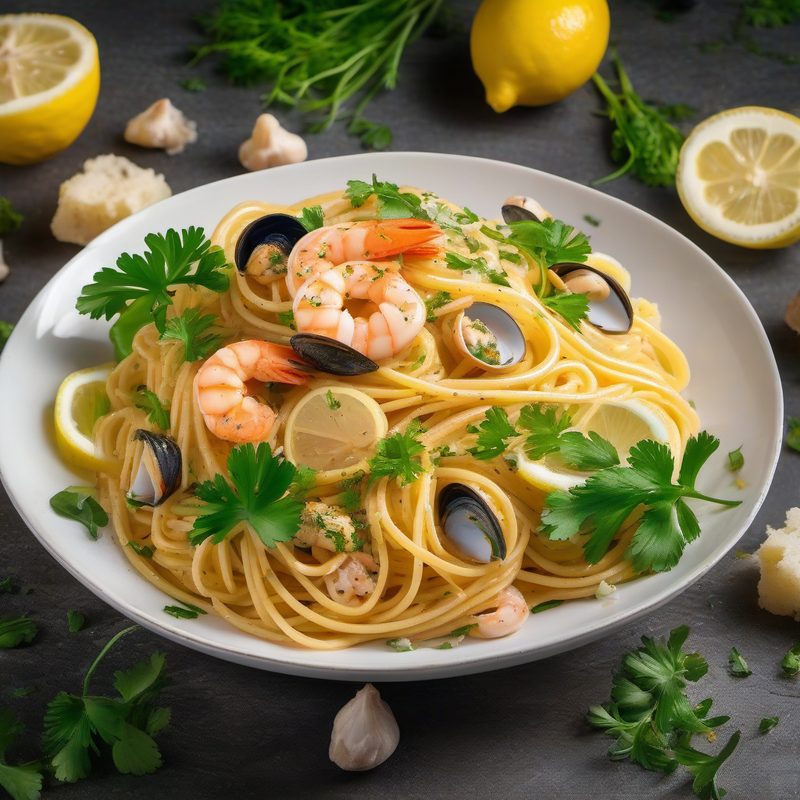
Photo reference: `vol1_487.png` — A generous portion of spaghetti coiled in a wide, shallow, rustic ceramic bowl, coated in a thick, brick-red tomato sauce studded with deep golden-brown cubes of fried eggplant, glossy black olive halves, and speckles of capers. Each strand of spaghetti is evenly slicked with the sauce, glistening with olive oil. A scattering of torn fresh basil leaves is woven through the pasta — bright green against the deep red — with a few whole basil leaves perched on top as garnish. A final drizzle of golden-green extra-virgin olive oil catches the light on the surface. Shot from a 45-degree overhead angle on a warm wooden table with natural daylight — soft, inviting, rustic. In the background: a small bowl of additional olives, a crusty loaf of sourdough or ciabatta, and a glass of deep ruby-red Nero d'Avola. The overall mood is warm, generous, and deeply Sicilian — the kind of table that makes you want to pull up a chair and twirl a forkful.
Recipe from "The Italian Kitchen" by Vita Milanese — Volume 1: Pasta Perfetto
Recipe from The Italian Kitchen by Vita Milanese — Volume 1 · Pasta Perfetto. Discover all volumes on the ebook page.