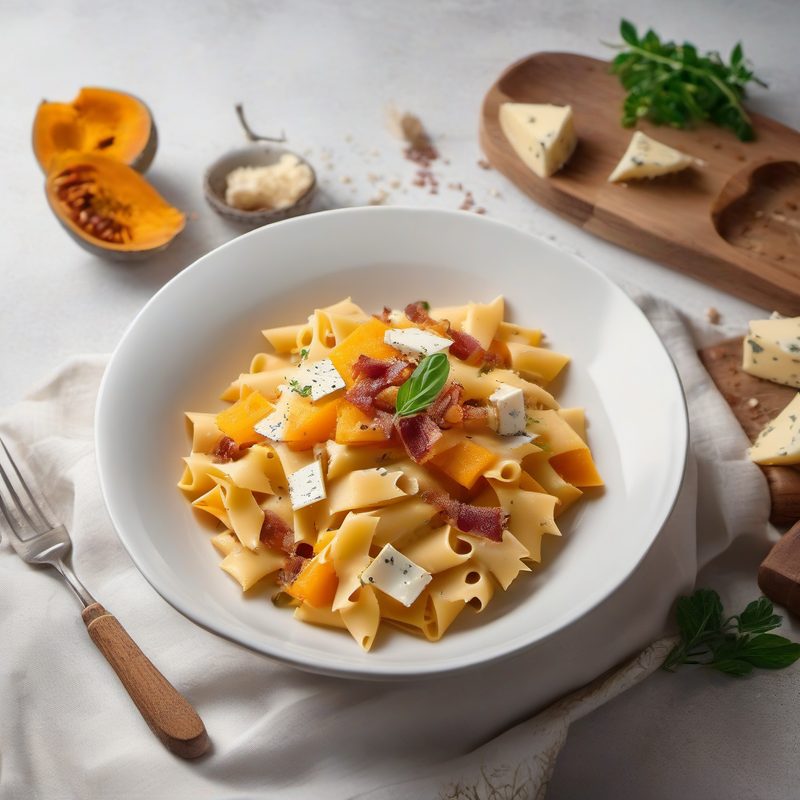
Mountain Pasta Pumpkin
Category: Primi piatti
| Amount | Ingredient |
|---|---|
| 350 g (12 oz) | Dried maccheroni or short pasta Rigatoni, penne, fusilli, or casarecce work well |
| 400 g (14 oz) | Pumpkin or butternut squash Peeled, seeded, cut into ½-inch cubes |
| 1 medium | Yellow onion (~150 g) Finely diced |
| 2 cloves | Garlic Thinly sliced |
| 6–8 leaves | Fresh sage Or 1 tsp dried sage, crumbled |
| 3 tbsp (45 ml) | Extra-virgin olive oil Divided; use a fruity, grassy oil for finishing |
| 50 g (½ cup) | Grated Parmigiano-Reggiano Plus extra for serving |
| ¼ tsp | Freshly grated nutmeg Or to taste |
| To taste | Kosher salt |
| To taste | Freshly ground black pepper |
Servings: 4
Total Time: 35 minutes
Active Time: 20 minutes
Level of Difficulty: Easy
1. WHY THIS RECIPE WORKS
Maccheroni dell'alpigiano con la zucca — mountain-style pasta with pumpkin — is a rustic Alpine classic that transforms humble winter squash into a velvety, deeply satisfying sauce with minimal effort. Hailing from the mountainous regions of northern Italy (Trentino–Alto Adige, Lombardy, and the Veneto), this dish embodies cucina di montagna: hearty, thrifty, and built around a few staple ingredients that sustain through long, cold winters. Our version coaxes maximum flavor from the pumpkin by first sautéing it with onion, garlic, and sage until the edges caramelize, then gently mashing a portion of the cooked squash directly into the sauce to create a creamy, clinging texture without adding a drop of cream. A final dusting of nutmeg and salty Parmesan lifts the pumpkin's natural sweetness into something complex and savory. The technique is simple — the result tastes like it simmered for hours.
3. EQUIPMENT
- Large pot (6–8 qt / 6–8 L) for boiling pasta
- Large skillet or sauté pan (12-inch / 30 cm) with lid
- Chef's knife and cutting board
- Vegetable peeler
- Wooden spoon or silicone spatula
- Measuring cups and spoons
- Colander
- Ladle (for pasta water)
- Potato masher or fork (for mashing pumpkin)
- Microplane or fine grater (for nutmeg and Parmigiano)
4. PREPARATION (Mise en Place)
- Prepare the pumpkin: Using a vegetable peeler or sharp knife, remove the skin from the pumpkin or butternut squash. Halve, scoop out the seeds and fibrous stringy bits, and cut the flesh into ½-inch (12 mm) cubes. You should have about 400 g of prepared cubes.
- Dice the onion: Finely dice into ¼-inch (6 mm) pieces.
- Slice the garlic: Thinly slice (not mince — slices soften without burning during the longer cooking time).
- Prepare the sage: Stack the sage leaves, roll tightly, and slice crosswise into thin ribbons (chiffonade). If using dried sage, crumble between your palms.
- Grate the Parmigiano and nutmeg: Grate the cheese and set aside. Grate ¼ teaspoon fresh nutmeg.
5. COOK THE PASTA
Bring a large pot of generously salted water (about 1½ tablespoons kosher salt per 4 quarts / 4 liters) to a rolling boil. Add the pasta and cook until al dente according to package directions (typically 8–10 minutes for short dried pasta). Just before draining, reserve 1 cup (240 ml) of the starchy pasta cooking water. Drain the pasta well — do not rinse.
Timing note: Start the sauce in step 6 so that the pasta and sauce finish at the same time.
6. SAUTÉ THE AROMATICS
While the pasta water comes to a boil, heat 3 tablespoons olive oil in a large skillet over medium heat. Add the diced onion and cook, stirring occasionally, until softened and translucent but not browned, 5–6 minutes. Add the sliced garlic and cook, stirring constantly, until fragrant, about 1 minute — do not let the garlic brown.
7. ADD THE SAGE & PUMPKIN
Add the sage ribbons to the skillet and stir until fragrant, about 30 seconds. Add the cubed pumpkin and a generous pinch of salt (about ½ teaspoon). Toss to coat the pumpkin evenly in the oil and aromatics.
8. COOK THE PUMPKIN
Spread the pumpkin into an even layer in the skillet. Cover and cook over medium heat, stirring occasionally, until the pumpkin is tender and beginning to caramelize at the edges, 8–10 minutes. The pumpkin should be easily pierced with a fork but still hold its shape. If the pan seems dry at any point, add a splash of water (2–3 tablespoons) to prevent scorching and create steam.
9. MASH & BUILD THE SAUCE
Remove the skillet from heat. Using a potato masher or the back of a fork, mash about half of the cooked pumpkin cubes directly in the skillet, leaving the rest in small chunks for texture. The mashed portion will form a creamy base that coats the pasta.
Return the skillet to low heat. Add ½ cup (120 ml) of the reserved pasta water and stir to combine, scraping up any browned bits from the bottom of the pan. The mixture should be thick and velvety, like a loose purée.
10. SEASON
Stir in the freshly grated nutmeg (¼ teaspoon) and a generous grind of black pepper. Taste and adjust salt — keep in mind the Parmesan will add additional saltiness.
11. TOSS WITH PASTA
Add the drained pasta directly to the skillet with the pumpkin sauce. Sprinkle in the grated Parmigiano-Reggiano. Using tongs or a wooden spoon, toss vigorously over low heat for 45–60 seconds, allowing the cheese to melt and the starches from the pasta water to emulsify the sauce into a creamy, clinging consistency. If the sauce seems too thick, add more reserved pasta water, 1 tablespoon at a time, until it reaches a flowing, nappe consistency that coats each piece of pasta.
12. TO SERVE
Divide among warmed shallow bowls. Drizzle each portion with a teaspoon of the remaining extra-virgin olive oil. Top with an extra shower of grated Parmigiano and a final crack of black pepper. Garnish with a fresh sage leaf or two if desired. Serve immediately — this pasta waits for no one.
13. VARIATIONS
- Add pancetta or speck: Dice 100 g (3½ oz) pancetta or speck into small pieces. Render in the skillet before adding the onion (step 6). Remove half for garnish, then proceed with the onion. The rendered fat adds a smoky, savory depth.
- Creamy version: Stir in 3 tablespoons (45 ml) heavy cream along with the pasta water in step 9 for an extra-velvety, luxurious sauce.
- With rosemary: Replace half the sage with 1 teaspoon fresh chopped rosemary — the piney, earthy notes are a classic Alpine pairing with pumpkin.
- Spicy: Add ½ teaspoon red pepper flakes along with the garlic for gentle heat that balances the pumpkin's sweetness.
- Add toasted nuts: Toast 30 g (¼ cup) pine nuts or chopped walnuts in a dry skillet until golden (about 3 minutes) and scatter over each serving for crunch.
- Gorgonzola finish: Crumble 50 g (2 oz) Gorgonzola dolce over the pasta just before tossing — the creamy blue cheese is a classic northern Italian pairing with pumpkin.
- With amaretti cookies: For an authentic Alpine twist, crush 2–3 amaretti cookies and sprinkle over the top before serving. The almond-sweet crunch is a traditional Trentino garnish for pumpkin pasta.
14. MAKE AHEAD & STORAGE
- Make ahead (sauce only): Prepare the pumpkin sauce through step 10 (before adding pasta). Let cool completely, then refrigerate in an airtight container for up to 3 days. Reheat gently in a skillet with a splash of water or broth, then cook fresh pasta and proceed with step 11.
- Leftovers: Refrigerate in an airtight container for up to 2 days. Reheat in a nonstick skillet over medium-low heat with a splash of water or milk, tossing frequently, until warmed through (about 4–5 minutes). Add a fresh drizzle of olive oil and a sprinkle of Parmesan before serving. Avoid the microwave — it can make the sauce grainy.
- Freezing: The pumpkin sauce (without pasta) freezes well for up to 2 months. Thaw overnight in the refrigerator, reheat gently, and toss with freshly cooked pasta. Do not freeze the finished dish — the pasta turns mushy upon thawing.
15. KEYS TO SUCCESS
- Cut the pumpkin into uniform ½-inch cubes — uneven pieces lead to a mix of undercooked chunks and mushy bits. Uniformity ensures every piece softens at the same rate.
- Don't rush the pumpkin caramelization — the 8–10 minutes of covered cooking followed by any uncovered sizzle is essential for developing the sweet, nutty flavor that defines this dish. Undercooked pumpkin tastes watery and bland.
- Reserve a full cup of pasta water — the starchy water is the key to a silky, emulsified sauce. Running out mid-toss forces you to use plain water, which won't bind the sauce properly.
- Mash only half the pumpkin — this is the textural heart of the dish. The mashed portion creates a creamy sauce that clings to the pasta, while the remaining chunks provide tender, sweet bites throughout.
- Fresh nutmeg is non-negotiable — pre-ground nutmeg lacks the aromatic warmth that bridges the pumpkin's sweetness and the Parmesan's saltiness. Grate it fresh directly into the sauce.
- Serve immediately — this pasta is at its peak the moment it's tossed. The sauce continues to thicken and the pumpkin continues to soften as it sits.
16. COMMON MISTAKES & HOW TO AVOID THEM
| Mistake | Why It Happens | Fix |
|---|---|---|
| Sauce is watery and thin | Pumpkin not cooked long enough; too much pasta water added | Cook pumpkin a full 8–10 minutes until very tender; add pasta water gradually |
| Sauce is dry and clumpy | Not enough pasta water; pasta drained too thoroughly | Reserve 1 cup pasta water; add it in increments until sauce flows |
| Pumpkin chunks are hard and crunchy | Cubes too large or cooking time too short | Cut into ½-inch cubes; cook covered for 8–10 minutes until fork-tender |
| Pumpkin tastes bland | Not enough salt; no browning/caramelization | Salt generously during cooking; let pumpkin caramelize at edges |
| Garlic is burnt and bitter | Added to too-hot oil or cooked too long | Add garlic after onion is softened; cook only 1 minute on medium heat |
| Dish is greasy | Too much oil or oil not emulsified | Use exactly 3 tbsp; the starch from pasta water emulsifies the oil into the sauce |
| Nutmeg overpowers the dish | Too much added | Start with ¼ tsp fresh-grated and taste before adding more |
| Parmesan clumps instead of melting | Added to too-hot or too-dry pan | Toss over low heat with enough pasta water to create a creamy emulsion |
17. PLATING & GARNISH
- Serve in wide, shallow bowls to show off the creamy sauce and pumpkin chunks.
- A single drizzle of good extra-virgin olive oil (fruity, grassy, not peppery) over each portion adds gloss and a fresh finish.
- The final Parmesan shower should be generous — it provides the salty, nutty counterpoint to the sweet pumpkin.
- A fresh sage leaf or small sprig on top adds a rustic Alpine touch and a visual green accent.
- For special occasions, scatter a few toasted pine nuts or crumbled amaretti cookies over each serving for texture and tradition.
- Serve immediately with crusty bread for sopping up any remaining sauce.
18. WINE PAIRING
- White — Nosiola (Trentino): The quintessential Alpine white — light-bodied, floral, with almond and green apple notes and a subtle mineral finish. Its bright acidity cuts through the creamy pumpkin sauce while its delicate fruit lets the sage and nutmeg shine.
- White — Chardonnay (Alto Adige): Alpine Chardonnay is leaner and more mineral-driven than its New World counterparts. Look for unoaked or lightly oaked examples — the subtle apple and pear fruit and crisp acidity are a perfect match.
- White — Pinot Grigio (Alto Adige or Friuli): Crisp, clean, and mineral-driven with notes of white flowers and green pear. The high acidity refreshes the palate between bites of the rich, sweet pumpkin sauce.
- White — Sauvignon Blanc (Collio or Friuli): Herbaceous and zesty with notes of fresh-cut grass, gooseberry, and citrus — the herbal character echoes the sage, while the acidity cuts through the pumpkin's sweetness.
- White — Gewürztraminer (Alto Adige): For a more aromatic pairing, Gewürztraminer's lychee, rose petal, and spice notes complement the nutmeg and sage beautifully. Choose a dry (trocken) style to avoid clashing with the dish's savory elements.
- Red — Lagrein (Alto Adige): Light-bodied, with dark berry fruit, earthy undertones, and moderate tannins — the Alpine red that can handle the richness of the pumpkin and Parmesan without overwhelming the delicate sage.
- Red — Schiava / Vernatsch (Alto Adige): Delicate, fruity, and low in tannins with notes of wild strawberries and almonds — a lightweight red that won't compete with the dish's subtle flavors.
- Red — Pinot Nero / Pinot Noir (Alto Adige or Oltrepò Pavese): Delicate red berry fruit, subtle earth, and silky tannins — an elegant red that pairs as well with this pumpkin pasta as it does with mushroom risotto.
19. COMPOSITION NOTES (for the cook)
Maccheroni dell'alpigiano con la zucca is a masterclass in transforming a single vegetable into a complete sauce through technique alone — no cream, no stock, no butter (unless you choose to add them). The pumpkin does the work: its high water content and natural sugars, when cooked properly, break down into a velvety purée that clings to every piece of pasta.
Key ratios to remember:
- Pumpkin : Pasta ≈ 400 g : 350 g — a generous ratio that ensures every bite has pumpkin
- Pasta water : Pumpkin ≈ 120 ml : 400 g — enough starch to bind the sauce without thinning it
- Parmesan : Pasta ≈ 50 g : 350 g — provides the savory, salty backbone
The role of each ingredient:
- Pumpkin / Butternut Squash — the star. Its high starch content (especially in butternut squash) creates a naturally creamy sauce when mashed. Choose a dense, sweet variety like Delica, Hokkaido, or standard butternut. Watery varieties like large carving pumpkins lack the sugar and structure needed for this dish.
- Sage — sage and pumpkin are a classic Alpine pairing. The herb's slightly peppery, almost minty-woody aroma cuts through the squash's sweetness and prevents the dish from being one-note. Fresh sage is strongly preferred; dried sage can turn dusty and bitter if overused.
- Nutmeg — the whisper ingredient. A small amount (¼ teaspoon fresh-grated) adds a warm, aromatic top note that makes the pumpkin taste more pumpkin-y. It bridges the sweetness of the squash and the savory saltiness of the Parmesan. Without nutmeg, the dish is good; with it, it's complete.
- Parmigiano-Reggiano — provides the umami and salt that elevate the pumpkin from sweet squash to savory sauce. Always grate from a block; pre-grated cheese contains anti-caking agents that prevent smooth melting.
- Pasta Water — the secret to the emulsion. The starches released from the pasta during boiling bind the olive oil, mashed pumpkin, and cheese into a cohesive, silky sauce that clings to each piece of pasta rather than pooling.
Texture:
The finished dish should be creamy but not soupy. Each piece of pasta should be coated in a pale golden-orange sauce studded with tender pumpkin chunks and flecks of dark green sage. The sauce should cling to the pasta, not pool at the bottom of the bowl. The pasta itself should be al dente — tender but with a distinct core of resistance.
20. REGIONAL ITALIAN CONTEXT
Maccheroni dell'alpigiano con la zucca belongs to the culinary tradition of the Italian Alps — particularly Trentino–Alto Adige / Südtirol, but also the mountain valleys of Lombardy, Veneto, and Friuli-Venezia Giulia. This is cucina di montagna (mountain cooking), a tradition defined by practicality, resourcefulness, and ingredients that survive the winter: preserved meats, hard cheeses, root vegetables, and winter squash.
Pumpkin (zucca) has been cultivated in the Alpine foothills since the 16th century, after its introduction from the Americas. It was prized for its long storage life — a well-cured pumpkin could keep through the winter in a cool, dry cellar, providing fresh vegetables when little else was available. Mountain cooks developed a remarkable repertoire of pumpkin preparations: gnocchi di zucca, risotto alla zucca, tortelli di zucca (stuffed pasta), crema di zucca (pumpkin soup), and, of course, pasta con la zucca.
The name "dell'alpigiano" — "of the highlander" or "of the Alpine pasture-dweller" — evokes the malghe (seasonal mountain dairies) where cheesemakers and herdsmen would cook simple, nourishing meals over open fires during the summer transhumance. A dish like this required nothing that couldn't be carried up the mountain: dried pasta, a stored squash, a bit of oil, and some cheese from the morning's milking.
Regional variations are abundant:
- Trentino–Alto Adige often adds crumbled amaretti cookies or toasted almonds as a garnish — a sweet-savory contrast that reflects the region's proximity to Austrian confectionery traditions.
- Lombardy sometimes uses violino di capra (goat cheese from the Valtellina valley) in place of or alongside Parmesan.
- Veneto might include a pinch of cinnamon alongside the nutmeg, or add a handful of toasted breadcrumbs (breadcrumbs flavored with lemon zest and garlic) for texture.
- Friuli-Venezia Giulia sometimes adds a splash of aceto balsamico or saba (grape must syrup) for a sweet-sour accent.
This dish is a celebration of Alpine resourcefulness: a few simple ingredients, carefully handled, yield something far greater than the sum of their parts. It's winter comfort on a plate, as satisfying at a mountain rifugio (hut) after a day of hiking as it is at a family dinner table.
21. ADAPTATIONS
- Gluten-free: Substitute gluten-free short pasta (rice-, corn-, or legume-based). Cook according to package timing minus 1 minute, then finish in the skillet with the sauce and extra pasta water. Gluten-free pasta releases less starch, so you may need an extra tablespoon of pasta water to build the emulsion.
- Dairy-free / Vegan: Omit the Parmesan. Use 3 tablespoons nutritional yeast + 1 tablespoon white miso paste (dissolved in a splash of pasta water) for umami. Substitute the butter finish with an extra tablespoon of good olive oil. The pumpkin itself creates a naturally creamy sauce, so the dish holds up well without dairy.
- Low-carb / Keto: Replace the pasta with 500 g (1 lb) cauliflower florets, cut into small pieces and roasted or steamed until just tender. Toss with the pumpkin sauce and proceed. Add an extra tablespoon of olive oil to compensate for the missing pasta starch.
- High-protein: Use chickpea or lentil pasta. Note that legume-based pasta cooks faster and absorbs more liquid — reserve 1½ cups pasta water instead of 1 cup, and check doneness 2 minutes earlier than the package suggests.
- Quick weeknight version: Use 1 tablespoon dried minced onion and 1 teaspoon garlic powder (skip the onion and garlic prep). Use a good-quality canned pumpkin purée (not pie filling) — 400 g — and simply warm it through in the skillet with the aromatics in step 8 for 3–4 minutes. Total active time: 10 minutes. The flavor won't be as deep, but dinner is on the table in 20 minutes.
- With roasted pumpkin (deeper flavor): Toss the cubed pumpkin with 1 tablespoon olive oil and a pinch of salt, spread on a baking sheet, and roast at 200°C (400°F) for 20–25 minutes until caramelized and tender. Proceed with step 9 (mash and build the sauce), skipping steps 6–8. The roasted pumpkin adds an extra layer of sweetness and nuttiness.
- Add greens: Stir in 100 g (3½ oz) chopped kale, spinach, or Swiss chard during the last 3 minutes of cooking the pumpkin (step 8). The greens add color, nutrients, and a slight bitterness that balances the sweet squash.
- Large batch (8 servings): Double all ingredients. Use a 14-inch (35 cm) skillet or a wide Dutch oven. Cook the pumpkin in two batches to avoid overcrowding — overcrowding leads to steaming instead of caramelizing. Cook the pasta in two batches or use a very large pot.
Buon appetito!
Recipe from The Italian Kitchen by Vita Milanese — Volume 1 · Pasta Perfetto. Discover all volumes on the ebook page.