Buonanima Pasta
A soul-warming, velvety cream-and-speck pasta that tastes like a hug from an Italian nonna — rich, smoky, and impossibly comforting, with melted scamorza cheese binding every penne in a silky embrace.
| Amount | Ingredient |
|---|---|
| 400 g (14 oz) | Penne (or other short pasta) |
| 500 ml (2 cups) | Heavy cream |
| 200 g (7 oz) | Speck, cut into strips |
| 180 g (6 oz) | Scamorza cheese (provola or smoked mozzarella) |
| 20 g (1½ tbsp) | Butter |
| — | Salt, to taste |
| — | Freshly ground black pepper, generous |
🥘 Equipment
- Large pot (6-qt) for pasta
- Large skillet or sauté pan (12-inch)
- Chef's knife
- Cutting board
- Wooden spoon or tongs
- Colander
- Ladle
📋 Preparation
Step 1 — Dice the Scamorza
Remove the scamorza from the fridge and dice it into small cubes — about ½ inch (1 cm). Let it come to room temperature so it melts more smoothly later.
Scamorza is a semi-soft, spun-curd cheese from Southern Italy, similar to provola but milder. If unavailable, smoked mozzarella or a mild provola are excellent substitutes.
Step 2 — Render the Speck (5 min)
In a large skillet over medium heat, melt the butter. Add the speck strips and cook, stirring occasionally, until they are golden and crispy — about 3–4 minutes.
Speck is a lightly smoked, dry-cured ham from the Alto Adige region. Its gentle smokiness infuses the cream with incredible depth. Do not drain the rendered fat — it carries the flavor.
Step 3 — Make the Cream Sauce (5 min)
Reduce the heat to medium-low. Pour the heavy cream into the skillet with the speck and its rendered butter. Season with a pinch of salt and a generous grind of black pepper. Simmer gently for 5 minutes, stirring occasionally, until the cream has thickened slightly and taken on the smoky scent of the speck.
Stir occasionally to prevent the cream from scorching on the bottom. A gentle simmer — not a boil — is what you want.
Step 4 — Cook the Pasta (10 min)
While the cream simmers, bring a large pot of generously salted water to a rolling boil. Add the penne and cook according to package directions until al dente. Before draining, reserve about 1 cup (240 ml) of pasta water.
Step 5 — Melt the Scamorza (2 min)
Once the pasta is nearly done, add the diced scamorza to the simmering cream. Stir continuously until the cheese has completely melted into the sauce — this will take about 1–2 minutes. The sauce will become thick, velvety, and deeply luscious.
If the sauce seems too thick at this point, add a splash of the reserved pasta water to loosen it.
Step 6 — Toss and Serve
Drain the penne and add it directly to the skillet with the cream and scamorza. Toss vigorously over low heat until every piece of pasta is evenly coated in the rich, cheesy sauce. If needed, add a splash of reserved pasta water to achieve a silky, coatable consistency.
The sauce will continue to thicken as it sits, so don't be afraid to keep it a little looser than you'd expect.
Step 7 — Serve
Divide among warm bowls. Finish each with a generous crack of freshly ground black pepper and serve immediately.
🧑🍳 Chef's Tips
- Speck is the soul of this dish: Its gentle smokiness and savory depth are what make this pasta taste like "good soul" comfort food. Seek out genuine Südtiroler Speck if possible — pancetta or prosciutto won't have the same smoky character.
- Room-temperature cheese melts best: Cold scamorza cubes can seize up in the cream and take longer to melt. Let them sit out while you prep the other ingredients.
- Don't skip the pepper: A generous amount of freshly ground black pepper is essential — it cuts through the richness of the cream and cheese, and echoes the smoky notes of the speck.
- Reserve extra pasta water: The sauce thickens as it cools. A splash of starchy water loosens it right back to silky perfection.
- Low heat for the cream: Cooking the cream over medium-low heat prevents it from curdling or scorching. Patience is rewarded.
❌ Common Mistakes
| Mistake | Why It Happens | How to Avoid |
|---|---|---|
| Sauce is greasy and separated | Cream boiled or cooked on too high heat | Simmer gently over medium-low heat; never boil the cream |
| Cheese is stringy and clumpy | Scamorza added too quickly or while still cold | Dice and let scamorza come to room temp; add gradually while stirring continuously |
| Sauce is too thin | Cream not simmered long enough, or too much pasta water | Simmer the cream for the full 5 minutes to reduce and thicken; add pasta water sparingly |
| Sauce is too thick | Too little pasta water, or sauce simmered too long | Stir in reserved pasta water a tablespoon at a time until perfect |
| Speck is chewy, not crispy | Not rendered long enough into the melted butter | Cook until the edges are visibly golden and crisp — about 3–4 minutes |
| Dish is bland | Not enough salt or pepper | Season the cream well; finish with a generous crack of black pepper |
💡 Variations
- Swap the pasta: Tagliatelle, fettuccine, or rigatoni all work beautifully — any shape that catches and holds a creamy sauce.
- Add mushrooms: Sauté 200 g (7 oz) of sliced cremini or porcini mushrooms with the speck for an earthy, even more comforting version.
- Go smoky: Use smoked scamorza (affumicata) instead of plain for double-smoked depth.
- Add peas: Fold in ½ cup of thawed frozen peas with the pasta for sweetness and color.
- Herb it up: A sprinkle of fresh thyme or sage leaves with the speck adds an aromatic layer.
- Try a different cheese: Provola, smoked mozzarella, or even a mild cheddar-style cheese can substitute for scamorza in a pinch.
- Add garlic: Sauté a minced garlic clove with the speck for an extra savory note.
❄️ Storage
Best eaten immediately — cream-based sauces tend to separate upon reheating. Leftovers can be refrigerated in an airtight container for up to 2 days. To reheat, warm gently in a pan over low heat with a splash of milk or pasta water, stirring constantly to re-emulsify. The texture will never be quite as silky as fresh, but it's still delicious.
🍷 Wine Pairing
| Wine | Why |
|---|---|
| Pinot Nero / Pinot Noir (Alto Adige) | The same region as the speck — light-bodied with red fruit and a hint of earthiness |
| Chardonnay (oaked) | Buttery, full-bodied white that stands up to the creamy sauce |
| Lagrein | A native Alto Adige red with dark fruit and a touch of smokiness — echoes the speck |
| Franciacorta Rosé | Bubbles and acidity cut through the richness; the rosé's red fruit notes complement the speck |
| Soave Classico | Crisp, mineral-driven white with almond notes — a clean contrast to the cream |
🥗 Suggested Sides
- Steamed green beans with butter and lemon — their freshness balances the rich, creamy pasta
- Mixed green salad with a sharp vinaigrette — acidity is welcome here
- Roasted fennel wedges — their anise sweetness complements the smoky speck
📊 Nutrition (per serving)
| Calories | Protein | Fat | Carbs | Fiber |
|---|---|---|---|---|
| 720 | 28 g | 42 g | 60 g | 2 g |
❓ FAQ
What is "buon'anima" — is it a specific ingredient?
No — buon'anima literally means "good soul" in Italian. This is a dish made with love, meant to comfort the soul. It's the kind of pasta a nonna would make when you need warming up, physically and emotionally. The name is a nod to its deeply comforting, soul-satisfying nature.
Can I use pancetta or bacon instead of speck?
Pancetta will work but lacks the distinctive smokiness that makes this dish special. Bacon (smoked) is closer in flavor to speck but is usually fattier and can overpower the cream. If using bacon, blanch it briefly first to reduce the smokiness.
What if I can't find scamorza?
Provola (semi-soft, mild) is the closest substitute. Smoked mozzarella, young caciocavallo, or even a mild fontina will also work. Avoid aged cheeses — you need something that melts smoothly into the cream.
Is this dish freezer-friendly?
No. Cream-based pasta sauces do not freeze well — they separate and become grainy upon thawing. Make fresh and enjoy immediately.
Can I use milk instead of heavy cream?
You can, but the sauce will be much thinner and less luxurious. If using milk, reduce it slightly before adding the cheese, and consider adding a teaspoon of cornstarch slurry to help it thicken.
🔗 Related Recipes
- Pasta Cream Ham (#96) — A similar creamy ham-and-pasta comfort classic
- Tagliatelle Cream Ham (#178) — Ribbon pasta with a luscious cream and ham sauce
- Pasta Pancetta (#60) — Another quick and comforting pancetta pasta
- Penne Creamy Garlic Sauce (#123) — A simpler, garlic-forward creamy penne
🏷️ Search Tags
📸 Photo Reference
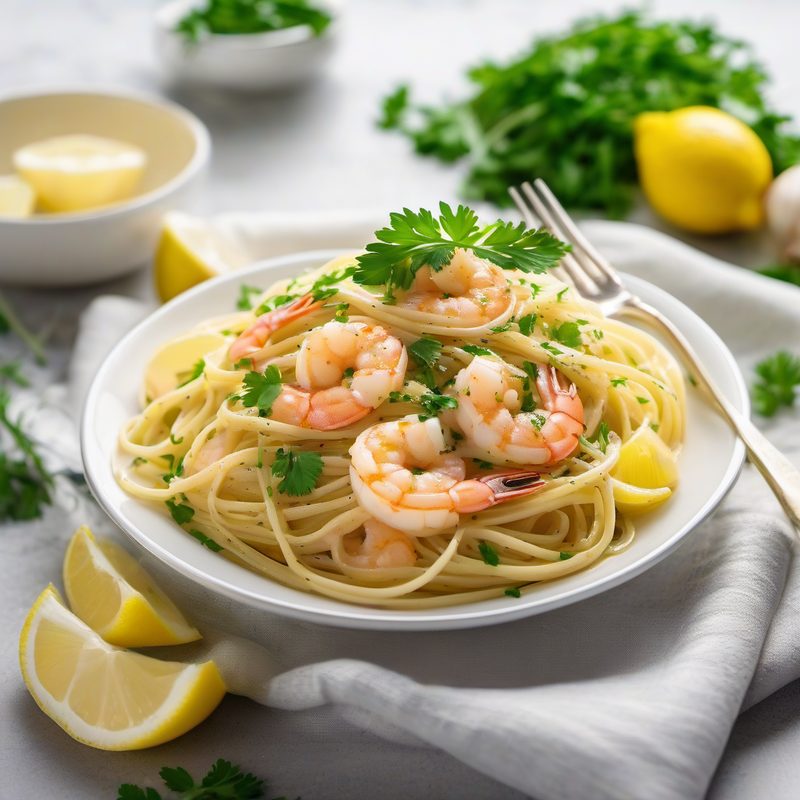
Photo reference: `vol1_263.png` — An overhead or slightly angled shot of a wide, shallow ceramic bowl filled with penne in a thick, velvety cream sauce. The pasta is generously coated, with visible specks of black pepper and small golden strips of speck nestled among the penne. The scamorza has melted into a glossy, stretchy sauce that pools slightly at the edges of the bowl. Beside the bowl: a wooden board with a few extra strips of speck, a wedge of scamorza, a small pot of black peppercorns, and a butter knife. The lighting is warm and golden, suggesting a cozy late-afternoon kitchen table. The overall mood is rich, comforting, and deeply satisfying — a true "buon'anima" dish.
Recipe from "The Italian Kitchen" by Vita Milanese — Volume 1: Pasta Perfetto 🧀
Recipe from The Italian Kitchen by Vita Milanese — Volume 1 · Pasta Perfetto. Discover all volumes on the ebook page.