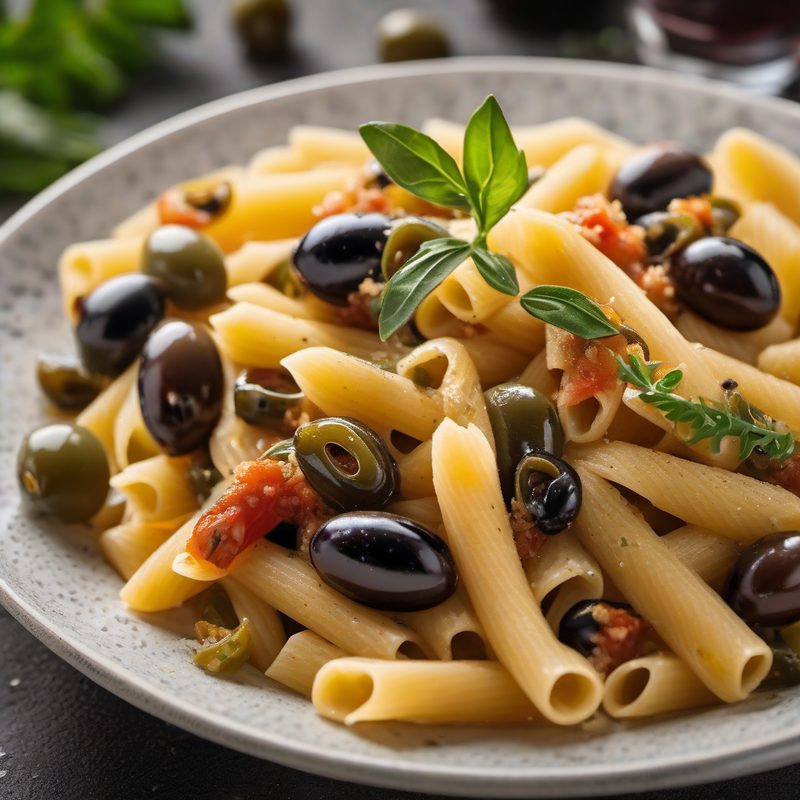
Pasta Pepper Taleggio
A velvety, sweet-and-savory pepper cream meets the funk of melted Taleggio in this rustic-yet-refined pasta — proof that roasted red peppers and a washed-rind cheese are a match made in Italian heaven.
| Amount | Ingredient |
|---|---|
| 320 g (11 oz) | Spaghetti |
| 700 g (2 large, 1½ lb) | Red bell peppers |
| 250 g (9 oz) | Taleggio DOP, rind removed, diced |
| — | Fresh marjoram, a handful of leaves |
| 3 tbsp (40 g) | Extra-virgin olive oil |
| — | Fine salt, to taste |
| — | Freshly ground black pepper, to taste |
🥘 Equipment
- Baking sheet or roasting pan
- Large pot (6-qt) for pasta
- Large skillet or sauté pan (12-inch)
- Blender or immersion blender
- Chef's knife
- Cutting board
- Colander
- Wooden spoon or tongs
- Ladle
- Kitchen tongs
- Paper bowl or bag (for steaming peppers)
📋 Preparation
Step 1 — Roast the Peppers (25 min)
Preheat the oven to 400°F (200°C). Wash the red bell peppers and place them whole on a baking sheet. Roast for 20–25 minutes, turning once halfway, until the skin is blistered, charred, and the peppers are soft.
Roasting concentrates the peppers' natural sugars and adds a subtle smoky depth that is the foundation of this dish. Do not skip this step — raw peppers will not yield the same silky, sweet cream.
Step 2 — Steam and Peel the Peppers (5 min)
Transfer the hot roasted peppers to a bowl and cover tightly with plastic wrap (or place them in a paper bag and seal). Let them steam for 5 minutes — this loosens the skin for easy peeling.
Once cool enough to handle, peel off the charred skin, remove the stems and seeds, and place the soft roasted flesh in a blender. Reserve any juices that collect in the bowl — they are pure pepper flavor.
The charred skin must be completely removed — even small bits can make the cream bitter and the texture unpleasant.
Step 3 — Blend the Pepper Cream (2 min)
Add a generous drizzle of olive oil, a pinch of salt, and a few marjoram leaves to the blender with the roasted pepper flesh. Blend until completely smooth and velvety. Taste and adjust seasoning.
Blend thoroughly — at least 30 seconds. The cream should be silky, not fibrous. If it's too thick to blend, add a tablespoon of water or olive oil to get it moving.
Step 4 — Prepare the Taleggio
Remove the Taleggio from the fridge. Cut off the rind (it's edible but chewy and can be bitter) and dice the cheese into small cubes, about ½ inch (1 cm). Let it come to room temperature.
Taleggio is a washed-rind cheese from Lombardy with a pungent aroma but a surprisingly mild, fruity, and tangy flavor when melted. Its creaminess is unrivaled in this dish.
Step 5 — Cook the Pasta (10 min)
Bring a large pot of generously salted water to a rolling boil. Add the spaghetti and cook according to package directions until al dente. Before draining, reserve about 1 cup (240 ml) of pasta water.
Step 6 — Warm the Pepper Cream and Melt the Taleggio (3 min)
While the pasta cooks, transfer the blended pepper cream to a large skillet or sauté pan. Warm it over medium-low heat. Once warm (not boiling), add the diced Taleggio and stir continuously until the cheese has fully melted into the pepper cream — about 1–2 minutes. The sauce will become thick, luscious, and deeply fragrant.
If the sauce seems too thick, add a splash of the reserved pasta water to loosen it to a silky consistency.
Step 7 — Toss and Serve
Add the drained spaghetti directly to the skillet with the pepper-Taleggio cream. Toss vigorously over low heat until every strand is evenly coated. If needed, add more reserved pasta water a tablespoon at a time to achieve a glossy, coatable consistency.
Divide among warm bowls. Top each with fresh marjoram leaves and a final drizzle of extra-virgin olive oil. Serve immediately.
🧑🍳 Chef's Tips
- Taleggio is worth seeking out: Its unique combination of earthy, tangy, and fruity flavors with a lusciously creamy melt is unlike any other cheese. Do not substitute with mozzarella or another mild cheese — you'll lose the complexity that makes this dish special.
- Roast the peppers yourself: Jarred roasted peppers are convenient but they're usually packed in brine or vinegar, which will throw off the flavor and texture of the cream. Fresh-roasted is non-negotiable here.
- Peel thoroughly: Even a small piece of charred skin will create dark specks and a bitter edge in your otherwise silky cream. Take your time peeling.
- Marjoram > oregano: Marjoram is sweeter, more delicate, and floral compared to its bolder cousin oregano. It pairs exquisitely with both roasted peppers and Taleggio. If unavailable, use fresh thyme or a small pinch of dried oregano.
- Don't overheat the Taleggio: Warm it gently over medium-low heat. High heat can cause the cheese to separate or become stringy.
❌ Common Mistakes
| Mistake | Why It Happens | How to Avoid |
|---|---|---|
| Sauce is bitter | Bits of charred pepper skin blended into the cream | Peel peppers completely after steaming; remove every trace of charred skin |
| Sauce is thin and watery | Peppers under-roasted or too much pasta water added | Roast peppers until completely soft; add pasta water sparingly |
| Taleggio is stringy, not creamy | Overheated or added to boiling sauce | Warm the pepper cream over medium-low heat; add Taleggio off heat or over very low heat |
| Sauce is grainy or separated | Taleggio rind included, or cheese added to cold sauce | Always remove the rind; ensure the pepper cream is warm enough to melt the cheese |
| Bland, flat flavor | Peppers under-seasoned or not enough marjoram | Season the pepper cream generously before adding the cheese; finish with fresh marjoram |
| Pepper cream is fibrous, not smooth | Not blended long enough | Blend for a full 30–60 seconds until completely velvety |
💡 Variations
- Add a touch of heat: A pinch of red pepper flakes or a small fresh chili roasted alongside the peppers adds gentle warmth.
- Make it smoky: Roast the peppers over an open gas flame or on the grill instead of in the oven for deeper char and smoke.
- Swap the pasta: Penne, rigatoni, or paccheri all work beautifully — the ridges catch the velvety sauce perfectly.
- Add crispy breadcrumbs: Toasted breadcrumbs sprinkled on top add a lovely crunchy contrast to the creamy sauce.
- Go greener: Add a handful of fresh basil or arugula leaves when tossing the pasta for a peppery, herbaceous note.
- Add pine nuts: Toasted pine nuts scattered on top add texture and a buttery, nutty flavor that complements the peppers and Taleggio.
- Balsamic finish: A tiny drizzle of aged balsamic vinegar before serving adds sweetness and acidity that cuts through the richness.
❄️ Storage
Best eaten immediately. Leftovers can be refrigerated in an airtight container for up to 2 days. Reheat gently in a pan over low heat with a splash of water or milk to restore creaminess. The sauce may separate slightly upon reheating — vigorous stirring will help re-emulsify it.
🍷 Wine Pairing
| Wine | Why |
|---|---|
| Barbera d'Alba | Bright acidity and dark fruit cut through the creamy Taleggio; a classic Piemontese pairing |
| Nebbiolo (Langhe) | Tannins and rose-and-tar notes stand up to the rich, savory pepper cream |
| Chianti Classico | Medium-bodied with cherry and herbal notes — lifts the sweetness of the roasted peppers |
| Valpolicella Classico | Light-bodied with red fruit and a hint of almond — a gentle, food-friendly red |
| Gavi di Gavi | A crisp, mineral white offers a refreshing contrast to the richness |
🥗 Suggested Sides
- Arugula and radicchio salad with a balsamic vinaigrette — bitter greens balance the sweet pepper cream
- Grilled zucchini with olive oil and garlic — a simple, seasonal side
- Crusty country bread — for sopping up any leftover sauce (and there will be some!)
📊 Nutrition (per serving)
| Calories | Protein | Fat | Carbs | Fiber |
|---|---|---|---|---|
| 570 | 20 g | 22 g | 72 g | 4 g |
❓ FAQ
Can I use yellow or orange bell peppers instead of red?
Red bell peppers are preferred for their sweetness and deep color, but a mix of red and yellow works beautifully. Orange peppers are milder — the cream will be less sweet and the color more golden. Avoid green peppers, which are less sweet and can make the cream bitter.
What if I don't have Taleggio?
While nothing truly substitutes for Taleggio's unique flavor, you can try: Brie (for the creamy melt, though it lacks the tang), Fontina (for its excellent melting and nutty flavor), or Gorgonzola dolce (for a blue-veined, tangier finish). Each will give a different but still delicious result.
Do I really need to remove the rind from the Taleggio?
Yes. The rind is edible but it's tough, chewy, and can introduce bitter and vegetal flavors into your otherwise silky sauce. Cut it off with a sharp knife before dicing.
Can I use jarred roasted peppers in a pinch?
You can, but the result will not be the same. Jarred peppers are cooked differently (often steamed) and packed in brine or vinegar, which introduces unwanted acidity and wateriness. If using jarred, rinse them well, pat dry, and roast them again briefly in a hot oven to concentrate their flavor.
Is this dish vegetarian?
Yes! Taleggio is made with rennet (usually animal rennet, though some producers use vegetarian), so check the label if that's a concern. The dish is naturally vegetarian-friendly.
🔗 Related Recipes
- Pasta with Roasted Pepper Cream (#199) — The classic pepper cream version, with ramato tomatoes and basil
- Pasta with Beet and Gorgonzola Cream (#177) — A similarly creamy, colorful vegetable-and-cheese pasta
- Pasta Pepper Cream (#199) — The ancestor of this dish, without the Taleggio
🏷️ Search Tags
📸 Photo Reference
Photo reference: `vol1_264.png` — An overhead or slightly angled shot of a wide, shallow white ceramic bowl filled with spaghetti in a velvety, deep orange-red sauce. The sauce is glossy and clings to every strand, with visible small flecks of fresh marjoram leaves scattered across the top. A final drizzle of extra-virgin olive oil catches the light. Beside the bowl: a halved roasted red pepper on a wooden cutting board, a wedge of Taleggio DOP with its characteristic orange rind, a sprig of fresh marjoram, and a small cruet of olive oil. The lighting is warm and natural, suggesting a late-summer or early-autumn afternoon. The overall mood is rustic, elegant, and deeply flavorful.
Recipe from "The Italian Kitchen" by Vita Milanese — Volume 1: Pasta Perfetto 🌶️
Recipe from The Italian Kitchen by Vita Milanese — Volume 1 · Pasta Perfetto. Discover all volumes on the ebook page.