Pasta Spinach Taleggio
Tender pasta tossed in a silky, molten Taleggio cream sauce with bright green spinach and a whisper of garlic — this is a 20-minute weeknight pasta that tastes like a Northern Italian trattoria secret.
| Amount | Ingredient |
|---|---|
| 3 tbsp | Extra-virgin olive oil |
| 3 cloves | Garlic, thinly sliced |
| 10 oz (280 g) | Fresh spinach, washed and stems trimmed |
| ½ tsp | Kosher salt, plus more for pasta water |
| 1 lb (450 g) | Short pasta (penne, rigatoni, or fusilli) |
| 8 oz (225 g) | Taleggio cheese, rind removed, cut into ½-inch cubes |
| ½ cup (120 ml) | Reserved pasta cooking water |
| ¼ tsp | Black pepper, freshly ground |
Pasta con spinaci e taleggio
This is one of those recipes that feels almost too simple to be this good — and that's precisely its genius. The technique is straightforward: you gently bloom garlic in olive oil until fragrant and golden, then pile in fresh spinach and let it collapse into a tender, emerald heap. While the spinach wilts, your pasta boils to al dente perfection in well-salted water. The real magic happens when you introduce the Taleggio — a soft, washed-rind cheese with a distinctively earthy, mushroomy funk and an impossibly creamy melt. Cubed and stirred into the hot spinach pan, it dissolves into a velvety sauce with just a splash of starchy pasta water to coax it into silky suspension. The pasta goes in, everything gets a vigorous toss, and in seconds you have a dish that tastes like it simmered for an hour: rich, vegetal, subtly funky, and utterly satisfying. At roughly 450 calories per serving, it's a weeknight staple that delivers far more than the sum of its parts.
Use level tablespoons and standard US measuring cups. All produce is medium unless specified.
🥘 Equipment
- Large chef's knife
- Cutting board
- Large skillet or sauté pan (12-inch)
- Large pot (6-quart or larger, for pasta)
- Colander
- Measuring cups and spoons
- Slotted spoon or tongs
- Wooden spoon or heat-proof spatula
📋 Preparation
Step 1 — Bloom the Garlic and Wilt the Spinach (8 minutes)
Heat 3 tablespoons olive oil in a large skillet over medium heat. Add the sliced garlic and cook, stirring frequently, until fragrant and just barely golden — about 1 minute. Do not let it brown; burnt garlic turns bitter and will ruin the sauce.
Add the fresh spinach and ½ teaspoon salt to the skillet. It will seem like an impossible mountain at first, but don't worry — it wilts dramatically. Cook, turning constantly with tongs, until the spinach is fully wilted and tender, about 6 to 8 minutes. Remove and discard the garlic slices if you prefer a subtler flavor, or leave them in for a more pronounced garlic presence.
Fresh spinach is non-negotiable here — frozen spinach releases too much water and will make the sauce watery instead of silky. If you must use frozen, thaw it completely, squeeze it bone-dry in a kitchen towel, and add it to the pan after wilting the garlic but before adding the cheese.
Step 2 — Cook the Pasta (8 to 10 minutes)
While the spinach cooks, bring a large pot of water to a rolling boil. Add 1½ tablespoons kosher salt — the water should taste like the sea.
Add the pasta and cook according to the package directions until al dente (typically 8 to 10 minutes for dried pasta).
Before draining, reserve 1 cup of pasta cooking water. Drain the pasta well — do not rinse — and set aside. Measure out ½ cup of the reserved water for the sauce; the rest can be used if you need to thin the sauce further.
Step 3 — Melt the Taleggio and Toss (3 minutes)
Reduce the heat under the spinach pan to low. Add the cubed Taleggio cheese and ½ cup reserved pasta water. Stir gently and constantly until the cheese is fully melted and the sauce is creamy and smooth — about 1 to 2 minutes. The sauce should be thick enough to coat the back of a spoon but loose enough to flow.
Add the drained pasta to the pan. Increase the heat to medium-low and toss vigorously with tongs or a wooden spoon for 1 to 2 minutes, until every piece of pasta is coated in the creamy spinach-Taleggio sauce. If the sauce seems too thick, add more reserved pasta water 1 tablespoon at a time until it reaches a silky, flowing consistency.
Season with ¼ teaspoon black pepper. Taste and adjust salt — Taleggio is salty, so you may not need more.
The key to a silky Taleggio sauce is low heat and constant stirring. Taleggio is a high-moisture cheese that melts beautifully, but if the heat is too high it will separate into an oily, grainy mess rather than a creamy emulsion. Patience pays off in texture.
Step 4 — Serve (1 minute)
Divide the pasta among warm bowls. Serve immediately — this dish waits for no one. The sauce will thicken as it cools, so serve it hot. Garnish with a final crack of black pepper or a few fresh spinach leaves if desired.
🧑🍳 Chef's Tips
- Taleggio is the star — don't substitute lightly. Taleggio's unique combination of earthy, mushroomy funk, gentle tang, and extraordinary meltability is what makes this dish. If you absolutely cannot find it, use aged Fontina Val d'Aosta (a close cousin in texture and flavor) or Brie de Meaux (creamier, milder, works beautifully). Do NOT use pre-shredded supermarket cheese — it's coated in anti-caking agents that will make the sauce grainy.
- Remove the rind. The Taleggio rind is edible but tough and chewy. Trim it off with a sharp knife before cubing. Save the trimmings to flavor a broth or risotto.
- Reserve more pasta water than you think you need. The starchy water is what emulsifies the cheese into a silky sauce. Reserve a full cup even if the recipe only calls for ½ cup — you can always add more, but you can't unstarch water down the drain.
- Undercook the pasta by 30 seconds. The pasta finishes cooking in the sauce for that final minute. Draining it at the very edge of al dente ensures it doesn't turn mushy during the toss.
- Don't rinse the pasta. The surface starch on drained pasta helps the sauce cling. Rinsing washes it away and leaves you with slippery, sauce-repellent noodles.
- Warm your bowls. This dish loses heat quickly. Warm serving bowls in a 200°F (93°C) oven for 5 minutes or fill them with hot tap water while the pasta cooks.
❌ Common Mistakes
| Mistake | Why It Hurts | The Fix |
|---|---|---|
| Overcooking the garlic | Burnt garlic is acrid and bitter — it permeates the entire dish and can't be fixed. | Cook garlic just until fragrant and pale gold, about 1 minute. When in doubt, pull it early. |
| Using frozen spinach | Frozen spinach releases a flood of water when heated, turning your creamy Taleggio sauce into a thin, watery mess. | Always use fresh spinach. If frozen is your only option, thaw and squeeze it absolutely dry — weigh it in a kitchen towel and wring like laundry. |
| High heat when melting Taleggio | High heat causes the cheese proteins to seize and separate — you get greasy, grainy oil floating on a watery pool instead of a lush, emulsified sauce. | Keep the heat on low and stir constantly. Patience gives you silkiness; rushing gives you regret. |
| Draining pasta without reserving water | The starchy pasta water is the key to a properly emulsified sauce — without it, the cheese clumps and the sauce won't coat the pasta. | Always reserve at least 1 cup of pasta water before draining. No exceptions. |
| Adding cheese directly to dry pasta | Without the starchy water to act as an emulsifier, the cheese clumps into sticky, uneven blobs rather than a smooth sauce. | Melt the cheese into the pasta water and spinach first, then add the pasta and toss. The order matters. |
| Overcrowding the spinach pan | Too much spinach at once steams instead of wilting, releasing excess water and diluting the sauce. | Add spinach in handfuls, letting each batch wilt before adding the next. A 12-inch skillet handles 10 ounces easily. |
💡 Variations
| Variation | How To |
|---|---|
| Add Guanciale or Pancetta | Before blooming the garlic, render 4 oz (115 g) of diced guanciale or pancetta in the skillet over medium heat until crispy, about 5 minutes. Remove the meat, drain all but 1 tablespoon of fat, then proceed with the garlic and spinach. Crumble the rendered meat over the finished pasta. |
| Make it a Complete Meal | Add 8 oz (225 g) of cooked, shredded chicken or sautéed mushrooms (cremini or oyster) along with the pasta for extra protein and substance. |
| Add Nutmeg | A pinch of freshly grated nutmeg (⅛ teaspoon) added to the spinach as it wilts brings out the sweetness of both the spinach and the Taleggio — a classic Northern Italian pairing. |
| Spicy Kick | Add ½ teaspoon of red pepper flakes along with the garlic. The heat cuts through the richness of the Taleggio beautifully. |
| Swap the Greens | Substitute spinach with Swiss chard (stems removed and chopped, cook 8 to 10 minutes) or a mix of spinach and arugula (add arugula in the last 2 minutes so it stays slightly peppery). |
| Add Toasted Pine Nuts | Toast ¼ cup of pine nuts in a dry skillet over medium heat until golden, about 2 minutes, and scatter over the finished pasta for a nutty, buttery crunch. |
| Cream Version | For an even richer sauce, add ¼ cup (60 ml) of heavy cream along with the Taleggio. This tames the cheese's funk and creates a more decadent, restaurant-style sauce. |
❄️ Storage & Leftovers
| Method | Details |
|---|---|
| Refrigerator (Cooked) | Store in an airtight container for up to 2 days. The pasta will absorb sauce and soften — this is the nature of a cheese-emulsified dish. |
| Reheating | Reheat in a skillet over medium-low heat with a splash of water or milk, tossing gently until warmed through — about 3 to 4 minutes. The sauce may need help re-emulsifying; a tablespoon of butter stirred in at the end helps restore creaminess. Do not microwave — it will make the cheese sauce grainy and the pasta mushy. |
| Freezing | Not recommended. Taleggio sauce breaks upon thawing and the spinach becomes a watery, unappetizing mess. Make this dish fresh. |
🍷 Wine Pairing
| Wine | Why |
|---|---|
| Pinot Grigio (Friuli-Venezia Giulia) | A classic pairing for Taleggio — the wine's bright acidity and subtle almond notes cut through the richness of the cheese while the light body doesn't overpower the delicate spinach. |
| Gavi di Gavi (Piedmont) | Crisp, mineral-driven, with lemon zest and green apple flavors. The steely acidity slices through the creamy Taleggio sauce and echoes the freshness of the spinach. |
| Soave Classico (Veneto) | A medium-bodied white with notes of white flowers, pear, and a pleasant bitter almond finish. The subtle fruit and bright acidity balance the earthy, funky character of the Taleggio. |
| Langhe Nebbiolo (Piedmont) | A light, aromatic red with rose petal, red cherry, and tar notes. Serve slightly cool (55°F / 13°C) — its firm acidity and gentle tannins stand up to the cheese without overpowering the dish. |
| Franciacorta Brut (Lombardy) | A sparkling wine with fine bubbles, green apple, and citrus — the acidity and effervescence cut through the creamy sauce and refresh the palate between bites. Perfect for when you want to dress up a weeknight pasta. |
🥗 Suggested Side Dishes
- A simple arugula and radicchio salad with lemon vinaigrette — the bitterness balances the richness
- Grilled or roasted asparagus with olive oil, salt, and a squeeze of lemon
- Warm crusty bread (ciabatta or sourdough) for sopping up every drop of Taleggio sauce
- Sautéed mushrooms with garlic and thyme — an earthy double-act with the spinach
- Fennel and orange salad with black olives — the bright citrus and licorice notes cut through the creamy pasta
- Roasted cherry tomatoes with balsamic glaze — sweet acidity to contrast the savory, funky cheese
📊 Nutrition (per serving, estimated)
| Calories | Protein | Fat | Carbs | Fiber |
|---|---|---|---|---|
| 450 | 18 g | 18 g | 54 g | 4 g |
❓ Frequently Asked Questions
What is Taleggio and what does it taste like?
Taleggio is a soft, washed-rind cow's milk cheese from the Lombardy and Piedmont regions of Northern Italy. It has a distinctive orange-pink rind (which is removed before cooking) and a pale, creamy interior. Its flavor is mild, earthy, and mushroomy with a subtle tang — less pungent than a ripe Brie or Camembert but more characterful than a fresh mozzarella. It is prized for its extraordinary melting properties and is the secret to this dish's silky, velvety sauce.
Can I make this dish with a different cheese if I can't find Taleggio?
Yes. The closest substitutes are aged Fontina Val d'Aosta (same washed-rind family, nuttier and firmer but melts beautifully), Brie de Meaux (creamier, milder, less earthy), or Stracchino (a soft, creamy Lombard cheese that's nearly identical to Taleggio in melt but milder in flavor). Avoid hard cheeses like Parmigiano or Pecorino — they won't melt into the same silky sauce.
Do I have to remove the Taleggio rind?
Yes, for this dish. While the rind of Taleggio is technically edible, it is tough, rubbery, and has a stronger, more ammonia-like flavor than the interior. Cut it off with a sharp knife before cubing. You can freeze the rind trimmings and add them to soups, stews, or risotto for extra savory depth.
The spinach seems like a huge amount — will it really fit in the pan?
Yes. Fresh spinach has an astonishing wilt ratio: 10 ounces fills a 12-inch skillet to the brim at first, but within 60 seconds it collapses to a fraction of its volume. Add it in three or four handfuls, letting each batch wilt before adding the next. By the time all the spinach is in, it will occupy less than a quarter of the pan.
My sauce turned out grainy. What went wrong?
Two likely culprits: (1) The heat was too high when you melted the Taleggio. High heat causes the cheese proteins to tighten and expel fat, resulting in a grainy, oily mess. Keep the heat on low and stir constantly. (2) You used pre-shredded or pre-grated Taleggio. Taleggio is too soft to grate cleanly — it must be cut into cubes. Pre-shredded cheeses are coated in potato starch or cellulose, which prevent smooth melting.
Can I double this recipe?
Absolutely. Double all ingredients and use a larger pot for the pasta. The spinach will still wilt easily in a 12-inch skillet if you add it in batches. The Taleggio sauce scales perfectly — just make sure the heat stays on low and you stir constantly. The dish comes together in the same 20 minutes.
🔗 Related Recipes
- Pasta with Potato Cream, Brie, and Guanciale — page 47
- Baked Pasta with Eggplant, Mozzarella, and Basil — page 40
- Creamy Fava Bean Pasta with Pecorino and Mint — page 41
- Ricotta Gnocchi with Peas, Pecorino, and Guanciale — page 42
- Spaghetti with Fresh Tomato and Stracciatella — page 48
- Linguine with Shrimp, Lemon, and Tomato Bisque — page 38
🏷️ Search Tags
| Photo | Notes |
|---|---|
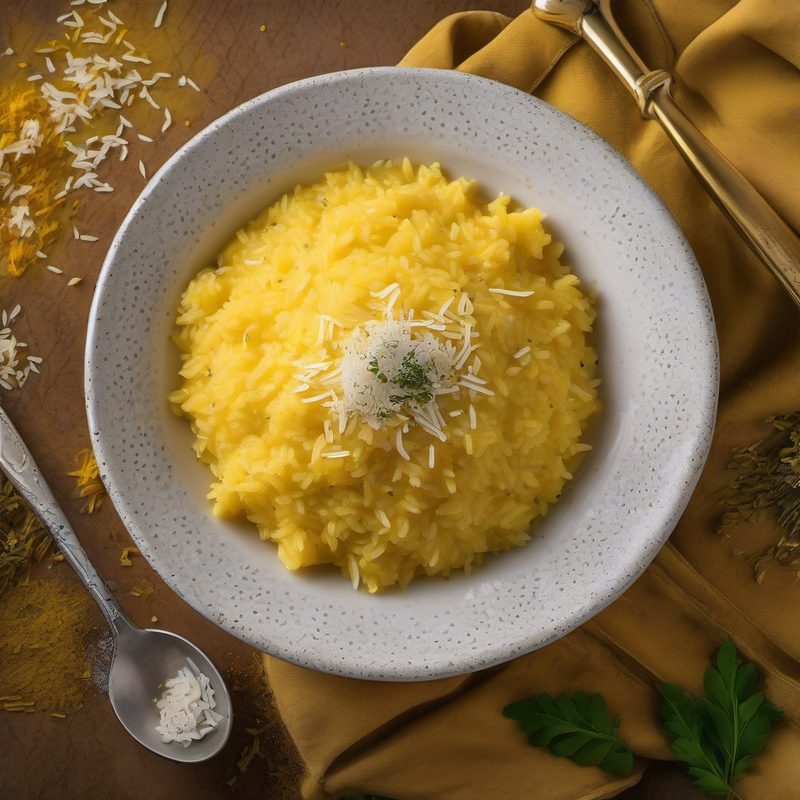
| `vol1_53.png` | A close-up of short pasta (penne or rigatoni) in a shallow wide bowl, every piece coated in a creamy ivory Taleggio sauce studded with tender dark green spinach. A dusting of black pepper and a few fresh spinach leaves garnish the top. The sauce clings to the pasta ridges and pools slightly in the bottom of the bowl. Warm, golden overhead lighting, rustic ceramic bowl, a fork resting on the rim, steam rising gently. |
Recipe from "The Italian Kitchen" by Vita Milanese — Volume 1: Pasta Perfetto
Recipe from The Italian Kitchen by Vita Milanese — Volume 1 · Pasta Perfetto. Discover all volumes on the ebook page.