Pasta Romanesco Spinach
A rough, rustic Romanesco cream clings to al dente pasta like a savory blanket, with fresh baby spinach melting into the sauce at the last moment — this is peasant cooking at its most elegant, where a single head of fractal green broccoli becomes a silky, sage-green sauce that tastes like spring in a bowl.
| Amount | Ingredient |
|---|---|
| 12 oz (340 g) | Short pasta (penne, rigatoni, fusilli, or orecchiette) |
| 4 cups (120 g / about 4 large handfuls) | Baby spinach |
| ½ cup (50 g) | Grated Pecorino Romano or Pecorino Toscano, plus more for serving |
| Black pepper, freshly ground, for serving |
Romanesco Broccoli Pasta with Wilted Spinach, Pecorino, and Black Pepper
Romanesco broccoli, with its otherworldly Fibonacci-spiral heads, looks like it belongs in a geometry textbook — but in the kitchen, it's one of the most versatile and forgiving vegetables in the brassica family. Its texture is firmer than regular broccoli and more tender than cauliflower, with an earthy, nutty flavor that's slightly sweeter than either. Here, we boil the romanesco until it's tender enough to mash with a fork — stalks, florets, and all — then turn it into a coarse cream with nothing more than sautéed shallot, good olive oil, and pasta cooking water. There's no dairy in the sauce itself; the creaminess comes entirely from the starches of the romanesco and the pasta water working together. Baby spinach is tossed in at the end, wilting from the residual heat and adding a whisper of fresh green flavor. A shower of salty Pecorino and a crack of black pepper at the table, and this is a 25-minute weeknight dinner that tastes like you fussed for an hour. The romanesco breaks down into a sauce that's both rustic and refined — you'll see the chunks, you'll taste the shallot, and you'll wonder why you've been making broccoli pasta any other way.
For the Sauce
For the Pasta and Assembly
Use standard US measuring cups and spoons. All produce is medium unless specified.
🥘 Equipment
- Large chef's knife and cutting board
- Large pot (6-quart or larger, for boiling pasta and romanesco)
- Colander
- Large skillet or sauté pan (12-inch)
- Wooden spoon or silicone spatula
- Fork (for mashing the romanesco)
- Box grater or Microplane (for Pecorino)
- Measuring cups and spoons
- Ladle or 1-cup measuring cup (for reserving pasta water)
📋 Preparation
Step 1 — Clean and Boil the Romanesco (15 minutes)
Remove the outer leaves from the romanesco broccoli and trim the base of the stem. Cut the head into rough chunks, including the core and tender parts of the stem — nothing goes to waste. The core is tender once cooked and contributes to the sauce's body.
Fill a large pot with water and bring to a boil over high heat. Add 2 tablespoons kosher salt (the water should taste like the sea).
Add the romanesco chunks and boil until completely tender — a fork should slide through the thickest part of the stem with no resistance, about 10 to 12 minutes. Do not undercook; the romanesco needs to be soft enough to mash into a creamy sauce.
Romanesco is done when a fork meets no resistance. If it's still firm at the stem, it won't mash smoothly. When in doubt, cook 2 more minutes.
Step 2 — Cook the Pasta (8 to 12 minutes, depending on shape)
Using a spider strainer or slotted spoon, lift the romanesco out of the boiling water and transfer to a cutting board to cool slightly. Keep the water boiling.
Add the pasta to the same boiling water and cook according to package directions until al dente — tender but firm to the bite. Before draining, reserve 1½ cups of pasta cooking water.
Drain the pasta in a colander. Do not rinse.
Cooking the pasta in the romanesco-infused water adds a subtle vegetable sweetness to the noodles. It's a small step with noticeable returns.
Step 3 — Make the Romanesco Cream (5 minutes)
While the pasta cooks, heat 3 tablespoons olive oil in a large skillet over medium heat. Add the diced shallot and cook, stirring frequently, until softened and translucent but not browned — about 2 to 3 minutes.
While the shallot cooks, roughly chop the boiled romanesco into smaller pieces (about 1-inch chunks) on the cutting board.
Add the chopped romanesco to the skillet along with ½ teaspoon salt and ¼ teaspoon pepper. Using a fork, mash the romanesco directly in the pan until it breaks down into a coarse, chunky cream — some texture is desirable, but there should be no large florets remaining.
Add ½ cup (120 ml) of the reserved pasta water and stir vigorously. The mixture should become a loose, creamy sauce — about the consistency of a chunky marinara. Add more pasta water ¼ cup at a time if it seems dry.
You're looking for a coarse, rustic cream — not a smooth purée. A few small chunks of romanesco are fine; they add texture and remind you this is a vegetable-first pasta, not a sauce that happens to have vegetables.
Step 4 — Combine and Wilt the Spinach (2 minutes)
Reduce the heat to low. Add the drained pasta to the skillet with the romanesco cream and toss gently to coat every noodle.
Add the baby spinach in handfuls, tossing after each addition. The residual heat from the pasta and sauce will wilt the spinach in about 30 to 45 seconds — you want it just softened, not collapsed into a dark green mush.
If the sauce seems thick, add another ¼ cup of reserved pasta water and toss. The sauce should coat the pasta generously without pooling at the bottom of the pan.
Add the spinach at the very end and toss just until wilted. If you cook it longer, it loses its bright green color and fresh flavor. The goal is barely-wilted — still bright green and with some structure.
Step 5 — Serve (2 minutes)
Remove the skillet from the heat. Add ½ cup grated Pecorino and toss once more.
Divide the pasta among warm bowls. Finish each serving with a generous crack of black pepper and an extra shower of grated Pecorino. Serve immediately.
Freshly cracked black pepper is not optional here — its warmth and bite cut through the sweet, nutty romanesco and salty cheese. A heavy hand is encouraged.
🧑🍳 Chef's Tips
- Don't throw away the romanesco core or stems. Unlike conventional broccoli, romanesco stems are tender and sweet when cooked. Chop them into the sauce — they break down beautifully and add body without any fibrous texture.
- The shallot should soften, not brown. Golden-brown shallot adds a different flavor — caramelized and sweet — which is lovely but not what this dish wants. Keep the shallot pale and translucent so the romanesco's delicate nuttiness stays front and center.
- Reserve more pasta water than you think you need. The starchiness of the water is what turns the romanesco mash into a silky sauce. Having an extra ½ cup on hand means you can adjust the consistency at the last second. Leftovers keep for a day if you store the pasta and sauce separately.
- Use a fork, not a food processor, to mash the romanesco. A fork gives you an intentionally rustic, coarse texture with some small chunks remaining. A food processor would turn it into a baby-food purée, which is not what we're after here.
- Warm your serving bowls. This dish cools quickly. Warm your bowls in a 200°F oven for 5 minutes, or fill them with hot tap water while the pasta finishes. A hot bowl keeps the pasta and sauce loose and luxurious rather than seizing up on cold ceramic.
- Pecorino matters. Pecorino Romano is sharp, salty, and intense — a little goes a long way. Pecorino Toscano is milder, creamier, and nuttier. Either works, but they produce different results. Use Romano if you want a punchy, salty finish; use Toscano for a mellower, more elegant dish.
❌ Common Mistakes
| Mistake | Why It Hurts | The Fix |
|---|---|---|
| Overcooking the spinach | Bright green spinach turns into a dark, slimy mass that looks unappealing and loses its fresh flavor. | Add the spinach off the heat or on low heat, toss for 30 seconds max. The residual heat from the pasta does most of the work. |
| Under-boiling the romanesco | Firm romanesco won't mash into a cream — you'll end up with crunchy chunks that don't integrate with the pasta. | Boil until a fork slides through the thickest stem without resistance. If in doubt, cook 2 extra minutes. |
| Not reserving enough pasta water | The sauce seizes up and becomes dry and pasty instead of silky and loose. | Reserve at least 1½ cups. Add it gradually — you might not need it all, but you'll be glad it's there. |
| Using a food processor for the romanesco | The sauce becomes a smooth, baby-food purée that lacks texture and feels unpleasantly homogeneous. | Mash by hand with a fork. You want some chunks. The uneven texture is the whole point. |
| Draining the pasta too early or overcooking it | Mushy pasta breaks apart when tossed with the chunky romanesco cream. Al dente pasta holds its shape and provides a pleasing contrast. | Drain the pasta 1 minute before the package's recommended al dente time. It will finish cooking in the sauce. |
| Skipping the black pepper finish | The dish tastes flat and one-dimensional. The pepper provides a crucial warm, spicy counterpoint to the sweet romanesco and salty cheese. | Grind fresh black pepper over each serving at the table — not from a pre-ground shaker. The difference is significant. |
💡 Variations
| Variation | How To |
|---|---|
| Regular Broccoli | Swap romanesco for 1 large head of regular broccoli (about 1½ lbs). The flavor will be slightly more pronounced and less nutty, with a hint of sulfur when cooked. Peel the outer skin from the stems for a smoother texture. |
| Cauliflower Version | Replace romanesco with 1 medium head of cauliflower. The result is milder and creamier, almost like a cauliflower Alfredo. Add a pinch of nutmeg to the sauce to warm up the flavor. |
| Add Anchovy | Mince 2 anchovy fillets and add them to the oil with the shallot. They melt into the sauce, adding a savory, salty depth that doesn't taste fishy — just more umami. |
| Add Red Pepper Flake | Add ½ teaspoon red pepper flakes with the shallot for a gentle heat that builds with each bite. The spice cuts the richness and wakes up the whole dish. |
| Add Toasted Breadcrumbs | While the pasta cooks, toast ¼ cup of fresh breadcrumbs in a skillet with 1 tablespoon olive oil until golden and crisp. Sprinkle over the finished pasta for a crunchy contrast to the creamy sauce. |
| Make It Gluten-Free | Use your favorite gluten-free short pasta (rice or corn-based works best). The romanesco sauce is naturally gluten-free — just make sure your Pecorino is labeled gluten-free (aged cheeses usually are, but check). |
| Add Crispy Guanciale or Pancetta | Dice 4 oz (113 g) of guanciale or pancetta and render it in a dry skillet until crispy. Toss into the pasta at the end for a salty, porky crunch that pairs perfectly with the nutty romanesco. |
| Make It Vegan | Omit the Pecorino and add 2 tablespoons of nutritional yeast to the sauce for cheesy flavor. Use 3 tablespoons of extra-virgin olive oil as the finishing "cheese" drizzle. Finish with a generous pinch of flaky salt. |
❄️ Storage & Leftovers
| Method | Details |
|---|---|
| Refrigerator | Store in an airtight container for up to 2 days. The spinach will lose its bright green color overnight and the pasta will absorb some of the sauce, but the flavor will still be excellent. |
| Reheating (Stovetop) | Reheat in a skillet over medium-low heat with a splash of water or pasta water. Toss gently until heated through — about 3 to 4 minutes. Add a fresh handful of baby spinach to revive the bright green element. |
| Reheating (Microwave) | Microwave in 30-second bursts at 70% power, stirring between each. Add a splash of water before microwaving to prevent the pasta from drying out. Not ideal — the texture will suffer slightly. |
| Freezer | Not recommended. The romanesco cream becomes watery upon thawing and the spinach turns into a dark, unappealing slime. Make fresh. |
🍷 Wine Pairing
| Wine | Why |
|---|---|
| Verdicchio dei Castelli di Jesi (Le Marche) | A crisp, mineral-driven white with lemon zest and almond notes. Its bright acidity and saline finish cut through the nutty romanesco and salty Pecorino, while the subtle herbaceous quality mirrors the baby spinach. |
| Greco di Tufo (Campania) | A fuller-bodied white with stone fruit, pear, and a distinctive smoky-mineral edge. The texture matches the creamy sauce while the acidity keeps it fresh. The slight bitterness on the finish is a perfect match for the romanesco. |
| Soave Classico (Veneto) | Medium-bodied with notes of almond blossom, lemon curd, and a gentle herbal finish. The wine's creamy texture mirrors the romanesco cream, while its bright acidity provides structure. An elegant, crowd-pleasing choice. |
| Frascati Superiore (Lazio) | From the hills outside Rome, this crisp, slightly nutty white is the classic Roman pairing for vegetable-forward pasta. Its gentle bitterness and medium body let the delicate flavor of the romanesco take center stage. |
| Pinot Grigio (Alto Adige) | A lean, crisp, and mineral-driven Pinot Grigio — not the bland, mass-market kind but a quality bottle from Alto Adige. Its steeliness and green apple notes provide a clean counterpoint to the creamy, nutty sauce. |
🍺 Beer Pairing
| Beer | Why |
|---|---|
| Italian Pilsner (e.g., Birrificio Italiano Tipopils, Menabrea) | Clean, crisp, and highly carbonated. Each sip resets your palate between bites, cutting through the creamy romanesco and salty Pecorino. The low bitterness and crackery malt don't compete with the delicate vegetables. |
| Belgian Witbier | Spicy, citrusy, and refreshing with a soft, hazy body. The coriander and orange peel notes echo the subtle sweetness of the romanesco, while the moderate carbonation keeps things light. Add a lemon wheel for an extra citrus pop. |
| Saison | Peppery, slightly fruity, and bone-dry on the finish. The spicy yeast character works beautifully with the black pepper and earthy romanesco, while the effervescence scrubs the palate clean. |
| Session IPA | A low-alcohol IPA with bright citrus and pine notes and subdued bitterness. The hop character adds a layer of complexity that plays nicely with the Pecorino's saltiness. Keep the IBUs moderate — you want flavor, not a bitter assault. |
🥗 Suggested Side Dishes
- A simple arugula and shaved Parmigiano salad with lemon vinaigrette — the peppery greens and bright acid cut through the creamy, nutty pasta
- Roasted asparagus with olive oil, salt, and lemon zest — the slight bitterness and fresh green character echo the romanesco without competing
- Grilled radicchio with balsamic glaze — the bitter, charred leaves provide a textural and flavor contrast to the soft pasta
- Fennel and orange salad with black olives — the licorice notes and citrus acidity refresh the palate between rich, cheesy bites
- Crusty country bread or grissini (breadsticks) — for cleaning the bowl of every last smear of romanesco cream
- Sautéed broccolini with garlic and red pepper flakes — more brassica goodness, prepared simply and with a little heat
📊 Nutrition (per serving, estimated)
| Calories | Protein | Fat | Carbs | Fiber |
|---|---|---|---|---|
| 380 | 16 g | 14 g | 48 g | 6 g |
Nutrition is an estimate based on standard ingredient quantities. Values will vary with pasta brand, Pecorino type, and olive oil absorption. Using Pecorino Romano instead of Toscano adds approximately 80 mg of sodium per serving.
❓ Frequently Asked Questions
What exactly is romanesco broccoli? Is it different from regular broccoli?
Romanesco broccoli (also called Romanesco cauliflower or broccolo romanesco) is a brassica cultivar from Italy, prized for its striking chartreuse-green heads that grow in a natural Fibonacci spiral pattern. It has a firmer, more compact texture than regular broccoli and a flavor that sits somewhere between broccoli and cauliflower — nuttier, sweeter, and more delicate than either. It's increasingly available at farmers' markets and well-stocked grocery stores (Whole Foods, Trader Joe's, and many co-ops carry it seasonally, typically October through February). If you can't find it, the recipe works beautifully with regular broccoli or cauliflower.
Do I need to peel the romanesco stems?
No. Unlike regular broccoli stems, which can be fibrous and require peeling, romanesco stems are tender and sweet. Just trim the very bottom (the dried cut end) and chop the rest into the sauce. They break down beautifully when boiled.
Can I use frozen romanesco or frozen broccoli instead of fresh?
You can, but the texture won't be as good. Frozen romanesco (if you can find it) or frozen broccoli tends to be waterlogged and mushy after boiling, producing a thinner, less flavorful sauce. If you must use frozen, thaw and thoroughly drain it first, then reduce the pasta water you add to the sauce by about ¼ cup to compensate for the extra moisture.
The sauce seems too dry. What went wrong?
You probably didn't add enough pasta water, or the heat was too high when you combined the pasta with the sauce. The romanesco cream should be loose and glossy — like a thick but pourable sauce. Add more reserved pasta water ¼ cup at a time until it reaches the right consistency. Remember that the pasta will continue absorbing liquid even after it's off the heat, so err on the loose side.
Can I make this with long pasta like spaghetti or linguine?
Absolutely. Short pasta is traditional for chunky vegetable sauces because the pieces nestle into the crevices of the pasta, but the sauce is rustic enough to cling to spaghetti or linguine. Use a pair of tongs instead of a wooden spoon when tossing to coat the long strands evenly. Increase the reserved pasta water by ¼ cup — long pasta tends to absorb more liquid.
Is Pecorino Romano the same as Pecorino Toscano? Can I use Parmigiano-Reggiano?
They are different. Pecorino Romano is aged longer, saltier, sharper, and more intense — it's a grating cheese that packs a punch. Pecorino Toscano is younger, creamier, and milder, with a nutty, milky character. Both are sheep's milk cheeses. For this dish, either works. You can also use Parmigiano-Reggiano (cow's milk, granular, nutty) for a milder, less salty finish. Choose based on what you want: Romano for punch and salt, Toscano for creaminess, Parmigiano for nutty elegance.
Can I double this recipe?
Easily. Double all ingredients and use the largest skillet or sauté pan you have (at least 14-inch). Cook the pasta in two batches if your pot isn't big enough — or use a larger pot. The romanesco cream scales perfectly. If your pan is crowded, the spinach may steam instead of wilt; add it in batches and give it room.
The dish says 380 calories — is that enough for a main course?
It's a satisfying first course for 4, or a light main course for 3 to 4 depending on appetite. If you're serving it as a main course to hearty eaters, pair it with a substantial side (the roasted asparagus and a crusty bread are ideal) or start with an antipasto. You can also add the crispy guanciale variation (see Variations) to bump it up to a more substantial main course.
🔗 Related Recipes
- Pasta with Broccoli, Anchovy, and Breadcrumbs — a classic Southern Italian broccoli pasta with anchovy depth
- Orecchiette with Cime di Rapa (Broccoli Rabe) — the Pugliese classic with bitter greens, garlic, and anchovy
- Spaghetti Aglio e Olio with Spinach and Toasted Breadcrumbs — a garlic-and-oil base with the same quick-wilt spinach treatment
- Pasta with Cauliflower Cream and Toasted Walnuts — another cruciferous-vegetable cream sauce, this one enriched with walnuts
- Penne with Roasted Romanesco and Gorgonzola — romanesco meets blue cheese for a richer, more decadent take
- Bucatini with Cabbage, Pancetta, and Pecorino — another humble vegetable transformed into a pasta sauce
- Fusilli with Spring Vegetables and Fresh Herbs — for when the farmers' market delivers everything at once
🏷️ Search Tags
| Photo | Notes |
|---|---|
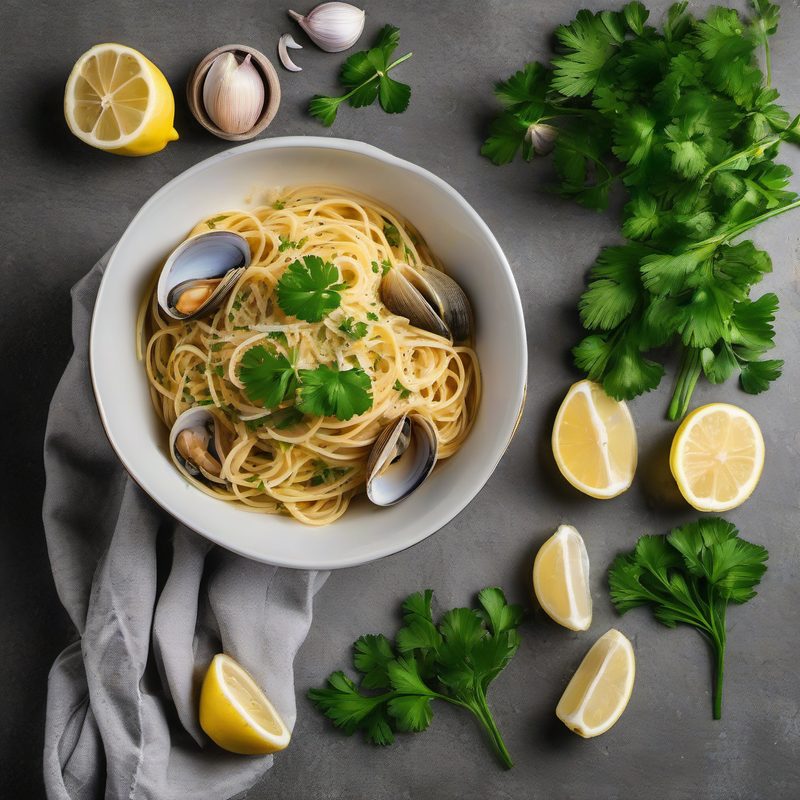
| `vol1_57.png` | A wide, shallow bowl of short pasta (penne or fusilli) cloaked in a coarse, sage-green romanesco cream with visible flecks of sautéed shallot and small chunks of tender romanesco. Bright green baby spinach leaves are scattered throughout, some just barely wilted and still holding their shape. A generous shower of grated Pecorino covers the top, with a final crack of black pepper visible as dark specks. Side-lit, warm natural lighting, rustic ceramic bowl on a wooden surface, steam rising gently. A small grater and a wedge of Pecorino sit on the table beside the bowl. |
Recipe from "The Italian Kitchen" by Vita Milanese — Volume 1: Pasta Perfetto
Recipe from The Italian Kitchen by Vita Milanese — Volume 1 · Pasta Perfetto. Discover all volumes on the ebook page.