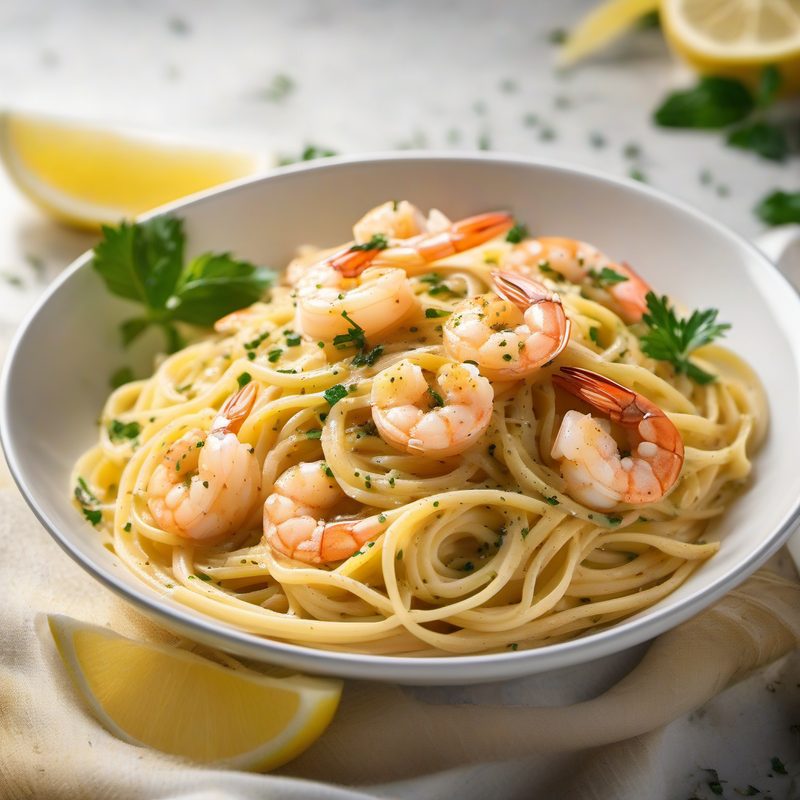
Cambusa Spaghetti
A pantry-driven pasta from the ship's galley — al dente spaghetti tossed with a creamy, no-cook walnut-basil pesto and studded with raw cherry tomatoes. Serve it warm, at room temperature, or straight from the fridge the next day. It only gets better with time.
| Amount | Ingredient |
|---|---|
| Freezer | The pesto (without pasta) freezes beautifully for up to 3 months. Spoon into an ice cube tray, freeze, then transfer cubes to a freezer bag. Thaw overnight in the refrigerator and toss with freshly cooked pasta. Do not freeze the completed pasta dish — the texture degrades on thawing |
| Reheating | If serving warm, reheat gently in a skillet over medium-low heat with a splash of pasta water or olive oil, tossing until just warmed through (2–3 minutes). Do not overheat — the basil will darken and the walnuts will lose their freshness. Alternatively, serve cold or at room temperature straight from the refrigerator: the pesto often tastes even better the next day |
| Make Ahead | The pesto can be made up to 5 days ahead. Transfer to a jar, smooth the surface, and cover with a thin layer (about ¼ inch / 5 mm) of extra-virgin olive oil to prevent oxidation. Seal and refrigerate. Bring to room temperature before tossing with pasta |
Cambusa means "pantry" or "ship's galley" in Italian — the cramped, ingenious kitchen aboard a vessel where a resourceful cook makes magic from whatever is on hand. This pasta embodies that spirit: toasted walnuts and fresh basil blitzed into a creamy, no-cook pesto, tangled with spaghetti so al dente it still has a whisper of bite, and punctuated by the bright, juicy pop of raw cherry tomatoes. There is no stovetop sauce, no cream, no elaborate technique — just a handful of ingredients and a food processor. The walnuts bring a toasty, earthy richness that stands proudly alongside the more traditional pine nut pesto, while the raw tomatoes add acidity and freshness that keeps each bite bright. It is the perfect pasta for hot summer days when you cannot bear to turn on the stove for anything other than boiling water — and it is equally at home on a picnic blanket, in a lunchbox, or on a busy weeknight table. The pesto, somehow, only deepens and improves as it sits, making leftovers a genuine gift.
> Note: This pesto is intentionally thick and intensely flavored — it is designed to be tossed with hot pasta, which will loosen the sauce and allow it to coat every strand. If you are serving the pasta cold, toss it with the pesto while the pasta is still warm, then chill; the pesto will cling more effectively than if added to cold pasta. The dish is excellent at any temperature.
Use level tablespoons and standard US measuring cups. All produce is medium unless specified. The basil should be fresh, fragrant, and deep green — avoid wilted or blackened leaves. Use a fruity, medium-intensity extra-virgin olive oil; a grassy Ligurian or a buttery Sicilian oil complements the walnuts beautifully. English or California walnuts work equally well; toast them lightly to deepen their flavor and remove any raw bitterness.
🥘 Equipment
- Large pot (6 qt / 6 L) for pasta
- Food processor or high-speed blender
- Small skillet (for toasting walnuts)
- Chef's knife and cutting board
- Box grater or Microplane (for Parmesan)
- Colander
- Large mixing bowl
- Tongs or pasta fork
- Measuring cups and spoons
📋 Preparation
Step 1 — Toast the Walnuts (3 minutes)
Place a small skillet over medium heat. Add the walnut halves and toast, shaking the pan frequently, until fragrant and lightly golden — about 3 minutes. The walnuts should smell warm and nutty, not burnt. Watch closely — they can go from toasted to scorched in seconds.
Transfer the walnuts to a plate and let cool completely, about 5 minutes. Cooling is essential — warm walnuts will cause the basil to wilt and discolor when blended.
Toasting walnuts is a small step that makes a large difference. Raw walnuts have a faint bitterness and a slightly damp, astringent quality. Toasting drives off moisture, deepens their flavor, and brings out their natural oils, transforming them into something rich, warm, and almost buttery. Cool them completely before blending — hot walnuts will cook the basil, turning it dark and dulling its bright, peppery flavor.
Step 2 — Make the Walnut-Basil Pesto (5 minutes)
While the walnuts cool, prepare the remaining pesto ingredients. Wash and thoroughly dry the basil leaves — any excess water will make the pesto watery and less flavorful. Grate the Parmesan if not already grated.
In a food processor, combine the cooled toasted walnuts, basil leaves, grated Parmesan, 1 teaspoon salt, a generous amount of freshly ground black pepper, and 5 tablespoons (75 ml) of extra-virgin olive oil.
Pulse the food processor in short bursts, scraping down the sides with a spatula as needed, until the mixture forms a creamy, homogeneous paste. The pesto should be thick enough to hold its shape on a spoon but loose enough to be spreadable. Do not over-process — you want a creamy consistency, not a smooth purée. A few tiny walnut flecks are welcome.
Taste and adjust. Add more salt, pepper, or olive oil as needed. The pesto should be intensely savory and herbaceous, with a pronounced walnut richness. Set aside.
The key to a great pesto is the ratio: enough olive oil to emulsify the ingredients into a creamy paste, but not so much that it becomes greasy or thin. Starting with 5 tablespoons (75 ml) and adjusting after pulsing gives you control. If serving the pasta cold the next day, make the pesto slightly looser (add another tablespoon of olive oil) — it will thicken as it sits in the refrigerator. The Parmesan provides saltiness, so hold back on additional salt until you taste the finished pesto.
Step 3 — Cook the Pasta (10–12 minutes)
Fill a large pot with generously salted water — about 1 tablespoon of salt per 4 quarts (4 L) of water — and bring to a rolling boil. The water should taste pleasantly salty, like the sea.
Add the spaghetti or linguine and cook until very al dente — about 1 to 2 minutes less than the package's al dente time. The pasta should be fully cooked through but noticeably firmer than you would normally serve it.
Reserve about 1 cup (240 ml) of the pasta cooking water before draining. Drain the pasta well (do not rinse). Transfer to a large mixing bowl.
Cooking the pasta very al dente is intentional. When you toss the hot pasta with the pesto, it will continue to absorb moisture as it sits, softening to the perfect al dente texture. If you cooked the pasta to a standard al dente, it would become soft and flabby by the time you serve it — especially if serving cold or at room temperature. Reserve plenty of cooking water; the starchy water is the secret to emulsifying the pesto into a cohesive, clinging sauce.
Step 4 — Toss and Serve (2 minutes)
While the pasta is still steaming hot, add the walnut-basil pesto to the bowl. Using tongs, toss vigorously to coat every strand. The heat from the pasta will warm the pesto, release its aromas, and help it cling to the spaghetti.
If the pasta seems dry or the pesto is not coating evenly, add reserved pasta cooking water 1 tablespoon at a time, tossing between additions, until the sauce loosens into a creamy, clinging consistency. You will likely need 3 to 4 tablespoons (45 to 60 ml) .
Add the halved cherry tomatoes and toss gently to distribute — just enough to warm them slightly without breaking them down. The tomatoes should remain distinct, providing bright, juicy bursts of acidity against the rich pesto.
Serve immediately for a warm dish, or let rest for 10 to 15 minutes for room temperature. The pasta is also excellent served cold — simply refrigerate for at least 1 hour after tossing.
Finish each serving with a generous dusting of grated Parmesan, a few extra basil leaves (torn or whole), and a crack of black pepper. Drizzle with a final touch of extra-virgin olive oil if desired.
The order matters: pesto first, then pasta water (as needed), then tomatoes. The tomatoes are added last so they stay raw and fresh — the heat of the pasta gently warms them without cooking them, preserving their bright, acidic pop. If you are serving the pasta cold, add the tomatoes just before serving rather than before chilling; they will stay firmer and more vibrant.
🧑🍳 Chef's Tips
- Toast the walnuts, then cool them completely. This is non-negotiable. Warm walnuts will cause the basil to oxidize and turn dark, giving your pesto an unappealing gray-green color. Let them cool for at least 5 minutes on a plate before blending.
- Do not overdry the basil. Wet basil leaves create a watery, thin pesto that will not cling to the pasta. Wash the leaves early and dry them thoroughly in a salad spinner or between clean kitchen towels. Any water clinging to the leaves dilutes the oil and the flavor.
- Use a soft, fruity olive oil. A grassy, medium-intensity extra-virgin olive oil from Liguria or Tuscany works beautifully with the delicate basil and walnuts. Avoid peppery, aggressive oils — they will dominate the pesto and compete with the walnuts.
- Reserve more pasta water than you think you need. The starchy water is the single best tool for adjusting the consistency of the finished dish. It emulsifies the pesto into a creamy, clinging sauce without adding extra oil. Start with 2 tablespoons and add more as you toss.
- Serve at any temperature. This is one of the most forgiving pasta dishes ever created. It is excellent hot from the bowl, excellent at room temperature on a picnic blanket, and excellent cold straight from the refrigerator the next day. The pesto only gets better as the flavors meld overnight.
- Double the pesto. The walnut-basil pesto keeps beautifully in the refrigerator for up to 5 days (with a thin layer of olive oil on top to prevent oxidation). Make a double batch and use it for sandwiches, crostini, or a quick pasta later in the week.
❌ Common Mistakes
| Mistake | Why | Fix |
|---|---|---|
| Adding pesto to cold pasta | The pesto will not cling to cold pasta — it will slide off and pool at the bottom of the bowl | Always toss the pesto with hot, just-drained pasta, even if you plan to serve it cold later |
| Over-processing the pesto | A smooth, baby-food purée loses the pleasing texture of walnut pieces and basil flecks | Pulse in short bursts; stop when the pesto is creamy but still has a little texture |
| Using raw, untoasted walnuts | Raw walnuts have a faint bitterness and a damp, astringent quality that dulls the pesto | Always toast walnuts until fragrant and golden, then cool completely before blending |
| Skimping on Parmesan | The cheese provides saltiness, umami, and body; too little makes a flat, thin pesto | Use at least 50 g (½ cup) of finely grated Parmesan — Parmigiano Reggiano is best |
| Cooking pasta to full al dente | The pasta continues cooking after being tossed with the pesto; if already al dente, it becomes soft | Cook the pasta 1 to 2 minutes less than the package's al dente time |
| Adding tomatoes before chilling | Cherry tomatoes release water and become mushy when refrigerated after being cut | Add tomatoes just before serving, or toss with the pasta right before serving cold |
| Using dried basil | Dried basil has no place in this dish — it lacks the sweet, peppery, aromatic quality of fresh basil | Always use fresh basil leaves; if basil is unavailable, substitute fresh mint or a mix of mint and parsley |
🔄 Variations
| Variation | How To |
|---|---|
| Cambusa with Linguine | Substitute linguine for spaghetti. The flat, wide strands catch more of the pesto in every bite. Adjust cooking time according to package directions |
| Cambusa with Pine Nuts | Replace walnuts with pine nuts (pignoli) for a more traditional Genovese-style pesto. Toast the pine nuts gently — they burn even faster than walnuts |
| Cambusa with Arugula | Replace half the basil with fresh arugula for a peppery, spicy twist. The arugula adds a mustardy heat that cuts through the richness of the walnuts and cheese |
| Cambusa with Mint and Lemon | Add a handful of fresh mint leaves (about 10 g / ¼ cup packed) and the zest of ½ lemon to the food processor with the basil. The mint and lemon lift the pesto into a brighter, more refreshing register — perfect for hot summer days |
| Cambusa with Burrata | Tear 150 g (5 oz) of burrata over the finished pasta just before serving. The creamy, stracciatella center of the burrata melts into the pesto, creating an even richer, more luxurious sauce |
| Cambusa with Grilled Chicken | Top each serving with slices of grilled chicken breast marinated in olive oil, lemon, salt, and pepper. A complete summer meal in a bowl |
| Cambusa with Roasted Cherry Tomatoes | For a deeper, sweeter tomato flavor, toss the halved cherry tomatoes with olive oil, salt, and pepper, and roast at 400°F (200°C) for 15 minutes before adding to the pasta. Let them cool slightly before tossing |
| Vegan Cambusa | Replace Parmesan with 3 tablespoons of nutritional yeast and 1 tablespoon of toasted pine nuts (for body). Use a high-quality extra-virgin olive oil. The flavor will be different (less savory, more nutty) but delicious in its own right |
🥶 Storage & Leftovers
| Method | Details |
|---|
🍷 Wine Pairing
| Wine | Why |
|---|---|
| Vermentino di Sardegna (Sardinia, chilled) | A crisp, mineral-driven white with notes of green apple, citrus zest, and crushed herbs. The bright acidity and saline finish cut through the rich walnut pesto and echo the fresh basil |
| Gavi di Gavi (Piedmont, chilled) | A classic pairing for pesto-based dishes — the zesty citrus and almond notes harmonize beautifully with the basil and walnuts, while the clean finish refreshes the palate between bites |
| Soave Classico (Veneto, chilled) | A medium-bodied white with flavors of pear, white flowers, and a distinct almond-bitter finish. The nutty almond notes mirror the toasted walnuts, while the bright acidity keeps the palate fresh. Look for a Soave Classico from a quality producer (Inama, Pieropan, or Suavia) |
| Fil di Ferro (Liguria, chilled) | A rare, herbaceous white from the Ligurian coast with pronounced notes of sage, rosemary, and wild herbs — a perfect aromatic match for the basil. The briny, mineral finish echoes the sea-salt character of the pasta. If unavailable, a good Pigato or Vermentino from the same region makes an excellent substitute |
| Pinot Grigio (Alto Adige, chilled) | A crisp, clean Italian Pinot Grigio from the mountainous Alto Adige region — think green apple, pear, and a subtle mineral spine. The restraint and acidity of a well-made Pinot Grigio provide a clean backdrop for the bold, herbaceous pesto. Avoid flat, neutral Pinot Grigio from mass-market producers |
| Lambrusco di Sorbara (Emilia-Romagna, lightly chilled) | A dry, pale ruby sparkling red with bright red berry flavors and racy acidity. Served with a light chill (55°F / 13°C), the bubbles and tart fruit provide a playful contrast to the rich, nutty pesto and the sweet pop of cherry tomatoes |
| Franciacorta Brut Rosé (Lombardy, chilled) | A sophisticated sparkling rosé with notes of red berries, citrus, and brioche. The fine bubbles scrub the palate clean of the rich pesto, while the red fruit notes echo the cherry tomatoes. A festive pairing for a special occasion |
🥗 Suggested Side Dishes
- Simple mixed green salad with lemon vinaigrette — the bright acidity cuts through the rich walnut pesto
- Grilled zucchini or eggplant slices brushed with olive oil and seasoned with salt and pepper — the smoky, tender vegetables complement the herbaceous pasta
- Caprese salad — sliced fresh mozzarella, ripe tomatoes, and basil, drizzled with olive oil and balsamic vinegar; a classic Italian starter that shares ingredients with the pasta
- Crusty focaccia or ciabatta — ideal for mopping up any leftover pesto sauce in the bowl
- Marinated olives and roasted red peppers — a simple antipasto platter that extends the summer-themed meal
- Grilled shrimp skewers — the sweet, smoky shrimp pair beautifully with the walnut-basil pesto
🔗 Related Recipes
- Spaghetti Intrasatta (#185) — A similar no-cook pesto pasta with walnuts, cherry tomatoes, and basil, with a slightly different technique
- Almond Olive Pesto (#112) — A bold, briny pesto made with almonds and olives, excellent on pasta or crostini
- Cold Fusilli Arugula Pesto (#05) — A cold pasta salad with peppery arugula pesto, perfect for summer lunches
- Cold Pasta Ricotta Avocado (#101) — A creamy, no-cook cold pasta with ricotta, avocado, and lemon
- Cold Pasta Pesto Potatoes Green Beans (#105) — A classic cold pasta dish with pesto, potatoes, and green beans in the style of a Genovese pasta salad
🏷️ Search Tags
📸 Photo Reference
Photo reference: `vol1_195.png` — An overhead shot of a generous bowl of spaghetti alla cambusa, the pasta twirled into a loose nest in a wide, shallow rustic ceramic bowl (cream or pale terracotta). The spaghetti is a pale greenish-cream color, each strand evenly coated in walnut-basil pesto. Bright red and orange cherry tomato halves are scattered throughout — some nestled into the pasta, some resting on top — providing vivid pops of color. A generous dusting of grated Parmesan crowns the center, with a few whole basil leaves placed artfully on top. A final drizzle of golden-green olive oil catches the highlights. Beside the bowl: a small wooden board with a pile of toasted walnuts, a handful of basil sprigs, and a glass of chilled Vermentino. A white linen napkin and a heavy fork complete the scene. The lighting is bright and natural, evoking a warm summer afternoon. The overall mood is casual, fresh, and inviting — the kind of pasta you want to eat outside on a picnic table.
Recipe from "The Italian Kitchen" by Vita Milanese — Volume 1: Pasta Perfetto
Recipe from The Italian Kitchen by Vita Milanese — Volume 1 · Pasta Perfetto. Discover all volumes on the ebook page.