Pici Cacio Pepe
Thick, hand-rolled strands of homemade Tuscan pasta tossed in a silky, molten cloak of Pecorino Romano and crackling black pepper—a minimalist masterpiece that proves three ingredients can produce something truly transcendent. No cream, no butter, just pasta, cheese, pepper, and the ritual of mantecatura.
| Amount | Ingredient |
|---|---|
| 1 cup (100 g) | Pecorino Romano cheese, finely grated |
| ½ tbsp | Whole black peppercorns |
This is cacio e pepe reimagined with fresh pici—the fat, chewy, hand-rolled noodles of southern Tuscany. Where classic cacio e pepe relies on the starchy embrace of tonnarelli or spaghetti, pici bring a rustic, irregular heft that catches the peppery Pecorino cream in every fold and crevice. The process is deceptively simple: you toast whole peppercorns in a dry pan until they release their volatile oils, then deglaze with pasta water to create an aromatic base. Into that goes the freshly boiled pici, a cascade of finely grated Pecorino Romano, and the characteristic vigorous tossing—mantecare—that transforms cheese and starch water into a glossy, emulsified sauce that clings to every strand. It is a dish of profound restraint and immense reward, demanding nothing more than good ingredients, a steady hand, and the patience to roll pasta from scratch.
For the Pici Dough
For the Cacio e Pepe Sauce
Use level tablespoons and standard US measuring cups. A kitchen scale is highly recommended for the flour. The Pecorino must be grated from a block—pre-grated cheese will not melt smoothly and contains anti-caking agents that break the emulsion.
🥘 Equipment
- Clean work surface or large wooden board (for kneading)
- Plastic wrap
- Large chef's knife and cutting board
- Mortar and pestle (for crushing peppercorns)
- Microplane or the finest holes of a box grater (for the Pecorino)
- Large skillet or sauté pan (12-inch / 30 cm)
- Large pot (6 qt / 6 L) for boiling pasta
- Spider skimmer or slotted spoon
- Tongs
- Semolina-dusted baking sheet (for resting the shaped pici)
📋 Preparation
Step 1 — Make the Pici Dough (10 minutes + 30 minutes resting)
Form the well: Pour the 00 flour onto a clean work surface and mound it up. Use your fingers to create a wide, deep well in the center—the walls should be thick enough to hold liquid without collapsing.
Add the wet ingredients: Pour the warm water, olive oil, and pinch of salt into the center of the well.
Mix: Using a fork, gradually draw flour from the inner walls into the liquid, working in small additions. Continue until a shaggy, lumpy dough forms and the liquid is fully incorporated.
Knead: Switch to using your hands. Gather the dough into a rough ball and begin kneading with the heel of your palm—push the dough away, fold it back over itself, rotate, and repeat. Knead for 8 to 10 minutes until the dough is smooth, supple, and uniformly elastic. It should spring back when pressed with a finger. If the dough feels too dry and cracks at the edges, add warm water 1 teaspoon at a time. If it's sticky, dust lightly with more 00 flour.
Rest: Form the dough into a smooth ball, wrap tightly in plastic wrap, and refrigerate for 30 minutes. This rest relaxes the gluten, making the rolling step dramatically easier. The dough can be made up to 24 hours ahead and refrigerated; bring to room temperature for 20 minutes before rolling.
Step 2 — Prepare the Sauce Components (5 minutes)
Crush the peppercorns: Place the whole black peppercorns in a mortar and crush with the pestle until coarsely cracked—you want irregular pieces, not a fine powder. Some should be the size of coarse sand, others slightly larger. Set aside.
Grate the Pecorino: Using a Microplane or the finest rasp-style grater, grate the Pecorino Romano into a bowl. It should be airy and fluffy, almost snow-like. Grate only what you need and use it immediately—grated Pecorino dries out and clumps quickly. Do not substitute pre-shredded cheese.
Prepare a pasta-water ladle: Set a small heatproof cup or ladle near the stove—you will need to grab hot pasta water quickly during the final toss.
Step 3 — Shape the Pici (15 minutes)
Prepare a tray: Dust a large baking sheet generously with a bit of extra flour or semolina—the shaped pici will rest here.
Divide the dough: Unwrap the rested dough and cut it into 8 to 10 equal pieces. Keep the pieces you are not working with covered with a clean kitchen towel so they don't dry out.
Flatten and cut: Working with one piece at a time, roll it out on a lightly floured surface to about 1 cm (⅓ inch) thick. Use a sharp knife to cut the sheet into strips about 1 cm (⅓ inch) wide.
Roll into cords: Take one strip and place it on a clean, unfloured surface. Using both palms, roll the strip back and forth, starting from the center and moving outward, into a long, thin cord about 3–4 mm (⅛ inch) thick—roughly the thickness of a pencil. The pici should be of fairly even thickness along their length. If the dough springs back as you roll, let it rest for 2 to 3 minutes to relax the gluten before trying again.
Transfer to tray: Lay each finished strand on the prepared baking sheet, coiling loosely or laying flat with space between strands so they don't stick. Repeat with the remaining dough pieces. Cover loosely with a clean kitchen towel.
Step 4 — Toast the Pepper and Boil the Pici (5 minutes)
Bring water to a boil: Fill a large pot with generously salted water (about 1½ tablespoons kosher salt per 4 quarts of water) and bring to a rolling boil over high heat.
Toast the pepper: While the water comes to a boil, set a large skillet over medium heat. Add the crushed black peppercorns and toast, shaking the pan frequently, until fragrant—about 1 to 2 minutes. The pepper should smell warm, floral, and pungent, not burnt. The moment the pepper becomes fragrant, move to the next step—burnt pepper turns bitter and acrid.
Deglaze the pan: Ladle ½ cup (120 ml) of the boiling pasta water directly into the skillet with the toasted pepper. It will sizzle and steam vigorously. Swirl the pan to combine and keep the liquid warm over low heat while the pasta cooks.
Step 5 — Cook and Mantecare (3 minutes)
Cook the pici: Drop the shaped pici into the boiling salted water. Fresh pici cook very quickly—they are ready when they float to the surface and are tender but still pleasantly al dente, about 2 to 3 minutes. Do not walk away—fresh pasta goes from perfect to overcooked in seconds.
Drain directly into the pan: Using a spider skimmer or tongs, transfer the cooked pici directly from the pasta water into the skillet with the peppery pasta water. Do not drain them in a colander—the starchy water clinging to the pasta is essential for the emulsion. Reserve the pasta water in the pot.
Add more pasta water: Ladle another ¼ cup (60 ml) of the hot pasta water into the skillet. The total liquid should be enough to create a sauce that coats the pasta without pooling.
Mantecare (off heat): Remove the skillet from the heat immediately. Sprinkle half of the grated Pecorino Romano over the hot pasta. Using tongs, toss and lift the pici vigorously—the motion, the residual heat, and the starchy water will work together to emulsify the cheese into a smooth, creamy sauce that clings to every strand. Keep tossing—do not stop. The emulsion happens in the tossing, not in the standing.
Add the remaining Pecorino: Sprinkle the rest of the Pecorino over the pasta and continue tossing until the sauce is glossy, uniform, and coats each strand thickly. If the sauce seems too tight or pasty, add another tablespoon of pasta water and toss. The final texture should be velvety and flowing, not clumpy or stringy.
Step 6 — Serve (2 minutes)
Divide the pici among warmed shallow bowls immediately—the sauce will continue to thicken as it cools. Finish each portion with a generous shower of extra grated Pecorino Romano and a final crack of coarsely ground black pepper. Serve at once.
This dish waits for no one. The emulsion is at its peak for only a minute or two after plating—serve the moment the bowls are assembled.
🧑🍳 Chef's Tips
- 00 flour vs. all-purpose: Italian 00 flour is milled finer than standard all-purpose flour and produces a more supple, tender dough. If you cannot find it, standard all-purpose flour works perfectly well—add an extra tablespoon of warm water if the dough feels tight.
- The Pecorino must be fresh. Grate it yourself from a block of authentic Pecorino Romano (imported from Lazio or Sardinia). Domestic "pecorino" is often milder and may not have the sharp, salty bite needed to drive the dish. Pre-grated cheese contains anti-caking agents that prevent smooth melting.
- Grind your own pepper. Pre-ground black pepper is too uniform and lacks the aromatic punch of freshly cracked peppercorns. Crack them in a mortar or with the side of a chef's knife—irregular pieces release their oils at different rates, creating a more complex, layered heat.
- Mantecatura is the technique. The creamy sauce in cacio e pepe is not a cream sauce—it is an emulsion of cheese fat, starch, and water created by vigorous tossing off the heat. Do not return the pan to the stove once the cheese goes in; direct heat will cause the Pecorino to seize and turn stringy.
- Keep the pasta water hot. The starch water in the pot is your secret weapon. It should be at a rolling boil when you dip into it so that the water you add to the pan is maximally starchy. If the pasta water cools, the starch settles to the bottom.
- Pici are forgiving on shape. Do not stress about perfectly even strands. Thicker sections cook up chewier, thinner sections are more tender—this textural variety is part of the rustic charm.
- Scale carefully. This recipe relies on the ratio of cheese to pasta water to tossing motion. Doubling the recipe is possible but requires a very large skillet and a confident tossing hand. It is easier to make two batches.
❌ Common Mistakes
| Mistake | Why It Hurts | The Fix |
|---|---|---|
| Using pre-grated Pecorino | Anti-caking agents prevent the cheese from melting smoothly—the sauce turns grainy instead of silky | Always grate Pecorino from a block using a Microplane or fine grater |
| Cooking the pasta in advance | The pici cool and clump, and the starch water loses its power to emulsify | Cook the pasta directly into the waiting pan—there is no backup plan |
| Adding cheese over direct heat | The proteins in the Pecorino seize instantly, forming clumps of rubbery cheese | Remove the pan from the heat before adding any cheese; residual warmth is enough |
| Not tossing vigorously enough | The cheese and water separate instead of emulsifying—you get watery pools with floating cheese bits | Toss with purpose and speed. The emulsion forms through motion, not heat |
| Using too much pasta water initially | A thin, watery sauce that cannot cling to the pici | Start with ½ cup to deglaze, then add ¼ cup more with the pasta. Adjust by the tablespoon |
| Undersalting the pasta water | The entire dish tastes flat—cacio e pepe needs well-salted water to season the pasta | Use 1½ tablespoons kosher salt per 4 quarts of water |
| Burning the pepper during the toast | Burnt pepper is acrid and bitter, overwhelming the delicate Pecorino | Toast only until fragrant (1–2 minutes); pull the pan off the heat the moment you smell the pepper |
💡 Variations
| Variation | How To |
|---|---|
| Pici Cacio e Pepe with Lemon Zest | Add the finely grated zest of 1 lemon to the pan along with the toasted pepper. The bright, citrusy notes cut through the richness of the Pecorino and add a fresh dimension. Finish with a squeeze of lemon juice at the end. |
| Spicy Pici Cacio e Pepe | Crush 1 small dried red chili (or ½ teaspoon red pepper flakes) along with the black peppercorns in the mortar. The gentle heat weaves through the creamy cheese sauce without overpowering it. |
| Pici Cacio e Pepe with Guanciale Crumble | Fry 4 oz (110 g) of diced guanciale until rendered and crispy. Set the crispy bits aside, deglaze the pan with a splash of white wine, then proceed with the pepper and pasta water. Scatter the guanciale over the finished dish. |
| Pici Cacio e Pepe with Toasted Walnuts | Toast ⅓ cup (40 g) of chopped walnuts in a dry pan until fragrant, then sprinkle over the finished pasta along with the extra Pecorino. The nutty crunch and earthy flavor pair beautifully with the sharp cheese. |
| Whole-Wheat Pici | Substitute half the 00 flour with whole-wheat flour. The dough will be slightly less elastic and the finished pici will have a nuttier, more robust flavor that stands up well to the aggressive Pecorino and pepper. Add an extra tablespoon of warm water if the dough feels dry. |
| Gluten-Free Pici Cacio e Pepe | Use a 1:1 gluten-free all-purpose flour blend (such as Caputo Fioreglut or King Arthur Measure for Measure) in place of the 00 flour. The dough will be more fragile; roll gently and handle with care. The Pecorino and pepper sauce is naturally gluten-free. |
❄️ Storage & Leftovers
| Method | Details |
|---|---|
| Refrigerator | Store leftover tossed pici in an airtight container for up to 2 days. The sauce will solidify and separate as it cools. |
| Reheating | Reheat in a skillet over medium-low heat with a splash of water or milk, tossing constantly until the sauce re-emulsifies (3 to 4 minutes). A pat of butter helps restore the creamy texture. Do not microwave—it will make the Pecorino rubbery and the pici mushy. |
| Freezing (uncooked pici only) | Arrange shaped pici in a single layer on a semolina-dusted baking sheet and freeze until solid (about 1 hour). Transfer to a zip-top freezer bag. Cook directly from frozen—add 1 to 2 minutes to the boiling time. |
| Freezing (cooked dish) | Not recommended. The emulsion breaks irreversibly upon thawing, leaving a greasy, grainy mess. |
| Leftover sauce components | Grated Pecorino will keep in an airtight container in the refrigerator for up to 5 days, but it loses its fluffy texture—re-grate fresh for the best results. Cracked peppercorns can be stored in a sealed jar for weeks. |
🍷 Wine Pairing
| Wine | Why |
|---|---|
| Vernaccia di San Gimignano (Tuscany) | The classic Tuscan white—crisp, mineral-driven, with green apple and almond notes. Its bright acidity cuts through the rich, salty Pecorino while the almond finish echoes the nutty character of the aged cheese. A perfect, place-based pairing. |
| Gavi di Gavi (Piedmont) | Elegant, structured white with subtle citrus and stone-fruit notes. The acidity is high enough to stand up to the Pecorino's saltiness, and the clean finish refreshes the palate for the next peppery bite. |
| Soave Classico (Veneto) | Made from Garganega grapes, Soave offers delicate white flowers, almond, and a subtle saline minerality that mirrors the saltiness of the Pecorino. A lighter, more delicate partner that lets the pasta shine. |
| Morellino di Scansano (Tuscany) | A ripe, approachable Sangiovese from coastal Tuscany with dark cherry, violet, and a touch of spice. The moderate tannins and bright acidity play well with the black pepper, and the cherry fruit provides a lovely contrast to the salty cheese. Serve slightly cool (60–65°F / 15–18°C). |
| Franciacorta Brut (Lombardy) | Sparkling wine and salty cheese is a match made in heaven. The bubbles and bracing acidity act as a palate cleanser between each rich, peppery bite, making every mouthful taste as vibrant as the first. |
| Pale Ale (beer) | A crisp, hop-forward pale ale with moderate bitterness provides the same palate-cleansing effect as sparkling wine, with a citrusy edge that complements the black pepper. |
🥗 Suggested Side Dishes
- Arugula and Shaved Parmigiano Salad with Lemon Vinaigrette — Peppery arugula tossed with lemon juice, good olive oil, flaky salt, and thin shavings of Parmigiano-Reggiano. The sharp, bright greens cut through the rich, cheesy pasta and provide a crisp, fresh contrast
- Roasted Asparagus with Lemon and Sea Salt — Simple roasted asparagus spears dressed with lemon zest, flaky sea salt, and a drizzle of olive oil. The earthy, slightly bitter notes of the asparagus balance the creamy, salty pasta beautifully
- Fennel and Orange Salad — Thinly sliced raw fennel bulb tossed with supremed orange segments, red onion, extra-virgin olive oil, flaky salt, and black olives. Crisp, bright, and refreshing—the citrus and licorice notes cleanse the palate between bites of the rich pasta
- Crostini with Olive Oil and Sea Salt — Grilled or toasted slices of crusty Tuscan bread, rubbed with garlic, drizzled with good extra-virgin olive oil, and sprinkled with flaky salt. Simple, crunchy, and perfect for sopping up any leftover Pecorino cream from the bottom of the bowl
- Pan-Fried Zucchini with Mint — Thin rounds of zucchini fried in olive oil until golden, then tossed with fresh mint, sea salt, and a squeeze of lemon. The soft, sweet zucchini and bright mint provide a cooling, refreshing counterpoint to the intense, peppery pasta
📊 Nutrition (per serving, estimated)
| Calories | Protein | Fat | Carbs | Fiber |
|---|---|---|---|---|
| ~470 | 18 g | 14 g | 68 g | 3 g |
Nutrition is estimated and will vary based on specific brands and ingredient substitutions. This dish is naturally vegetarian and relatively high in calcium and protein from the Pecorino Romano. The primary fat source is Pecorino (sheep's milk cheese) and the small amount of olive oil in the dough. To reduce sodium, use a low-sodium Pecorino if available or reduce the salt in the pasta water slightly. The carbs come almost entirely from the 00 flour used in the fresh pasta. This is a moderate-calorie, high-flavor main course that satisfies deeply without being heavy.
❓ Frequently Asked Questions
Can I make pici with all-purpose flour instead of 00 flour?
Yes—standard all-purpose flour works perfectly. Use the same quantity (300 g / 2½ cups) and add an extra tablespoon of warm water if the dough feels dry. The texture will be very slightly less tender, but the difference is subtle.
Do I have to make the pasta from scratch?
No—you can substitute 1 lb (450 g) of good-quality dried pasta. Use thick spaghetti, tonnarelli, or bucatini for the closest approximation to pici. Cook according to package directions until al dente, reserving 1½ cups of pasta water before draining. Proceed with the cacio e pepe sauce from Step 4 onward.
Why did my sauce turn into a clumpy, stringy mess?
This usually happens for one of two reasons: (1) you added the cheese over direct heat instead of off the heat, causing the proteins to seize, or (2) the pasta water was not starchy enough (fresh pasta releases less starch than dried). To fix clumpy sauce, remove the pan from the heat immediately, add a splash of cold pasta water, and toss vigorously—sometimes the emulsion can be rescued with extra motion and a bit more liquid.
Can I use Parmesan instead of Pecorino Romano?
You can, but the dish will be fundamentally different. Parmigiano-Reggiano is milder, nuttier, and less salty than Pecorino Romano. The resulting sauce will be creamier but much less assertive. If you must substitute, use a 50:50 blend of Pecorino and Parmigiano for the best balance of sharpness and melt.
Why do my pici keep shrinking back when I try to roll them?
The gluten is too tight—the dough needs a longer rest. Cover the pieces you are trying to roll and let them sit for another 10 minutes before trying again. Gluten relaxes over time, and the second attempt will go much more smoothly.
My sauce is too thin and watery. How do I fix it?
Add more grated Pecorino off the heat and toss vigorously. The cheese will thicken and emulsify the liquid. If the cheese clumps instead of melting, the pan is too hot or the water is not starchy enough—add a splash of cold pasta water and keep tossing.
Can I double this recipe?
Yes, but work in batches for the pici rolling step—rolling 16 to 20 portions takes time, and the dough can dry out if left uncovered. For the final toss, cook the pasta in two batches, tossing each batch separately in the same skillet. Do not try to toss all the pasta at once; it will not emulsify properly.
What is the best way to grate Pecorino for this recipe?
Use a Microplane or the finest rasp-style grater. This produces an airy, fluffy texture that melts almost instantly into the hot pasta water. A box grater's finest side works too, but the shreds will be slightly coarser and may take an extra moment of tossing to melt completely.
🔗 Related Recipes
- Pici Breadcrumbs (#113)
- Cacio e Pepe Cheese Balls (#78)
- Fettuccine Alfredo (#126)
- Fresh Ramen Noodles (#28)
- Ricotta Gnocchi Peas Guanciale (#42)
🏷️ Search Tags
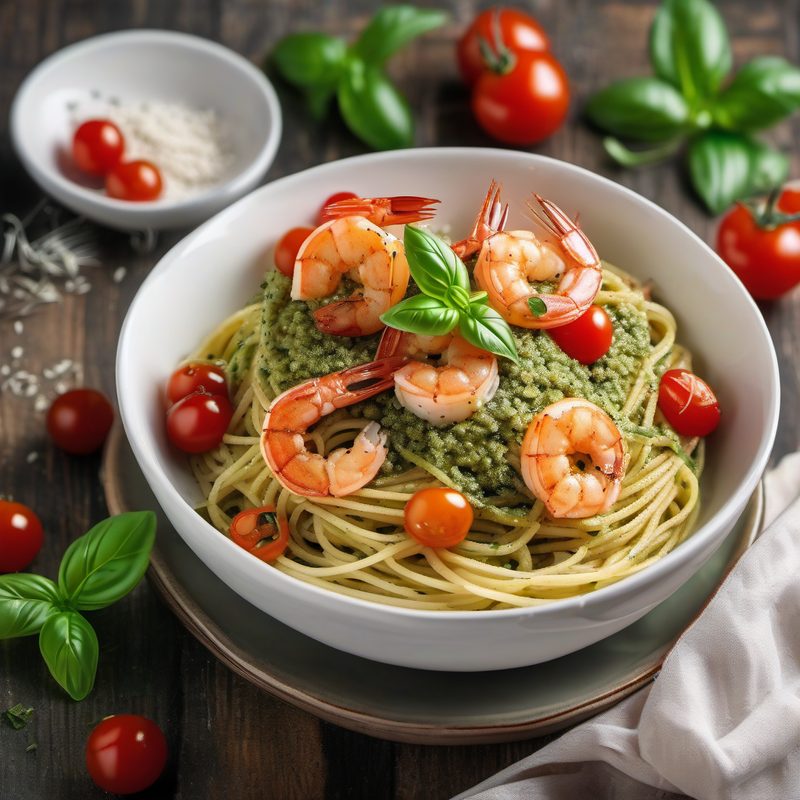
Photo reference: `vol1_196.png` — A rustic, wide-rimmed ceramic bowl filled with thick, hand-rolled pici strands glistening with a creamy, pale-golden Pecorino sauce. Coarsely cracked black pepper is scattered generously over the top, with some visible in the creamy folds of the sauce. A final shower of finely grated Pecorino Romano sits like fresh snow on the pasta. Steam rises gently from the bowl. Warmed shallow bowls in the background. Soft, warm natural daylight from the upper left. Set on a rustic wooden Tuscan table with a linen napkin, a small mortar and pestle with remaining cracked peppercorns, and a wedge of Pecorino Romano on a wooden board. Simple, elegant, and deeply inviting—the kind of image that makes you want to roll up your sleeves and twirl.
Recipe from "The Italian Kitchen" by Vita Milanese — Volume 1: Pasta Perfetto
Recipe from The Italian Kitchen by Vita Milanese — Volume 1 · Pasta Perfetto. Discover all volumes on the ebook page.