Pici Breadcrumbs
Thick, hand-rolled strands of homemade Tuscan pasta tangled with crunchy, garlic-and-chili-fried breadcrumbs—a rustic, utterly addictive dish that transforms humble stale bread into the star of the show. The pici are chewy and satisfying, the crumbs are golden and crackly, and a whisper of fresh chili and parsley keeps everything bright. This is peasant cooking at its finest: simple ingredients, patient hands, and a payoff that far exceeds the effort.
| Amount | Ingredient |
|---|---|
| 7 oz (200 g) | Stale Tuscan bread or country loaf, crust removed, soft crumb only |
| ⅓ cup (80 ml) | Extra-virgin olive oil, plus more for finishing |
| 2 | Garlic cloves, thinly sliced |
| ½ | Fresh red chili (such as Fresno or bird's eye), thinly sliced, plus more for garnish |
| ¼ cup | Fresh flat-leaf parsley, finely chopped |
| Kosher salt |
There is a reason Tuscan grandmothers have been making pici for centuries—and it's not because they had pasta machines. Pici are the original handmade pasta: irregular, charmingly thick strands that require nothing more than flour, water, a bit of oil, and two practiced palms. They have a delightfully chewy, almost al dente bite that no dried pasta can replicate, and they're remarkably forgiving to make at home. The breadcrumb topping (briciole) is the real revelation: stale Tuscan breadcrumb, fried in olive oil infused with garlic and chili until it turns into golden, crunchy nuggets that cling to the pasta like savory little jewels. The contrast between the tender, toothsome noodles and the crispy, aromatic crumbs is pure textural magic. It is the kind of dish that costs pennies to make but tastes like a million lire, and once you've made pici from scratch, you will never look at a box of spaghetti the same way again.
For the Pici Dough
For the Breadcrumb Topping and Assembly
Use level tablespoons and standard US measuring cups. The dough is very forgiving—add warm water gradually and adjust as needed. A kitchen scale is highly recommended for the flours.
Equipment
- Large mixing bowl or clean work surface (for kneading)
- Plastic wrap
- Semolina-dusted baking sheet or tray
- Rolling pin (optional, mostly hands)
- Chef's knife and cutting board
- Large skillet or sauté pan (12-inch / 30 cm)
- Large pot (6 qt / 6 L) for pasta
- Spider skimmer or slotted spoon
- Kitchen towel or paper towels
- Microplane or fine grater
Preparation
Step 1 — Make the Pici Dough (15 minutes + 30 minutes resting)
Combine the dry ingredients: On a clean work surface or in a large bowl, whisk together the all-purpose flour and fine semolina flour. If working on a surface, mound the flour mixture and create a wide well in the center.
Add the wet ingredients: Pour the warm water, olive oil, and fine sea salt into the well. Using a fork or your fingertips, gradually draw the flour from the inner walls of the well into the liquid, working in small additions until a shaggy dough forms.
Knead: Once the dough comes together, begin kneading with the heel of your hand, pushing the dough away from you, folding it back, and repeating. Knead for a full 8 to 10 minutes until the dough is smooth, supple, and elastic—it should spring back when lightly pressed with a finger. If the dough feels too dry and crumbly, add warm water 1 tablespoon at a time. If it feels sticky, dust with a bit more semolina flour.
Rest: Form the dough into a ball, wrap tightly in plastic wrap, and let rest at room temperature for 30 minutes. This rest relaxes the gluten, making the rolling step much easier. The dough can be made a day ahead and refrigerated; bring to room temperature for 30 minutes before rolling.
Step 2 — Roll the Pici (15 minutes)
Prepare a tray: Dust a large baking sheet or tray generously with semolina flour—the pici will rest here and should not stick.
Divide the dough: Unwrap the rested dough and cut it into 8 to 10 equal pieces. Keep the pieces you're not working with covered with a clean kitchen towel so they don't dry out.
Roll each piece into a strand: Working with one piece at a time, place it on a clean, unfloured surface. Using your palms, roll the dough back and forth, starting from the center and moving outward, into a long, thin rope about ⅛ inch (3–4 mm) thick—roughly the thickness of a thick spaghetti or thin pencil. The strands should be slightly uneven; that is the charm of hand-rolled pici. Don't worry about perfection—irregular strands have a more interesting texture and hold the breadcrumbs better.
Transfer to tray: Coil each strand loosely onto the semolina-dusted tray, or lay it flat dusted with more semolina. Repeat with the remaining dough pieces. Cover loosely with a kitchen towel and set aside while you prepare the topping.
If the strands spring back as you roll, let the dough rest for 2 to 3 minutes before trying again—the gluten needs a moment to relax.
Step 3 — Prepare the Breadcrumbs (10 minutes)
Prepare the bread: Cut the crust off the stale bread and discard (or save for another use—it makes excellent panzanella). Tear the soft crumb into small, irregular pieces about ½ inch (1 cm) across. You should have about 2 cups of crumbs. Do not use a food processor or box grater—you want craggy, irregular pieces, not fine powder. The texture of hand-torn crumbs is essential for the signature crunch.
Slice the aromatics: Thinly slice the garlic cloves crosswise into delicate rounds. Thinly slice the fresh chili into rings. Set both aside.
Step 4 — Toast the Breadcrumbs in Flavored Oil (8 minutes)
Infuse the oil: Set a large skillet over medium heat. Add the ⅓ cup of olive oil and let it warm until shimmering but not smoking, about 1 minute. Add the sliced garlic and sliced chili and cook, swirling the pan, until the garlic is fragrant and just beginning to turn golden at the edges, 2 to 3 minutes. Watch carefully—garlic can go from golden to bitter in seconds.
Remove the aromatics: Using a slotted spoon, remove the garlic and chili from the oil and set them aside on a small plate. They have done their job—infusing the oil—and would burn if left in during the longer toasting of the breadcrumbs.
Toast the breadcrumbs: Add the hand-torn breadcrumbs to the hot oil in an even layer. Season with ¼ teaspoon kosher salt. Cook, stirring frequently, until the crumbs are deeply golden and crisp throughout, 5 to 6 minutes. The crumbs should be crunchy, not chewy—if they taste soft in the center, keep toasting. Remove the skillet from the heat and set aside.
Step 5 — Cook the Pici (6 to 8 minutes)
Boil the water: While the breadcrumbs toast, bring a large pot of generously salted water (about 1½ tablespoons kosher salt per 4 quarts of water) to a rolling boil over high heat.
Cook the pici: Add the pici to the boiling water, giving them a gentle stir to prevent sticking. Cook for 6 to 8 minutes—fresh pici cook faster than dried pasta. They are done when they float to the surface and are tender but still pleasantly al dente with a slight resistance in the center. Because pici are thicker than most pasta, the best test is to bite one—there should be no raw flour taste, but a clear chew.
Reserve pasta water: Before draining, scoop out 1 cup of the starchy pasta cooking water and set it aside.
Step 6 — Toss and Serve (2 minutes)
Prepare the breadcrumb pan: Return the skillet with the toasted breadcrumbs to low heat. Ladle ¼ cup of the reserved pasta water directly over the breadcrumbs and stir—this creates a little steam that softens the crumbs just enough to adhere to the pasta without making them soggy.
Add the pasta: Using a spider skimmer or slotted spoon, transfer the cooked pici directly from the pasta pot into the skillet with the breadcrumbs. (Alternatively, drain the pici in a colander and add them to the skillet—just don't rinse.)
Toss to combine: Increase the heat to medium. Toss the pici and breadcrumbs together vigorously for about 1 minute, until the pasta is well coated and the liquid has been absorbed. The crumbs should cling to the strands, with some falling into the crevices between them. The pasta should look glossy, not dry—if it seems dry, add another tablespoon of pasta water and toss.
Finish and serve: Remove from the heat. Drizzle with a finishing splash of good extra-virgin olive oil, scatter the reserved garlic and chili slices back over the top, and sprinkle with chopped parsley. Serve immediately in warmed shallow bowls, with extra fresh chili and parsley on the side.
This dish waits for absolutely no one—the breadcrumbs lose their crunch as they sit, and the pici continue to absorb moisture. Serve the moment the tossing is done.
Chef's Tips
- 00 flour vs. all-purpose: Italian 00 flour is milled finer than standard all-purpose and produces a more supple, tender dough. If you can find it (many well-stocked supermarkets and Italian grocers carry it), use it for the all-purpose portion. If not, standard all-purpose flour works perfectly well—add an extra tablespoon of water if the dough feels tight.
- The bread matters: Use a genuinely stale, crusty country loaf (Tuscan bread is ideal because it has no salt, but any good-quality rustic loaf works). Fresh bread will turn into paste in the oil; day-old bread that is still a little soft may not get properly crunchy. Bread that is 2 to 3 days old and starting to firm up is perfect.
- Hand-tear the crumbs: A food processor produces uniform crumbs that toast too evenly and lack texture. Hand-tearing creates craggy, irregular pieces—some smaller, some larger—that give you a mix of fine crunch and satisfying big crispy bits in each bite.
- Don't skip the dough resting time: The 30-minute rest is not optional—it relaxes the gluten so the dough rolls into long strands without snapping back. Rested dough is a joy to work with; un-rested dough is a fight.
- Semolina is your friend for dusting: Coarse semolina is not the same as fine semolina (semola rimacinata). Use fine semolina for the dough and for dusting the tray. Coarse semolina can be used for dusting but it stays gritty—fine semolina creates a smoother surface.
- Cook pici in batches if needed: Fresh pici can stick to each other if overcrowded in the pot. Cook them in two batches (half the pici, then the other half) if your pot is on the smaller side. Keep the first batch warm by tossing with a little of the breadcrumb oil while the second batch cooks.
- Pici are forgiving on shape: Don't stress about perfectly even strands. Thicker sections cook up chewier, thinner sections are more tender—this textural variety is part of the charm. The only non-negotiable: they should be thicker than spaghetti.
Common Mistakes
| Mistake | Why It Hurts | The Fix |
|---|---|---|
| Using a food processor for the breadcrumbs | Fine, uniform crumbs toast into hard little pebbles that don't cling to the pasta | Always tear bread by hand into irregular ½-inch pieces |
| Using fresh or day-old bread | Fresh bread absorbs oil like a sponge and turns greasy and soft instead of crispy | Use bread that is 2 to 3 days old—stale and firm to the touch |
| Overkneading the dough | The pici become tough and rubbery rather than tender and chewy | Knead for 8 to 10 minutes maximum—stop when the dough is smooth and springy |
| Adding the pasta water to dry crumbs all at once | The crumbs get soggy and never recover their crunch | Add just ¼ cup to start, toss, and add more only if the pasta looks dry |
| Overcooking the pici | Fresh pasta cooks quickly—extra time turns it into mushy, bloated strands | Start checking at 6 minutes; pici should be al dente with a visible chew |
| Leaving the garlic and chili in the oil while toasting crumbs | They burn and turn bitter, ruining the flavor of the entire dish | Remove them with a slotted spoon as soon as they are golden |
Variations
| Variation | How To |
|---|---|
| Pici in Bianco (White Pici) | Omit the chili for a milder, family-friendly version. Add a generous grinding of black pepper instead. The garlic-infused breadcrumbs are still deeply flavorful without the heat. |
| With Anchovy and Capers | Add 4 anchovy fillets and 1 tablespoon of rinsed capers to the oil along with the garlic. The anchovies dissolve into the oil, creating a briny, umami-packed base that intensifies the breadcrumb flavor. Omit the chili, or use half. |
| Herb-Crumb Pici | Add 1 tablespoon each of finely chopped fresh rosemary and sage to the oil along with the garlic. The woodsy herbs perfume the crumbs beautifully and pair especially well with the semolina in the pasta. |
| Pici with Sausage and Breadcrumbs | Brown 8 oz (225 g) of crumbled Italian sausage in a separate skillet, then add it to the finished pasta along with the breadcrumbs. The savory sausage and crunchy crumbs are a match made in Tuscany. |
| Lemony Breadcrumb Pici | Add the finely grated zest of 1 lemon to the breadcrumbs during the last minute of toasting. Finish the dish with a squeeze of lemon juice and extra parsley. The bright citrus cuts through the richness and makes the dish feel lighter. |
| Vegan | This dish is already vegan as written (no dairy, no eggs in the pasta). Just verify your bread is vegan (some commercial loaves contain milk or butter). |
| Gluten-Free Pici | Substitute the flours with a 1:1 gluten-free all-purpose flour blend plus ⅓ cup (50 g) of fine white rice flour for the semolina. The dough will be more delicate—roll gently. Use gluten-free bread for the crumbs. |
Storage & Leftovers
| Method | Details |
|---|---|
| Refrigerator | Store in an airtight container for up to 2 days. The breadcrumbs will lose most of their crunch as they absorb moisture from the pasta. |
| Reheating | Reheat in a skillet over medium heat with a splash of water, tossing until just warmed through (2 to 3 minutes). To revive the crunch, sprinkle a handful of fresh breadcrumbs toasted separately in olive oil over the reheated pasta just before serving. |
| Freezing (pici only) | Uncooked pici freeze beautifully. Arrange them in a single layer on a semolina-dusted baking sheet and freeze until solid (about 1 hour). Transfer to a zip-top freezer bag. Cook directly from frozen—add 1 to 2 minutes to the cooking time. |
| Freezing (cooked dish) | Not recommended—the breadcrumbs become soft and the pici turn mushy upon thawing. |
| Reviving day-old pici | Toss leftovers with 1 tablespoon of olive oil in a skillet over medium heat. Squeeze fresh lemon juice over the top—the acidity brightens the flavor and cuts through any oiliness from reheating. |
Wine Pairing
| Wine | Why |
|---|---|
| Vernaccia di San Gimignano (Tuscany) | The quintessential Tuscan white—crisp, mineral-driven, with green apple and almond notes. Its bright acidity cuts through the olive oil and breadcrumbs, while the almond finish echoes the toasted crumb flavor. A perfect, place-based pairing that feels like a terrace in San Gimignano. |
| Chianti Classico (Tuscany) | Sangiovese's signature cherry, violet, and leather notes, with brisk acidity that stands up to the garlic and chili. The moderate tannins are soft enough not to clash with the breadcrumb texture, while the herbal undertones resonate with the parsley. Serve slightly cool (60–65°F / 15–18°C). |
| Morellino di Scansano | A ripe, approachable Sangiovese from coastal Tuscany with darker fruit and a touch of spice. The generous fruit and soft tannins wrap around the chewy pici and crunchy crumbs without overwhelming either texture. |
| Trebbiano d'Abruzzo | A simple, no-oak white with high acidity, citrus notes, and a clean finish. Its straightforward, food-friendly profile lets the flavor of the pici and breadcrumbs take center stage without competing. Perfect for a casual weeknight. |
| Franciacorta Brut (Lombardy) | The bubbles and bracing acidity act as a palate cleanser between bites, making each mouthful of the crunchy, oily pasta taste as fresh as the first. A surprising but brilliant pairing for a rustic dish—the contrast between peasant food and sparkling wine is unexpectedly delightful. |
| Tuscan Rosé (Bolgheri Rosato) | Dry, crisp, and pale salmon-pink with red berry, citrus, and herb notes. The chill and brightness provide a refreshing counterpoint to the rich, oily breadcrumbs, with enough structure to stand up to the chili and garlic. Perfect for summer. |
Suggested Side Dishes
- Arugula and shaved Parmigiano salad with lemon vinaigrette — Peppery arugula tossed with lemon juice, good olive oil, flaky salt, and thin shavings of Parmigiano-Reggiano. The sharp, bright greens cut through the rich, oily breadcrumbs and provide a crisp, fresh contrast to the chewy pasta
- White bean salad with sage and olive oil — Cannellini beans dressed with olive oil, fresh sage, garlic, and a splash of red wine vinegar. The creamy, mild beans are a classic Tuscan companion to breadcrumb-topped pastas and echo the rustic, cucina povera spirit of the main dish
- Crusty sourdough or ciabatta — For sopping up any loose breadcrumbs and oil left in the bottom of the bowl. Serve with a small dish of good extra-virgin olive oil and flaky salt for dipping
- Grilled zucchini with mint and lemon — Thick slices of zucchini grilled or griddled until charred, then dressed with fresh mint, lemon zest, and olive oil. The smoky-sweet vegetable and bright mint provide a lovely counterpoint to the garlicky, crunchy pasta
- Fennel and orange salad — Thinly sliced raw fennel bulb tossed with supremed orange segments, red onion, extra-virgin olive oil, flaky salt, and black olives. Crisp, bright, and refreshing—the citrus and licorice notes cleanse the palate between bites of the rich pasta
- Tomato and basil salad (insalata caprese without the mozzarella) — Ripe summer tomatoes sliced and dressed with olive oil, balsamic vinegar, flaky salt, and fresh basil. The juicy, acidic tomatoes provide a bright, fresh contrast to the crunchy, oil-rich breadcrumb topping
Nutrition (per serving)
| Calories | Protein | Fat | Carbs | Fiber |
|---|---|---|---|---|
| ~560 | 12 g | 24 g | 74 g | 4 g |
Nutritional values are estimates based on 4 servings with the specified quantities of flour, semolina, olive oil, and bread. Actual values will vary based on the specific bread used, the amount of olive oil absorbed during toasting, and the type of chili. The dish is naturally vegan (no eggs, no dairy) and provides complex carbohydrates from the semolina and whole-grain bread. The primary fat source is extra-virgin olive oil, which is rich in heart-healthy monounsaturated fats and polyphenols. To reduce calories, use ¼ cup (60 ml) of olive oil for the breadcrumbs instead of ⅓ cup—the crumbs will still be golden, just slightly less rich. This dish is also a good source of iron from the semolina flour. It is a high-carb, moderate-fat meal ideal as a main course for lunch or a hearty dinner. To increase protein, serve alongside the white bean salad suggested above.
Frequently Asked Questions
Can I make the pici dough ahead of time?
Yes—the wrapped dough can be refrigerated for up to 24 hours. Bring it to room temperature (about 30 minutes on the counter) before rolling. The dough can also be frozen for up to 1 month; thaw overnight in the refrigerator, then bring to room temperature.
I can't find 00 flour. What should I use?
Standard all-purpose flour works perfectly. The texture will be very slightly less tender, but the difference is subtle. Use the same quantity (350 g / 2½ cups) and add an extra tablespoon of warm water if the dough feels dry. King Arthur all-purpose flour is a great substitute.
What if I don't have semolina?
You can use all-purpose flour for the entire 520 g (about 3¾ cups total). Omit the semolina entirely. The pici will be slightly less firm and may be a bit stickier to roll—dust your hands and the work surface lightly with all-purpose flour as you work. The texture will still be excellent.
Do I have to make the pasta from scratch?
No—you can substitute 1 lb (450 g) of good-quality dried pasta. Use thick spaghetti, bucatini, or perciatelli for the closest approximation to pici. Cook according to package directions until al dente. The charm of this dish is the hand-rolled pasta, so if you use dried, you'll be missing that signature uneven, chewy texture—but it will still be delicious.
My pici kept shrinking back as I rolled them. What went wrong?
The gluten was too tight—the dough needed a longer rest. Cover the pieces you're trying to roll and let them sit for another 10 minutes before trying again. Gluten relaxes over time, and the second attempt will go much more smoothly.
The breadcrumbs burned before they were crisp. What happened?
Your heat was too high. Breadcrumbs toast quickly once the oil is hot—keep the heat at medium and stir constantly. If they are browning too fast, reduce the heat to medium-low immediately. The crumbs should be toasting, not frying, so they dry out gradually and become crispy without charring.
Can I use panko breadcrumbs instead of homemade?
You can, but the dish will be different. Panko are too uniform and too fine—they toast into hard, dense bits rather than light, craggy, irregular pieces with a mix of textures. If you must use panko, toast them in the flavored oil for only 2 to 3 minutes, stirring constantly, and remove them the moment they turn golden. They will not have the same rustic charm or textural complexity of hand-torn bread.
What is the best chili to use?
Fresh Fresno or red jalapeño chilies are perfect—they have bright, clean heat without being overwhelming. Red bird's eye chilies are hotter; use half of one if that's what you have. For a milder dish, remove the seeds and membranes. For a spicier dish, use the whole chili with seeds intact. Dried red pepper flakes (½ teaspoon) can be substituted in a pinch, but fresh chili gives a brighter, fruitier flavor that is worth seeking out.
Is this dish gluten-free as written?
No—both the all-purpose flour and semolina contain gluten. For a gluten-free version, use a 1:1 gluten-free all-purpose flour blend (such as King Arthur Measure for Measure) plus ⅓ cup (50 g) of fine white rice flour to replace the semolina. The dough will be more delicate; roll gently. The breadcrumbs should come from gluten-free bread.
Can I double the recipe?
Yes, but work in batches for the rolling step—rolling 16 portions of pici takes time, and the dough can dry out if left uncovered. Keep unused dough wrapped. For the breadcrumbs, use the largest skillet you have (a 14-inch if possible) to toast them in a single layer. If your skillet is 12 inches, toast the crumbs in two batches to ensure even browning.
Related Recipes
- Spaghetti Aglio e Olio (Spaghetti with Garlic and Oil) (page 3)
- Pasta Cacio e Pepe (Pasta with Cheese and Black Pepper) (page 7)
- Penne all'Arrabbiata (Spicy Tomato Penne with Garlic and Red Pepper) (page 19)
- Spaghetti with Sardines, Fennel, and Breadcrumbs (page 41)
- Orecchiette with Broccoli Rabe and Sausage (page 52)
- Handmade Pappardelle with Mushroom Ragù (page 67)
- Gragnano Spaghetti with Lemon, Capers, and Toasted Garlic Breadcrumbs (page 88)
Search Tags
Photo Reference
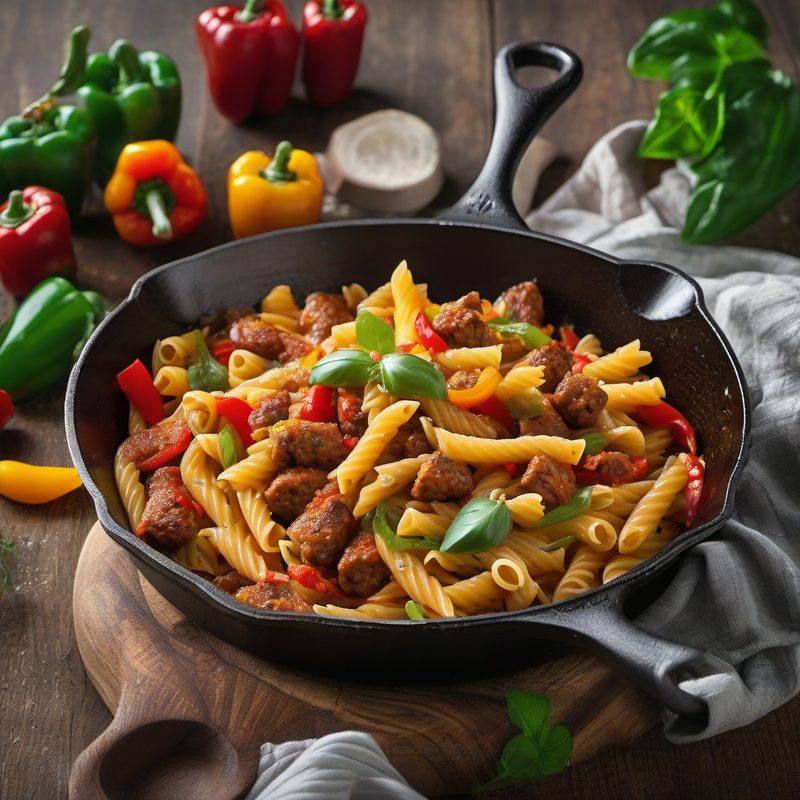
Photo reference: `vol1_113.png` — An overhead shot of a rustic, wide-rimmed terra-cotta bowl filled with thick, hand-rolled pici strands tangled with irregular golden-brown breadcrumb pieces. The breadcrumbs cling to the pasta in craggy clusters, with some loose crumbs scattered across the bottom of the bowl. Thin slices of garlic and red chili are visible throughout. A light drizzle of deep green extra-virgin olive oil glistens over the top, with a sprinkle of fresh chopped parsley for color. Warm, soft natural daylight from the upper left. Set on a rustic wooden Tuscan farmhouse table with a rough linen napkin, a small salt cellar, and a glass of pale Vernaccia di San Gimignano in the background. Rustic, homey, inviting—the kind of dish that makes you want to pull up a chair and eat with your hands.
Recipe from "The Italian Kitchen" by Vita Milanese — Volume 1: Pasta Perfetto
Recipe from The Italian Kitchen by Vita Milanese — Volume 1 · Pasta Perfetto. Discover all volumes on the ebook page.