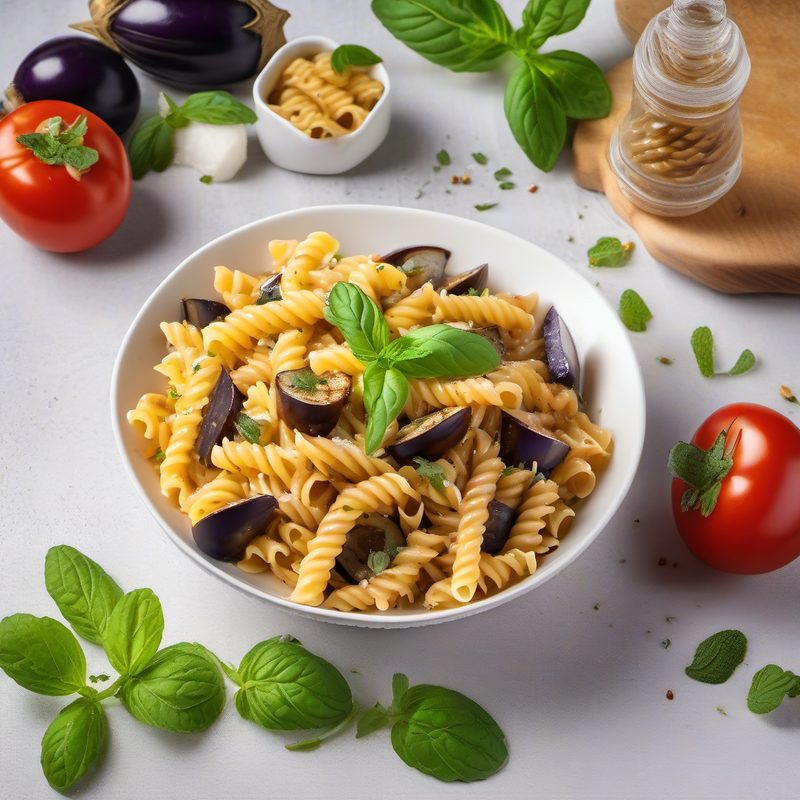
Fusilli Isolana
| Amount | Ingredient |
|---|---|
| Fusilli | 350 g (12 oz) Bronze-die extruded preferred; ridges hold sauce better |
| Cherry tomatoes | 200 g (7 oz) Datterini or sweet cherry; about 1 heaping cup |
| Pecorino Romano | 100 g (3½ oz) Grated finely; use genuine Pecorino Romano DOP |
| Garlic | 2 cloves Thinly sliced or minced |
| Fresh red chili (peperoncino) | 1 small Seeded if less heat desired; or ½ tsp red pepper flakes |
| Extra-virgin olive oil | 4 tbsp (60 ml) Good quality Sicilian oil ideal |
| Fresh basil leaves | Handful (≈10) Torn; plus more for garnish |
| Salt | To taste For pasta water and final seasoning |
| Black pepper | To taste Freshly ground |
Island-Style Fusilli with Cherry Tomatoes and Pecorino
Category: Primi Piatti | Cucina Siciliana
Serves: 4
Active Time: 20 minutes
Total Time: 30 minutes
Difficulty: Easy
Why This Recipe Works
Fusilli alla isolana — "island-style fusilli" — is a triumph of pantry-driven Italian cooking that delivers a luxuriously creamy sauce without a drop of cream. The secret is a technique beloved across Sicily: starchy pasta water + sharp, finely grated Pecorino Romano, emulsified with good olive oil and the bursting juices of cherry tomatoes. The spiral shape of fusilli is no accident — its crevices trap the sauce, ensuring each bite carries the full briny-savory punch of pecorino balanced by sweet-tart tomato and the gentle warmth of chili. With just seven ingredients, this dish proves that restraint, not abundance, is the soul of great cooking.
Before You Begin
- Grate the Pecorino finely — pre-shredded cheese contains anti-caking agents that prevent smooth emulsification. Grate it yourself on the small holes of a box grater or use a Microplane for a powder-like consistency.
- Reserve extra pasta water — the ratio of starchy water to cheese is the critical variable. Measure out 1½ cups (360 ml) before draining, even if you only use a portion. Cold pasta water won't emulsify; keep it warm.
- Work off heat — the pecorino is added after the pan is removed from the burner. Residual heat is enough to melt the cheese; direct heat will cause it to seize into clumps.
- Halve tomatoes evenly — cherry tomatoes should be cut through the equator, not the stem end, so they release their juices evenly when sautéed.
- Timing is everything — have the sauce ready the moment the pasta reaches al dente. Fusilli waits for no one.
Ingredients
Equipment
- Large pot (5–6 qt) for pasta
- Large skillet or sauté pan (12-inch)
- Box grater or Microplane
- Ladle or heatproof measuring cup (for pasta water)
- Tongs or pasta fork
- Wooden spoon or spatula
Instructions
1. Bring a large pot of water to a rolling boil. Season generously with salt — it should taste like the sea. A good rule: 1 tablespoon kosher salt per 4 quarts (4 L) of water.
2. While the water heats, prepare the aromatics. Thinly slice the garlic cloves. If using a fresh chili, slice it into thin rings (remove seeds for milder heat). Halve the cherry tomatoes through the equator. Finely grate the Pecorino Romano and set aside. Tear the basil leaves.
3. Cook the pasta. Add fusilli to the boiling water and cook until al dente, according to package directions (typically 10–12 minutes). Stir occasionally to prevent sticking. Before draining, reserve at least 1½ cups (360 ml) of the starchy pasta water.
4. Build the sauce base. While the pasta cooks, heat 4 tablespoons olive oil in a large skillet over medium heat. Add the sliced garlic and chili. Sauté for 45–60 seconds until the garlic is fragrant and just beginning to turn golden at the edges — do not let it brown or burn. Add the halved cherry tomatoes and a pinch of salt. Cook for 3–4 minutes, stirring occasionally, until the tomatoes soften and begin to burst and release their juices. Use the back of a wooden spoon to gently crush any stubborn tomatoes.
5. Drain and transfer the pasta. Drain the fusilli (reserve the water!) and add the pasta directly to the skillet with the tomatoes. Toss well with tongs to coat every spiral with the tomato-oil mixture.
6. Create the creamy emulsion. Remove the skillet from the heat completely. Add the grated Pecorino Romano in three additions, tossing vigorously between each. After each addition, add a splash of the reserved hot pasta water (about 2–3 tablespoons per addition) and toss — the starch in the water binds with the cheese and oil to form a silky, creamy sauce that clings to the fusilli. You should use roughly ½ to ¾ cup (120–180 ml) total pasta water. Adjust as needed: the sauce should coat each piece of pasta without pooling at the bottom of the pan.
7. Finish and serve. Add the torn basil and a generous grind of black pepper. Toss once more, then divide among warm bowls. Garnish with additional basil leaves and, if desired, a final dusting of grated Pecorino. Serve immediately — this dish waits for no one.
Troubleshooting & Pro Tips
- "My sauce turned grainy, not creamy." You likely added the cheese over direct heat, causing the proteins to tighten and clump. Always pull the pan off the burner first, and use hot (not boiling) pasta water to encourage smooth emulsification.
- "The sauce is too thin." Add more grated pecorino — the cheese acts as both flavor and thickener. Conversely, if too thick, add another splash of pasta water.
- "The tomatoes didn't burst." Choose fully ripe, in-season cherry tomatoes. If they're underripe, cut a small slit in each before cooking, or give them an extra minute in the pan with a lid to trap steam.
- "Can I use a different pasta shape?" Absolutely. Casarecce, trofie, gemelli, or orecchiette all work well. Avoid long noodles — the sauce is designed for shapes that trap it.
- "My garlic burned." Garlic browns quickly. Keep the heat at medium, not medium-high, and add the tomatoes promptly once the garlic is fragrant.
Variations
Fusilli alla Isolana con Melanzane (with Eggplant): Add 150 g (5 oz) diced eggplant, salted and patted dry, to the skillet after the garlic. Sauté until golden and tender (about 5 minutes) before adding tomatoes. A classic Sicilian addition that adds earthy depth.
Fusilli alla Isolana con Alici (with Anchovies): Add 4–6 oil-packed anchovy fillets to the garlic and chili. Sauté until they dissolve into the oil — this adds umami without fishiness. Omit salt; anchovies are plenty salty.
Fusilli alla Isolana con Pane Grattato (with Toasted Breadcrumbs): Toast ¼ cup fresh breadcrumbs in 1 tablespoon olive oil until golden. Sprinkle over finished dish for a textural contrast (a nod to Sicilian pasta c'anciova e muddica).
Pomodoro e Ricotta Salata: Substitute Pecorino Romano with 100 g ricotta salata (grated) for a milder, less salty finish. Add a squeeze of lemon juice to brighten.
Vegan Adaptation: Replace Pecorino Romano with a blend of 50 g nutritional yeast + 2 tablespoons raw cashew butter, thinned with pasta water. Use a high-quality olive oil to compensate for the missing fat.
Science of the Sauce: Why No Cream Works
The creamy mouthfeel of fusilli alla isolana comes from a fundamental emulsification: fat (olive oil and cheese) suspended in water (pasta cooking water), stabilized by starch. Pecorino Romano is a hard, aged cheese with low moisture content and tightly packed proteins. When grated and agitated with hot starchy water, the casein proteins and fat droplets disperse into a stable emulsion — the same principle behind a classic cacio e pepe or carbonara. The starch from the pasta water (primarily amylose and amylopectin released from the wheat) prevents the fat from separating, creating a sauce that coats each spiral of fusilli like velvet. No cream, no butter, no roux — just chemistry and technique.
Regional Notes: La Cucina Povera della Sicilia
Fusilli alla isolana embodies cucina povera — the "poor kitchen" of Southern Italy — where resourceful cooks transformed humble ingredients into dishes of extraordinary flavor. Sicily, at the crossroads of the Mediterranean, inherited pasta traditions from the Arabs (who introduced durum wheat to the island in the 9th century) and cheese-making from the Greeks. Pecorino Romano, one of the oldest documented cheeses (mentioned by Pliny the Elder in the 1st century AD), was originally a Roman invention but became central to Sicilian cooking through the island's extensive sheep-farming tradition. The name isolana means "islander's style" — a celebration of what grows and grazes on the island, prepared without pretension or imported luxuries.
Wine Pairing
White: Etna Bianco — minerally, citrusy Carricante from the slopes of Mount Etna cuts through the richness of the pecorino.
Red (light): Nerello Mascalese — earthy, red-fruited Sicilian native; serve slightly chilled.
Rosé: Cerasuolo di Vittoria Classico — Sicily's only DOCG rosé; bright cherry and floral notes mirror the cherry tomatoes.
Non-alcoholic: Sparkling water with a squeeze of lemon and a basil leaf — the acidity and effervescence refresh the palate between bites.
Storage & Reheating
- Refrigerate: Store in an airtight container for up to 3 days.
- Reheat: The creamy sauce will tighten when chilled. To restore: reheat gently in a skillet over medium-low heat with a splash of water or pasta water, tossing frequently until the emulsion reforms. Do not microwave — it will break the sauce and make the fusilli rubbery.
- Freeze: Not recommended. The emulsion is unstable after thawing; cheesy sauces tend to separate and become grainy.
Make-Ahead Strategy
This dish is best made fresh, but you can prep components in advance:
- Garlic and chili can be sliced and refrigerated in olive oil up to 2 days ahead.
- Cherry tomatoes can be halved up to 6 hours ahead; keep at room temperature.
- Pecorino can be grated up to 2 days ahead; store in an airtight container in the refrigerator. Bring to room temperature before using for smoother incorporation.
- Pasta water cannot be saved; you must cook the pasta fresh to obtain starchy water. However, you can boil pasta in advance, toss with a drizzle of olive oil, and reheat in boiling water for 30 seconds before finishing — but fresh-cooked is superior.
Nutritional Information (per serving)
| Component | Value |
|---|---|
| Calories | ~520 kcal |
| Protein | 18 g |
| Fat | 22 g |
| Saturated Fat | 7 g |
| Carbohydrates | 62 g |
| Fiber | 3 g |
| Sugar | 4 g |
| Sodium | 680 mg |
Based on 4 servings using ingredients as specified. Values are approximate and may vary based on specific brands and measurements.
Visual Guide
Step-by-step flow:
- Prep: Halve cherry tomatoes, slice garlic, slice chili, grate pecorino, tear basil.
- Boil: Salted water → fusilli → al dente (reserve pasta water).
- Sauté: Olive oil + garlic + chili (45–60 sec) → add tomatoes (3–4 min, crush to burst).
- Combine: Add drained fusilli to skillet → toss.
- Emulsify: Remove from heat → add pecorino in 3 batches + splashes of hot pasta water → toss vigorously.
- Finish: Basil, black pepper → serve immediately.
Texture check: Drag a spoon through the pan — the sauce should cling to the pasta and the spoon should leave a clean trail. If the sauce runs back immediately, it needs more cheese or less water. If it clumps, add another tablespoon of pasta water and toss.
"La cucina povera non è povertà di ingredienti, ma ricchezza di ingegno."
— "The poor kitchen is not a poverty of ingredients, but a wealth of ingenuity."
(Sicilian proverb)
Recipe from The Italian Kitchen by Vita Milanese — Volume 1 · Pasta Perfetto. Discover all volumes on the ebook page.