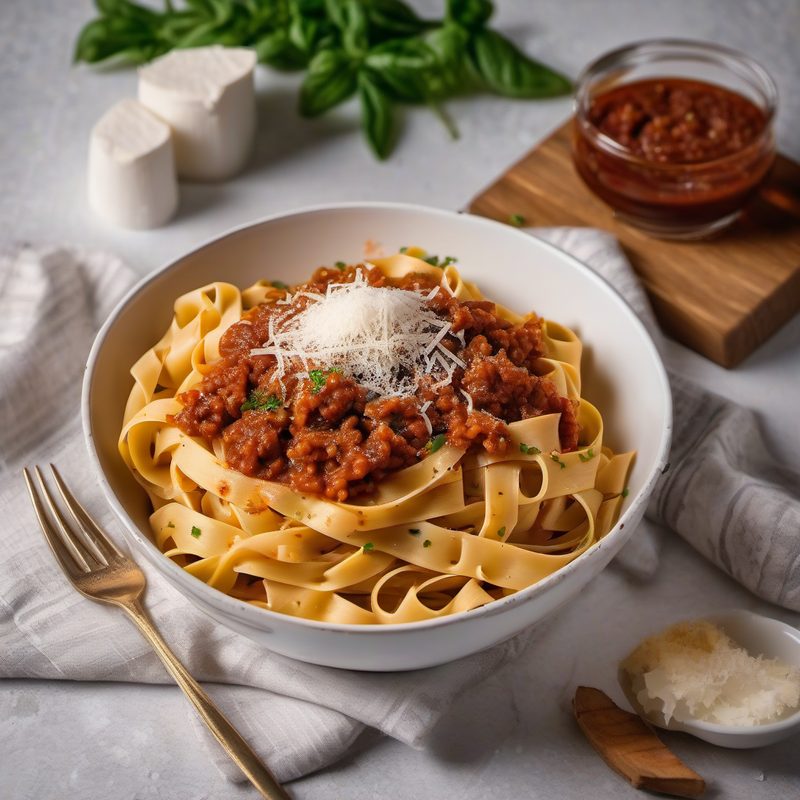
Swiss Four Cheese Pasta
Category: Primi piatti (First Courses)
Servings: 4
Active Time: 15 minutes
Total Time: 25 minutes
Why This Recipe Works
Pasta ai quattro formaggi is Italy's indulgent tribute to cheese, but this version trades the usual Italian quartet (Gorgonzola, Taleggio, Fontina, Parmigiano) for an Alpine quartet from Switzerland. Gruyère brings nutty depth and superior meltability; Emmental contributes a mild, fruity sweetness; Appenzeller adds a distinctive herbal-tangy punch; and Tilsiter rounds things out with a pleasantly sharp, slightly spicy finish. Together they create a sauce that's luxuriously creamy without being gluey — no roux, no flour, just cream and cheese handled with care. The key is adding the grated cheeses off the heat or at the barest simmer, stirring gently until each batch is fully incorporated before adding the next. This prevents the proteins from seizing and gives you a satin-smooth sauce that clings to every nook and cranny of short pasta like farfalle, gemelli, or cavatappi.
- 350 g (12 oz) short pasta (farfalle, gemelli, cavatappi, or penne rigate)
- 200 g (7 oz) mixed Swiss cheeses, preferably a combination of:
- Gruyère (50 g / 1¾ oz)
- Emmental (50 g / 1¾ oz)
- Appenzeller (50 g / 1¾ oz)
- Tilsiter (50 g / 1¾ oz)
- 2 dl (¾ cup + 2 tbsp / 200 ml) heavy cream
- ½ tsp fine sea salt, plus more for pasta water
- ¼ tsp freshly ground black pepper
- ⅛ tsp freshly grated nutmeg
- 30 g (¼ cup) additional grated cheese (any combination of the four) for serving
Equipment
- Large pot (5–6 qt / 5–6 L) for pasta
- Box grater or Microplane
- Medium saucepan (2–3 qt / 2–3 L)
- Wooden spoon or silicone spatula
- Colander
- Serving bowl or individual plates
Key Techniques
- Gentle melting: Cheese is added to warm (not boiling) cream off the heat or over the lowest possible flame. High heat causes the casein proteins to tighten and expel fat, resulting in a grainy, greasy sauce.
- Gradual incorporation: Adding cheese in three or four batches ensures each addition has time to emulsify fully into the cream before the next goes in. This prevents clumping and yields a homogeneous sauce.
- Pasta water leverage: Even though this sauce needs no starch-thickening, a splash of reserved pasta water (about 60 ml / ¼ cup) can loosen the sauce to the perfect coating consistency if it tightens up after tossing.
Prep Notes
- Grate all cheeses on the small holes of a box grater. Pre-shredded cheese contains anti-caking agents (cellulose, potato starch) that inhibit smooth melting — always grate from a block.
- Let the grated cheeses come to room temperature while the pasta water comes to a boil. Cold cheese shocks the cream and is more prone to clumping.
- Have all ingredients measured and ready before you begin; the sauce comes together quickly once the pasta is in the water.
Cooking Notes
- Salt the pasta water generously — about 1½ tbsp kosher salt per 4 L (1 gal) of water. The pasta absorbs this seasoning, and the sauce (while well-seasoned) won't contribute much salt on its own.
- Cook pasta 1–2 minutes shy of the package's al dente time. The pasta will finish cooking in the warm sauce, absorbing a bit of cream and cheese flavor. Reserve at least 250 ml (1 cup) of starchy pasta water before draining.
- The sauce may look thin when first tossed with the pasta. It will thicken as it sits and cools slightly. If it becomes too thick, stir in reserved pasta water a tablespoon at a time.
Instructions
- Bring a large pot of generously salted water to a rolling boil. Add the pasta and cook until just shy of al dente (about 1–2 minutes less than package directions). Reserve 250 ml (1 cup) of pasta water, then drain the pasta well.
- While the pasta cooks, warm the cream. Pour the cream into a medium saucepan and place over medium-low heat. Warm until small bubbles appear around the edge — about 2 minutes — but do not let it boil. Remove from heat.
- Add the cheeses in batches. Add about one-quarter of the grated cheese mixture to the warm cream. Stir gently in a figure-eight pattern with a wooden spoon or silicone spatula until completely melted and smooth — about 20 seconds. Repeat with the remaining cheese in three additions, stirring gently after each until fully incorporated. The sauce should be thick, glossy, and smooth.
- Season the sauce. Stir in the salt, pepper, and nutmeg. Taste and adjust seasoning — the cheeses vary in saltiness, so add salt cautiously.
- Toss the pasta with the sauce. Return the saucepan to the lowest possible heat (or use residual heat). Add the drained pasta and toss gently with tongs or a wooden spoon until every piece is coated. If the sauce seems too thick, drizzle in reserved pasta water 1 tablespoon at a time, tossing after each addition, until the sauce flows lazily around the pasta.
- Serve immediately. Divide among warmed bowls and top each portion with a generous pinch of the reserved grated cheese. Finish with a few cracks of black pepper and a fine grating of fresh nutmeg, if desired.
Tips for Success
- Don't skimp on cheese quality. This recipe lives or dies on its dairy. Use real Swiss AOP cheeses if possible (Gruyère AOP, Emmentaler AOP, Appenzeller AOP, Tilsiter AOP). The AOP designation guarantees traditional production methods and superior flavor.
- Avoid pre-shredded cheese at all costs. The anti-caking coatings that keep shredded cheese from clumping in the bag also prevent it from melting into a smooth sauce.
- Low and slow is the rule. If the cream is too hot, the cheese will turn stringy or grainy. If the heat is too high after adding the cheese, the sauce will break. Patience here is the difference between a silky sauce and scrambled cheese.
- Short pasta is non-negotiable. Long strands (spaghetti, linguine) don't trap the thick, clingy sauce the way ridges, curls, and twists do. Cavatappi, with its corkscrew shape and ridges, is the ideal choice.
Variations
- Pasta ai 5 Formaggi: Replace 25 g of one of the four Swiss cheeses with 25 g of crumbled Gorgonzola dolce for a fifth, more assertive flavor.
- Herb-infused version: Add 1½ tsp finely chopped fresh thyme or 1 tsp fresh rosemary, minced, to the cream before warming.
- Crispy top (al forno): After tossing, transfer the pasta to a buttered 20×20 cm (8×8 in) baking dish, sprinkle with an additional 40 g (⅓ cup) grated cheese mixed with 30 g (¼ cup) panko breadcrumbs, and broil on high for 2–3 minutes until golden and bubbling.
- Lighter version: Substitute half the cream with whole milk. The sauce will be thinner; compensate by adding an extra 30 g (1 oz) grated cheese and letting the sauce simmer gently (not boil) for 1–2 minutes to reduce and concentrate.
Serving Suggestions
This pasta is rich enough to stand on its own as a primo piatto or a main course for lunch. For a multi-course Italian meal, serve after a light antipasto (e.g., prosciutto-wrapped melon or marinated olives) and before a simple meat or fish secondo like grilled chicken breast or pan-seared trout. A crisp green salad with lemon vinaigrette provides a bright counterpoint to the creamy richness.
Storage and Reheating
- Refrigerator: Store in an airtight container for up to 2 days. The sauce will thicken considerably as the pasta absorbs liquid.
- Reheating: Transfer to a skillet with 2–3 tablespoons of milk or cream. Warm over medium-low heat, stirring frequently and adding more liquid as needed, until the pasta is hot and the sauce has loosened. Microwave reheating (in 30-second bursts at 50% power, stirring between each) also works in a pinch.
- Freezing: Not recommended. Cream-based cheese sauces separate upon thawing and become grainy.
Nutritional Information (per serving)
- Calories: ~590
- Fat: 32 g (20 g saturated)
- Carbohydrates: 52 g
- Protein: 21 g
- Sodium: 620 mg
- Fiber: 2 g
Values are approximate and depend on specific cheese and pasta brands used.
Wine Pairing
- White: A dry, unoaked Swiss Chasselas (Fendant) has the acidity and minerality to cut through the richness. Alternatively, a cool-climate Sauvignon Blanc from Alto Adige or a dry Riesling from Südtirol works beautifully.
- Red: A light, chillable red like Dolcetto d'Alba or a Swiss Pinot Noir (Blauburgunder) with low tannins and bright red fruit complements without overwhelming.
- Beer: A Swiss farmhouse ale or a Belgian Saison — the peppery, fruity notes mirror the Appenzeller's herbal character.
Recipe Source
Adapted from the Italian culinary tradition of pasta ai quattro formaggi, reimagined with a Swiss cheese selection. Inspired by preparations from the Ticino and Grigioni regions of Switzerland, where Italian and Alpine culinary traditions meet.
Personal Notes
The genius of this recipe is its simplicity — no butter, no flour, no egg yolks, just cream and cheese. The choice of Swiss cheeses is deliberate: each brings a different texture and flavor profile, and together they produce a sauce that is greater than the sum of its parts. For the most authentic result, source genuine AOP cheeses and grate them yourself. And remember: as with any cheese-forward dish, the quality of the final product is directly proportional to the quality of the ingredients you start with.
Recipe from The Italian Kitchen by Vita Milanese — Volume 1 · Pasta Perfetto. Discover all volumes on the ebook page.