Pasta Beet Pesto
Vibrant, earthy, and unexpectedly elegant — this vivid magenta pesto pasta proves that beets can be the star of a quick, stunning weeknight dinner.
| Amount | Ingredient |
|---|---|
| 300 g (10½ oz) | Dried pasta (orecchiette, fusilli, penne, or spaghetti) |
| 200 g (7 oz) | Cooked beets (vacuum-packed, roasted, or boiled — not pickled) |
| 50 g (½ cup) | Walnuts, toasted |
| 30 g (⅓ cup) | Freshly grated Parmigiano-Reggiano, plus more for serving |
| 2 medium cloves | Garlic |
| 3 tbsp (45 ml) | Extra-virgin olive oil |
| To taste | Kosher salt and freshly ground black pepper |
| 1–2 tsp | Fresh lemon juice (from about ½ lemon), plus more to taste |
This is not your grandmother's pesto. Where the classic Genovese version leans on basil, pine nuts, and garlic, this Northern Italian-inspired take swaps in roasted beets and walnuts for a pesto that's simultaneously earthy, sweet, and creamy — with a color so electric it looks like it belongs on a fashion runway rather than a dinner plate. The beets bring a gentle sweetness and velvety texture to the pesto, while walnuts add a toasty bitterness that keeps the dish grounded. Garlic and Parmigiano provide the familiar savory backbone, and a squeeze of lemon at the end cuts through it all with bright acidity. Tossed with hot pasta and thinned with a splash of starchy cooking water, the pesto transforms into a silky, clingy sauce that coats every strand (or tube, or shell) in gorgeous, beet-stained pink. It's the kind of pasta that elicits "What IS that?" followed by "I need the recipe" in rapid succession — and the whole thing comes together in the time it takes to boil water.
Use vacuum-packed or pre-cooked beets for convenience; they're already tender and sweet. If using raw beets, roast or boil them until fork-tender (45–60 minutes) and let cool before peeling. Do not use pickled beets — the acidity and vinegar will dominate the pesto.
🥘 Equipment
- Large pot (6 qt / 6 L minimum) for boiling pasta
- Food processor (standard work bowl) or high-speed blender
- Chef's knife and cutting board
- Colander or strainer
- Large mixing bowl or sauté pan (for tossing pasta with pesto)
- Rubber spatula
- Measuring cups and spoons
- Microplane or fine grater (for Parmigiano and garlic)
- Small skillet (for toasting walnuts, if not pre-toasted)
- Citrus juicer or reamer
📋 Preparation
Step 1 — Toast the Walnuts and Prep the Beets (5 minutes)
Toast the walnuts (if not already toasted): Place the walnuts in a small dry skillet over medium heat. Cook, shaking the pan frequently, until fragrant and lightly golden — 3 to 4 minutes. Watch closely — walnuts go from toasted to burnt in seconds. Transfer to a plate to cool completely.
Prepare the beets: If using vacuum-packed or pre-cooked beets, drain them and pat dry with paper towels. Cut each beet into rough 1-inch (2.5 cm) chunks. You should have about 1½ cups of beet chunks.
Toasting the walnuts is not optional — it deepens their flavor and adds a crucial nutty, almost buttery dimension that balances the beets' earthy sweetness. Raw walnuts in pesto taste flat and slightly bitter by comparison.
Step 2 — Make the Beet Pesto (5 minutes)
Place the following in the bowl of a food processor:
- Beet chunks
- Toasted walnuts
- Grated Parmigiano-Reggiano
- Garlic cloves (smashed or roughly chopped)
- Olive oil
- ½ teaspoon kosher salt
- ¼ teaspoon freshly ground black pepper
Process until the mixture is smooth but not completely homogeneous — you want a texture that's creamy and spreadable but retains a little bit of texture from the walnuts and beets. Stop and scrape down the sides of the bowl with a rubber spatula as needed. This should take about 30 to 45 seconds of continuous processing.
Taste the pesto. Add 1 teaspoon of fresh lemon juice, process to combine, then taste again. Add more lemon juice in ½-teaspoon increments — you're looking for the lemon to brighten the beets and cut the richness without being distinctly lemony. Season with additional salt and pepper as needed.
The pesto should be thick and spreadable at this stage — it will loosen when mixed with the hot pasta and pasta water. Resist the temptation to add more oil; the starchy pasta water is what creates the emulsion. If making ahead, press a layer of plastic wrap directly onto the surface of the pesto to prevent oxidation (which turns the bright pink a dull brown).
Step 3 — Cook the Pasta (8–10 minutes, concurrent with Step 2)
Bring a large pot of generously salted water (about 1½ tablespoons kosher salt per 4 quarts of water) to a rolling boil over high heat.
Add the pasta and cook according to package directions until firmly al dente.
Just before draining, reserve 1½ cups of the starchy pasta cooking water. Drain the pasta well (do not rinse).
The pasta water is the secret to a silky, emulsified sauce. The starch in the water binds the pesto to the pasta, creating a creamy coating that would be impossible with olive oil alone. Reserve extra — you'll likely only need ½ to ¾ cup, but having more ensures you can adjust the consistency perfectly.
Step 4 — Combine the Pasta and Pesto (2 minutes)
Working quickly while the pasta is still hot, transfer the drained pasta to a large mixing bowl or sauté pan. Add the beet pesto and ½ cup of the reserved pasta water.
Using tongs or a wooden spoon, toss vigorously to combine. The pesto will loosen and transform into a creamy, vibrant pink sauce that coats every piece of pasta. If the sauce looks thick or stiff, add more pasta water 1 tablespoon at a time, tossing between additions, until the sauce is silky, loose enough to pool slightly at the bottom of the bowl, and clings to the pasta without being watery.
The heat from the pasta and pasta water "blooms" the pesto, releasing its aromatics and creating a cohesive sauce. Work quickly — if the pasta cools too much, the pesto won't emulsify properly and will remain dense and clumpy. If this happens, return the bowl to the stove over low heat and toss gently for 30 seconds.
Step 5 — Taste, Adjust, and Serve
Taste the finished pasta. Add a final pinch of kosher salt and a crack of freshly ground black pepper if needed. A final squeeze of lemon juice (another ½ teaspoon or so) can brighten the dish before serving.
Divide among warm shallow bowls. Top each serving with a generous shower of freshly grated Parmigiano-Reggiano and a drizzle of good extra-virgin olive oil. Serve immediately.
The final shower of Parmigiano isn't just garnish — the salty, nutty cheese is a crucial counterpoint to the sweet, earthy beets. Don't skimp on it.
🧑🍳 Chef's Tips
- Beet pesto oxidizes fast. The bright magenta color will begin to dull and turn brownish within minutes of exposure to air. Serve immediately after tossing. If you must prepare the pesto in advance, press plastic wrap directly onto its surface and refrigerate for no more than 2–3 hours.
- Don't use pickled beets. Their vinegar and spice profile will overpower the delicate balance of sweet, nutty, and savory. Use plain cooked beets — vacuum-packed, roasted, or boiled.
- Toast the walnuts. Raw walnuts have a bitter tannic edge that muddies the pesto. Toasting eliminates that bitterness and unlocks their warm, buttery flavor. A 3-minute stint in a dry skillet is all it takes.
- Reserve more pasta water than you think you need. The right consistency is subjective, and having extra starchy water ensures you can dial it in perfectly. Plain water won't work — it thins the sauce without creating the emulsion.
- Use room-temperature beets. Cold beets straight from the fridge will dull the aromatics and make the pesto harder to process smoothly. Let them sit at room temperature for 15 minutes before blending.
- The pasta shape matters. Short, textured shapes like orecchiette, fusilli, or campanelle are ideal — their nooks and crannies trap the pesto. Penne and rigatoni work well too. Long strands like spaghetti are fine but the pesto tends to slide off; if using long pasta, use a generous hand with the pasta water to create a looser, more clingy sauce.
- Lemon juice is a non-negotiable finishing touch. Without it, the pesto can taste flat and overly earthy. The acid doesn't make the dish taste lemony — it just wakes everything up. Add it gradually and taste as you go.
- Don't over-process the pesto. A completely smooth purée loses the pleasant textural contrast of crushed walnuts and tender beet grains. Stop processing while the pesto still has a little bit of rustic texture.
❌ Common Mistakes
| Mistake | Why It Hurts | The Fix |
|---|---|---|
| Using pickled beets | Vinegar, sugar, and spices overwhelm the delicate sweet-earthy balance of the pesto | Use plain cooked beets only — vacuum-packed, roasted, or boiled |
| Skipping the walnut toasting | Raw walnuts taste bitter and astringent, creating a harsh, muddy pesto | Toast walnuts in a dry skillet over medium heat for 3–4 minutes until fragrant |
| Over-processing the pesto | A baby-food-smooth purée loses all textural interest and looks unappealing | Pulse and scrape until creamy but still has a little rustic texture from the walnuts |
| Not reserving enough pasta water | Without starchy water, the pesto stays thick and pasty instead of becoming a silky sauce | Always reserve 1½ cups of pasta water before draining |
| Adding pesto to cold pasta | The pesto won't emulsify — it stays dense, clumpy, and unevenly distributed | Work with hot, just-drained pasta and toss immediately |
| Forgetting the lemon juice | The pesto tastes flat, dull, and one-dimensionally earthy | Add 1–2 tsp fresh lemon juice — it brightens without tasting lemony |
| Serving too late | The vibrant pink color oxidizes to a dull brown in minutes | Serve immediately after tossing; don't let it sit |
| Using pre-grated Parmigiano | Anti-caking agents prevent smooth melting, giving a gritty texture | Grate Parmigiano-Reggiano fresh from a wedge |
| Undersalting the pasta water | The pasta itself is bland, and the pesto relies on properly seasoned pasta for flavor | Salt the pasta water generously — it should taste like the sea |
💡 Variations
| Variation | How To |
|---|---|
| Add Ricotta | Stir in ½ cup (120 g) of fresh whole-milk ricotta along with the pesto for an extra-creamy, milder sauce. Reduce the pasta water to ¼ cup initially — the ricotta adds moisture |
| Make it Vegan | Omit the Parmigiano-Reggiano. Use 2 tablespoons nutritional yeast + 1 additional tablespoon toasted walnuts + ½ teaspoon white miso paste blended with the beets for umami depth |
| Add Goat Cheese | Crumble 60 g (2 oz) of fresh goat cheese over each serving. The tangy, creamy goat cheese is a brilliant counterpoint to the sweet beets and earthy walnuts |
| Add Aromatic Herbs | Add ¼ cup packed fresh basil or mint leaves to the food processor with the beets. The herb adds a bright, fresh layer that cuts through the earthiness |
| Make it Spicy | Add ¼ teaspoon red pepper flakes to the pesto in the food processor, or sprinkle over the finished dish. A gentle heat complements the sweet beets beautifully |
| Add Orange Zest | Add 1 teaspoon finely grated orange zest to the finished pesto before tossing with pasta. The citrus oils amplify the lemon's brightness with a floral, sweet note |
| Go Gluten-Free | Use gluten-free pasta (rice or corn-based). Cook according to package directions minus 1 minute, then finish in a skillet with the pesto and pasta water as directed |
| Add Arugula for a Peppery Kick | Fold 2 large handfuls of fresh arugula into the hot pasta after tossing with pesto. The arugula wilts slightly, adding a peppery bite that contrasts beautifully with the sweet beets |
| Serve as a Cold Pasta Salad | After tossing, let the pasta cool to room temperature, then refrigerate for 30 minutes. Serve cold or at room temperature — the pesto stays vibrant and creamy |
| Top with Toasted Breadcrumbs | Toast ½ cup panko breadcrumbs in 2 tablespoons olive oil over medium heat until golden, about 3 minutes. Sprinkle over each serving for a crunchy, savory topping |
❄️ Storage & Leftovers
| Method | Details |
|---|---|
| Refrigerator | Store in an airtight container for up to 2 days. The color will dull significantly as the beets oxidize — this is cosmetic, not a sign of spoilage |
| Reheating | Reheat in a nonstick skillet over medium-low heat with a splash of water or vegetable broth, tossing frequently, until warmed through (about 3–4 minutes). Add a squeeze of fresh lemon juice before serving to revive the brightness. Avoid the microwave — uneven heating and rapid oxidation |
| Pesto-only (ahead) | Beet pesto can be made up to 8 hours ahead. Transfer to an airtight container and press plastic wrap directly onto the surface to minimize oxidation. Refrigerate. Bring to room temperature before tossing with hot pasta |
| Freezing the pesto | Freeze the pesto (without pasta) in an ice cube tray for up to 1 month. Thaw overnight in the refrigerator. The color will be duller, but the flavor will be intact. Add a squeeze of fresh lemon after thawing to revive |
| Freezing the finished dish | Not recommended. The pasta absorbs moisture and turns mushy upon thawing, and the pesto's color degrades significantly |
🍷 Wine Pairing
| Wine | Why |
|---|---|
| Pinot Grigio (Alto Adige) | Clean, unoaked, with green apple and citrus notes. The bright acidity cuts through the creamy pesto and complements the earthy beets without competing |
| Vermentino di Sardegna | Crisp and herbal with notes of green almond, white flowers, and a saline finish. The subtle bitterness and minerality mirror the walnut and Parmigiano notes |
| Grüner Veltliner (Austria) | Bright citrus, white pepper, and a hint of lentil-like earthiness that actually harmonizes with the beets. A surprising but brilliant pairing |
| Soave Classico (Veneto) | Garganega's signature almond blossom and lemon-citrus notes match the nutty walnut and bright lemon in the dish. Medium-bodied enough to carry the creamy sauce |
| Provence Rosé | Dry, pale, bone-dry with strawberry and herb notes. The chill and subtle red fruit provide a refreshing counterpoint to the earthy-sweet pesto |
| Lambrusco (Emilia-Romagna, dry) | A lightly sparkling, dry red with bright acidity and tart red berry notes. The bubbles scrub the palate clean between each creamy, beet-stained bite |
🍺 Beer Pairing
| Beer | Why |
|---|---|
| Italian Pilsner (Moretti, Peroni) | Clean, crisp, high carbonation cuts through the creamy pesto and refreshes the palate. The simple answer is often the best |
| Belgian Witbier | Cloudy, spicy, with notes of coriander and orange peel. The citrus and spice notes echo the lemon in the dish and add a refreshing herbal layer |
| American Wheat Ale | Light citrus notes and a soft, creamy mouthfeel that mirrors the pesto's texture without overwhelming it |
| Saison / Farmhouse Ale | Peppery, spicy, and dry with a moderate carbonation. The rustic yeast character and subtle funk play well with the earthy beets and toasted walnuts |
🥗 Suggested Side Dishes
- Simple arugula salad with lemon vinaigrette — Peppery arugula tossed with lemon juice, good olive oil, flaky salt, and shaved Parmigiano. The sharp greens cut through the creamy, earthy pesto
- Fennel and orange salad — Thinly sliced raw fennel bulb tossed with orange segments, extra-virgin olive oil, flaky salt, and black olives. Bright and crunchy, it offers a refreshing palate cleanser between bites of rich, creamy pasta
- Crusty ciabatta or sourdough with olive oil — Essential for sopping up every last smear of beet pesto from the bottom of the bowl. The bread's neutral flavor lets the pesto shine
- Grilled asparagus with lemon and Parmigiano — Tender-crisp asparagus spears grilled until charred, finished with lemon zest, flaky salt, and shaved Parmigiano. The grassy, mineral notes of asparagus echo the earthiness of the beets
- Roasted radicchio with balsamic glaze — Halved radicchio heads roasted until wilted and caramelized, drizzled with aged balsamic. The bitter, charred leaves are a brilliant foil to the sweet, creamy pesto
- Caprese salad — Classic tomatoes, fresh mozzarella, basil, and olive oil. The bright acidity of the tomatoes and the creamy mozzarella balance the earthy beets
- Warm white beans with rosemary and garlic — Cannellini beans warmed in olive oil with garlic and rosemary. The creamy, protein-rich beans add substance and round out the meal
📊 Nutrition (per serving, estimated)
| Calories | Protein | Fat | Carbs | Fiber |
|---|---|---|---|---|
| 420 | 14 g | 17 g | 56 g | 6 g |
Nutrition values are estimates based on 4 servings using 300 g dried pasta, 200 g cooked beets, 50 g toasted walnuts, 30 g Parmigiano-Reggiano, 2 garlic cloves, and 3 tbsp olive oil. Actual values will vary based on specific brands, pasta shape, oil absorption, and portion sizes. This dish is naturally vegetarian and clocks in at a satisfying 420 calories per serving — proof that a plant-forward pasta can be both indulgent and nutritious. The beets contribute a significant amount of folate, manganese, and potassium, while the walnuts add omega-3 fatty acids.
❓ Frequently Asked Questions
What pasta shape is best for beet pesto?
Short, textured shapes are ideal — orecchiette, fusilli, campanelle, penne, or rigatoni. Their cups, ridges, and nooks catch and hold the pesto in every bite. Long strand pasta like spaghetti or linguine works but the pesto tends to slide off more easily; if using long pasta, create a looser sauce with extra pasta water so it clings better.
Can I use fresh beets instead of pre-cooked?
Absolutely. Roast or boil raw beets until fork-tender — about 45–60 minutes at 400°F (200°C) wrapped in foil for roasting, or 30–45 minutes in boiling salted water. Let them cool, then peel — the skins will slip right off. Pre-cooked vacuum-packed beets are a fine shortcut and save 45+ minutes.
My pesto turned brown. What happened?
Beet oxidation. The vibrant magenta pigment (betalain) is sensitive to heat, light, and air. The pesto will oxidize and turn brownish within 15–30 minutes of exposure to air. This is purely cosmetic — the flavor is still good. To minimize oxidation, press plastic wrap directly onto the surface of stored pesto and serve immediately after tossing with pasta. A squeeze of fresh lemon juice also helps stabilize the color.
Can I make the pesto in a blender instead of a food processor?
Yes, but be careful. Blenders create a much smoother, more homogeneous purée than food processors. If using a blender, pulse rather than running continuously to avoid over-processing. You may need to add 1–2 tablespoons of water or extra olive oil to get the blender moving if the pesto is too thick.
Can I use a different nut instead of walnuts?
Yes. Pine nuts (the classic pesto choice) work beautifully — their buttery richness is a natural match for beets. Almonds (blanched, slivered, and toasted) add a delicate sweetness. Pecans bring a smoky, sweet note that's surprisingly good. Hazelnuts (toasted and skinned) add an elegant, almost chocolatey depth. In all cases, toast the nuts first for best flavor.
Is this dish served hot or cold?
Both work. It's most commonly served hot, straight from the pot, where the pesto is at its silkiest and most aromatic. But it's equally delicious at room temperature or chilled as a cold pasta salad — the pesto stays creamy and the flavor remains vibrant.
Why does my pesto taste flat?
Two likely culprits: (1) not enough salt — the pasta water and the pesto both need generous seasoning; (2) not enough lemon juice — the acid is essential for lifting the earthy sweetness. Add more salt and lemon in small increments and taste as you go. A final crack of black pepper also helps.
Can I add protein to this dish?
Absolutely. Grilled chicken breast, seared shrimp, or flaked grilled salmon all work beautifully with the earthy-sweet pesto. For a vegetarian protein boost, add a dollop of fresh ricotta or crumbled goat cheese. Crispy fried halloumi is also a spectacular pairing — the salty, squeaky cheese contrasts beautifully with the creamy pesto.
Can I use the beet pesto for something other than pasta?
Yes — it's remarkably versatile. Spread it on crostini as an appetizer, swirl it into risotto, use it as a sandwich spread (fantastic with goat cheese and arugula), dollop it onto roasted vegetables, thin it with extra olive oil and lemon for a salad dressing, or serve it as a dip with crudités.
🔗 Related Recipes
- Pasta with Gorgonzola, Walnuts, and Radicchio (page 87)
- Fusilli with Ricotta and Roasted Beet Pesto (page 45)
- Pasta with Arugula Pesto and Shrimp (page 90)
- Spaghetti Aglio e Olio (page 15)
- Pasta alla Norma (Eggplant, Tomato, and Ricotta Salata) (page 61)
- Penne with Vodka Sauce (page 104)
- Tagliatelle with Walnut Pesto (Pasta alle noci) (page 39)
- Pasta with Zucchini and Cherry Tomatoes (page 100)
- Creamy Tuna Pasta with Peas (page 109)
🏷️ Search Tags
📸 Photo Reference
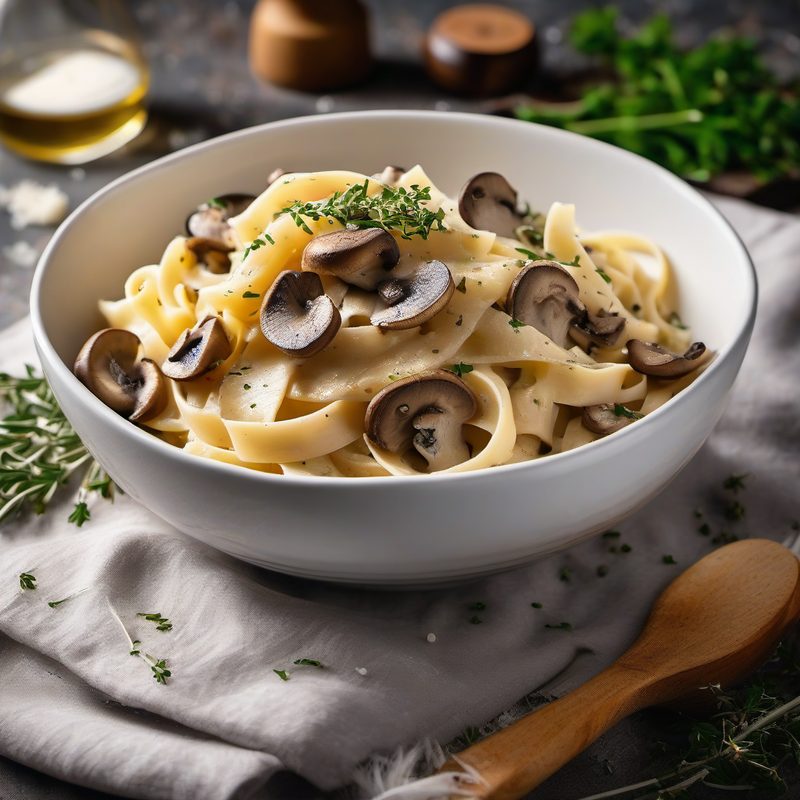
Photo reference: `vol3_301.png` — A shallow, warm-toned ceramic bowl of orecchiette (or fusilli) coated in a vivid, creamy magenta pesto. Tiny speckles of toasted walnut and beet fiber dot the sauce. A generous shower of freshly grated Parmigiano-Reggiano sits in a white drift on top, with a glossy thread of golden-green olive oil drizzled in a spiral. Two or three whole toasted walnut halves are perched on top as garnish. Steam rises gently against a dark, moody background — charcoal slate or deep wood table. A single stem of fresh basil or mint lies across the rim. Shot from a 45-degree overhead angle with soft, diffused natural light. The effect is striking, elegant, and slightly dramatic — the kind of photo that makes people stop scrolling.
Recipe from "The Italian Kitchen" by Vita Milanese — Volume 3: Northern Italian Comforts
Recipe from The Italian Kitchen by Vita Milanese — Volume 1 · Pasta Perfetto. Discover all volumes on the ebook page.