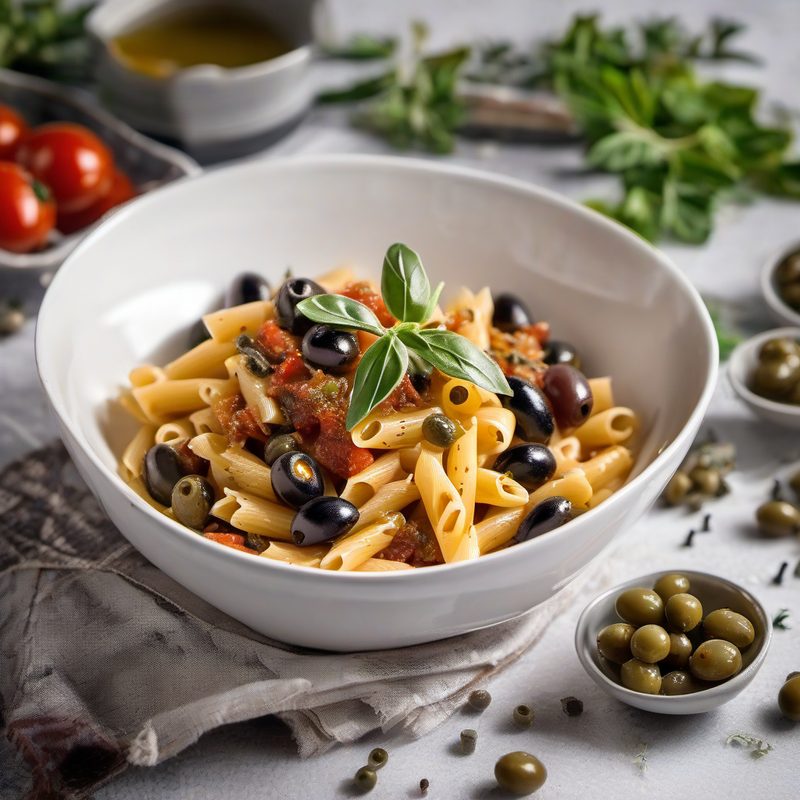
Pasta Celery Pesto
A bright, unexpected twist on traditional pesto — the humble celery stalk and its leafy top transform into a vibrant, herby sauce that's lighter than basil pesto and ready in 22 minutes.
| Amount | Ingredient |
|---|---|
| 320 g (11 oz) | Pasta (spaghetti, linguine, or trofie) |
| 4 stalks | Celery, including leaves |
| ½ cup (60 g) | Walnuts |
| ½ cup (50 g) | Parmesan cheese, freshly grated |
| 2 cloves | Garlic |
| ⅓ cup (80 ml) | Extra-virgin olive oil |
| Salt, for pasta water and seasoning | |
| Black pepper, freshly ground |
🥘 Equipment
- Large pot (6-qt) for pasta
- Food processor or high-speed blender
- Chef's knife
- Cutting board
- Microplane or box grater (for Parmesan)
- Colander
- Rubber spatula
📋 Preparation
Step 1: Prep the Celery
Wash the celery stalks and leaves thoroughly. Trim the base and any tough ends. Thinly slice the stalks into ½-inch pieces. Reserve the tender inner leaves and any feathery top leaves separately — they'll go into the pesto too.
Why leaves matter: Celery leaves are intensely flavorful — like concentrated celery with a hint of herbal bitterness. Don't discard them.
Step 2: Toast the Walnuts (Optional but Recommended)
In a dry skillet over medium heat, toast the walnuts for 3-4 minutes, shaking the pan frequently, until fragrant and lightly golden. This deepens their flavor and adds warmth to the pesto. Let cool slightly.
Step 3: Make the Celery Pesto
In a food processor or high-speed blender, combine the sliced celery stalks, celery leaves, toasted walnuts, grated Parmesan, and garlic cloves. Pulse a few times to break everything down. With the motor running, drizzle in the olive oil in a steady stream and process until smooth but still with some texture. You may need to stop and scrape down the sides once or twice.
Season with salt and freshly ground black pepper to taste. Set aside.
Texture tip: For a chunkier pesto, pulse instead of running continuously. For a silky sauce, let the processor run for a full 30 seconds.
Step 4: Cook the Pasta
Bring a large pot of generously salted water — it should taste like the sea — to a rolling boil. Cook the pasta according to package directions until al dente (about 1 minute less than suggested). Reserve 1 cup of pasta cooking water before draining.
Step 5: Toss with Pesto
Return the drained pasta to the warm pot or transfer to a large serving bowl. Add the celery pesto and 2-3 tablespoons of the reserved pasta water. Toss vigorously to coat every strand evenly. The starchy water helps the pesto cling to the pasta and creates a creamy, emulsified sauce.
Add more pasta water a tablespoon at a time if needed — the sauce should coat the pasta generously without pooling at the bottom.
Step 6: Serve
Divide among warm bowls. Finish with an extra drizzle of olive oil, a scattering of toasted walnuts, and a grating of fresh Parmesan or pecorino. Serve immediately.
🧑🍳 Chef's Tips
- Use the whole celery: Stalks AND leaves go into the pesto. The leaves are where most of the flavor lives. If your celery came with a full crown of leaves, consider yourself lucky.
- Don't skip the pasta water: The starchy water is essential — it loosens the pesto, mellows the raw garlic, and helps the sauce cling to the pasta.
- Toast the walnuts: Raw walnuts work in a pinch, but toasting deepens their flavor dramatically. Keep an eye on them — they burn quickly.
- Make it creamier: Add 1-2 tablespoons of ricotta or cream cheese to the food processor for an extra-luxurious sauce.
- Taste before salting: Parmesan is already salty. Taste the pesto before adding extra salt.
❌ Common Mistakes
| Mistake | Why | Fix |
|---|---|---|
| Discarding celery leaves | You lose the best-flavored part | Always include the leaves in the pesto |
| Over-processing the pesto | Turns into a watery paste | Pulse, don't run continuously — leave some texture |
| Undersalting the pasta water | Pasta tastes flat | Water should taste like the sea |
| Using pre-grated Parmesan | Contains anti-caking agents, won't emulsify | Grate fresh from a block |
| Adding all pasta water at once | Sauce becomes watery and thin | Add 2-3 tablespoons at a time until glossy |
💡 Variations
- Add herbs: A handful of fresh parsley, basil, or mint brightens the pesto further.
- Nut swap: Replace walnuts with almonds, pine nuts, or pistachios for a different flavor profile.
- Make it vegan: Use nutritional yeast or a vegan Parmesan in place of dairy Parmesan.
- Add protein: Toss in grilled chicken, shrimp, or white beans for a heartier meal.
- Try different pasta: This pesto is excellent with short pasta like fusilli, gemelli, or orecchiette — the nooks and crannies catch the sauce beautifully.
- Add a squeeze of lemon: A splash of lemon juice at the end brightens the pesto and cuts through the richness.
❄️ Storage
Celery pesto can be refrigerated in an airtight container with a thin layer of olive oil on top for up to 5 days. It also freezes well for up to 3 months — freeze in an ice cube tray, then transfer cubes to a freezer bag.
Tossed pasta is best eaten immediately. If you have leftovers, refrigerate for up to 1 day and refresh with a splash of hot water and a drizzle of olive oil.
🍷 Wine Pairing
| Wine | Why |
|---|---|
| Gavi di Gavi | Crisp, mineral, with almond notes that echo the walnuts |
| Vermentino di Sardegna | Herbal, saline, and bright — complements the celery beautifully |
| Soave Classico | Light, floral, with a subtle bitter almond finish |
🍺 Beer Pairing
| Beer | Why |
|---|---|
| Italian Blonde Ale | Clean, light, with low bitterness — lets the pesto shine |
| Saison | Herbal, spicy, and dry — echoes the celery and walnut flavors |
| Pilsner | High carbonation cuts through the olive oil richness |
🥗 Suggested Sides
- Simple arugula salad with lemon vinaigrette and shaved Parmesan
- Crusty bread to mop up any remaining pesto
- Roasted cherry tomatoes on the side for sweetness and color
- Grilled asparagus drizzled with olive oil and flaky salt
📊 Nutrition (per serving)
| Calories | Protein | Fat | Carbs | Fiber |
|---|---|---|---|---|
| 440 | 15 g | 16 g | 58 g | 4 g |
❓ FAQ
Can I make this pesto ahead of time?
Absolutely. In fact, the flavors meld beautifully after an hour or two in the fridge. Bring it to room temperature or warm it slightly before tossing with hot pasta.
Will this taste too strongly of celery?
Surprisingly, no. The walnuts and Parmesan round out the celery flavor into a gentle, herbaceous, almost nutty sauce. It's much milder than you'd expect.
Can I use celery root (celeriac) instead?
Yes — but it has a different texture and flavor. Peel and dice the celeriac, then steam or blanch it before adding to the food processor. The result is earthier and creamier.
What pasta shape works best?
Long pasta like spaghetti or linguine is classic, but short shapes with ridges (fusilli, gemelli, orecchiette) capture the pesto beautifully.
Can I make this without a food processor?
Yes, by hand with a mortar and pestle. Pound the garlic and walnuts first, then work in the celery (finely chopped), followed by the Parmesan, then slowly incorporate the olive oil. It's more work but the texture is unmatched.
Is this pesto good on other things?
Absolutely — spread it on sandwiches, dollop it on grilled fish or chicken, toss it with roasted potatoes, or use it as a dip for crudités.
🔗 Related Recipes
- Almond Olive Pesto (#112)
- Pasta Arugula Pesto (#23/90)
- Zucchini Flower Pesto Shrimp (#33)
- Cold Pasta Pesto Potatoes Green Beans (#105)
🏷️ Search Tags
Recipe from The Italian Kitchen by Vita Milanese — Volume 1 · Pasta Perfetto. Discover all volumes on the ebook page.