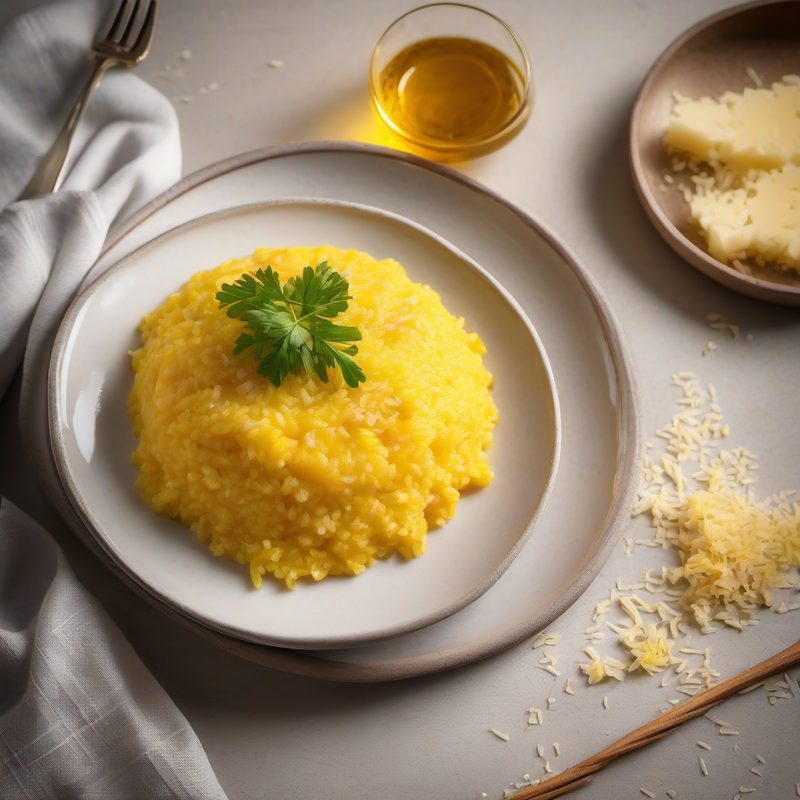
Pasta Mixed Poor Fish
A rustic, honest seafood pasta from the coasts of Southern Italy — mixed small fish (anchovies, sardines, whiting) are gently browned with garlic, then simmered with cherry tomatoes, capers, and olives for a briny, deeply savoury sauce that tastes like the Mediterranean in a bowl. This is cooking from the heart of cucina povera: humble ingredients, big flavour, zero waste.
| Amount | Ingredient |
|---|---|
| 320 g (11 oz) | Dried spaghetti or linguine |
| ~500 g (1 lb) | Mixed small fish (anchovies, sardines, whiting — cleaned, heads on or off as preferred) |
| 200 g (7 oz) | Cherry tomatoes, halved |
| 3 cloves | Garlic, thinly sliced |
| 2 tbsp | Capers, drained and rinsed |
| 3 tbsp | Pitted black olives (Gaeta or Taggiasca), halved |
| ¼ cup (10 g) | Fresh flat-leaf parsley, finely chopped |
| 3 tbsp (45 ml) | Extra-virgin olive oil |
| ½ cup (120 ml) | Dry white wine |
| Fine sea salt, for pasta water | |
| Black pepper, freshly ground |
Along the Adriatic and Tyrrhenian coasts, thrifty fishermen have always cooked with the day's catch that didn't sell — the "poor fish" (pesci poveri) that are too small or too humble for the market but packed with more flavour than any fillet. Anchovies, sardines, small whiting, and similar tiny silver fish are the foundation of this tradition. Cooked whole (heads and bones included), they release an incredible depth of umami into the sauce, their soft bones becoming tender and edible. The addition of cherry tomatoes, capers, and olives mirrors the classic puttanesca pantry — bright, briny, and punchy. A splash of white wine deglazes the pan, and fresh parsley finishes it. Tossed with al dente spaghetti or linguine, this is the kind of pasta that makes you feel like you're eating at a seaside trattoria where the menu is written in chalk and changes with the tides. It's fast, it's frugal, and it's utterly delicious.
Use the freshest small fish you can find — ideally whole anchovies or sardines from a trusted fishmonger. The fish are cooked on the bone, which adds enormous depth to the sauce. If whole fish are unavailable, substitute 400 g (14 oz) of mixed small fillets (anchovy, sardine, smelt) and reduce cooking time slightly.
🥘 Equipment
- Large pot (6-qt / 6 L) for pasta
- Large skillet or sauté pan (12-inch / 30 cm), preferably stainless steel or nonstick
- Chef's knife and cutting board
- Fish tweezers (if cleaning whole fish)
- Wooden spoon or spatula
- Colander
- Measuring spoons
📋 Preparation
Step 1 — Clean the Fish (10 min)
Clean the mixed fish: If using whole anchovies or sardines, rinse under cold running water. Remove the scales by scraping gently from tail to head with the back of a knife. Gut each fish by making a small slit along the belly and pulling out the innards with your fingers or tweezers. Rinse the cavity clean. You can leave the heads on (they add flavour to the sauce) or remove them — your choice. Pat the fish very dry with paper towels.
Why leave them whole? The bones and heads contain flavour compounds that never make it into fillets — they break down during cooking and enrich the sauce with marine depth. The soft bones of small fish become tender enough to eat, and even if you don't eat them, they've done their work in the pan.
Step 2 — Prepare Aromatics and Pantry (5 min)
Halve the cherry tomatoes. Slice the garlic thinly. Drain and rinse the capers. Halve the olives. Finely chop the parsley. Set everything aside within easy reach — this dish moves fast once the pan is hot.
Step 3 — Bring the Pasta Water to a Boil
Fill the large pot with generously salted water (about 1½ tablespoons salt per 5 L / 5 qt) and bring to a rolling boil.
Step 4 — Sauté the Garlic (2 min)
While the water comes to a boil, heat the olive oil in the large skillet over medium heat. Add the sliced garlic and cook, stirring frequently, for 45 to 60 seconds until fragrant and just starting to turn pale gold. Do not let the garlic brown — it will continue cooking as the fish is added.
The garlic should perfume the oil without colouring much. If it turns dark, the pan is too hot — remove it from the heat briefly, then add the fish.
Step 5 — Brown the Fish (5 min)
Add the cleaned, dry fish to the pan in a single layer (work in batches if needed — overcrowding causes steaming, not browning). Let them cook undisturbed for 2 to 3 minutes on the first side, until the skin is golden and crisp. Carefully flip each fish and cook for another 2 minutes on the second side. The smaller fish (anchovies) will cook faster; remove them to a plate if they finish before the larger ones.
The browning step is crucial — it creates the fond (browned bits) that will deglaze into the sauce and give it deep, savoury character. Don't rush this. The fish should be sizzling gently, not steaming.
Step 6 — Deglaze with Wine (1 min)
Pour in the white wine — it will sizzle and steam. Use a wooden spoon to scrape up all the browned bits from the bottom of the pan. Let the wine bubble and reduce by about half, 1 to 2 minutes.
The alcohol cooks off, leaving behind the wine's acidity and fruit, which balance the richness of the fish and the saltiness of the capers and olives.
Step 7 — Add Tomatoes, Capers, and Olives (10 min)
Add the halved cherry tomatoes, capers, and olives to the pan. Stir gently to combine. Reduce the heat to medium-low and simmer, uncovered, for 10 minutes. The tomatoes should collapse into the sauce, and the liquid should reduce slightly. Break up any larger fish pieces gently with the wooden spoon as they cook — the meat will flake and mingle with the sauce.
Taste the sauce after 8 minutes and adjust with a pinch of salt (remember the capers and olives are already salty) and a generous grind of black pepper. The sauce should be savoury, briny, and bright.
Step 8 — Cook the Pasta
When the sauce is about 5 minutes from done, add the spaghetti or linguine to the boiling water. Cook according to package directions until al dente (about 1 minute less than suggested). Reserve about 1 cup (240 ml) of pasta cooking water before draining.
Step 9 — Toss and Finish (2 min)
Drain the pasta (do not rinse) and add it directly to the skillet with the fish sauce. Toss gently but thoroughly over low heat, using tongs or a wooden spoon, until every strand is coated. If the sauce seems too thick, add a splash of the reserved pasta water — the starchy water will help the sauce cling to the pasta and create a glossy emulsion.
Turn off the heat. Add the chopped parsley and toss once more. Taste and adjust seasoning — a final grind of black pepper and a drizzle of fresh olive oil just before serving are traditional.
Serve immediately in warm bowls.
The finished dish is beautiful in its rusticity: glossy pasta tangled with flakes of tender fish, blistered tomato skins, briny olives, and bright green parsley, all glistening with the emulsified sauce. The fish bones are soft enough to eat in the smallest specimens, but if you prefer, you can pick them out as you eat — part of the charm of this honest, rustic dish.
🧑🍳 Chef's Tips
- Freshness is everything with "poor fish." These small fish are at their best within 24 hours of being caught. Look for bright, clear eyes, shiny skin that springs back when pressed, and a clean ocean scent — never overly fishy or ammoniated. If the fish smell strong, they're past their prime.
- Don't skip drying the fish. Pat each fish thoroughly dry with paper towels before adding to the pan. Moisture creates steam, which prevents browning and robs you of the fond that builds flavour in the sauce.
- The bones are edible (and delicious). In properly cooked small fish like anchovies and sardines, the bones soften enough to eat without issue. They're also rich in calcium. If you're serving someone squeamish about bones, you can remove larger ones before serving, but the traditional preparation treats them as part of the dish.
- Adjust the fish mix based on availability. The beauty of this recipe is its flexibility. Use whatever small, sustainable fish your market has — if you can't find whole fish, diced monkfish or mackerel fillets work beautifully (though the sauce won't have quite the same depth from the bones).
- Capers and olives are salty — season carefully. Both ingredients contribute significant salt. Taste the sauce before adding any extra salt, and rely on black pepper and the fish's natural brininess for seasoning.
- A good glug of finishing oil transforms the dish. Just before serving, drizzle each plate with a teaspoon of your best extra-virgin olive oil — it adds a fresh, peppery fruitiness that lifts the entire bowl.
❌ Common Mistakes
| Mistake | Why | Fix |
|---|---|---|
| Using previously frozen small fish | Freezing breaks down the delicate flesh — the fish turn mushy and watery, preventing proper browning | Buy fresh fish from a trusted fishmonger; if frozen is unavoidable, thaw completely, pat very dry, and accept a slightly less crispy skin |
| Overcrowding the pan | The fish steam instead of searing, leading to pale, rubbery skin and no fond development | Cook the fish in batches if needed — a single layer with space between each piece is essential |
| Adding the wine too early | The alcohol doesn't have time to cook off, and the sauce tastes harsh and acidic | Let the fish brown properly first, then deglaze and let the wine reduce by half before adding tomatoes |
| Skipping the pasta water | The sauce stays thin and won't coat the pasta evenly | Reserve at least 1 cup of starchy pasta water — it emulsifies the oil and sauce into a glossy coating |
| Overcooking the fish in the sauce | The small fish continue cooking in the hot sauce and can turn dry or fall apart into mush | Add the fish back to the sauce only to warm through, and keep the simmer gentle — the 10-minute simmer is enough |
💡 Variations
| Variation | How To |
|---|---|
| Spicy "Poor Fish" Pasta | Add 1 teaspoon of red pepper flakes (or 1 fresh red chili, thinly sliced) with the garlic for a fiery kick — a common addition along the Calabrian coast |
| With Breadcrumbs (Poveriello-style) | Toast ½ cup of fresh breadcrumbs in a dry skillet with 1 tablespoon of olive oil until golden and crisp. Sprinkle over the finished pasta for a crunchy, nutty contrast that echoes the poveriello tradition |
| Add a Pinch of Saffron | Dissolve a generous pinch of saffron threads in 2 tablespoons of hot pasta water and add with the tomatoes. The saffron adds a subtle floral sweetness and a beautiful golden hue — a Sicilian-inspired touch |
| Lemon-Forward Version | Add the zest of 1 lemon with the garlic, and finish with a squeeze of lemon juice along with the parsley. The bright citrus cuts through the richness and echoes the coastal origin |
| All-Anchovy (Pasta con alici) | Use only fresh anchovies (about 500 g / 1 lb). They're the classic "poor fish" and produce the most intensely flavoured, silky sauce |
| Grilled Fish Variation | Instead of pan-frying, grill the cleaned fish on a hot griddle or barbecue for 2 minutes per side, then flake the meat into the sauce. Adds a smoky dimension |
❄️ Storage & Leftovers
| Method | Details |
|---|---|
| Refrigerator | Store leftovers in an airtight container for up to 1 day. The fish flavours will continue to meld, but the texture of the fish will soften further |
| Reheating | Reheat gently in a skillet over medium-low heat with a splash of water or pasta water, tossing until warmed through (2-3 minutes). Do not microwave — it will overcook the fish and make the sauce separate |
| Freezing | Freezing is not recommended. The delicate fish texture and emulsion will degrade significantly upon thawing |
| Make Ahead | Clean the fish, halve the tomatoes, and chop the parsley up to a day ahead. Store everything separately in the refrigerator. The sauce itself is best made fresh — it comes together in 20 minutes |
🍷 Wine Pairing
| Wine | Why |
|---|---|
| Verdicchio dei Castelli di Jesi (Marche) | Crisp, mineral-driven white with green apple, lemon zest, and bitter almond notes — the acidity cuts through the oily fish and briny capers while echoing the coastal character |
| Greco di Tufo (Campania) | A full-bodied, aromatic white with pear, white peach, and herbaceous notes — enough structure to stand up to the bold fish and olive flavours |
| Etna Bianco (Sicily) | Volcanic-mineral white with citrus, wild herbs, and a saline finish — a natural partner for seafood from the same seas |
| Vermentino di Sardegna (Sardinia) | Light, crisp, with citrus and green almond notes and a distinctive saline, sea-spray character — mirrors the brininess of the capers and olives beautifully |
| Soave Classico (Veneto) | Elegant, floral, with almond and citrus — a lighter option that won't overpower the more delicate fish |
🍺 Beer Pairing
| Beer | Why |
|---|---|
| Italian Pilsner | Clean, crisp, high carbonation — cuts through the olive oil and cleanses the palate between bites |
| Belgian Witbier | Light body with citrus and coriander notes that echo the lemon and parsley — a refreshing counterpoint to the briny sauce |
| American Blonde Ale | Malt-forward but balanced, with subtle hop bitterness — won't overpower the delicate fish but stands up to the olives and capers |
🥗 Suggested Sides
- Simple arugula and lemon salad — Baby arugula dressed with 3 parts extra-virgin olive oil, 1 part fresh lemon juice, salt, and pepper. The peppery, bright bite cuts through the richness
- Crusty bread (pane di casa or ciabatta) — Essential for sopping up every last drop of the briny, fish-infused sauce from the bottom of the bowl
- Grilled zucchini with mint — Zucchini slices grilled until tender and charred, finished with fresh mint, olive oil, and a pinch of sea salt
- Marinated olives and roasted peppers — A small antipasto plate of mixed olives and strips of roasted red pepper dressed with olive oil, garlic, and oregano
- Shaved fennel salad — Thinly shaved fennel bulb tossed with olive oil, lemon juice, salt, and a pinch of red pepper flakes — the crunchy, anise-scented freshness is a perfect match
📊 Nutrition (per serving, estimated)
| Calories | Protein | Fat | Carbs | Fiber |
|---|---|---|---|---|
| ~480 | 28 g | 16 g | 55 g | 4 g |
Nutritional values are estimates based on 4 servings with 320 g pasta, 500 g mixed small fish, 3 tbsp olive oil, cherry tomatoes, capers, olives, and parsley. Actual values will vary based on the specific fish mix (fatter sardines vs. leaner whiting), amount of oil absorbed, and serving size. Small fish like anchovies and sardines are excellent sources of omega-3 fatty acids, calcium (from edible bones), vitamin D, and selenium.
❓ FAQ
What exactly are "poor fish" (pesci poveri)?
In Italian culinary tradition, pesci poveri refers to small, abundant, and inexpensive fish that were historically eaten by working-class families — things the fishermen couldn't sell at market. The most common are fresh anchovies (alici), sardines (sarde), small whiting (merluzzetti), smelts (sgombri piccoli), and similar small silver fish. They're prized for their intense flavour and are considered some of the most sustainable seafood choices.
Can I eat the bones?
Yes! In small fish like anchovies and sardines, the bones cook until tender enough to eat without any issue. They're actually a great source of calcium. Larger bones (from bigger whiting or mackerel) may still be noticeable — you can pick them out or avoid them as you eat.
Do I need to remove the heads?
It's entirely optional. The heads add flavour to the sauce and many people eat them (especially fried or well-browned). If you or your guests are squeamish about fish heads, remove them before cooking. The flavour difference is minimal.
Can I use canned anchovies or sardines?
This recipe is designed for fresh fish. Canned anchovies (oil-packed) are salt-cured and intensely flavoured — they'd overwhelm the dish and the texture would be wrong. Canned sardines in oil could work in a pinch: drain them, flake them into the sauce at the very end (no browning needed), and reduce the salt. But the dish won't have the same rustic character or the beautiful browning that defines it.
What if I can't find whole small fish?
Substitute with 400 g (14 oz) of any meaty, sustainable fish fillets: mackerel, small snapper, porgy, or even diced monkfish. Cut into 1-inch chunks and brown them the same way. The sauce will still be delicious — just with slightly less depth than the whole-fish version.
Can I make this pasta gluten-free?
Yes — use 320 g of gluten-free spaghetti or linguine and follow the same instructions. All other ingredients are naturally gluten-free.
Is this dish spicy?
Not inherently — the base recipe is warming and savoury rather than hot. For heat, add red pepper flakes with the garlic as noted in the Variations section.
🔗 Related Recipes
- Spaghetti Monkfish Ragu (#89)
- Pasta Swordfish Fava Beans (#111)
- Spaghetti Tonnaresca (#174)
- Pasta Tuna Saffron (#172)
- Spaghetti Mullet Almonds Fennel (#116)
🏷️ Search Tags
Photo reference: vol1_225.png
Recipe from "The Italian Kitchen" by Vita Milanese — Volume 1: Pasta Perfetto
Recipe from The Italian Kitchen by Vita Milanese — Volume 1 · Pasta Perfetto. Discover all volumes on the ebook page.