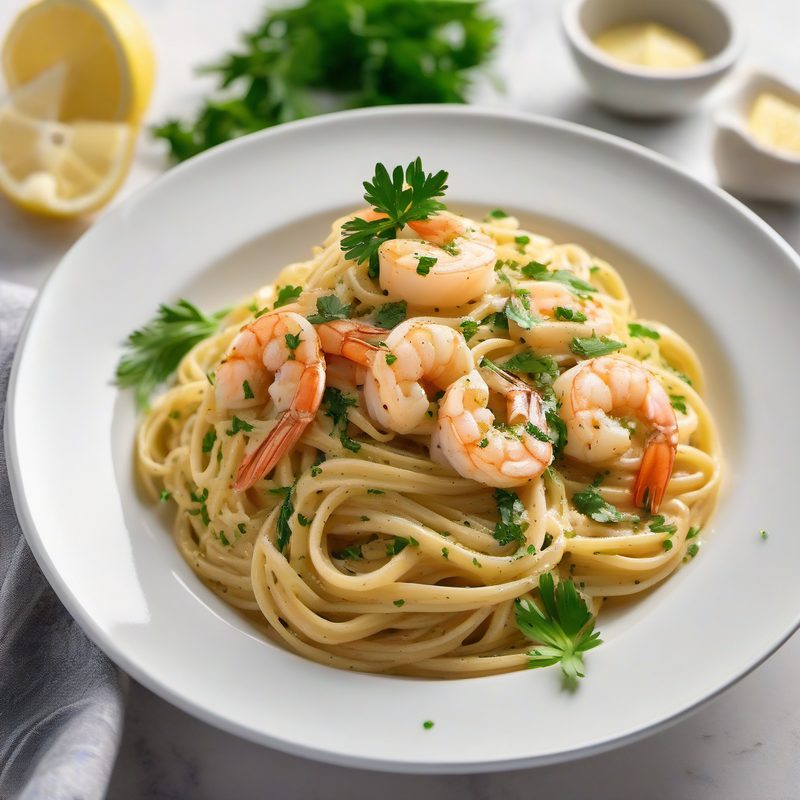
Pasta Kale Pecorino
A humble yet deeply satisfying Italian peasant pasta — toothsome orecchiette tossed with wilted lacinato kale, fragrant garlic, a whisper of chili, and a generous shower of salty Pecorino Romano. Simple, fast, and packed with earthy, savory flavor.
| Amount | Ingredient |
|---|---|
| 350 g (12 oz) | Orecchiette or other short pasta (cavatelli, shells, gemelli) |
| 300 g (10 oz) | Lacinato kale (cavolo riccio / Tuscan kale), tough stems removed |
| 3 cloves | Garlic, thinly sliced |
| 4 tbsp (60 ml) | Extra-virgin olive oil |
| 1 small | Fresh red chili pepper (or ½ tsp red pepper flakes), optional |
| 50 g (½ cup) | Pecorino Romano, finely grated, plus more for serving |
| To taste | Kosher salt |
| To taste | Black pepper, freshly ground |
| 1 cup (240 ml) | Reserved pasta cooking water |
🥘 Equipment
- Large pot (6-qt) for pasta
- Large skillet or sauté pan (12-inch)
- Colander
- Chef's knife and cutting board
- Microplane or fine grater (for Pecorino)
- Liquid measuring cup
📋 Preparation
Step 1 — Prep the kale
Strip the kale leaves from their tough central ribs by running your hand along the stem in a pinching motion. Discard the stems (or reserve for stock). Wash the leaves in a large bowl of cold water, swishing to dislodge any grit. Drain and roughly chop into 2-inch (5 cm) pieces — about 8 cups loosely packed. Set aside to drain in a colander; a bit of residual water clinging to the leaves is fine and will help them wilt.
Step 2 — Cook the pasta
Bring a large pot of generously salted water (about 1½ tbsp kosher salt per 4 quarts) to a rolling boil. Add the orecchiette and cook according to package directions until firmly al dente — about 1 minute less than the recommended time. Reserve 1 cup of the starchy pasta water before draining. Drain the pasta (do not rinse).
Step 3 — Sauté the aromatics
While the pasta cooks, heat the olive oil in a large skillet over medium heat. Add the sliced garlic and the whole chili pepper (or red pepper flakes if using). Cook, stirring constantly, until the garlic is fragrant and just barely golden at the edges — about 45 to 60 seconds. Do not let it brown or burn, or it will turn bitter.
Step 4 — Wilt the kale
Add the chopped kale to the skillet — it will seem like a mountain, but it will cook down dramatically. Use tongs to toss and turn the leaves, coating them in the garlic-chili oil. Cook for 5 to 7 minutes, stirring occasionally, until the kale is bright green, tender, and fully wilted. If the pan looks dry at any point, add a splash of the reserved pasta water (about ¼ cup) and continue cooking. The steam helps tenderize the leaves.
Step 5 — Combine and sauce
Add the drained orecchiette directly to the skillet with the kale. Sprinkle with the grated Pecorino Romano and add ½ cup of the reserved pasta water. Toss vigorously for 30 to 45 seconds — the starch from the pasta water will meld with the cheese and oil to create a light, silky sauce that clings to every piece of pasta. If the sauce is too tight, add more pasta water a splash at a time. Season with freshly ground black pepper and taste before adding salt — the Pecorino is already quite salty.
Step 6 — Serve
Divide among warm bowls. Top with a generous extra grating of Pecorino Romano, a drizzle of finishing-quality olive oil, and a few cracks of black pepper. Serve immediately.
🧑🍳 Chef's Tips
- Kale variety matters: Lacinato kale (also called cavolo riccio, Tuscan kale, or dinosaur kale) has a more delicate texture and sweeter flavor than curly kale. If using curly kale, add an extra 2 minutes of cooking time and an extra splash of pasta water to ensure it's tender.
- No orecchiette? Any short, scoop-shaped pasta works — cavatelli, conchiglie (shells), gemelli, or even paccheri. The key is a shape that catches bits of wilted kale in every bite.
- The water trick: The bit of water clinging to the washed kale is your friend — it creates steam that wilts the leaves without needing extra oil. Don't spin the kale completely dry after washing.
- Make it vegetarian: Already vegetarian. Use a vegetarian Pecorino Romano (some traditional Pecorinos use animal rennet — check the label if this matters to you).
- Pasta water salinity: The pasta water should taste like the sea. This seasons the pasta from the inside out and provides the right salt level for the sauce.
❌ Common Mistakes
| Mistake | Why | Fix |
|---|---|---|
| Using curly kale without adjusting cooking time | Remains tough and chewy | Cook 2 minutes longer and add extra pasta water |
| Burning the garlic | Turns bitter and ruins the dish | Cook over medium heat and remove from pan if garlic finishes browning before kale goes in |
| Skipping the pasta water | Sauce never emulsifies — oil pools at bottom of bowl | Always reserve at least 1 cup and add it gradually while tossing |
| Over-salting | Pecorino is naturally very salty | Taste before adding salt to the final dish, and go light on the pasta water salt |
| Not drying the kale sufficiently | Waterlogged kale steams instead of sautéing | Let kale drain well; a little residual water is fine but not a soaking puddle |
💡 Variations
- Add protein: Top with crispy pancetta or guanciale (sauté before the garlic and remove, then crumble over at the end). A fried egg on top is also spectacular — the runny yolk becomes part of the sauce.
- Make it spicy: Use the full chili pepper or increase to 1 tsp red pepper flakes. Calabrian chili paste stirred in with the kale adds another dimension.
- Add breadcrumbs: Toast ¼ cup of coarse breadcrumbs in a dry pan until golden, then sprinkle over the finished dish for texture contrast.
- Swap the cheese: No Pecorino? Use Parmigiano-Reggiano or Grana Padano. The flavor will be less sharp but still delicious.
- Add lemon: A squeeze of fresh lemon juice and a teaspoon of lemon zest at the end brightens the dish beautifully.
- Vegan version: Omit the Pecorino and use 2 tbsp nutritional yeast + 2 tbsp toasted pine nuts blended with a splash of pasta water for a creamy, dairy-free sauce.
❄️ Storage
This pasta is best enjoyed immediately — kale loses its vibrant color and texture upon reheating. Leftovers can be refrigerated for up to 2 days in an airtight container. To reheat, place in a skillet with a splash of water or broth and warm over medium-low heat, tossing until heated through. Add a fresh drizzle of olive oil and Pecorino before serving.
🍷 Wine Pairing
| Wine | Why |
|---|---|
| Verdicchio dei Castelli di Jesi | Bright acidity and almond notes cut through the kale's earthy bitterness |
| Soave Classico | Mineral-driven, light-bodied — complements without overwhelming |
| Chianti Classico (young) | High acidity and cherry notes stand up to the Pecorino and chili |
| Montepulciano d'Abruzzo | Soft tannins and dark fruit match the hearty kale and garlic |
🍺 Beer Pairing
| Beer | Why |
|---|---|
| Italian Pilsner (e.g., Birrificio Italiano Tipopils) | Crisp, high carbonation cleanses the palate between bites |
| Saison / Farmhouse Ale | Peppery, spicy notes mirror the chili and garlic |
| Amber Lager | Toasty malt sweetness balances the kale's bitterness |
🥗 Suggested Sides
- Fennel and orange salad with shaved Parmigiano — the bright citrus cuts through the dish's richness
- White bean bruschetta — creamy cannellini beans on grilled bread with rosemary
- Simple arugula salad with lemon vinaigrette, shaved fennel, and pine nuts
- Roasted cherry tomatoes — a spoonful of sweet, blistered tomatoes on top adds color and acidity
📊 Nutrition (per serving)
| Calories | Protein | Fat | Carbs | Fiber |
|---|---|---|---|---|
| 485 | 16 g | 18 g | 62 g | 5 g |
❓ FAQ
Can I use frozen kale?
Fresh is strongly preferred for texture, but in a pinch, frozen chopped kale works. Thaw and squeeze out as much moisture as possible before adding to the skillet. Reduce the cooking time to 3–4 minutes since frozen kale is already blanched.
Why isn't there onion in this recipe?
Traditional Pasta con Cavolo Riccio lets the garlic, chili, and Pecorino do the heavy lifting. Onion would add sweetness that muddies the clean, earthy flavor profile. If you want sweetness, let the kale caramelize slightly in the pan.
Can I use a long pasta shape instead?
Yes — linguine, spaghetti, or bucatini work well. The ratio stays the same, but you may need a tablespoon or two more pasta water to coat the longer noodles evenly. Just note that short shapes are more traditional for this dish.
Is this dish spicy?
With the optional chili pepper, it has a gentle warmth, not a fiery kick. Omitting the chili yields a mild, earthy, crowd-pleasing version that's great for kids.
What is "cavolo riccio"?
It's the Italian name for lacinato kale — also called Tuscan kale, dinosaur kale, or black kale. The leaves are dark blue-green, deeply crinkled, and flat rather than curly. It's milder and more tender than standard curly kale.
🔗 Related Recipes
- Orecchiette con Cime di Rapa (Pasta with Broccoli Rabe)
- Spaghetti Aglio e Olio — The Garlic & Oil Original
- Pasta e Fagioli (Pasta & Beans)
- Pasta con le Sarde (Pasta with Sardines, Fennel & Breadcrumbs)
- Cavolo Nero e Salsiccia (Sausage & Kale)
🏷️ Search Tags
Recipe from "The Italian Kitchen" by Vita Milanese — Volume 1: Pasta Perfetto
Recipe from The Italian Kitchen by Vita Milanese — Volume 1 · Pasta Perfetto. Discover all volumes on the ebook page.