Scammaro Vermicelli
A centuries-old Lenten pasta from the Campanian tradition — thin vermicelli tangled with anchovies, Gaeta olives, capers, raisins, and pine nuts, finished with toasted breadcrumbs for a humble, soulful, and utterly addictive dish born of pantry ingenuity.
| Amount | Ingredient |
|---|---|
| 400 g (14 oz) | Vermicelli or thin spaghetti |
| 1 clove | Garlic, peeled and lightly crushed |
| 1 tbsp (15 ml) | Extra-virgin olive oil, plus more for drizzling |
| 2 | Salted anchovies (or 4 oil-packed anchovy fillets) |
| 1 tbsp | Capers, rinsed and coarsely crushed |
| 100 g (¾ cup pitted) | Gaeta olives (or other mild black olives), pitted and chopped |
| 1 tbsp | Raisins (golden or dark), soaked in warm water |
| 1 tbsp | Pine nuts |
| 2 tbsp | Breadcrumbs (coarse, preferably homemade) |
| 1 small bunch | Fresh parsley, finely chopped |
| — | Fine sea salt, for pasta water (use sparingly — anchovies are salty) |
| — | Freshly ground black pepper, to taste |
| — | Optional: a pinch of dried oregano or chili flakes |
Vermicelli di Scammaro is one of those rare recipes that carries an entire history in every bite. Dating back to at least 1837, this dish emerged from the cucina povera (poor kitchen) of Campania during Lent — a period when meat, dairy, and eggs were forbidden, and the faithful turned to the pantry for sustenance. The word scammaro itself is believed to derive from scammare, a Neapolitan dialect term meaning "to remove the marrow" — a reference to the lean, meatless nature of the dish. And yet there is nothing austere about it. Salted anchovies dissolve into the warm olive oil, creating an impossibly savory, umami-rich base. Gaeta olives add their briny, fruity punch; capers contribute a floral sharpness; plumped raisins bring pockets of sweetness; and pine nuts offer a delicate, buttery crunch. The crowning touch — toasted breadcrumbs sprinkled over the finished pasta — provides texture and body, echoing the resourcefulness of cooks who stretched every ingredient to its fullest. It is a dish born of deprivation that tastes like abundance, and it remains one of Campania's most beloved and distinctive pasta preparations.
> Note: The anchovies are the backbone of this dish — do not skip them or substitute with anchovy paste. Salted anchovies (packed in salt) are traditional, but high-quality oil-packed anchovy fillets work well too. The breadcrumbs are not a garnish — they are an integral component that provides texture and absorbs the flavorful oil. Toast them in a dry pan until deep golden for the best result.
Use level tablespoons and standard measuring cups. Gaeta olives are small, wrinkled, purple-black olives from Lazio with a mild, fruity flavor — if unavailable, substitute Taggiasca or Kalamata olives but reduce the amount slightly as they are more assertive. The raisins should be soft and moist; if they are dry, soak them longer (up to 15 minutes). The breadcrumbs should be coarse, not fine powder — homemade from day-old rustic bread is ideal.
🥘 Equipment
- Large pot (6 qt / 6 L) for boiling pasta
- Large skillet or sauté pan (12-inch / 30 cm)
- Small skillet (for toasting breadcrumbs)
- Small bowl (for soaking raisins)
- Chef's knife and cutting board
- Colander
- Tongs or pasta fork
- Wooden spoon or spatula
- Measuring cups and spoons
- Ladle (for pasta water)
📋 Preparation
Step 1 — Prepare the Anchovies (5 minutes)
If using salted anchovies: Rinse each anchovy under cold running water to remove excess salt. Gently open the fillet along the belly and carefully remove the spine (the central bone) by pulling it from head to tail. You should have two clean, boneless fillets per anchovy. Pat dry with paper towels. Coarsely chop the fillets.
If using oil-packed anchovy fillets: Simply drain the oil and coarsely chop the fillets. No deboning is needed.
Salted anchovies have a deeper, more complex flavor than oil-packed, but both work well. The key is to use genuine anchovies, not the salty brown paste sold in tubes — the texture and flavor of whole fillets are essential for the dish.
Step 2 — Soak the Raisins and Prep the Remaining Ingredients (5 minutes)
Place the raisins in a small bowl and cover with warm water. Set aside to soften for at least 10 minutes. Drain well before using.
Rinse the capers under cold water to remove excess salt or brine. Pat dry and coarsely crush them with the side of your knife or between your fingers — this releases their flavor.
Pit the Gaeta olives by pressing them gently with the flat side of your knife to crack the flesh, then remove the pit. Coarsely chop the flesh.
Toast the breadcrumbs: Place a small skillet over medium heat. Add the breadcrumbs and toast, stirring constantly, until they are deep golden brown and fragrant — about 2–3 minutes. Watch carefully — they burn quickly. Transfer to a small bowl and set aside.
The toasted breadcrumbs are what give Scammaro its signature texture — crunchy, nutty, and capable of soaking up the flavorful oils at the bottom of the bowl. Homemade breadcrumbs from stale rustic bread are ideal, but good-quality panko can work in a pinch.
Step 3 — Cook the Vermicelli (8–10 minutes)
Fill a large pot with water and add a modest amount of salt — remember that the anchovies, capers, and olives all contribute significant saltiness. Bring to a rolling boil.
Add the vermicelli and cook until very al dente — about 1–2 minutes less than the package's al dente time. The pasta will finish cooking in the pan with the sauce.
Reserve about 1½ cups (360 ml) of the pasta cooking water before draining. Drain the pasta well (do not rinse).
Undercooking the pasta is essential — it will absorb the flavorful oil and pasta water in the final sauté, becoming perfectly tender while the sauce clings to every strand.
Step 4 — Build the Sauce (Concurrent with Step 3, 10 minutes)
While the pasta cooks, heat 1 tablespoon (15 ml) of olive oil in a large skillet over low heat. Add the crushed garlic clove and cook gently until fragrant and just beginning to color — about 1–2 minutes. The garlic should perfume the oil without browning.
Add the chopped anchovies to the pan and stir with a wooden spoon, breaking them up as they warm. They will dissolve into the oil within about 1–2 minutes, creating a deeply savory, fragrant base. If using salted anchovies, you may see small bones — don't worry, they will soften and become nearly invisible.
Add the crushed capers, chopped Gaeta olives, drained raisins, and pine nuts. Stir to combine and cook for 2–3 minutes over low heat, allowing the flavors to meld. The olives should soften slightly, the pine nuts should become fragrant (but not browned), and the raisins should plump further in the warm oil.
Season with a generous amount of freshly ground black pepper and an optional pinch of dried oregano or chili flakes for warmth. Do not add additional salt yet — taste first.
Building the sauce over low heat is crucial — high heat will burn the garlic and anchovies, turning the sauce bitter. The anchovies should melt into the oil, not fry. Stir frequently and be patient; the transformation from separate ingredients into a unified sauce takes just a few minutes.
Step 5 — Add Pasta Water for Creaminess (2 minutes)
Ladle in about ½ cup (120 ml) of the reserved pasta water and stir vigorously. The starchy water will combine with the oil to create a light, emulsified sauce that coats the pasta beautifully. Let it simmer gently for 1–2 minutes — the sauce should thicken slightly as the starch activates.
Taste the sauce and adjust seasoning. Remember that the anchovies and olives are already salty, so additional salt is rarely needed. Add more black pepper if desired.
This is the secret to a cohesive Scammaro — the pasta water binds the oil, anchovies, and aromatics into a silky, clingy sauce that would otherwise be too loose. The starch from the vermicelli water is especially effective because thin pasta releases starch quickly.
Step 6 — Combine Pasta and Sauce (3 minutes)
Drain the vermicelli very al dente and transfer it directly to the skillet with the sauce. Increase the heat to medium.
Add the chopped parsley and the toasted breadcrumbs (reserving a small handful for garnish). Toss everything vigorously with tongs for 2–3 minutes, allowing the pasta to absorb the sauce and finish cooking in the pan. The breadcrumbs will absorb some of the flavorful oil and cling to the pasta, creating the dish's signature textured coating.
Add more pasta water if needed — a splash at a time — if the pasta seems dry or the sauce is not coating evenly. The final texture should be moist and glossy, with the breadcrumbs and parsley evenly distributed.
The final toss over direct heat is where the magic happens. The pasta absorbs the sauce, the breadcrumbs soften slightly around the edges while retaining their crunch, and everything comes together into a cohesive, intensely flavorful dish.
Step 7 — Serve (1 minute)
Divide the vermicelli among four warm shallow bowls. Sprinkle each portion with the reserved toasted breadcrumbs and an extra pinch of chopped parsley for color and texture. Finish with a light drizzle of extra-virgin olive oil if desired.
Serve immediately — Scammaro is best enjoyed hot, while the breadcrumbs are still crisp and the pasta is perfectly tender. A wedge of lemon on the side is traditional in some households — the bright acidity cuts through the richness of the oil and anchovies beautifully.
This is a pasta that rewards the patient cook. Every element — the dissolved anchovies, the sweet raisins, the briny olives, the crunchy breadcrumbs — has its moment, and together they create something far greater than the sum of their humble parts.
Chef's Tips
- Less salt in the pasta water — the anchovies, capers, and olives are all salty. Season the pasta water with a light hand and adjust at the end.
- Salted vs. oil-packed anchovies — salted anchovies (sold in tins or jars packed in salt) have a deeper, funkier flavor and a more tender texture. Rinse them well and debone carefully. Oil-packed fillets are more convenient and less salty — use 4 fillets instead of 2 salted anchovies.
- Gaeta olives are key — their mild, fruity flavor is traditional and allows the anchovies to remain the star. Aggressive olives like Kalamata can overpower the dish; if substituting, use half the amount.
- Breadcrumbs matter — coarse, homemade breadcrumbs from day-old rustic bread (ciabatta, country loaf) give the best texture. Packaged fine breadcrumbs will turn into a paste rather than providing a pleasant crunch.
- Make it ahead — Scammaro is one of those rare pastas that reheats beautifully. The flavors deepen overnight. Reheat in a skillet with a splash of water or olive oil to revive the sauce.
- Traditional variations — some Campanian households add a pinch of dried oregano, a few threads of saffron dissolved in the pasta water, or a handful of chopped walnuts. All are welcome additions.
- Wine pairing — a chilled Greco di Tufo (Campanian white) or a light, fruity Aglianico (red, served cool) complements the briny, savory flavors perfectly.
Common Mistakes
| Mistake | Why It Happens | How to Avoid |
|---|---|---|
| :------ | :------------- | :----------- |
| Salty, inedible dish | Too much salt added to pasta water or sauce without accounting for anchovies/olives/capers | Use minimal salt in pasta water; taste the sauce before adding any extra salt |
| Bitter, acrid sauce | Garlic or breadcrumbs burned during cooking | Cook garlic over low heat; stir breadcrumbs constantly while toasting and remove when golden |
| Soggy, mushy breadcrumbs | Breadcrumbs added too early or cooked too long in the sauce | Add breadcrumbs only during the final 2–3 minute toss; reserve some for garnish |
| Pasta clumps together | Vermicelli overcooked before the final toss | Cook very al dente — the pasta will finish cooking in the pan with the sauce |
| Sauce too thin or watery | Insufficient pasta water reduction, or too much water added | Let the sauce simmer for 1–2 minutes after adding pasta water to concentrate flavors |
| Anchovies not dissolving | Heat too low, or anchovies added too late | Add anchovies to warm oil and stir continuously — they should melt within 1–2 minutes over low heat |
| Flat, one-dimensional flavor | Missing the sweet-savory balance of raisins against anchovies | Do not skip the raisins — they are essential for balance. Drain them well before adding |
🔗 Related Recipes
- Spaghetti Tonnaresca (#174) — A bold tuna and caper pasta from the Sicilian tradition
- Bucatini Sardines Raisins (#94) — The classic Sicilian bucatini con le sarde, with sardines, fennel, and raisins
- Spaghetti Squid Ink Mussels Shrimp (#103) — A dramatic black seafood pasta with a similar pantry-driven spirit
- Spaghetti Beccafico (#228) — A sweet-and-savory spaghetti inspired by Sicilian beccafico stuffing
- Spaghetti Pooriello (#187) — Another humble Campanian pasta with breadcrumbs and pantry staples
🏷️ Search Tags
📸 Photo Reference
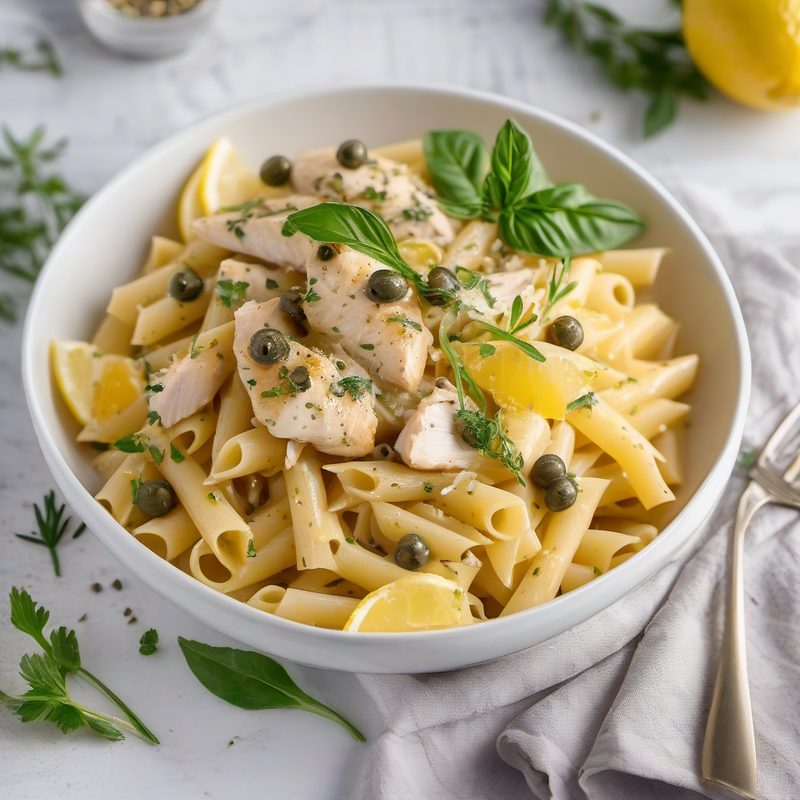
Photo reference: `vol1_201.png` — An overhead or slightly angled shot of a wide, rustic ceramic bowl (cream or warm terracotta) filled with vermicelli di Scammaro. The vermicelli is a pale golden color, glistening with olive oil and evenly studded with chopped Gaeta olives (dark purple-black), plumped golden raisins, and pale pine nuts. The toasted breadcrumbs are visible as a coarse, golden-brown coating clinging to the pasta strands and scattered across the surface. A generous sprinkle of fresh chopped parsley adds bright green contrast. A final drizzle of golden-green extra-virgin olive oil catches the light. Beside the bowl: a small wooden board with a few salted anchovies, a pile of Gaeta olives, a small dish of capers, a ramekin of toasted breadcrumbs, and a glass of chilled Greco di Tufo. A white linen napkin and a heavy fork complete the scene. The lighting is warm and natural, with soft highlights — evoking a rustic Campanian kitchen on a Lenten Friday. The overall mood is humble, honest, and deeply comforting.
Recipe from "The Italian Kitchen" by Vita Milanese — Volume 1: Pasta Perfetto 🫒
Recipe from The Italian Kitchen by Vita Milanese — Volume 1 · Pasta Perfetto. Discover all volumes on the ebook page.