Positano Spaghetti
A sun-kissed coastal pasta from the Amalfi shore — al dente spaghetti tossed with briny mussels and clams in a bright, silky lemon cream sauce that captures the essence of the Mediterranean in every twirl.
| Amount | Ingredient |
|---|---|
| 400 g (14 oz) | Spaghetti |
| ½ kg (about 1 lb) | Fresh clams (vongole veraci or littleneck) |
| ½ kg (about 1 lb) | Fresh mussels (cozze) |
| 1 clove | Garlic, peeled and lightly crushed |
| 4 tbsp (60 ml) | Extra-virgin olive oil, divided |
| 1 small bunch | Fresh parsley, finely chopped |
| Juice of 1 lemon | Freshly squeezed lemon juice (about 3 tbsp / 45 ml) |
| — | Fine sea salt, for pasta water and seasoning |
| — | Freshly ground black pepper, to taste |
| 1 small bunch | Fresh basil leaves, for garnish |
This is Positano on a plate: the steep, terraced cliffs tumbling into turquoise water, the scent of lemons hanging heavy in the air, and the day's catch arriving at the marina each morning. Spaghetti alla Positano is a celebration of the Gulf of Salerno's twin treasures — seafood and citrus — brought together in a sauce that is simultaneously rich and refreshing. Fresh mussels and clams are steamed open in a fragrant base of garlic and parsley, releasing their precious liquor into the pan. A quick lemon cream — nothing more than good olive oil, fresh lemon juice, salt, and pepper — is stirred in at the last moment, creating a glossy, emulsified sauce that clings to every strand of spaghetti without overwhelming the delicate shellfish. The result is bright, briny, and absolutely transportive: a pasta that tastes of sea spray, sun-warmed lemons, and summer on the Amalfi Coast.
> Note: The success of this dish depends entirely on the freshness of your seafood. Use live clams and mussels — they should be tightly closed or close when tapped. Discard any that remain open before cooking or that do not open after cooking. The lemon cream is intentionally minimalist; do not substitute bottled lemon juice or skimp on the quality of the olive oil, as these two ingredients are the backbone of the sauce.
Use level tablespoons and standard measuring cups. The lemon should be a large, unwaxed organic lemon — you want bright, fragrant juice without bitterness. The olive oil should be a fruity, medium-intensity extra-virgin variety; a Ligurian or Sicilian oil with citrus notes is ideal. All seafood should be as fresh as possible — buy from a trusted fishmonger and cook the same day.
🥘 Equipment
- Large pot (6 qt / 6 L) for boiling pasta
- Large sauté pan or Dutch oven (12-inch / 30 cm) with a tight-fitting lid
- Medium bowl (for the lemon cream)
- Small knife or shellfish knife (for cleaning mussels)
- Colander
- Tongs or pasta fork
- Chef's knife and cutting board
- Measuring spoons
- Citrus juicer or reamer
📋 Preparation
Step 1 — Clean the Shellfish (10 minutes)
Scrub the mussels under cold running water with a stiff brush, removing any beards (the fibrous threads protruding from the shell). Give the beard a sharp tug toward the hinge of the shell to remove it cleanly. Discard any mussels with cracked shells or that remain open after tapping.
Scrub the clams under cold running water to remove any sand or grit. Place them in a bowl of cold salted water (about 1 tablespoon salt per 4 cups water) and let them sit for 20–30 minutes to expel any interior sand. Rinse well before using.
Discard any shellfish that are open and do not close when tapped — they are dead and should not be eaten. Keep the cleaned shellfish refrigerated until ready to cook.
The saltwater soak for clams is essential — even "purged" clams from the market often carry residual sand that would ruin the silky texture of the sauce. If you have time, extend the soak to 1 hour, changing the water halfway through.
Step 2 — Put the Pasta Water on to Boil (1 minute)
Fill a large pot with generously salted water — about 1 tablespoon of salt per 4 quarts (4 L) — and bring to a rolling boil. The water should taste pleasantly salty, like the sea.
Start the pasta water now so it is ready when you need it. The shellfish and lemon cream come together quickly, so having the water at a boil means you can drop the spaghetti at the right moment.
Step 3 — Sauté Garlic and Parsley (3 minutes)
Heat 2 tablespoons (30 ml) of olive oil in a large sauté pan or Dutch oven over medium heat. Add the lightly crushed garlic clove and cook, stirring occasionally, until fragrant and just beginning to turn golden — about 1–2 minutes. Watch carefully — burnt garlic turns bitter and will ruin the delicate seafood flavor.
Add the chopped parsley (reserving a small pinch for garnish) and stir for about 30 seconds, until the parsley is wilted and fragrant.
Crushing rather than mincing the garlic allows it to infuse the oil with its aroma without becoming too assertive. The parsley adds a fresh, grassy note that complements the briny shellfish and bright lemon.
Step 4 — Steam the Mussels and Clams (5–7 minutes)
Add the cleaned clams and mussels to the pan. Stir briefly to coat them in the garlic-parsley oil.
Cover the pan tightly with the lid and cook over medium-high heat, shaking the pan occasionally, until all the shells have opened — about 5–7 minutes. The shellfish will release their liquid, which combines with the oil and aromatics to create a fragrant, briny base.
Remove from heat and check the shells. Discard any that have not opened after cooking — they are unsafe to eat. Leave the lid on to keep the shellfish warm while you prepare the lemon cream.
Do not overcook the shellfish — they become rubbery and tough. As soon as the majority of shells have opened, remove from heat. The residual steam will continue to open any stubborn ones.
Step 5 — Make the Lemon Cream (2 minutes)
While the shellfish steam, prepare the lemon cream. In a small bowl, whisk together the remaining 2 tablespoons (30 ml) of olive oil, the freshly squeezed lemon juice, a generous pinch of salt, and several grinds of black pepper. Whisk vigorously until the mixture is emulsified and slightly thickened — about 30 seconds.
The lemon cream is not a cooked sauce — it is a simple vinaigrette-style emulsion that comes together in seconds. Taste and adjust the salt and pepper — the sauce should be bright, tangy, and well-seasoned to balance the briny shellfish.
Step 6 — Cook the Spaghetti (8–10 minutes, concurrent)
Add the spaghetti to the boiling salted water and cook until al dente — about 1 minute less than the package directs. The pasta should be fully cooked but still firm to the bite.
Reserve about 1 cup (240 ml) of the pasta cooking water before draining. Drain the spaghetti well (do not rinse).
Undercooking the pasta slightly is essential — it will finish cooking in the pan with the sauce, absorbing the briny lemon cream and shellfish liquor.
Step 7 — Combine and Toss (2 minutes)
Add the lemon cream to the pan with the steamed mussels and clams. Stir gently to incorporate.
Add the drained spaghetti directly to the pan. Toss everything together gently but thoroughly over medium-low heat — use tongs or a pasta fork to lift and turn the pasta, coating every strand in the glossy lemon cream and shellfish liquor. If the sauce seems too thick, add a splash of the reserved pasta water (about ¼ cup / 60 ml at a time) to loosen it until it coats the pasta beautifully.
Taste and adjust — add a squeeze more lemon juice for brightness, or a pinch of salt for depth. The final dish should be silky, aromatic, and intensely flavorful.
The tossing is the most important step — the starches in the pasta water help the lemon cream emulsify into a silky, clingy sauce. Toss energetically and watch as the sauce transforms from separate ingredients into a unified, glossy coating.
Step 8 — Serve (1 minute)
Divide the pasta among four warm shallow bowls, making sure each portion gets an equal share of mussels and clams nestled among the spaghetti. Some cooks like to leave a few shellfish in their shells for visual drama — arrange them artfully on top.
Garnish with the reserved chopped parsley and a scattering of fresh basil leaves. Drizzle with a final thread of extra-virgin olive oil if desired. Serve immediately — this pasta waits for no one.
The dish is at its absolute peak the moment it hits the table — the lemon cream is bright, the shellfish are tender, and the pasta is perfectly al dente. Have your guests seated and ready before you plate.
Chef's Tips
- Quality of lemon matters — use a fresh, unwaxed organic lemon. The difference between fresh-squeezed and bottled lemon juice is the difference between sunshine and shadow.
- Don't rinse the pasta — the surface starch is what helps the sauce cling. Rinsing washes it away and leaves you with slippery, uncoated strands.
- Save more pasta water than you think you need — the starchy water is the secret to a silky, emulsified sauce. You may need more or less depending on how much liquid the shellfish released.
- Work quickly at the end — the moment the hot pasta hits the pan, you have about 60 seconds of optimal tossing time before the pasta starts to absorb too much liquid and becomes heavy.
- Customize the shellfish ratio — some prefer more clams (sweeter, more delicate), others more mussels (richer, more briny). Adjust the proportions to your taste.
- A glass of Vermentino — the crisp, mineral-driven white wine of the Ligurian and Tuscan coasts is the perfect companion to this dish. Serve well-chilled.
Common Mistakes
| Mistake | Why It Happens | How to Avoid |
|---|---|---|
| :------ | :------------- | :----------- |
| Sandy, gritty sauce | Clams not purged of sand | Soak clams in salted water for 20–30 minutes before cooking; rinse thoroughly |
| Rubbery, overcooked shellfish | Shellfish cooked too long or over too high heat | Steam only until shells open — about 5–7 minutes — then remove from heat immediately |
| Broken, greasy lemon cream | Oil and lemon juice not emulsified; added to cold pan | Whisk the cream vigorously before adding, and add it to the warm (not cold) pan with the shellfish |
| Bland, flat flavor | Not enough salt, or under-seasoned pasta water | Salt the pasta water generously — it should taste like the sea — and season the lemon cream well |
| Pasta clumps and sticks | Pasta overcooked or drained too long before tossing | Cook to al dente and transfer directly from colander to pan without delay |
| Sauce too thin or watery | Too much pasta water added, or shellfish released excessive liquid | Add pasta water gradually, ¼ cup at a time, and reduce briefly over medium heat if needed |
🔗 Related Recipes
- Spaghetti Clams Lemon (#65) — A simpler clam-only version with lemon and white wine
- Spaghetti Squid Ink Mussels Shrimp (#103) — A dramatic black seafood pasta with mussels and shrimp
- Linguine Shrimp Lemon Bisque (#38) — A creamy lemon-bisque pasta with shrimp
- Spaghetti Monkfish Ragu (#89) — A hearty monkfish ragu over spaghetti
- Pasta Arugula Pesto Shrimp (#90) — A peppery arugula pesto with shrimp and cherry tomatoes
🏷️ Search Tags
📸 Photo Reference
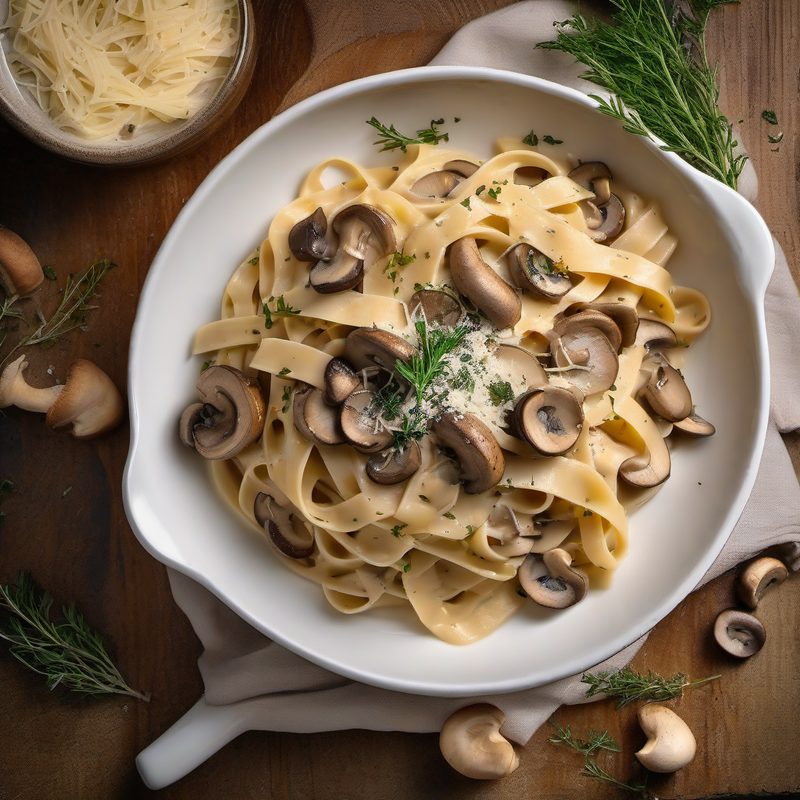
Photo reference: `vol1_200.png` — An overhead or slightly angled shot of a wide, shallow white ceramic bowl filled with spaghetti alla Positano. The spaghetti is a pale, glossy golden-cream color, each strand evenly coated in the lemon-cream emulsion. Mussels (dark blue-black shells) and clams (pale beige and cream shells) are scattered throughout — some nestled into the pasta, some standing open on top, revealing their tender flesh. A few shells are arranged artfully around the rim for visual drama. A generous sprinkle of chopped fresh parsley and whole or torn basil leaves provides bright green accents. A final drizzle of golden-green olive oil catches the light. Beside the bowl: a halved lemon on a small wooden board, a sprig of fresh basil, a white linen napkin, and a glass of chilled Vermentino. The lighting is warm and natural, evoking a sunny terrace overlooking the sea. The overall mood is fresh, bright, and effortlessly elegant.
Recipe from "The Italian Kitchen" by Vita Milanese — Volume 1: Pasta Perfetto 🍋
Recipe from The Italian Kitchen by Vita Milanese — Volume 1 · Pasta Perfetto. Discover all volumes on the ebook page.