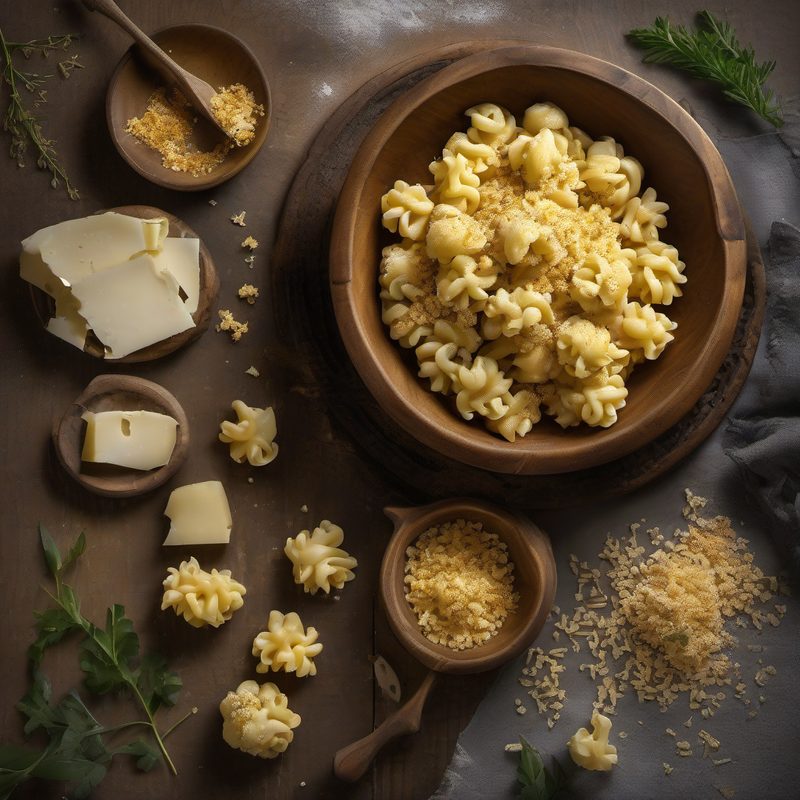
Pasta Cauliflower Simple
A humble Sicilian-inspired weeknight pasta where cauliflower transforms from a forgettable vegetable into the star of the show — caramelized at high heat, then finished in a garlicky emulsion with al dente pasta, all in under thirty minutes.
| Amount | Ingredient |
|---|---|
| 1 large head (about 2 lb / 900 g) | Cauliflower |
| 3 tbsp (45 ml) | Extra-virgin olive oil, plus more for drizzling |
| 3 cloves | Garlic, smashed |
| ½–1 tsp | Red pepper flakes (or 1 small dried red chile, crumbled), plus more for serving |
| 1 tsp | Kosher salt, plus more for pasta water |
| 1 lb (450 g) | Short pasta (orecchiette, fusilli, casarecce, or penne) |
| ¼ cup (60 ml) | Reserved pasta cooking water, plus more as needed |
This is pasta con cavolfiore stripped down to its essence: no anchovies, no raisins, no pine nuts, no breadcrumbs — just cauliflower, garlic, chili, good olive oil, and pasta. What makes it extraordinary is how you treat the cauliflower. Instead of boiling it into submission, you blast it at high heat in a wide pan, letting the florets char and caramelize while the stems soften and sweeten. A splash of starchy pasta water deglazes the pan, lifting every bit of browned flavor into a silky emulsion that clings to the pasta like a sauce. The result is nutty, sweet, faintly spicy, and deeply satisfying — proof that the simplest version of a dish is often the one that lets the main ingredient shine brightest.
Use level tablespoons and standard US measuring cups. All produce is medium unless specified.
🥘 Equipment
- Large pot (6-quart or larger) for boiling pasta
- Large skillet or sauté pan (12-inch) — wide enough to hold the cauliflower in a single layer
- Chef's knife and cutting board
- Measuring cups and spoons
- Tongs or wooden spoon
- Ladle or heatproof measuring cup (for reserving pasta water)
- Colander
📋 Preparation
Step 1 — Prepare the Cauliflower (10 minutes)
Prepare the cauliflower: Cut the head in half through the core. Remove the tough core and any large outer leaves. Use your hands or a knife to break the florets into 1½- to 2-inch pieces — they should be large enough to char without shriveling. Roughly chop the tender inner stems into ½-inch pieces; these will cook alongside the florets and add sweetness.
Taste a raw stem: if it's tender and not fibrous, it goes in the pan. If it's woody, discard it.
Step 2 — Sear the Cauliflower (8–9 minutes)
Place the large skillet over high heat and add the 3 tablespoons of olive oil. Let it heat until shimmering, about 30 seconds.
Add the smashed garlic cloves and red pepper flakes (or crumbled chile) and cook, stirring, until the garlic is fragrant, about 30 seconds.
Add the chopped cauliflower stems first — they need a head start. Sauté, stirring occasionally, for 1 minute.
Add the cauliflower florets and spread them in a single layer as best you can. Season with 1 teaspoon salt. Let the cauliflower cook undisturbed for 2 minutes — you want a deep golden-brown sear on the bottom. Then stir and continue cooking, stirring every minute or so, until the florets are tender in the center and deeply caramelized in spots, about 7 to 8 minutes total from when the florets hit the pan. Some florets should have dark brown spots and the stems should be translucent and sweet.
Don't crowd the pan. If your skillet isn't wide enough, work in two batches — overcrowding steams the cauliflower instead of browning it, and you'll lose the nutty sweetness that makes this dish.
Step 3 — Cook the Pasta (concurrent with Step 2, 8–11 minutes)
While the cauliflower sears, bring a large pot of generously salted water (about 1½ tablespoons kosher salt per gallon) to a rolling boil over high heat.
Add the pasta and cook until very al dente — about 2 minutes less than the package directions indicate. For most dried short pasta that calls for 10–11 minutes, cook for 8–9 minutes. The pasta will finish cooking in the pan with the cauliflower.
Reserve 1 cup of the starchy pasta cooking water before draining. Drain the pasta well (do not rinse).
Step 4 — Deglaze and Combine (3 minutes)
Remove the garlic cloves from the skillet — their work is done, and biting into a whole clove would be overwhelming.
Lower the heat to medium. Pour ¼ cup of the reserved pasta water into the skillet and scrape up any browned bits from the bottom with a wooden spoon — this is where much of the flavor lives. Let the liquid bubble for about 30 seconds to meld with the oil into a loose, emulsified sauce.
Step 5 — Finish the Pasta (2 minutes)
Add the drained pasta directly to the skillet. Toss well to coat the pasta with the cauliflower and pan sauce. Cook over medium heat for 1 to 2 minutes, adding more pasta water a splash at a time as needed, until the pasta is perfectly al dente and the sauce clings to every piece. The consistency should be loose and silky, not dry — each piece of pasta should be glistening with the cauliflower-infused emulsion.
If the pan looks dry and the pasta starts sticking, add pasta water 1 tablespoon at a time and toss until loose. The starches in the water bind the oil and liquid into a creamy sauce.
Step 6 — Serve Immediately
Remove the skillet from the heat. Drizzle with a finishing swirl of extra-virgin olive oil and toss once more.
Divide among warm bowls. Sprinkle each serving with an extra pinch of red pepper flakes and a flaky finishing salt if desired.
🧑👩🍳 Chef's Tips
- High heat is the secret: Don't be afraid to cook the cauliflower over high heat. The aggressive heat drives off moisture quickly, allowing the natural sugars to caramelize before the florets have a chance to steam. The dark brown spots are not burnt — they're flavor.
- Cauliflower stems are gold: Most recipes waste the stems. In this version, the chopped stems cook first and add a sweet, tender contrast to the nutty florets. If your stems are thick and tender, treat them like a second vegetable.
- Garlic, then remove it: Smashing whole cloves and cooking them early perfumes the oil without the risk of burning that comes with minced garlic at high heat. Removing the cloves before serving means you get the aroma without the intensity.
- Stems rate matters: The starch in the pasta water is the emulsifier that transforms olive oil and water into a creamy sauce. Never use plain tap water to deglaze — always use the starchy pasta water.
- Short pasta shapes work best: Orecchiette, fusilli, casarecce, or penne all catch bits of cauliflower and sauce in their curves and ridges. Long pasta like spaghetti or linguine will work, but the cauliflower pieces tend to slide off rather than nestle into the pasta.
- Don't overcook the pasta initially: Cooking the pasta 2 minutes shy of al dente is critical. The brief finish in the pan allows the pasta to absorb the cauliflower-flavored oil and release starch into the sauce, creating a cohesive dish rather than separate components.
❌ Common Mistakes
| Mistake | Why It Hurts | The Fix |
|---|---|---|
| Boiling the cauliflower instead of searing it | Boiled cauliflower turns watery and bland — you lose the nutty sweetness that makes this dish sing | Always cook cauliflower in a dry pan with oil over high heat; never pre-boil. If you must precook, roast it at 450°F (230°C) |
| Crowding the pan | Overcrowding traps steam and prevents browning — the cauliflower stews instead of caramelizing | Use the widest pan you have and cook in a single layer; if necessary, work in two batches |
| Using too low heat | Low heat extracts moisture slowly, leading to mushy, pale cauliflower that never develops color | Crank the heat to high and don't stir too often — let the florets sit long enough to develop a serious sear |
| Forgetting to reserve pasta water | Without starchy water, the oil and cauliflower residue won't emulsify into a sauce — the dish turns dry and oily | Always reserve at least 1 cup of pasta water before draining. If you forgot, use hot tap water and add a pinch of pasta or cornstarch to thicken |
| Leaving the garlic in the dish | A whole cooked garlic clove has an intense, concentrated flavor that overwhelms every bite | Fish out the garlic cloves after deglazing, before adding the pasta. If someone at the table loves roasted garlic, serve the cloves on the side |
| Overcooking the pasta before finishing | Pasta that's already fully cooked will turn mushy when tossed with the cauliflower | Cook 2 minutes less than package directions — the brief finish in the pan is enough to bring it to perfect al dente |
💡 Variations
| Variation | How To |
|---|---|
| Add Anchovies | Add 2–3 anchovy fillets to the oil with the garlic; they'll melt into a savory, umami-packed base that deepens the cauliflower flavor without tasting fishy |
| Go Sicilian (Full Version) | Add ¼ cup golden raisins, 2 tablespoons toasted pine nuts, and 2 tablespoons capers (rinsed) — the classic Sicilian agrodolce treatment: sweet, salty, crunchy |
| Add Toasted Breadcrumbs | Toast ½ cup panko in 1 tablespoon olive oil with a pinch of salt and red pepper flakes until golden; sprinkle over each serving for a crunchy contrast |
| Make it Cheesy | Toss in ½ cup (50 g) of grated Pecorino Romano or Parmigiano-Reggiano off heat at the end for a savory, salty finish |
| Add Fresh Herbs | Fold in ¼ cup chopped fresh parsley or basil after removing the garlic — the brightness cuts through the richness |
| Swap the Pasta | This works beautifully with any short ridged or shaped pasta — orecchiette, fusilli, casarecce, cavatappi, or even ditalini for a more rustic feel |
| Add Lemon | Finish with the zest of 1 lemon and a squeeze of juice for brightness — the acidity lifts the caramelized cauliflower beautifully |
| Go Spicier | Double the red pepper flakes or add a fresh Fresno or serrano chile, thinly sliced, with the garlic |
| Add Broccoli | Replace half the cauliflower with broccoli florets — they take to the same high-heat treatment and add a slightly different sweetness and color |
❄️ Storage & Leftovers
| Method | Details |
|---|---|
| Refrigerator | Store in an airtight container for up to 2 days. The pasta will absorb some of the oil as it sits, so don't expect it to be as glossy as fresh |
| Freezer | Not recommended — cauliflower becomes mushy upon thawing and the pasta turns pasty. If you must, freeze the cauliflower and sauce separately from the pasta |
| Reheating | Reheat in a skillet over medium heat with a splash of water or pasta water, tossing until warmed through. The cauliflower won't be as crisp but the flavor will still be excellent. Microwave in 30-second bursts, covered, with a damp paper towel to add moisture |
🍷 Wine Pairing
| Wine | Why |
|---|---|
| Grillo (Sicily) | A classic Sicilian white — full-bodied with stone fruit notes and a subtle almond finish that mirrors the nutty character of the caramelized cauliflower |
| Catarratto (Sicily) | The most planted Sicilian white — soft, citrusy, and lightly herbal, with enough body to stand up to the garlic and olive oil without overpowering the delicate cauliflower |
| Etna Bianco (Carricante) | Grown on the volcanic slopes of Mount Etna, this wine is mineral-driven, saline, and citrusy with excellent acidity — a stunning match for the high-heat caramelization and chili |
| Verdicchio dei Castelli di Jesi | Lean, crisp, and subtly bitter — its structure cuts through the olive oil and echoes the faint bitterness of the browned cauliflower |
| Vermentino di Sardegna | Bright and aromatic with notes of sea salt and green herbs — the salinity and freshness are a natural fit for this simple, vegetable-forward pasta |
| Gavi di Gavi (Cortese) | Elegant and mineral-driven with green apple and citrus — the clean finish won't compete with the cauliflower's nutty sweetness |
| Franciacorta Brut | A méthode traditionnelle sparkling wine from Lombardy — the bubbles and acidity scrub the palate clean between each garlicky, caramelized bite |
🍺 Beer Pairing
| Beer | Why |
|---|---|
| Italian Pilsner (e.g., Birrificio Italiano Tipopils) | Crisp, clean, moderately hoppy — the bitterness cuts through the olive oil and balances the sweet, caramelized cauliflower |
| Belgian Witbier | Spicy and citrusy with notes of coriander and orange peel — the herbal notes echo the garlic and chili beautifully |
| Czech-style Pale Lager | Clean maltiness and moderate hop bitterness — a straightforward, refreshing pairing that lets the cauliflower remain the center of attention |
| Saison | Fruity, peppery, and dry with high carbonation — the complexity plays well with the garlic and chili without overwhelming the dish |
| American Wheat Ale | Light-bodied with subtle citrus notes — a clean, easy-drinking pairing that won't compete with the dish's simple flavors |
🥗 Suggested Side Dishes
- Simple arugula salad with lemon vinaigrette — Peppery arugula, lemon juice, olive oil, flaky salt, a few shavings of Parmigiano-Reggiano — three minutes, no cooking, the perfect bright, peppery counterpoint
- Roasted cherry tomatoes with garlic and oregano — Tossed with olive oil, salt, and dried oregano; roasted at 425°F (220°C) for 15 minutes until blistered and sweet — a burst of acidity alongside the nutty cauliflower
- Sautéed greens (spinach, chard, or kale) — Wilted in olive oil with garlic until tender, finished with a squeeze of lemon — a green, mineral-heavy side that echoes the vegetable-forward theme
- Warm crusty bread — A hunk of sourdough or a warm ciabatta roll to mop up the garlicky, cauliflower-infused oil from the bottom of the bowl
- Grilled or roasted zucchini with mint — Thin half-moons roasted at 425°F (220°C) for 12 minutes, finished with fresh mint and salt — simple and summery
- Marinated white beans — Cannellini beans tossed with olive oil, lemon juice, fresh rosemary, and a pinch of red pepper flakes — a Sicilian contorno that adds protein and creaminess
📊 Nutrition (per serving, estimated)
| Calories | Protein | Fat | Carbs | Fiber |
|---|---|---|---|---|
| 340 | 10 g | 12 g | 48 g | 5 g |
Nutrition is an estimate based on 4 servings using 1 lb dried short pasta, 1 large head of cauliflower, 3 tablespoons of extra-virgin olive oil, and garlic. Actual values will vary with brands and substitutions.
❓ Frequently Asked Questions
Can I use frozen cauliflower?
Fresh cauliflower is strongly preferred. Frozen cauliflower releases too much water as it cooks, which prevents the high-heat sear that gives this dish its nutty, caramelized character. If you must use frozen, thaw it completely, pat it very dry with paper towels, and cook it in two batches to minimize moisture.
What pasta shape works best?
Short, ridged, or curved pasta shapes are ideal — they catch bits of cauliflower and hold the garlicky oil. Orecchiette, fusilli, casarecce, cavatappi, and penne are all excellent. Long pasta like spaghetti or linguine works in a pinch but doesn't integrate with the cauliflower as well — you'll end up with the pasta and cauliflower in separate piles on your fork.
Do I need to blanch the cauliflower first?
No — and this is the whole point of the recipe. The traditional approach in many Italian households is to boil the cauliflower first, then finish it in the pan. That produces a softer, more homogenous dish. The high-heat method here is the opposite: it creates texture, color, and layers of flavor that boiling simply can't achieve.
Can I add cheese?
Absolutely — though it's not traditional for the simplest version. A shower of grated Pecorino Romano or Parmigiano-Reggiano added off heat at the end of Step 5 adds a savory, salty kick that pairs beautifully with the cauliflower. If you add cheese, go easy on the finishing salt.
The cauliflower isn't browning — what's wrong?
Three likely culprits: (1) your pan isn't hot enough — make sure you're cooking over high heat; (2) the pan is overcrowded — the florets should be in a single layer with space between them; (3) the cauliflower is wet — make sure the florets are dry before they hit the pan. Any of these will cause steaming instead of searing.
Is this a first course or a main?
In Italy, this is a primo (first course). For an American dinner table with a salad alongside, it works as a satisfying vegetarian main. One batch serves 4 as a main or 6 as a smaller first course.
Can I make this vegan?
The recipe as written is already vegan — no butter, no cheese, no animal products. Just make sure your pasta doesn't contain eggs (most dried pasta is egg-free, but fresh pasta often isn't).
What if I don't have red pepper flakes?
You can skip the chili entirely for a milder, more purely cauliflower-focused dish. Or substitute a pinch of cayenne pepper, a small dried chile crumbled into the oil, or even a few grindings of black pepper for a different kind of warmth.
Can I add other vegetables?
Absolutely — this method works beautifully with broccoli, broccolini, Romanesco, or a mix. Just keep the total vegetable volume similar (about 2 pounds) and cut everything to roughly the same size so it cooks evenly.
The sauce looks oily instead of creamy — what happened?
You likely didn't add enough pasta water or didn't toss the pasta enough to emulsify. The starch in the pasta water is what binds the oil and water into a creamy sauce. Next time, add the pasta water gradually while tossing vigorously over heat — the motion and starch work together to create the emulsion.
🔗 Related Recipes
- Pasta al Cavolfiore alla Siciliana (Sicilian Cauliflower Pasta with Raisins, Pine Nuts, and Anchovies)
- Orecchiette con Cime di Rapa (Orecchiette with Broccoli Rabe)
- Pasta con le Sarde (Pasta with Sardines, Fennel, and Breadcrumbs)
- Spaghetti Aglio e Olio (Spaghetti with Garlic and Oil)
- Pasta all'Assassina (Assassin's Pasta — Burnt, Spicy, Tomato-Scarred)
- Trocie al sugo di merluzzo (Trocie with Codfish Sauce)
- Pasta con Zucchine e Ricotta (Pasta with Zucchini and Ricotta)
🏷️ Search Tags
Photo reference: `vol1_80.png` — An overhead shot of short pasta with cauliflower in a wide shallow ceramic bowl, the pasta and cauliflower pieces coated in a glossy garlic-and-oil emulsion with visible dark caramelized spots on the cauliflower florets, scattered with red pepper flakes, drizzled with a ribbon of golden-green olive oil, steam rising gently, warm natural lighting on a rustic wooden table with a linen napkin and a glass of white wine in the frame.
Recipe from "The Italian Kitchen" by Vita Milanese — Volume 1: Pasta Perfetto
Recipe from The Italian Kitchen by Vita Milanese — Volume 1 · Pasta Perfetto. Discover all volumes on the ebook page.