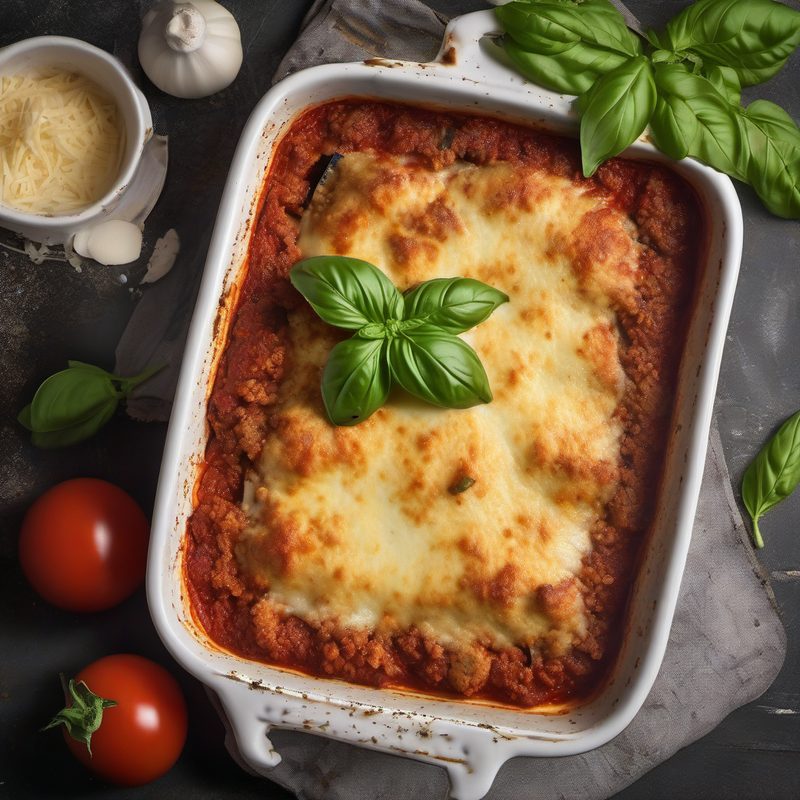
Pasta Cauliflower Guanciale
A humble Roman pantry raid transformed into something crave-worthy—tender cauliflower florets are partially mashed into a silky, sauce-like embrace for al dente pasta, while crispy guanciale and sharp Pecorino Romano deliver a one-two punch of savory richness that belies how little effort this dish requires.
| Amount | Ingredient |
|---|---|
| 12 oz (340 g) | Short pasta (rigatoni, cavatappi, or penne) |
| 1 medium head (about 2 lbs / 900 g) | Cauliflower |
| 6 oz (170 g) | Guanciale, cut into ¼-inch strips |
| 3–4 cloves | Garlic, thinly sliced |
| 1 cup (100 g) | Pecorino Romano, finely grated, plus more for serving |
| 1 tsp | Freshly ground black pepper, plus more for serving |
| 1½ tsp | Kosher salt (for pasta water), plus more to taste |
| 2 tbsp | Reserved pasta cooking water (or more as needed) |
This is the kind of recipe that exists in every Italian home cook's back pocket—a Tuesday-night wonder born from the happy accident of having half a head of cauliflower, a chunk of guanciale, and a block of Pecorino staring at you from the fridge. The trick here is to treat the cauliflower as both vegetable and sauce: you boil the florets until tender, then crush some of them directly in the pan with the rendered guanciale fat, creating a creamy, almost carbonara-like coating for the pasta without a drop of cream. The guanciale renders to glassy-chewy perfection, the garlic perfumes the oil, and a blizzard of salty Pecorino pulls it all together. It's rustic, it's fast, and it's the kind of bowl that makes you wonder why you don't cook cauliflower this way every single time.
For the Pasta
Use level tablespoons and standard US measuring cups. All produce is medium unless specified.
🥘 Equipment
- Large pot (6-quart) for boiling pasta and cauliflower
- Large skillet or sauté pan (12-inch)
- Colander
- Chef's knife and cutting board
- Box grater or Microplane for Pecorino
- Fork (for mashing cauliflower)
- Spider skimmer or slotted spoon
- Measuring cups and spoons
📋 Preparation
Step 1 — Prep the Cauliflower and Guanciale (10 minutes)
Bring a large pot of generously salted water (about 1½ teaspoons kosher salt per quart) to a rolling boil over high heat.
Meanwhile, trim the cauliflower: remove the thick outer leaves and cut out the core. Break or cut the head into florets about 1½ inches across—halve any larger ones so they cook evenly. Set aside.
Cut the guanciale into strips about ¼ inch wide and 1 inch long. If you can't find guanciale, thick-cut unsmoked pancetta is the best substitute, though it will be slightly leaner and less silky.
Step 2 — Blanch the Cauliflower (8 minutes)
Drop the cauliflower florets into the boiling salted water and cook until tender enough to pierce easily with a fork, 6 to 8 minutes. Don't overcook—you want tender, not mushy, because the mashing step will finish breaking some of them down.
Using a spider skimmer or slotted spoon, transfer the cauliflower to a plate or bowl, reserving the pot of boiling water for the pasta. Let the florets cool slightly, about 2 minutes.
Step 3 — Cook the Pasta (10–12 minutes, concurrent with Step 4)
Return the pot of cauliflower water to a boil. Add the short pasta and cook according to package directions until al dente (typically 10–12 minutes). Reserve about 1½ cups of pasta cooking water before draining. Drain the pasta (do not rinse).
Step 4 — Render the Guanciale and Build the Sauce (8 minutes, concurrent with Step 3)
While the pasta cooks, place the guanciale strips in a cold 12-inch skillet set over medium heat. Cook, stirring occasionally, until the guanciale renders its fat and turns deeply golden and crispy, 6 to 8 minutes. Starting the guanciale in a cold pan lets the fat render slowly and evenly without burning the meat.
Add the sliced garlic and cook until fragrant, about 30 seconds. Do not let the garlic brown.
Add the cauliflower florets to the pan with the guanciale and garlic. Using a fork, mash about half of the florets directly in the pan—leave the rest mostly intact for texture. Stir in ¼ cup of reserved pasta water and cook for 1 minute, scraping up any browned bits from the bottom of the pan, until the mixture turns creamy and sauce-like.
Step 5 — Toss and Finish (2 minutes)
Add the drained pasta to the skillet with the cauliflower-guanciale mixture. Toss vigorously over low heat, adding more pasta water a tablespoon at a time (about ¼ cup total) until the sauce coats the pasta evenly and looks silky rather than dry.
Remove from heat. Add the grated Pecorino Romano and 1 teaspoon black pepper and toss again until the cheese melts into a glossy, cohesive sauce. Tossing off the heat prevents the cheese from clumping—continuous heat can cause Pecorino to seize into a stringy mess.
Serve immediately, mounding the pasta into warm bowls. Top with an extra shower of Pecorino Romano and a generous crack of black pepper.
🧑🍳 Chef's Tips
- Cauliflower water is gold: Cooking the cauliflower in the same water you'll use for the pasta infuses the pasta with a gentle vegetal sweetness. The starchy water also helps bind the sauce, so don't skip this step.
- Guanciale > pancetta > bacon: Guanciale (cured pork jowl) has the highest fat-to-meat ratio and a distinctive, almost nutty richness. If you substitute pancetta, add a tablespoon of olive oil to the pan since pancetta is leaner. If using bacon, blanch it first in boiling water for 1 minute to tame the smokiness.
- Resist the urge to over-mash: You want a mix of creamy mashed cauliflower and distinct whole florets—this dual texture is what makes the dish interesting. Aim for about 60% mashed, 40% intact.
- Pecorino quality matters: Buy a block and grate it yourself. Pre-grated Pecorino contains anti-caking agents that prevent smooth melting.
❌ Common Mistakes
| Mistake | Why It Hurts | The Fix |
|---|---|---|
| Overcooking the cauliflower | Florets turn waterlogged and bland, and won't hold any shape in the pan | Cook just until fork-tender, 6–8 minutes max |
| Adding cheese over direct heat | Pecorino seizes into clumps instead of melting into a creamy sauce | Remove the pan from heat before adding cheese, and toss vigorously |
| Drying out the pasta | Without enough pasta water, the sauce turns pasty and the dish becomes gluey | Reserve at least 1½ cups of pasta water and add it gradually until the sauce is fluid and silky |
| Burning the garlic | Burnt garlic turns bitter and overwhelms the delicate cauliflower and guanciale | Cook garlic just 30 seconds—it should be fragrant, not colored |
💡 Variations
| Variation | How To |
|---|---|
| Add Anchovy | Add 2–3 minced anchovy fillets to the pan with the garlic and mash them into the fat for an umami bomb that doesn't taste fishy |
| Go Vegetarian | Omit guanciale; start with 3 tablespoons olive oil. Add ½ teaspoon smoked paprika for depth |
| Add Chiles | Toss in a small dried red chile (crushed red pepper flakes) with the garlic for gentle heat |
| Top with Breadcrumbs | Toast ½ cup panko breadcrumbs in 1 tablespoon olive oil until golden and sprinkle over the finished dish for crunch |
| Swap the Cheese | Use aged Asiago or Parmigiano-Reggiano in place of Pecorino for a milder, nuttier finish |
❄️ Storage & Leftovers
| Method | Details |
|---|---|
| Refrigerator | Store in an airtight container for up to 3 days. The pasta will absorb some sauce as it sits. |
| Freezer | Not recommended—the creamy cauliflower sauce thins and separates upon thawing, and the pasta turns mushy. |
| Reheating | Reheat in a skillet over medium-low heat with a splash of water or broth, stirring frequently. Microwave in 30-second bursts with a damp paper towel over the bowl. |
🍷 Wine Pairing
| Wine | Why |
|---|---|
| Verdicchio dei Castelli di Jesi | Lean, citrusy, and subtly almond-bitter—this white from Le Marche cuts through the guanciale's richness and echoes the cauliflower's nuttiness |
| Orvieto Classico | A bright, medium-bodied Umbrian white with honeysuckle notes and a clean mineral finish that lifts the Pecorino's saltiness |
| Nero d'Avola | A light, chillable Sicilian red (serve at 55°F / 13°C) with red cherry and earthy spice that won't overwhelm the cauliflower |
| Franciacorta Brut | A méthode traditionnelle sparkler from Lombardy—the bubbles, acidity, and toasty notes are a brilliant foil for the crispy guanciale |
| Pale Ale or Pilsner | A crisp, moderately hoppy pale ale or dry pilsner cleanses the palate between bites and stands up to the salty, fatty richness |
🥗 Suggested Side Dishes
- Bitter greens salad with lemon vinaigrette — A simple arugula, radicchio, or dandelion greens salad dressed with lemon juice and olive oil cuts through the richness
- Sautéed broccoli rabe (rapini) — Blanched then sautéed with garlic and chile, for a double-brassica meal
- Roasted cherry tomatoes — Halved tomatoes roasted at 400°F (200°C) for 15 minutes with olive oil and oregano, spooned over the pasta
- Fennel and orange salad — Thinly sliced fennel, orange segments, and red onion, dressed with a simple citrus vinaigrette
- Warm crusty bread — A hunk of sourdough or a warm ciabatta roll to mop up every last bit of the creamy cauliflower sauce from the bowl
📊 Nutrition (per serving, estimated)
| Calories | Protein | Fat | Carbs | Fiber |
|---|---|---|---|---|
| 440 | 22 g | 18 g | 52 g | 6 g |
Nutrition is an estimate based on 4 servings using Pecorino Romano, guanciale, and 12 oz of dried pasta. Actual values will vary with brands and substitutions.
❓ Frequently Asked Questions
Can I use frozen cauliflower?
You can, but fresh is strongly preferred. Frozen cauliflower releases more water during cooking, which dilutes the sauce and makes the final dish waterier. If using frozen, thaw and pat dry thoroughly before boiling, and reduce the added pasta water by half.
What's the best pasta shape for this?
Short, sturdy shapes with ridges or nooks work best—rigatoni, cavatappi, penne, or conchiglie (shells). Long pasta like spaghetti or linguine doesn't hold onto the chunky cauliflower as well. The original Roman tradition often uses mezze maniche or rigatoni.
Can I make this dairy-free?
Yes. Omit the Pecorino Romano and finish the pasta with 2 tablespoons of nutritional yeast stirred in off the heat, plus a squeeze of lemon juice for brightness. The dish will be lighter and less rich but still delicious.
Why start the guanciale in a cold pan?
Rendering guanciale is about slowly melting the fat without browning the meat too quickly. Starting in a cold pan lets the fat warm up gradually and render fully before the meat starts to crisp. If you add guanciale to a hot pan, the outside browns before the fat inside has rendered, giving you tough, greasy strips.
Is this a first course or a main?
In Italy, this is a primo (first course). For an American dinner table, it works as a hearty main with a green salad alongside. One batch serves 4 as a main or 6 as a smaller first course.
🔗 Related Recipes
- Cacio e Pepe
- Pasta alla Gricia
- Pasta con le Sarde (Pasta with Sardines, Fennel, and Breadcrumbs)
- Pasta con i Broccoli
- Orecchiette with Sausage and Broccoli Rabe
🏷️ Search Tags
Photo reference: `vol1_64.png` — A deep ceramic bowl of pasta with cauliflower and guanciale, the golden guanciale strips visible among creamy sauce-coated rigatoni, scattered with extra grated Pecorino and cracked black pepper, shot from slightly above at a 45-degree angle with warm side-lighting, shallow depth of field, steam rising from the bowl, on a rustic wooden surface.
Recipe from "The Italian Kitchen" by Vita Milanese — Volume 1: Pasta Perfetto
Recipe from The Italian Kitchen by Vita Milanese — Volume 1 · Pasta Perfetto. Discover all volumes on the ebook page.