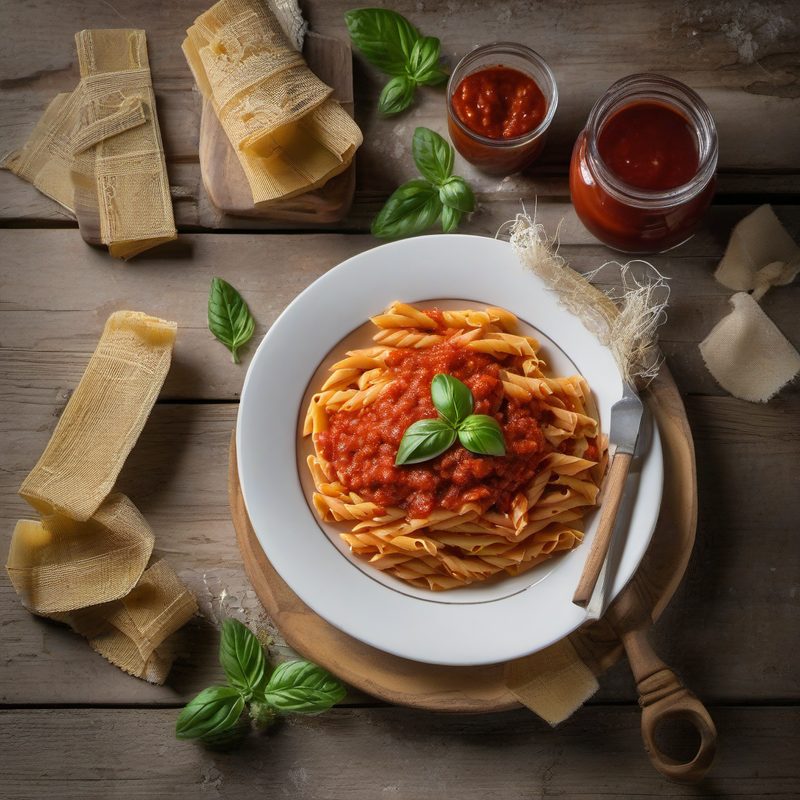
Maccarune Muorte
| Amount | Ingredient |
|---|---|
| Calories | ~645 kcal |
| Fat | 36 g |
| Saturated Fat | 5 g |
| Carbohydrates | 72 g |
| Fiber | 6 g |
| Protein | 14 g |
| Sodium | 520 mg |
| Sugars | 14 g |
Sicilian All Saints Pasta with Walnut Sauce — "Macaroni of the Dead"
Category & Info
- Category: Primi piatti (First Courses)
- Sub-Category: Cucina Siciliana — Pasta Dolce (Sicilian Cuisine — Sweet Pasta)
- Traditional Region: Sicily (Palermo, Messina, Enna, Agrigento)
- Era/Etymology: Maccarune d' 'e muorte translates to "Macaroni of the Dead" in Sicilian. This ancient dish is prepared on November 1st and 2nd for Ognissanti (All Saints' Day) and Commemorazione dei Defunti (All Souls' Day), when Sicilians believe the souls of the departed return to visit the living. The sweet walnut sauce — mustarda or pasta di noci — combines Arab-and Norman-influenced ingredients (walnuts, cinnamon, sugar, and chocolate) that reflect Sicily's layered culinary history. It is one of the island's most distinctive pasta dolce preparations, a category of savory-sweet pasta dishes that once flourished across the island but are now rare outside of family traditions and holidays.
- Yield: Serves 4 as a primo piatto
- Active Time: 25 minutes
- Total Time: 35 minutes
- Difficulty: Easy
Why This Recipe Works
Maccarune d' 'e muorte is one of Sicily's most beguiling culinary paradoxes — a pasta dish that is simultaneously savory, sweet, nutty, and faintly bitter, meant to honor the dead by offering them the richest, most symbolic ingredients the kitchen can provide. The challenge is threefold: achieving a finely textured walnut coating that clings to the pasta without becoming pasty, balancing the sweetness so the dish reads as savory-adjacent rather than dessert-like, and ensuring the toasted breadcrumbs provide structure rather than dust. We toast the walnuts and breadcrumbs separately — the walnuts until deeply fragrant and the breadcrumbs until pale gold — then grind the walnuts to a fine meal before combining them with the breadcrumbs, sugar, cinnamon, and grated dark chocolate. The key is reserving a portion of the walnut-breadcrumb mixture for garnish, creating a contrast between the coated pasta and a final crunchy sprinkle. A generous glug of good olive oil provides the necessary fat to carry the walnut mixture and keeps the pasta from clumping, while the bitter edge of high-percentage dark chocolate (70% or above) cuts through the sweetness and prevents the dish from becoming cloying. The result is an ancient, hauntingly beautiful pasta that tastes of Sicily itself: sweet, bitter, nutty, and profound.
Equipment
- Large pasta pot (8-quart / 7.6 L) with colander insert or separate colander
- 12-inch (30 cm) skillet or sauté pan
- Food processor or mortar and pestle (for grinding walnuts)
- Rimmed baking sheet (for toasting walnuts and breadcrumbs)
- Chef's knife
- Cutting board
- Large mixing bowl
- Wooden spoon
- Fine-mesh strainer (if grinding walnuts very fine)
- Measuring cups and spoons
- Box grater or Microplane (for chocolate)
Ingredients
#### For the Walnut-Breadcrumb Mixture (Mustarda di Noci)
#### For the Pasta
Prep & Toasting
- Toast the walnuts: Preheat the oven to 350°F (175°C). Spread the walnut halves on a rimmed baking sheet in a single layer. Toast for 8–10 minutes, shaking the pan halfway through, until the walnuts are deeply fragrant and the skins have darkened slightly. The nuts should smell toasty and nutty, not burnt — they will continue to darken from residual heat. Remove from the oven and let cool completely on the baking sheet, about 10 minutes.
- Toast the breadcrumbs: While the walnuts cool, return the oven to 325°F (160°C) if it has dropped, or use a separate skillet. Oven method: Spread the breadcrumbs on a clean baking sheet and toast for 5–7 minutes, stirring once, until pale golden and fragrant. Skillet method: Place the breadcrumbs in a dry 12-inch (30 cm) skillet over medium heat and cook, stirring constantly, until pale golden — about 3–4 minutes. Do not let them darken beyond light gold, or they will taste bitter. Transfer to a bowl immediately to stop the cooking.
- Grate the chocolate: Using a Microplane or the fine side of a box grater, grate the dark chocolate into fine shards. Set aside. If the chocolate softens from the heat of your hands, chill it for 5 minutes in the refrigerator before grating.
Cooking Instructions
#### Step 1: Grind the Walnut-Breadcrumb Mixture (5 minutes)
- Transfer the cooled toasted walnuts to a food processor. Pulse in short bursts (10–15 pulses of 1 second each) until the walnuts are ground to a coarse-fine meal — the texture should resemble coarse sand with a few slightly larger pieces remaining for texture. Do not over-process, or the walnuts will release their oils and turn into walnut butter.
- Transfer the ground walnuts to a large mixing bowl. Add the toasted breadcrumbs, grated chocolate, sugar, cinnamon, and salt. Whisk thoroughly to combine — every grain of breadcrumb and walnut should be evenly coated with the sugar and cinnamon.
- Reserve ¼ cup (60 ml) of this mixture in a small bowl for garnish. Set aside.
#### Step 2: Prepare the Pasta Water & Cook (10–12 minutes)
- Fill a large pasta pot with 4–5 quarts (3.8–4.7 L) of water. Bring to a rolling boil over high heat.
- Add 2 tablespoons (36 g) salt — the water should taste like the sea.
- Add the pasta and cook according to package directions until al dente (typically 1 minute less than the package recommends for packaged dry pasta). Stir occasionally to prevent sticking.
- Reserve 1 cup (240 ml) of the starchy pasta cooking water before draining, then drain the pasta in a colander. Do not rinse.
#### Step 3: Dress the Pasta (3 minutes)
- Return the drained pasta to the warm pasta pot (off heat) or transfer it to a large warmed mixing bowl.
- Immediately drizzle with 3 tablespoons (45 ml) of extra-virgin olive oil and toss vigorously with tongs or a wooden spoon until every piece of pasta is slick and glossy. This initial oil coating is essential — it prevents the pasta from sticking to itself and provides the fatty base that the walnut mixture will cling to.
- Add the walnut-breadcrumb mixture (the non-reserved portion) in three additions, tossing thoroughly between each addition. Use tongs to lift and separate the pasta, ensuring the mixture penetrates between the pieces and coats every surface. As you toss, the breadcrumbs and ground walnuts will adhere to the oiled pasta, creating a textured, fragrant coating.
- If the mixture seems dry and is not adhering, drizzle in reserved pasta water 1 tablespoon at a time and toss vigorously. The starch in the pasta water will help bind the walnut mixture to the pasta. You may need up to ¼ cup (60 ml) of pasta water, but the goal is a loose, clingy coating — not a wet, soggy sauce.
#### Step 4: Serve (2 minutes)
- Divide the pasta among four warmed shallow bowls, creating neat, coiled portions with tongs.
- Drizzle each serving with a fine thread of extra-virgin olive oil (about 1 teaspoon per serving).
- Sprinkle the reserved walnut-breadcrumb mixture generously over each bowl — this final garnish provides a crucial textural contrast between the soft, coated pasta below and the crunchy, dry crumbs on top.
- Optional: Add a final crack of black pepper and, if desired, a tiny pinch of flaky sea salt — both heighten the savory-sweet tension that defines this dish.
- Serve immediately. This pasta waits for no one — the walnut coating is at its best fresh and aromatic.
Serving Suggestions
- Serve as a primo piatto in a traditional Sicilian All Saints' Day menu, followed by baccalà alla messinese (Messina-style salt cod) or involtini di melanzane (stuffed eggplant rolls), and finished with frutta di Martorana (marzipan fruits).
- For a piatto unico (complete meal), pair with a sharply dressed bitter greens salad — wild arugula or chicory with lemon juice — whose acidity cuts through the sweet richness of the pasta.
- This dish is traditionally eaten on November 1st and 2nd, but it also appears during the Christmas season in some Sicilian households. It makes an unusual and conversation-starting addition to any holiday table.
- Wine pairing: A dry, off-dry or slightly aromatic white is ideal. Try a Sicilian Moscato di Pantelleria (dry/secco version), a Grillo with some ripeness, or a Malvasia delle Lipari (dry). The wine should have enough fruit and aromatic intensity to stand up to the cinnamon and chocolate without being overwhelmed. For a non-alcoholic pairing, serve with freshly squeezed blood orange juice or a fennel-seed tisane.
Storage & Reheating
- Refrigerator: The assembled dish is best eaten immediately — the breadcrumbs lose their crunch and the walnut coating softens within about 30 minutes. Leftovers can be refrigerated in an airtight container for up to 2 days, but the texture will be noticeably different: the pasta will have absorbed moisture and the coating will be soft and homogenous.
- Reheating: The best method is to reheat in a skillet over medium heat with a drizzle of olive oil and a tablespoon of water, tossing frequently until warmed through (3–4 minutes). The texture will not be as crunchy as fresh, but the flavor remains compelling. Do not microwave — it will turn the walnut coating gummy.
- Make-ahead strategy: You can prepare the walnut-breadcrumb mixture (Steps 1 in Cooking Instructions) up to 3 days in advance. Store it in an airtight container at room temperature. Cook the pasta and assemble immediately before serving. Toast the walnuts and breadcrumbs fresh for best flavor — they lose their fragrance over time.
- Freezing: Not recommended. The texture of both the pasta and the walnut coating degrades unacceptably upon thawing.
Quality & Timing Notes
- The walnut grind is everything: Grind the walnuts to a fine meal — coarse enough to have texture but fine enough to cling to the pasta. If you grind too coarsely, the walnut pieces will fall to the bottom of the bowl. If you grind too fine, you'll get walnut butter. The ideal texture is just slightly coarser than sand. When in doubt, err on the side of slightly coarser; you can always pulse a few more times, but you cannot un-grind over-processed walnuts.
- Do not skip toasting: Raw walnuts taste bitter and astringent; toasting transforms them into sweet, fragrant, buttery morsels. The toasting step is non-negotiable for the dish's character. Similarly, untoasted breadcrumbs taste raw and floury — toasting dries them out and adds the crucial crunchy texture.
- Oil is the binder: The olive oil coating on the pasta is what allows the dry walnut-breadcrumb mixture to adhere. Do not skimp on the oil, and toss immediately after draining — hot pasta absorbs oil more readily than cooled pasta.
- Pasta water is the emergency release: The reserved pasta water is not always necessary, but it rescues a dry, dusty coating. Add it sparingly — 1 tablespoon at a time — and toss vigorously after each addition. The goal is a coating that clings, not a sauce that pools.
- Serve at once: This is not a dish that improves with resting. The contrast between the warm, oiled pasta and the dry, crunchy walnut coating is the central textural experience, and it fades within minutes. Everything else (the breadcrumb toasting, the chocolate grating, the pasta timing) should be orchestrated so that the final assembly happens immediately before serving.
- Chocolate matters: Use a dark chocolate you would enjoy eating — at least 70% cacao. Milk chocolate or low-percentage dark chocolate will make the dish overwhelmingly sweet and one-dimensional. The bitterness of good dark chocolate is essential for balance.
- Cinnamon choice: Ceylon cinnamon (Cinnamomum verum) is preferred over the more common Cassia cinnamon. Ceylon is sweeter, more delicate, and less aggressively pungent — its subtle warmth complements the walnuts and chocolate without overwhelming them.
Nutritional Information (per serving)
Note: Nutritional values are estimates based on standard ingredient data; actual values will vary by specific brands and ingredient sizes. The relatively high fat content comes primarily from the walnuts and olive oil — both heart-healthy sources.
Recipe History & Lore
Maccarune d' 'e muorte belongs to a profound and little-understood category of Italian cuisine: pasta dolce (sweet pasta). Before the tomato became ubiquitous in Southern Italian cooking (a relatively recent development — tomatoes only entered widespread Italian use in the 19th century), sweet and savory-sweet pasta dishes were far more common. Sicily, with its Arab, Norman, Spanish, and Greek influences, preserved this tradition more tenaciously than any other region.
The connection to the dead — i morti — runs deep in Sicilian folk belief. On the night of November 1st into November 2nd, it is said that the souls of the departed return to their earthly homes to check on their living relatives. Families prepare the favorite foods of their ancestors and leave them out overnight — a practice known as "tavula di li morti" (the table of the dead). Children wake to find frutta di Martorana (marzipan fruits), ossa di morto (\"bones of the dead\" — crisp almond cookies), and pupi di zuccaru (sugar dolls) left by the visiting souls. Maccarune d' 'e muorte is the savory-sweet pasta centerpiece of this ritual meal.
The ingredients are deeply symbolic: walnuts represent prosperity and the cycle of life (the hard shell contains the living kernel); cinnamon and sugar were expensive luxuries offered to honored guests — and what guest is more honored than a returning ancestor? Dark chocolate, introduced to Sicily by the Spanish, became associated with luxury and solemnity. The breadcrumbs, humble and thrifty, ground the dish in the cucina povera tradition that has always been the backbone of Sicilian cooking.
In the small town of Enna, in the heart of Sicily, the dish is sometimes called "maccu di li morti" and prepared with a different pasta shape — sciliateddi, a short, hand-rolled spiral. In Messina, home cooks add a pinch of clove alongside the cinnamon. In Palermo, some families fold in raisins that have been plumped in Marsala wine. But the essential character — a short pasta coated in a sweet, nutty, spiced mixture of walnuts, breadcrumbs, sugar, cinnamon, and chocolate — remains constant across the island.
Today, Maccarune d' 'e muorte is becoming increasingly rare, kept alive mostly by grandmothers in Sicilian hill towns and by nostalgic diaspora families. It is almost never found in restaurants, even in Sicily — it remains stubbornly a cibo della casa, a food of the home and of memory.
Variations
- With Raisins: Plump 50 g (⅓ cup) of golden raisins in ¼ cup (60 ml) of warm Marsala wine or water for 15 minutes. Drain and fold into the walnut mixture before tossing with the pasta. The sweet, chewy raisins add a pleasing textural contrast and an extra layer of sweetness.
- With Clove and Nutmeg: Add a pinch (⅛ tsp) of ground clove and a pinch (⅛ tsp) of freshly grated nutmeg to the walnut mixture alongside the cinnamon. Common in the Messina area, this spiced variation is deeper and more aromatic.
- With Marsala: Replace 2 tablespoons of the olive oil with dry Marsala wine. Drizzle the Marsala over the drained pasta before adding the walnut mixture, and toss to coat. The fortified wine's nutty, caramel notes echo the walnuts beautifully.
- Toasted Almond Variation: Substitute 50 g (⅓ cup) of the walnuts with an equal weight of blanched, toasted almonds. The almonds provide a different nuttiness — lighter and sweeter — that some find more approachable.
- Pine Nut Version: Add 30 g (3 tbsp) of pine nuts, toasted in a dry skillet until fragrant (2–3 minutes), to the reserved garnish mixture. The buttery, resinous pine nuts are a classic Sicilian ingredient.
- Savory-Sweet Balance: For a less sweet version, reduce the sugar to 30 g (2 tbsp) and add ½ teaspoon of cracked black pepper to the walnut mixture. The pepper's heat and the chocolate's bitterness will create a more savory profile that still retains the dish's essential identity.
- Gluten-Free Adaptation: Use gluten-free short pasta (rice or corn blend) and gluten-free breadcrumbs (or crushed gluten-free crackers). The technique remains identical. Note that the texture will be slightly different — gluten-free pasta is less resilient and may absorb more oil — so reduce the olive oil to 2 tablespoons and add pasta water more cautiously.
- Casual / Faster Version: Skip the separate toasting of walnuts and breadcrumbs by toasting them together in a single skillet: add the walnuts to a dry skillet over medium heat, toast for 3 minutes, then add the breadcrumbs and continue toasting, stirring constantly, for another 2–3 minutes until both are golden and fragrant. This technique saves time but requires constant attention to prevent burning.
Troubleshooting
| Problem | Likely Cause | Solution |
|---|---|---|
| Walnut mixture won't stick to pasta | Pasta not sufficiently oiled, or mixture ground too coarsely | Add 1–2 more tablespoons of olive oil and toss vigorously. If still not adhering, add reserved pasta water 1 tbsp at a time. |
| Pasta is dry and dusty | Too much breadcrumb mixture, not enough oil, or pasta water omitted | Drizzle with olive oil and reserved pasta water, toss vigorously. The coating should be moist but not wet. |
| Dish is too sweet | Sugar ratio too high, or chocolate not bitter enough | Add a pinch of salt and a crack of black pepper to balance. Next time, use 70%+ dark chocolate and reduce sugar to 35 g (3 tbsp). |
| Walnuts taste raw and astringent | Walnuts not toasted long enough | Unfortunately, this cannot be fixed after assembly. Next time, toast until deeply fragrant — 8–10 minutes at 350°F (175°C). |
| Walnut mixture turned into paste | Over-processed in food processor | Use the mixture anyway — it will still taste good, though the texture will be less appealing. Next time, pulse in short bursts. |
| Breadcrumbs are bitter | Over-toasted or burnt | Start again with fresh breadcrumbs. Burnt breadcrumbs cannot be salvaged. Toast at 325°F (160°C) for 5–7 minutes, watching carefully. |
| Pasta clumps together | Not tossed immediately after draining, or insufficient oil | Transfer to a bowl, drizzle with olive oil, and toss vigorously with your hands or tongs to break up clumps before adding the walnut mixture. |
| Chocolate seized into hard clumps | Chocolate not grated finely enough, or cold chocolate hit warm pasta | Grate chocolate on a Microplane; toss immediately after adding. The residual heat should melt the fine shards. |
Recipe Card Summary
> Maccarune d' 'e Muorte (Sicilian All Saints Pasta with Walnut Sauce)
> Serves: 4 | Active Time: 25 min | Total Time: 35 min
>
> Category: Primi piatti — Cucina Siciliana
>
> Toast 200g walnuts at 350°F (175°C) for 8–10 min; cool. Toast 100g breadcrumbs at 325°F (160°C) for 5–7 min until pale gold. Grind toasted walnuts to a fine meal in a food processor. Combine ground walnuts, toasted breadcrumbs, 50g grated dark chocolate (70%+), 50g sugar, 1 tsp cinnamon, and ¼ tsp salt. Reserve ¼ cup for garnish. Cook 350g short pasta in salted boiling water until al dente; reserve 1 cup pasta water and drain. Toss hot pasta with 3 tbsp olive oil, then add the walnut mixture in three additions, tossing thoroughly. Add pasta water 1 tbsp at a time if dry. Serve in warm bowls; drizzle with olive oil and top with reserved garnish.
Recipe from The Italian Kitchen by Vita Milanese — Volume 1 · Pasta Perfetto. Discover all volumes on the ebook page.