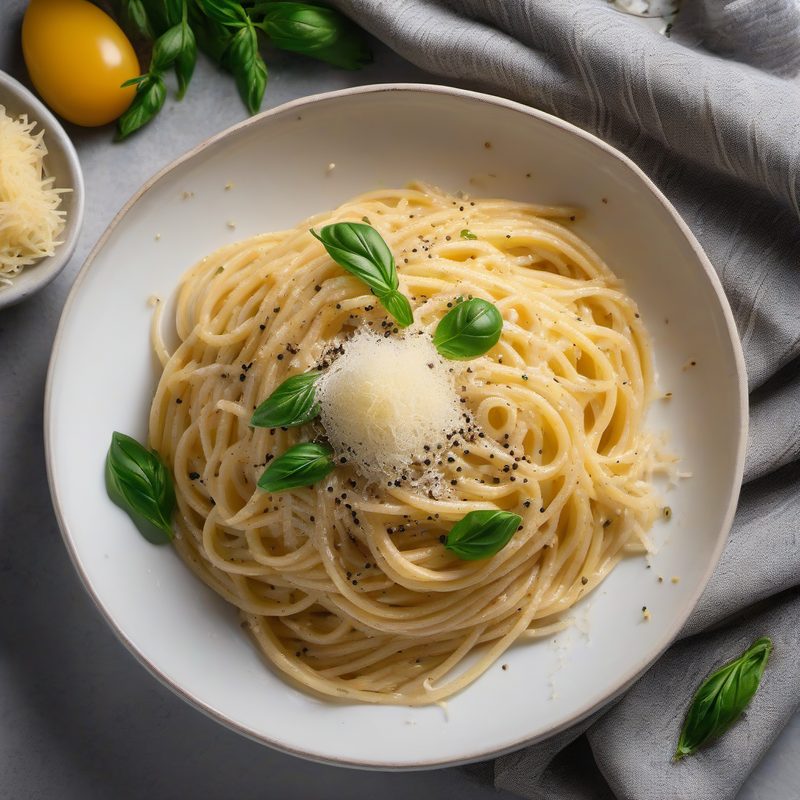
Blue Crab Spaghetti
A sun-drenched bowl of spaghetti tangled with sweet, briny blue crab in a deeply savory tomato sauce — the essence of coastal Italian cooking, where the crab's natural sweetness is coaxed out by garlic, chili, and white wine, then cradled by al dente pasta.
| Amount | Ingredient |
|---|---|
| 320 g (¾ lb) | Spaghetti (or linguine) |
| 2 whole (about 1 lb / 450 g each) | Blue crabs, live or freshly killed (see note) |
| 400 g (14 oz / 1 can) | Canned cherry tomatoes (San Marzano, crushed by hand) |
| 2 cloves | Garlic, thinly sliced |
| 100 ml (⅓ cup + 1 tbsp) | Dry white wine (Pinot Grigio or Vermentino) |
| 1 | Fresh red chili (peperoncino), finely chopped (or ½ tsp red pepper flakes) |
| ¼ cup (60 ml) | Extra-virgin olive oil, plus more for finishing |
| To taste | Kosher salt |
| 3 tbsp | Fresh flat-leaf parsley, finely chopped |
Blue crab (Callinectes sapidus — the "beautiful savory swimmer") has become an unexpected star of Italian cuisine. Though native to the western Atlantic, this aggressive crustacean has colonized the Adriatic and Mediterranean, where Italian cooks — ever pragmatic — turned an invasive species into a delicacy. The crabs are caught young, cooked whole or in pieces, their shells lending a profound marine depth to the sauce that no filleted seafood can match. This spaghetti dish captures the spirit of scoglio (rocky shore) cooking: rough, elemental, and intensely flavored. The crabs are sautéed shell-on, releasing their coral (roe) and tomalley (hepatopancreas) into the olive oil, creating a sauce that tastes of the sea itself — briny, sweet, and faintly smoky from the charred shells. It's messy, it's hands-on, and it is absolutely worth every last suck and crack of the shells at the table.
Use level tablespoons and standard US measuring cups. All produce is medium unless specified.
🥘 Equipment
- Large pot (6–8 quarts / 6–8 L) — for boiling pasta
- Large, deep skillet or Dutch oven (12-inch / 30 cm) — wide enough to hold the crab pieces in a single layer
- Chef's knife and cutting board
- Kitchen shears (for cleaning crabs)
- Wooden spoon or spatula
- Tongs
- Slotted spoon or spider skimmer
- Small bowl (for crab cleaning scraps)
- Serving bowl or platter
📋 Preparation
Step 1 — Clean the Crabs (10 minutes)
Fill a large bowl with ice water. Working with one crab at a time, turn the crab onto its back (the white underside facing up). Using your fingers or kitchen shears, pull up and twist off the triangular apron (the small flap on the belly — it's the tail plate). Discard.
Flip the crab over and lift the top shell (carapace) by sliding your thumb under the back edge — it should pop off cleanly. Inside, you'll see the gills (the "dead man's fingers" — feathery, grayish-white structures on either side). Pull them off and discard.
Rinse the body cavity under cold running water to remove any sand or grit. Using a heavy chef's knife, cut each cleaned crab into 4 pieces: first cut straight down the center line, then cut each half crosswise at the joint. The legs will naturally separate into sections. Pat the pieces dry with paper towels — dry crabs sear; wet crabs steam.
The crab "mustard" (tomalley) and any coral (roe) are intensely flavorful — do not rinse them away. They'll dissolve into the oil and sauce, creating the dish's signature briny richness. If you're squeamish about whole crabs, ask your fishmonger to clean and quarter them for you, but do it the day you buy them — blue crabs deteriorate fast.
Step 2 — Sear the Crab (8 minutes)
Heat the olive oil in a large, deep skillet or Dutch oven over medium-high heat until shimmering — the oil should ripple when you tilt the pan.
Add the crab pieces in a single layer, working in batches if necessary (crowding drops the temperature and the crabs will steam, not sear). Cook without moving for 3 minutes, until the shells turn a deep, vibrant red and the edges look slightly charred. Using tongs, flip each piece and cook for another 2 to 3 minutes on the second side. The kitchen should smell intensely of crab — sweet, briny, and toasty.
Remove the crab pieces to a plate or bowl with tongs. Leave the oil and any browned bits in the pan.
Searing the crabs shell-on is non-negotiable. The high heat caramelizes the natural sugars in the meat and shells, adding a layer of smoky, almost barbecue-like flavor that you simply cannot get from boiled or steamed crab. The shells also release compounds into the oil that form the backbone of the sauce.
Step 3 — Build the Sauce (15 minutes)
Reduce the heat to medium. Add the sliced garlic and chopped chili to the oil in the pan. Cook, stirring constantly, for 45 to 60 seconds, until the garlic is fragrant and just beginning to turn golden at the edges. Do not let it brown — burnt garlic is bitter.
Pour in the white wine, scraping the bottom of the pan with a wooden spoon to loosen any browned bits (fond). Let the wine bubble vigorously for 1 to 2 minutes, until reduced by about half and the alcohol smell has cooked off.
Add the crushed cherry tomatoes (crush them directly into the pan through your fingers or a potato masher — leave some chunks for texture). Season with ½ teaspoon of salt. Stir to combine.
Return the crab pieces to the pan, nestling them into the sauce. Reduce the heat to medium-low, cover, and cook for 12 to 15 minutes, stirring once or twice. The shells will release their flavor into the sauce, and the sauce will thicken slightly.
Using the back of a wooden spoon, gently crush some of the larger crab body pieces against the side of the pan to release more flavor from the shells and any tomalley. Don't pulverize them — just a firm press to crack the shells open. The sauce should darken to a warm brick-red and smell irresistibly of the sea.
Remove the pan from the heat. Using tongs, transfer the crab pieces to a clean plate or bowl and cover loosely with foil to keep warm.
The long simmer is where the magic happens. The sauce picks up not just the cooked crab flavor from the shells but also the sweet, rich tomalley and any coral. If you see orange-red specks in the sauce, that's the crab roe — a delicacy. The sauce should taste intensely of crab before the pasta even touches it.
Step 4 — Cook the Pasta (10 minutes)
While the sauce simmers, bring a large pot of water (at least 4 quarts / 4 L) to a rolling boil. Add 2 tablespoons of kosher salt — the water should taste like the sea.
Add the spaghetti and cook according to package directions until al dente (firm to the bite), usually 8 to 10 minutes. Stir once or twice in the first 2 minutes to prevent sticking.
Reserve 1 cup (240 ml) of the pasta cooking water, then drain the spaghetti in a colander. Do not rinse.
The starchy pasta water is your secret weapon — it loosens the sauce and helps it cling to every strand of spaghetti. The salt in the pasta water is the only salt the pasta gets; don't skimp. The water should taste noticeably salty, like a mild seawater.
Step 5 — Combine and Serve (3 minutes)
Return the skillet with the sauce to medium-low heat. Add the drained spaghetti and toss with tongs, coating every strand in the reddish-orange sauce. If the sauce seems thick, add ¼ cup (60 ml) of the reserved pasta water and toss again — the sauce should coat the pasta like a glaze, not pool at the bottom.
Add the crab pieces back to the pan, nestling them into the pasta. Cook for 1 minute to let everything reheat together. If the pasta looks dry, add more pasta water, 1 tablespoon at a time.
Remove from heat. Drizzle with a finishing swirl of extra-virgin olive oil and sprinkle with fresh chopped parsley. Toss once more.
Transfer to a large serving platter or individual bowls, making sure each serving gets at least one large crab piece. Serve immediately with extra chili flakes on the side for those who want more heat, and provide finger bowls, plenty of napkins, and a bowl for discarded shells — this is a hands-on dish.
The final toss in the sauce is what elevates this dish from "pasta with crab on top" to "crab-infused pasta." The pasta finishes cooking in the sauce, absorbing the briny, sweet, spicy flavors. Don't skip the finishing olive oil — it adds freshness and shine.
🧑🍳 Chef's Tips
- Freshness is everything with blue crab: Blue crabs spoil faster than almost any other seafood. Buy them live or freshly killed on the day you cook. If the crab smells overly fishy or ammoniated, it's past its prime. A live crab should be feisty; a dead crab before cooking should be used immediately (and only if it smells clean and briny, like the ocean).
- Substitute other crabs in a pinch: If blue crab isn't available, use any small, hard-shell crab — Jonah crab, rock crab, or even whole soft-shell crabs (though soft-shells need a shorter cook time). The key is using whole crabs with shells; pre-picked crab meat will not produce the same depth of flavor. The shells are the flavor engine.
- Don't skip the pasta water: The starchy water binds the sauce to the pasta. Without it, the olive oil and tomato sauce slide off the spaghetti and pool at the bottom of the bowl. Add it slowly — you can always add more, but you can't take it out.
- Serve with finger bowls: This dish demands engagement. Provide each diner with a small bowl of warm water with a lemon slice for cleaning fingers, plus a discard bowl for empty shells. Napkins are essential. Embrace the mess — it's part of the experience.
- The chili is negotiable: A single fresh peperoncino adds a gentle warmth that complements the sweet crab without overpowering it. If you want more heat, use two chilies or add red pepper flakes at the table. For a milder version, seed the chili before chopping.
- Use good olive oil: Since the oil is the first thing in the pan and the last thing on the dish, it matters. Use a bright, peppery extra-virgin olive oil for both cooking and finishing — it will carry the crab flavor from start to finish.
- Freeze leftover crab stock: If you end up with any extra crab shells or bodies after cleaning, don't throw them away. Freeze them and use them to make a quick seafood stock for risotto or soup another day.
❌ Common Mistakes
| Mistake | Why It Hurts | The Fix |
|---|---|---|
| Using pre-picked crab meat | You lose the shell flavor — the tomalley, coral, and caramelized shell compounds are what make the sauce special | Use whole, shell-on crabs and let the shells infuse the oil and sauce |
| Overcooking the pasta | Mushy spaghetti can't support the chunky, rustic sauce — the dish becomes a paste | Cook to al dente (firm to the bite); it will finish cooking in the sauce |
| Not drying the crabs before searing | Wet crabs steam instead of sear — you get gray, watery shells instead of red, caramelized ones | Pat the crab pieces thoroughly dry with paper towels before they hit the oil |
| Adding the pasta water too fast | A thin, soupy sauce slides off the pasta instead of clinging to it | Add ¼ cup at a time, tossing between additions, until the sauce coats each strand like a glaze |
| Skipping the resting step after searing | The crab meat can overcook during the simmer if you don't remove it | Sear the crabs, set them aside, build the sauce, then return them at the end to warm through |
| Burning the garlic | Burnt garlic is acrid and overwhelms the delicate sweetness of the crab | Cook garlic over medium heat, stirring constantly, and pull it the moment it turns golden |
| Undersalting the pasta water | Pasta absorbs salted water from the inside — insufficient salt makes the whole dish taste flat | Use 2 tablespoons of kosher salt per 4 quarts of water; the water should taste like the sea |
| Not crushing the shells during simmering | The richest sauce comes from cracked shells releasing their flavorful juices | Gently press the larger body pieces with the back of a spoon during the last few minutes of simmering |
| Serving without finger bowls | Diners end up with greasy, crab-scented hands and no way to clean them | Set out finger bowls with warm water and lemon slices before anyone sits down |
💡 Variations
| Variation | How To |
|---|---|
| Spaghetti al Granchio con Pane Grattato (with Toasted Breadcrumbs) | While the pasta cooks, toast ½ cup fresh breadcrumbs in 2 tbsp olive oil with a pinch of chili flakes until golden and crisp. Sprinkle over the finished dish for a crunchy contrast to the tender crab and slippery spaghetti — a Calabrian-inspired touch. |
| Linguine al Granchio e Limone (Crab with Lemon) | Add 1 teaspoon of finely grated lemon zest to the sauce along with the tomatoes, and finish the dish with a squeeze of fresh lemon juice (about 1 tablespoon) and the parsley. The acidity brightens the rich crab flavor beautifully. |
| Spaghetti al Granchio Piccante (Extra-Spicy Crab) | Double the chili — use 2 fresh peperoncini (or 1 teaspoon red pepper flakes) in the initial sauté, and add another chopped chili with the tomatoes. Finish with a drizzle of chili-infused olive oil at the table. |
| Spaghetti al Granchio con Panna (Creamy Crab) | After returning the crab to the sauce, stir in ¼ cup (60 ml) of heavy cream. The cream mellows the tomato acidity and creates a luscious, coral-pink sauce that clings luxuriously to the pasta. |
| Spaghetti al Granchio e Bottarga (Crab with Bottarga) | Grate 20 g (¾ oz) of bottarga (cured mullet or tuna roe) over the finished dish just before serving. The salty, umami-rich bottarga amplifies the brininess of the crab and adds a layer of Mediterranean luxury. |
| Spaghetti al Granchio e Finocchio (Crab with Fennel) | Add ½ bulb of fennel, thinly sliced, to the garlic and chili sauté. Cook until softened (about 5 minutes), then proceed with the wine and tomatoes. The anise-like sweetness of fennel is a classic pairing with shellfish. |
| Spaghetti al Granchio con Pomodori Secchi (with Sun-Dried Tomatoes) | Replace half the canned tomatoes with 150 g (5 oz) oil-packed sun-dried tomatoes, drained and chopped. Their concentrated sweetness and chewy texture add depth and complexity to the sauce. |
| Spaghetti Nero di Seppia (Black Spaghetti with Crab) | Use squid-ink pasta (spaghetti nero) and add 1 tablespoon of squid ink to the sauce with the wine. The dramatic black noodles and the sweet orange-red crab create a stunning visual contrast, and the ink adds a deep, mineral ocean flavor. |
❄️ Storage & Leftovers
| Method | Details |
|---|---|
| Refrigerator (pasta without crab) | Store leftover spaghetti (without the crab pieces) in an airtight container for up to 2 days. The crab shells should be removed and discarded before storing — they'll make the pasta soggy and the shells will leach bitterness overnight. |
| Refrigerator (crab meat only) | Pick the remaining meat from the shells, discard the shells, and store the meat in a covered container for up to 1 day. Use it for crab salad or a quick crab toast. |
| Reheating (skillet, best) | Reheat the spaghetti in a nonstick skillet over medium-low heat with a splash of pasta water or white wine. Toss gently until heated through — about 3–4 minutes. Do not microwave the shells. |
| Reheating (microwave, pasta only) | Microwave the pasta (no shells) on medium power in 30-second bursts, stirring between each, until just warm. High power will toughen the pasta. |
| Freezer (sauce only) | The tomato-crab sauce (strained of shells) freezes well for up to 3 months. Cool completely, transfer to a freezer-safe container, and thaw overnight in the refrigerator before reheating with fresh pasta. |
| Crab stock from shells | Don't throw away the cooked shells! Simmer them in 4 cups of water with a carrot, a celery stalk, and a bay leaf for 30 minutes. Strain and freeze the stock for risotto, cioppino, or seafood soup. |
🍷 Wine Pairing
| Wine | Why |
|---|---|
| Vermentino di Sardegna | The quintessential pairing — a crisp, saline white from Sardinia with notes of green apple, citrus, and wild herbs. Its bright acidity cuts through the rich olive oil and tomalley, while its subtle bitterness echoes the chili. |
| Greco di Tufo (Campania) | A fuller-bodied white with a distinct mineral, almost flinty character and notes of ripe pear and white peach. The body stands up to the crab's richness, while the acidity keeps it fresh. |
| Gavi di Gavi (Piedmont) | Elegant, restrained, and floral — Cortese grapes produce a wine with nervy acidity and a lemony finish that mirrors the lemon zest variation perfectly. A classic seafood partner. |
| Fiano di Avellino (Campania) | Smoky, honeyed, and complex, with notes of hazelnut and beeswax. The slight nuttiness pairs beautifully with the caramelized crab shells and the olive oil. |
| Soave Classico (Veneto) | A benchmark Italian white — light, mineral, with almond and citrus notes. The high acidity and low tannins (zero tannins, actually) make it a safe, crowd-pleasing choice that won't compete with the crab. |
| Etna Bianco (Sicily) | Volcanic, salty, and electric — Carricante grapes grown on the slopes of Mount Etna produce a wine with piercing minerality and a long, savory finish. The salinity echoes the briny crab. |
| Franciacorta Brut (Lombardy) | A sparkling wine from northern Italy — méthode traditionnelle. The bubbles scrub the palate clean between each rich, garlicky, chili-spiked bite. Unexpected but revelatory. |
| Dry Rosé (Cerasuolo d'Abruzzo or Salento) | A serious, pale rosé with enough structure for the crab and tomatoes but enough freshness for a hot summer night. Serve well-chilled. |
| Lambrusco (dry, secco) | A chillable, fizzy red — the low tannins, high acidity, and slight bitterness of Lambrusco Grasparossa pair brilliantly with the tomato-chili base. Serve at 55°F (13°C). |
| Craft Pilsner or Italian Lager (Birra Moretti, Peroni) | A crisp, cold lager — the clean malt profile and sharp bitterness are a perfect palate cleanser between each succulent, messy bite of crab. |
🥗 Suggested Sides
- Insalata di Finocchi e Arance (Fennel and Orange Salad) — thin-shaved fennel, segments of blood orange, a pinch of salt, and a drizzle of olive oil; bright, refreshing, and cleansing alongside the rich crab pasta
- Bruschetta al Pomodoro — toasted country bread rubbed with garlic, topped with diced ripe tomatoes, basil, and a drizzle of olive oil; a simple, classic starter
- Carciofi alla Romana (Roman-Style Artichokes) — braised artichokes with mint, garlic, and white wine; their subtle bitterness complements the sweet crab
- Zucchine alla Scapece (Marinated Zucchini) — thin-sliced zucchini quickly fried, then marinated in vinegar, mint, and garlic; a bright, tangy side that cuts through the richness
- Peperoni Arrostiti (Roasted Bell Peppers) — roasted red and yellow peppers, peeled and dressed with olive oil, capers, and anchovy; the sweet-smoky peppers and briny capers echo the dish's flavors
- Insalata Verde Semplice (Simple Green Salad) — arugula or mixed greens with lemon vinaigrette; the bright acidity and peppery greens reset the palate between bites of rich crab pasta
- Fagiolini all'Agro (Green Beans with Lemon and Garlic) — blanched green beans tossed with lemon zest, garlic, and olive oil; simple, fresh, and crunchy
- Pane Pugliese (Pugliese Bread) — a robust, crusty sourdough from Puglia — perfect for sopping up every last drop of the orange-hued crab sauce from the bottom of the bowl
📊 Nutrition (per serving)
| Calories | Protein | Fat | Carbs | Fiber |
|---|---|---|---|---|
| 685 | 38 g | 22 g | 78 g | 5 g |
Nutrition information is an estimate and depends on the amount of oil absorbed, the tomato brand, and the specific crab yield. Blue crab is surprisingly lean — most of the fat in this dish comes from the olive oil. This is a substantial main course; a single serving with a side salad makes a complete meal. Diners should expect to work for every bite — cracking shells, extracting meat — which naturally slows down eating and makes the dish feel even more satisfying.
❓ FAQ
Can I use frozen blue crab for this recipe?
Frozen blue crab is better than no crab, but it will never match the flavor of fresh. Frozen crabs release a lot of water when thawed, which dilutes the sauce and prevents proper searing. If using frozen, thaw overnight in the refrigerator, pat extremely dry, and sear in batches. Expect a less intense flavor — consider adding 1 teaspoon of anchovy paste or fish sauce to the sauce to boost the savory depth.
I can't find blue crab. What other crabs work?
Any small, hard-shell crab will work — Jonah crab, rock crab, Dungeness crab (cut into smaller pieces), or even stone crab claws (cracked). The principle is the same: the shells must be present to flavor the sauce. Avoid king crab legs (too large, shells too thick) or imitation crab (not even close).
Do I really need to cook the crabs whole? Can I just use lump crab meat?
You can, but you will miss the point of the dish. The shells — especially the tomalley and coral — are what give the sauce its signature briny, nutty, deeply savory character. Pre-picked crab meat produces a perfectly pleasant but utterly ordinary pasta. Save lump crab meat for crab cakes; for this spaghetti, you need the whole animal.
The sauce tastes bitter. What went wrong?
Two likely culprits: (1) The garlic burned — it should be golden, not brown. (2) The crabs were overcooked or cooked from a less-than-fresh state. Old crabs develop unpleasant flavors, and prolonged cooking of the shells can leach bitterness. Next time, sear hot and fast, and don't simmer the shells for more than 15 minutes.
How do I eat this gracefully without making a mess?
You don't. Embrace the mess. Provide each diner with finger bowls (warm water with lemon slices), plenty of napkins, and a discard bowl for empty shells. Use your fingers to pick up the crab pieces, suck the meat and juices from the legs, and crack the claws with your teeth or a nutcracker. The spaghetti itself should be eaten with a fork, as usual. This is a primal, hands-on dish — the mess is part of the experience.
Can I make the sauce ahead of time?
The sauce (without the crabs or pasta) can be made up to 2 days in advance. Cook the garlic, chili, wine, and tomatoes as directed, cool completely, and refrigerate in a covered container. When ready to serve, reheat the sauce, sear the crabs fresh, and proceed with Step 3 (adding the seared crabs to the reheated sauce and simmering for 12 minutes). Never reheat cooked crab in a sauce — it will become tough and rubbery.
My crab had very little tomalley. Is something wrong?
Not at all. Tomalley (the hepatopancreas) is most prominent in female crabs during certain times of the year and varies by individual. A lean crab simply means the sauce will be slightly less rich. To compensate, add 1 tablespoon of concentrated tomato paste with the crushed tomatoes, or a splash of fish sauce. The dish will still be delicious.
What if I want to use dried pasta instead of fresh spaghetti?
Dried spaghetti is actually preferred here — its firm, toothsome texture holds up better to the chunky, rustic sauce than fresh egg pasta would. Bronze-die-cut spaghetti (rough surface) is ideal, as the sauce clings to the grooves. Cook it 2 minutes shy of the package directions so it finishes cooking in the sauce.
🔗 Related Recipes
- Linguine alle Vongole (Volume 1) — the classic clam spaghetti from Campania, using the same white wine and garlic base but with littleneck clams instead of crab
- Spaghetti allo Scoglio (Volume 1) — a mixed-seafood extravaganza: mussels, clams, shrimp, and calamari in a tomato-wine broth
- Busiate al Pesto di Granchio (Volume 2) — Sicilian spiral pasta with a raw crab and almond pesto, a cold preparation that showcases the sweet, pure flavor of raw crab
- Spaghetti con le Sarde (Volume 1) — the iconic Sicilian pasta with fresh sardines, wild fennel, pine nuts, and saffron — another dish that proves whole, un-filleted seafood makes the best sauce
- Risotto alla Crema di Granchio (Volume 1) — a creamy crab risotto where the shells are used to make a quick stock that forms the risotto's base
- Insalata di Granchio e Avocado (Volume 3) — a cool, refreshing crab and avocado salad with lemon and herbs, perfect for summer
- Granchi Ripieni (Stuffed Blue Crabs) (Volume 3) — the crab's own shell becomes the serving vessel, stuffed with breadcrumbs, herbs, and the crab's own meat
- Zuppa di Pesce alla Livornese (Volume 3) — Livorno's famous seafood stew, a tomato-based broth swimming with fish, shellfish, and crustaceans
🏷️ Search Tags
Photo reference: `vol1_169.png` — A wide, shallow ceramic bowl filled with glossy spaghetti tangled in a brick-red tomato sauce studded with chunks of bright red crab shell and tender white crab meat, with a generous sprinkle of fresh parsley, a drizzle of green-gold olive oil catching the light, served on a weathered wooden table with a glass of chilled Vermentino, a linen napkin, a lemon wedge, and a small bowl of warm finger water with a floating lemon slice beside it, all captured in warm, golden-hour Mediterranean light.
Recipe from "The Italian Kitchen" by Vita Milanese — Volume 1: Pasta Perfetto
Recipe from The Italian Kitchen by Vita Milanese — Volume 1 · Pasta Perfetto. Discover all volumes on the ebook page.