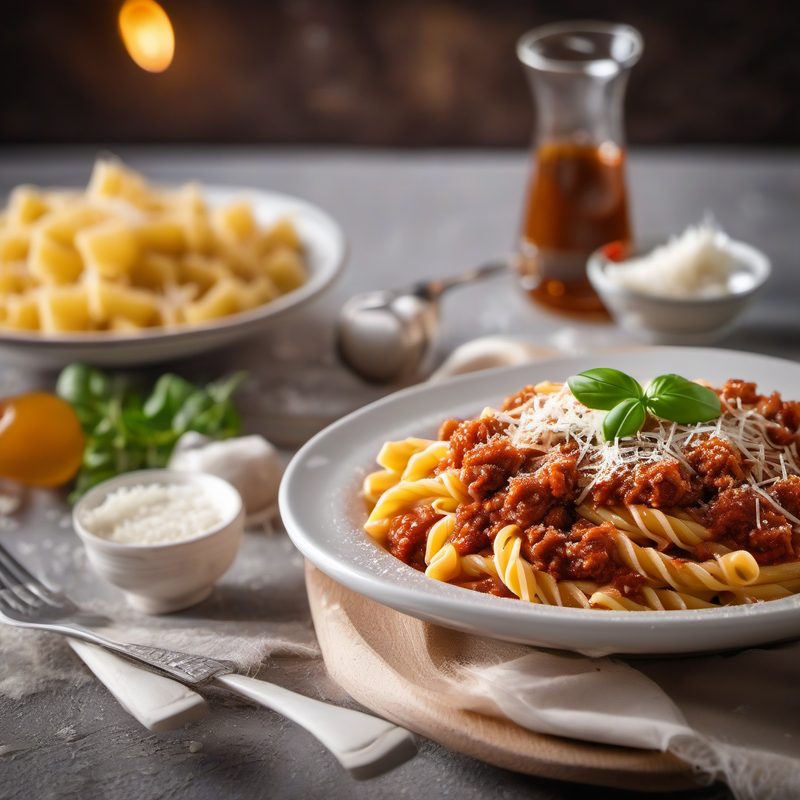
Tagliatelle Artichokes
Tender fresh tagliatelle cloaked in a silky, herb-flecked sauce of thinly sliced artichokes slowly cooked with garlic and white wine — a Roman spring classic that transforms just four artichokes into something elegant enough for company and simple enough for any weeknight.
| Amount | Ingredient |
|---|---|
| 11 oz (320 g) | Fresh tagliatelle (or dried egg tagliatelle) |
| 4 large (about 2 lb / 900 g total) | Fresh artichokes (see note) |
| 2 cloves | Garlic, peeled and thinly sliced |
| ¼ cup (60 ml) | Dry white wine (Pinot Grigio or Sauvignon Blanc) |
| 5 tbsp (75 ml) | Extra-virgin olive oil, divided |
| ¼ cup (10 g) | Fresh flat-leaf parsley, finely chopped |
| ¾ cup (60 g) | Parmigiano-Reggiano, finely grated, plus more for serving |
| 1 | Lemon, halved |
| Fine sea salt | |
| Freshly ground black pepper |
The artichoke is a strange and wonderful vegetable — part flower, part armor — that rewards a little patience with sweetness and depth that few vegetables can match. Here, trimmed and sliced paper-thin, the artichokes soften in olive oil and a splash of white wine until they become almost jammy, their edges caramelized and their hearts meltingly tender. Tossed with fresh tagliatelle, a shower of Parmigiano-Reggiano, and a handful of bright parsley, the result is simple in the best sense: a few good ingredients, each one treated with respect, coming together as more than the sum of their parts.
The key to this dish is the thinness of the artichoke slices. Cut them by hand as thinly as you can manage — about ⅛ inch (3 mm) — or use a mandoline for perfect, even slices that cook through at the same rate. A squeeze of lemon in the water bath keeps them from oxidizing, and a splash of good broth or pasta water at the end creates a light, emulsified sauce that clings to every ribbon of pasta.
Use level tablespoons and standard US measuring cups. Look for firm, heavy artichokes with tightly closed leaves and a fresh, green color — avoid any with brown edges or a dried-out stem. Fresh pasta is traditional here and worth seeking out; if using dried egg tagliatelle, cook it according to package directions and reduce the cooking time by about 1 minute since it will finish in the sauce. The lemon is used to acidulate the water bath for the artichokes, not as a direct ingredient in the sauce.
🥘 Equipment
- Large pot (6–8 qt) for pasta
- Large skillet or sauté pan (12-inch / 30 cm, preferably stainless steel or nonstick)
- Chef's knife and cutting board
- Mandoline (optional but recommended for even artichoke slicing)
- Vegetable peeler
- Kitchen shears (optional, for trimming artichoke leaves)
- Medium mixing bowl (for lemon water)
- Colander
- Tongs
- Ladle or heatproof measuring cup (for pasta water)
- Box grater or Microplane (for cheese)
- Measuring cups and spoons
📋 Preparation
Step 1 — Prepare the Artichokes (12 minutes)
Fill a medium mixing bowl halfway with cold water. Squeeze the juice of half a lemon into the water and drop the spent lemon half in as well — this acidulated water prevents the artichokes from turning brown.
Working with one artichoke at a time: Pull off the tough, dark green outer leaves by bending them backward at the base until they snap off near the stem. Continue removing leaves until you reach the pale, tender yellow-green inner leaves. Use a vegetable peeler or a sharp paring knife to trim away the tough dark green skin from the stem and the base of the artichoke. Cut off the top ¾ inch (2 cm) of the artichoke — the spiky leaf tips — and discard. Halve the trimmed artichoke lengthwise. Use a small spoon or a melon baller to scoop out the fuzzy choke (the hairy center) from each half, scraping the surface clean. Place the cleaned halves in the lemon water immediately.
Repeat with the remaining artichokes.
Remove each artichoke half from the lemon water and slice it as thinly as possible — about ⅛ inch (3 mm) thick — lengthwise from stem to tip. A mandoline set to ⅛ inch makes quick, even work of this; otherwise, use a sharp chef's knife and take your time. Return the slices to the lemon water until ready to cook. Drain well before using.
Step 2 — Cook the Artichokes (8–10 minutes)
Set a large skillet over medium heat and add 3 tablespoons (45 ml) of the olive oil. Once the oil shimmers, add the thinly sliced garlic and cook, stirring, until fragrant but not colored, about 30 seconds.
Drain the artichoke slices well (pat them dry with a clean kitchen towel if you'd like — this helps them brown) and add them to the skillet. Season with a generous pinch of fine sea salt and a few grinds of black pepper. Cook, stirring occasionally, until the artichokes begin to soften and take on some color at the edges, about 5 minutes.
Add the white wine and let it bubble vigorously. Cook until the wine has mostly evaporated and the pan is nearly dry, about 2 minutes. Add ¼ cup (60 ml) of water or vegetable broth, reduce the heat to medium-low, cover the pan, and cook until the artichokes are completely tender and almost melting when pressed with a spoon, about 5–6 minutes more. If the pan dries out before the artichokes are tender, add another splash of water.
Step 3 — Cook the Pasta (3–4 minutes for fresh, per package for dried)
While the artichokes finish cooking, bring a large pot of generously salted water to a rolling boil (use about 1 tablespoon of salt per 4 quarts of water). Add the tagliatelle and cook until just shy of al dente — about 1 minute less than the package directs (for fresh tagliatelle, this is typically 2–3 minutes; for dried, subtract 1 minute from the recommended time).
Reserve 1 cup (240 ml) of the pasta cooking water before draining. Drain the pasta well (do not rinse).
Step 4 — Toss and Serve (2 minutes)
Remove the skillet from the heat. Remove and discard the garlic slices if you prefer a milder garlic presence (or leave them in for more punch). Add the drained tagliatelle to the skillet along with the remaining 2 tablespoons (30 ml) of olive oil and a splash of the reserved pasta water — about ¼ cup (60 ml).
Toss vigorously with tongs for about 1 minute, adding more pasta water a tablespoon at a time if needed, until the pasta is well coated and the sauce is emulsified and glossy. The pasta should be slick, not soupy.
Add the grated Parmigiano-Reggiano and half the chopped parsley. Toss once more to combine.
Serve immediately in warmed bowls, topped with an additional shower of Parmigiano and the remaining parsley. Finish with a drizzle of extra-virgin olive oil and a crack of black pepper, if desired.
💡 Notes, Tips & Troubleshooting
How to choose good artichokes. Heavy, tight heads with stems that look freshly cut — not dry or shriveled — are signs of freshness. The leaves should squeak when pressed together. If you can't find large globe artichokes, you can substitute 12–16 baby artichokes (which have no fuzzy choke and need only the tough outer leaves removed). No need to halve and scoop baby artichokes — just trim, slice, and cook.
Prepping artichokes ahead of time. The cleaned, sliced artichokes can sit in the lemon water bath for up to 2 hours at room temperature before cooking. Do not refrigerate them in the lemon water (they can turn mushy). If prepping more than 2 hours ahead, drain, pat dry, and refrigerate in an airtight container lined with paper towels for up to 24 hours.
Can I use frozen or jarred artichokes? Frozen artichoke hearts (thawed and patted dry) are an acceptable substitute in a pinch — slice them thinly and proceed with the recipe. Jarred marinated artichokes are not a good substitute here; their vinegar and herb flavors will clash with the delicate wine and garlic preparation.
The sauce is too thick / too thin. If the pasta looks dry after tossing, add more reserved pasta water 1 tablespoon at a time, tossing between additions. The starch in the pasta water is what creates the silky, emulsified sauce. If the sauce looks watery, increase the heat to medium-high and toss for another 30–60 seconds to cook off excess liquid.
What wine should I cook with? Use a dry white wine that you would happily drink — Pinot Grigio, Sauvignon Blanc, or an unoaked Chardonnay all work well. The wine should add brightness, not sweetness or oak. If you don't cook with wine, substitute an additional ¼ cup of vegetable broth plus 1 teaspoon of white wine vinegar or lemon juice.
The parsley. Flat-leaf (Italian) parsley is strongly preferred over curly parsley — it has a cleaner, milder flavor and holds up better when tossed with hot pasta. Curly parsley works in a pinch but use twice as much for comparable flavor.
Making this gluten-free. Substitute gluten-free egg tagliatelle or pappardelle. Cook according to package directions, but check frequently — gluten-free pasta can go from firm to mushy quickly. Reserve extra pasta water, as gluten-free pastas often need more starchy water to create a cohesive sauce.
🔗 Related Recipes
- Pasta with Lemon and Ricotta (Pasta al Limone)
- Linguine with White Wine and Clam Sauce
- Spaghetti Aglio e Olio
- Pappardelle with Mushroom Ragù
- Fettuccine Alfredo (Authentic Roman Style)
- Orecchiette with Broccoli Rabe and Sausage
- Tagliatelle with Brown Butter and Sage
- Risotto with Artichokes (Risotto ai Carciofi)
- Roman-Style Braised Artichokes (Carciofi alla Romana)
🏷️ Search Tags
This recipe has been adapted from the original Italian for the American home cook. Measurements have been converted, ingredients clarified, and every step tested for clarity and reliability. The authentic spirit of this Roman spring pasta — delicate, bright, and deeply satisfying — remains unchanged.
Recipe from The Italian Kitchen by Vita Milanese — Volume 1 · Pasta Perfetto. Discover all volumes on the ebook page.