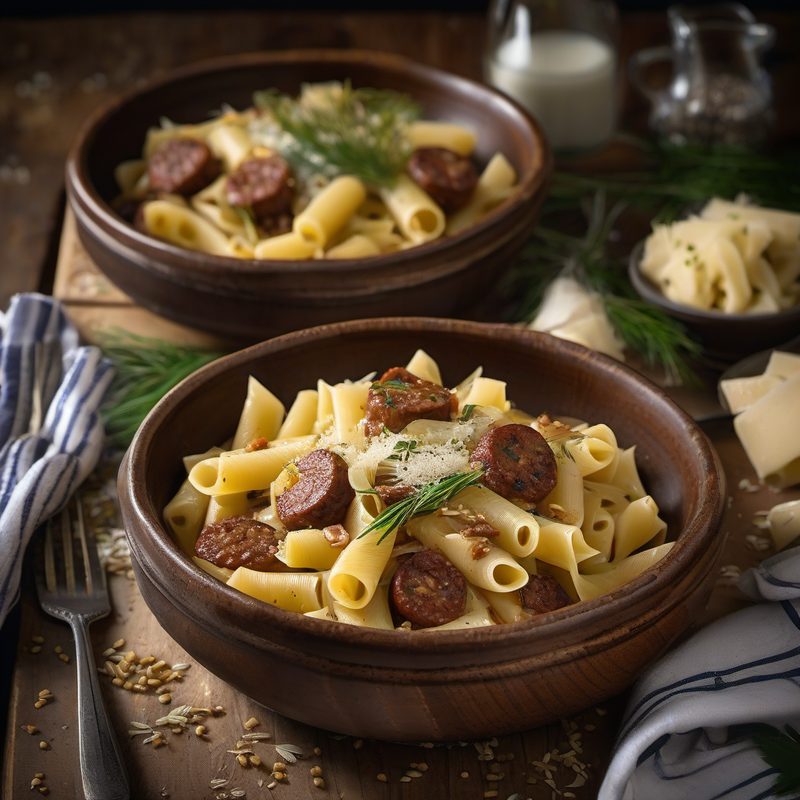
Tagliatelle Artichokes
Silky ribbons of egg pasta tangled with tender, golden-browned artichoke slices in a garlicky, herb-flecked olive oil sauce — this is the kind of deceptively simple pasta that lets a few pristine ingredients do all the work. Earthy artichokes, nutty Parmigiano, and the subtle kiss of fresh parsley come together in under 30 minutes.
| Amount | Ingredient |
|---|---|
| 4 | Large artichokes (about 2 lb / 900 g total) |
| 1 | Lemon, halved |
| 9 oz (250 g) | Dry tagliatelle (or 11 oz / 320 g fresh tagliatelle) |
| 2 | Garlic cloves, thinly sliced |
| ¼ cup (60 ml) | Extra-virgin olive oil, plus more for finishing |
| ½ cup (120 ml) | Vegetable broth, warmed |
| 3 tbsp (12 g) | Fresh flat-leaf parsley, finely chopped |
| Kosher salt and freshly ground black pepper | To taste |
| as needed | Grated Parmigiano-Reggiano, for serving |
There's a reason this pasta is a Roman springtime staple: it's fast, it's frugal, and it's absolutely gorgeous. The artichokes are the star — sliced thin and sautéed until they're tender in the center and crispy-edged at the ends, like little edible flowers scattered through the pasta. A quick braise in vegetable broth keeps them moist and silky, while a finish of pasta water binds everything into a glossy, barely-there sauce that clings to every ribbon of tagliatelle. The trick is treating the artichokes with respect: a thorough trim, a lemon-water bath to prevent discoloration, and patient cooking until they're soft enough to yield to the gentlest fork. What you get is a pasta that tastes far more luxurious than its short ingredient list suggests — proof that the best Italian cooking is often the simplest.
Use level tablespoons and standard US measuring cups. All produce is medium unless specified.
Equipment
- Chef's knife and cutting board
- Large bowl (for acidulated water)
- Vegetable peeler or paring knife (for trimming artichokes)
- Large skillet or sauté pan (12-inch / 30 cm)
- Large pot (6-qt / 6 L) for pasta
- Slotted spoon or spider skimmer
- Wooden spoon or silicone spatula
Preparation
Step 1 — Prepare the Artichokes (15 minutes)
Fill a large bowl with cold water and squeeze in the juice of half a lemon, dropping the spent lemon half into the water as well. This is your acidulated bath — it prevents the artichokes from browning.
Working with one artichoke at a time: Pull off the tough, dark green outer leaves until you reach the pale, tender yellow-green inner leaves. Trim about ½ inch off the top of the artichoke with a chef's knife. Use a vegetable peeler or paring knife to trim the tough outer layer from the stem (the stem is tender and delicious — keep it). Cut off the bottom ¼ inch of the stem. Halve the artichoke lengthwise and scoop out the fuzzy choke with a small spoon or melon baller. Slice each half lengthwise into thin strips, about ⅛ inch thick, and drop them into the lemon water immediately.
Repeat with the remaining artichokes.
Don't be intimidated by artichoke prep — once you've done one, the rest fly by. The key is working fast and dropping each slice into the lemon water to stop oxidation. Pale-green inner leaves are perfectly tender to eat; only the tough dark outer leaves and the fuzzy choke need to go.
Step 2 — Sauté the Artichokes (8 minutes)
Drain the artichoke slices well and pat them dry with a clean kitchen towel. (Any excess water will cause the oil to spatter and prevent proper browning.)
Heat the olive oil in a large skillet over medium-high heat until shimmering. Add the sliced garlic and cook, stirring, until fragrant — about 30 seconds. Do not let the garlic brown.
Add the artichoke slices in a single, even layer (work in batches if your skillet is crowded). Cook undisturbed for 2 minutes to develop a golden-brown sear on the first side. Toss or stir, then continue cooking, stirring occasionally, until the artichokes are tender and golden at the edges — about 4 to 5 minutes more.
The sizzle when the artichokes hit the hot oil tells you you're doing it right. If the pan seems dry at any point, add a splash more oil. Deeply browned artichokes have a nutty, almost sweet flavor that pale steamed ones simply don't.
Step 3 — Braise the Artichokes (5 minutes)
Reduce heat to medium-low. Pour in the warm vegetable broth — it should sizzle and steam immediately. Scrape up any browned bits from the bottom of the pan with a wooden spoon (those are pure flavor). Let the artichokes simmer gently in the broth until they're completely tender and most of the liquid has evaporated, leaving a concentrated, glossy coating — about 5 minutes. Season with salt and pepper to taste. Remove from heat and stir in half the parsley. Set aside.
The broth braise is what takes the artichokes from merely cooked to meltingly tender. The liquid concentrates as it simmers, carrying all the garlicky, artichoke-y flavor into a sauce base that will later coat every strand of pasta.
Step 4 — Cook the Pasta (8 to 10 minutes, depending on pasta type)
While the artichokes braise, bring a large pot of generously salted water to a rolling boil (1 tablespoon salt per 4 quarts of water). A good rule: the water should taste like the sea.
Add the tagliatelle and cook until al dente — about 8 to 10 minutes for dry tagliatelle, or 2 to 3 minutes for fresh. Just before draining, reserve 1 cup (240 ml) of the starchy pasta water.
Tagliatelle fresh and dry have very different cook times — always check the package and taste a strand 1 minute before the suggested time. You want a firm bite with a white, uncooked core the size of a pinhead.
Step 5 — Finish and Serve (2 minutes)
Return the skillet with the artichokes to medium heat. Add the drained tagliatelle directly to the skillet, along with ½ cup (120 ml) of the reserved pasta water. Toss everything together with tongs or two wooden spoons for about 1 minute, letting the pasta absorb the artichoke-infused liquid. The starch from the pasta water will emulsify with the olive oil and broth, creating a glossy, clingy sauce.
If the pasta seems dry, add more pasta water a splash at a time until it's loose and silky. Taste and adjust seasoning with salt and pepper.
Divide among 4 warm bowls. Garnish each portion with the remaining parsley, a generous shower of grated Parmigiano-Reggiano, and a final drizzle of extra-virgin olive oil. Serve immediately.
The brief toss in the skillet — called "mantecatura" in Italian — is the single most important step. It marries the pasta and sauce into a single cohesive dish rather than pasta with topping. The starchy water is essential; don't substitute plain water or broth for this final step.
Chef's Tips
- Fresh vs. dry tagliatelle: Fresh egg tagliatelle (the kind sold refrigerated or homemade) is traditional and takes just 2–3 minutes to cook, yielding a silkier texture. High-quality dry tagliatelle (look for bronze-die extruded pasta from brands like De Cecco or Rustichella d'Abruzzo) works beautifully and has a firmer, more satisfying bite. Both are excellent — use what you have.
- Artichoke shortcuts: Frozen artichoke hearts (thawed and patted dry) are a perfectly respectable substitute when fresh artichokes aren't in season. Skip the lemon-water bath and proceed from Step 2. Look for packages labeled "artichoke hearts" rather than "artichoke quarters" — the hearts are more tender and trim-free.
- The best Parmigiano: Grate your Parmigiano-Reggiano from a wedge rather than using pre-grated. The pre-shredded stuff contains anti-caking agents that prevent smooth melting and dull the flavor. A Microplane grater is ideal for producing light, fluffy snowdrifts of cheese.
- Vegetable broth matters: Use a good-quality, flavorful vegetable broth — not the watery, pale stuff. If your broth is thin, simmer it with a peeled garlic clove and a bay leaf for 10 minutes to concentrate the flavor before using.
- Lemon zing: For extra brightness, add a teaspoon of fresh lemon zest along with the parsley at the end. The citrus cuts through the richness of the olive oil and cheese beautifully — a trick Roman cooks use liberally.
Common Mistakes
| Mistake | Why It Hurts | The Fix |
|---|---|---|
| Not trimming artichokes thoroughly | Tough, fibrous leaves ruin the texture | Remove all dark green outer leaves and the fuzzy choke — only pale tender parts should remain |
| Skipping the lemon-water bath | Artichokes turn gray-brown and unappetizing | Drop trimmed slices into acidulated lemon water immediately — it's the only way to keep them bright |
| Overcrowding the pan | Artichokes steam instead of browning, losing their nutty sweetness | Cook in a single layer; use two pans or batch-cook if needed |
| Using dry pasta water that's too starchy or not starchy enough | The sauce won't emulsify properly | Remember: the water should taste like the sea for the right salinity; don't oversalt or undersalt |
| Draining the pasta too thoroughly | The sauce has no binding agent | Always reserve at least 1 cup of pasta water before draining — you need the starch |
| Skipping the final skillet toss | Pasta and sauce remain separate — you get pasta with topping instead of a unified dish | Always finish the pasta in the skillet for 1–2 minutes of vigorous tossing |
| Serving on cold plates | The olive oil-based sauce solidifies and turns greasy | Warm your serving bowls in a low oven (200°F) or with hot water (dry thoroughly) before plating |
Variations
| Variation | How To |
|---|---|
| Spicy artichoke pasta | Add ½ teaspoon red pepper flakes with the garlic in Step 2 |
| Artichoke and lemon pasta | Add 1 teaspoon lemon zest and 1 tablespoon lemon juice with the parsley at the end |
| Artichoke and mint | Replace parsley with fresh mint for a brighter, more aromatic profile |
| Artichoke and breadcrumb crunch | Toast ½ cup fresh breadcrumbs in 2 tablespoons olive oil until golden and scatter over each serving |
| Artichoke and anchovy | Add 2 anchovy fillets to the oil with the garlic — they'll melt into the sauce and add umami depth without tasting fishy |
| Creamy artichoke tagliatelle | Stir in ¼ cup heavy cream or crème fraîche at the end of Step 5 for a richer, more indulgent sauce |
| Artichoke and pecorino | Replace Parmigiano-Reggiano with Pecorino Romano for a saltier, sharper finish |
| Artichoke and prosciutto | Add 3 oz (85 g) torn prosciutto to the skillet with the artichokes in Step 3 for a meaty, savory addition |
| Artichoke and mushroom | Sauté 6 oz (170 g) sliced cremini mushrooms with the artichokes in Step 2 — the earthy notes pair beautifully |
| Vegan artichoke tagliatelle | Use tagliatelle without eggs (check the label), replace Parmigiano with nutritional yeast or a vegan parmesan alternative, and use the standard vegetable broth |
Storage & Leftovers
| Method | Details |
|---|---|
| Refrigerator | Store in an airtight container for up to 2 days. The tagliatelle will continue to absorb the sauce and soften. |
| Freezer | Not recommended — the texture of both pasta and artichokes degrades significantly upon thawing. |
| Reheating | Reheat gently in a skillet over medium-low heat with a splash of water or broth, tossing until warmed through. Do not microwave — it will make the pasta mushy and the artichokes rubbery. |
| Cold pasta salad | Leftover tagliatelle with artichokes makes an excellent cold pasta salad the next day: toss with a squeeze of lemon, a drizzle of olive oil, and fresh parsley — no reheating needed. |
🍷 Wine Pairing
| Wine | Why |
|---|---|
| Verdicchio dei Castelli di Jesi | Bright, almond-edged acidity that mirrors the artichokes' subtle bitterness and cuts through the olive oil |
| Gavi di Gavi | Crisp, elegant, with a flinty mineral finish — a classic pairing for vegetable-based pastas |
| Falanghina del Sannio | Lush citrus and white flower notes with enough body to stand up to the garlic and Parmigiano |
| Frascati Superiore | A Roman classic — light, slightly nutty, and endlessly drinkable alongside Roman pasta dishes |
| Pinot Grigio (from Friuli, not the generic stuff) | Clean, crisp, and unoaked — the restrained fruit notes let the artichokes shine |
| Soave Classico | Almond and white peach notes with a savory, saline finish that complements the Parmigiano beautifully |
| Arneis | A Piedmontese white with surprising body and a lovely hint of pear — perfect for the creamy variation |
🥗 Suggested Side Dishes
- Simple arugula salad with lemon vinaigrette and shaved Parmigiano-Reggiano
- Sautéed broccoli rabe (rapini) with garlic and chili flakes
- Roasted asparagus with olive oil and sea salt
- Crusty sourdough or ciabatta for sopping up the sauce
- Grilled radicchio wedges with balsamic glaze
- Fennel and orange salad with black olives and mint
Nutrition
| Per Serving | |
|---|---|
| Calories | 425 |
| Protein | 15 g |
| Fat | 16 g |
| Carbohydrates | 58 g |
| Fiber | 7 g |
Nutrition information is an estimate and may vary based on specific ingredients used. The fiber count is notably high thanks to the artichokes, which are one of the most fiber-rich vegetables.
FAQs
Can I use canned or jarred artichokes instead of fresh?
Yes. Use 14 oz (400 g) jarred or canned artichoke hearts, drained and patted dry. Halve or quarter them depending on size (you want bite-sized pieces). Skip the lemon-water bath and add them at Step 2, sautéing for 3–4 minutes just to warm through and develop a little color. Reduce the broth in Step 3 to ¼ cup since jarred artichokes are already tender. The final dish won't have quite the same texture as fresh, but it's a solid weeknight shortcut.
What's the best substitute for tagliatelle?
Fettuccine is the closest substitute — the same ribbon shape catches the artichoke sauce beautifully. Pappardelle (wider ribbons) and linguine (narrower but still flat) also work well. Avoid tube pastas like penne or ziti, which don't hold the delicate artichoke slices as effectively.
Can I make this ahead for entertaining?
Partially. You can trim and slice the artichokes up to 4 hours ahead (keep them in the lemon water in the fridge) and sauté them up to Step 3. Reheat the artichokes gently while the pasta cooks, then finish with the pasta water toss. The entire last act takes only 3–4 minutes, so it's perfect for dinner parties.
Can I use frozen artichokes?
Absolutely. Thaw frozen artichoke hearts completely and pat them very dry before sautéing — excess moisture is the enemy of browning. Frozen artichokes are already prepped and blanched, so reduce the sauté time in Step 2 by about 2 minutes and skip the broth braise (or use just a splash).
The artichokes turned brown — what happened?
You either skipped the lemon-water bath or let them sit too long after trimming without acidulated water. Artichokes oxidize rapidly once cut — the lemon-water bath is essential. If they've already browned, it's cosmetic, not a flavor issue. Adding a squeeze of lemon juice at the end can help brighten the color slightly.
This seems too simple — will it be flavorful enough?
Yes — and that's the beauty of it. The artichokes, garlic, good olive oil, and Parmigiano are doing serious heavy lifting. The key is using excellent-quality ingredients: a peppery extra-virgin olive oil, a real Parmigiano-Reggiano wedge, and fresh rather than dried parsley. When each component is the best it can be, the dish sings.
My sauce turned out greasy. What went wrong?
The emulsion likely broke. This happens if you used too much oil or didn't toss vigorously enough with enough starchy pasta water. Next time, be generous with the reserved pasta water and toss the pasta in the skillet with real conviction for a full 60–90 seconds — the starch and agitation are what create the creamy, emulsified sauce.
Related Recipes
- Spaghetti Aglio, Olio e Peperoncino (Spaghetti with Garlic, Oil & Chili)
- Orecchiette with Broccoli Rabe & Sausage
- Pasta alla Norma (Pasta with Eggplant, Tomato & Ricotta Salata)
- Linguine with Lemon, Garlic & Breadcrumbs
- Penne with Sautéed Zucchini, Mint & Parmigiano
- Bucatini all'Amatriciana (Bucatini with Tomato, Guanciale & Pecorino)
- Fettuccine al Burro e Parmigiano (Fettuccine with Butter & Parmigiano)
Search Tags
Photo reference: `vol1_156.png` — A tangle of golden tagliatelle ribbons intertwined with pale green artichoke slices, glistening with olive oil and punctuated with bright flecks of fresh parsley, showered with grated Parmigiano-Reggiano, served in a wide shallow bowl on a rustic wooden table in warm natural light.
Recipe from "The Italian Kitchen" by Vita Milanese — Volume 1: Pasta Perfetto
Recipe from The Italian Kitchen by Vita Milanese — Volume 1 · Pasta Perfetto. Discover all volumes on the ebook page.