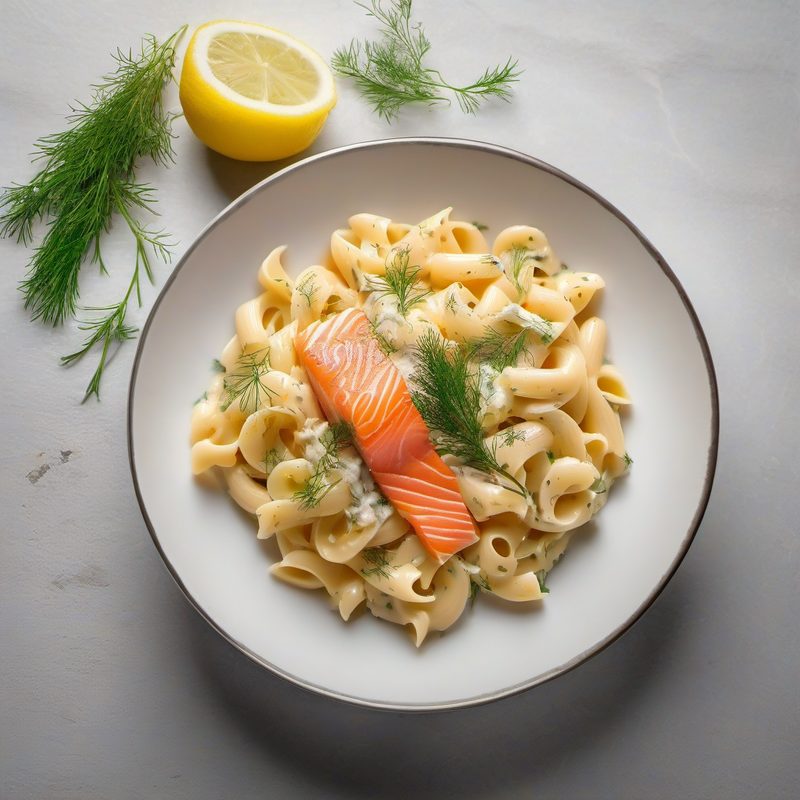
Liparese Tagliatelle
A creamy, rustic pasta from the Aeolian island of Lipari — wide tagliatelle ribbons tangled with tender chickpeas and flaked salt cod, all bound together in a silky milk-based sauce that captures the sun-baked soul of Sicily's volcanic archipelago.
| Amount | Ingredient |
|---|---|
| 400 g (14 oz) | Tagliatelle (or fettuccine / pappardelle) |
| 200 g (1 cup) | Dried chickpeas (ceci), soaked overnight |
| 250 g (9 oz) | Salt cod (baccalà), desalted and shredded |
| 250 ml (1 cup) | Whole milk |
| 2 cloves | Garlic, thinly sliced |
| 4 tbsp (60 ml) | Extra-virgin olive oil |
| 1 small bunch | Fresh parsley, finely chopped |
| — | Fine sea salt, to taste |
| — | Black pepper, freshly ground, to taste |
Lipari, the largest of the Aeolian Islands off the northeastern coast of Sicily, has a culinary tradition shaped by volcanic soil, strong sun, and the resourcefulness of island cooks who built extraordinary dishes from humble, shelf-stable ingredients. Tagliatelle alla Liparese is a prime example: dried pasta meets rehydrated chickpeas and desalted baccalà (salt cod) in a sauce that relies on milk rather than tomatoes or wine for its creamy character. The milk — an unexpected but brilliant addition — softens the saltiness of the baccalà, mellows the earthiness of the chickpeas, and creates a luscious, emulsified sauce that clings to every ribbon of pasta. Garlic and olive oil provide the aromatic foundation; fresh parsley adds a bright, green finish. It is a dish of extraordinary balance — briny, creamy, earthy, and herbaceous — and it tastes like the Mediterranean in a bowl.
> Note: Both the chickpeas and the baccalà require advance preparation. The chickpeas must be soaked overnight (or at least 8 hours), then cooked until tender. The baccalà must be soaked for 24–48 hours, changing the water several times, to remove the salt. Plan accordingly. Do not be tempted to skip the milk — it is the secret to the dish's signature creamy texture and should not be substituted with water or broth.
Use level tablespoons and standard measuring cups. Dried chickpeas are preferred for their superior texture and flavor; canned chickpeas can be used in a pinch (drain and rinse 400 g / 2 cups) but will not have the same creamy consistency. The baccalà should be a thick, boneless center-cut piece — desalting is essential; do not skip it. Whole milk is critical for creaminess; low-fat or skim milk will produce a thin, watery sauce. Use a fruity, medium-intensity extra-virgin olive oil from Sicily if possible.
🥘 Equipment
- Large pot (6 qt / 6 L) for cooking chickpeas
- Large pot (6 qt / 6 L) for boiling pasta
- Large skillet or sauté pan (12-inch / 30 cm)
- Medium bowl (for soaking chickpeas)
- Medium bowl or container (for desalting baccalà)
- Chef's knife and cutting board
- Colander
- Tongs or pasta fork
- Wooden spoon or silicone spatula
- Measuring cups and spoons
- Ladle
📋 Preparation
Step 1 — Soak the Chickpeas (Overnight, 8–12 hours)
Place the dried chickpeas in a large bowl and cover with cold water by at least 3 inches (7–8 cm). The chickpeas will expand significantly as they absorb water. Let them soak at room temperature for 8 to 12 hours or overnight.
Drain and rinse the soaked chickpeas thoroughly before cooking.
Soaking rehydrates the chickpeas and reduces their cooking time significantly. If you are short on time, you can use a quick-soak method: bring the chickpeas and water to a boil, remove from heat, cover, and let stand for 1 hour. Drain, rinse, and proceed. However, overnight soaking produces the creamiest, most evenly cooked chickpeas.
Step 2 — Desalt the Baccalà (24–48 hours, change water 3–4 times)
Place the salt cod in a large bowl or container and cover completely with cold water. Refrigerate and let soak for 24 to 48 hours, changing the water every 8 to 12 hours (at least 3–4 times total).
After soaking, drain the baccalà and pat it dry with paper towels. Shred the fish into small, bite-sized pieces, discarding any bones or tough skin. You should have about 200 g (7 oz) of flaked, desalted cod.
The desalting process is non-negotiable. Baccalà is preserved with a thick layer of salt, and without thorough soaking it will be inedibly salty. The water changes are essential — each one draws out more salt. Taste a small piece of the soaked fish before using; it should be pleasantly savory, not aggressively salty. If it is still too salty, continue soaking for another 12 hours.
Step 3 — Cook the Chickpeas (30–40 minutes)
Place the soaked, drained chickpeas in a large pot and cover with fresh cold water by about 2 inches (5 cm). Do not add salt at this stage — salt toughens chickpea skins and prevents them from becoming tender.
Bring to a boil, then reduce the heat to low, cover, and simmer gently until the chickpeas are tender but not falling apart — about 30 to 40 minutes, depending on the age and variety of the chickpeas. Older chickpeas may take longer.
Drain the cooked chickpeas, reserving ½ cup (120 ml) of the cooking liquid. Set both aside.
The chickpeas should be creamy on the inside and intact on the outside — tender enough to yield easily when pressed between thumb and finger, but not so soft that they disintegrate when stirred. The reserved cooking liquid is starchy and flavorful; it can be used to loosen the sauce if needed.
Step 4 — Sauté the Garlic (3 minutes)
Heat 4 tablespoons (60 ml) of olive oil in a large skillet over medium-low heat. Add the sliced garlic and cook, stirring frequently, until the garlic is fragrant and just beginning to turn golden at the edges — about 2 to 3 minutes. Do not let the garlic brown or burn, as it will turn bitter.
Cooking the garlic slowly over medium-low heat allows it to infuse the oil with its aroma without becoming harsh. Thin slices will soften and nearly melt into the oil, forming the aromatic base of the sauce.
Step 5 — Add Chickpeas and Baccalà (5 minutes)
Add the cooked chickpeas and shredded baccalà to the skillet with the garlic oil. Stir gently to combine and cook over medium-low heat for 2 to 3 minutes, allowing the flavors to meld. The baccalà will begin to break apart further and integrate with the chickpeas.
Season lightly with black pepper. Do not add salt yet — the baccalà and chickpeas may contribute enough saltiness on their own.
The chickpeas and baccalà need only a brief initial cook in the oil to warm through and absorb the garlic aroma. The real magic happens in the next step when the milk is added.
Step 6 — Add Milk and Simmer Until Creamy (8–10 minutes)
Pour the whole milk into the skillet and stir gently to combine. Increase the heat to medium and bring to a gentle simmer — small bubbles around the edges, not a rolling boil.
Reduce the heat to low and let the mixture simmer gently for 8 to 10 minutes, stirring occasionally, until the milk has thickened into a creamy, emulsified sauce that coats the chickpeas and baccalà. The sauce should be thick enough to cling to the back of a spoon but loose enough to coat the pasta.
Taste and adjust — add a small pinch of salt if needed (remember the baccalà is already salty) and a generous grind of black pepper.
The milk is the defining element of this dish. As it simmers, it thickens naturally and takes on the flavors of the garlic oil, chickpeas, and baccalà, creating a sauce that is simultaneously creamy and light. Do not rush this step — the gentle simmer allows the milk to reduce and emulsify without curdling. If the sauce becomes too thick before the pasta is ready, add a splash of the reserved chickpea cooking liquid to loosen it.
Step 7 — Cook the Tagliatelle (8–10 minutes, concurrent)
While the sauce simmers, bring a large pot of generously salted water to a rolling boil. Add the tagliatelle and cook until al dente — typically 8 to 10 minutes for dried egg tagliatelle, or according to package directions.
Reserve about 1 cup (240 ml) of the pasta cooking water before draining. Drain the pasta well (do not rinse).
Egg tagliatelle is traditional for this dish — its wide, flat ribbons catch the creamy chickpea-baccalà sauce beautifully. If tagliatelle is unavailable, fettuccine or pappardelle are excellent substitutes. Do not use thin spaghetti or linguine, which lack the surface area needed to support the thick, creamy sauce.
Step 8 — Toss and Serve (2 minutes)
Add the drained tagliatelle directly to the skillet with the creamy chickpea and baccalà sauce. Add half the chopped parsley.
Toss vigorously with tongs over medium-low heat for 1 to 2 minutes, ensuring every ribbon is evenly coated in the creamy sauce. If the sauce seems too thick, add a splash of the reserved pasta water (or chickpea cooking liquid) to loosen it — about 2 tablespoons at a time — until the sauce coats the pasta in a glossy, silky layer.
Taste and adjust — add a final grind of black pepper and a pinch of salt if needed.
Divide the tagliatelle among four warm shallow bowls, making sure each portion gets an equal share of chickpeas and baccalà scattered throughout. Garnish with the remaining chopped parsley. Serve immediately.
The final toss is where the sauce transforms — the starch from the pasta water helps bind the milk-based sauce to the tagliatelle, creating a cohesive, glossy coating. Serve in warmed bowls to keep the sauce from seizing up, and eat immediately while the pasta is hot and the sauce is at its creamiest.
🧑🍳 Chef's Tips
- Soak the baccalà for the full 48 hours if possible. The difference between 24-hour and 48-hour soaking is noticeable — the longer soak produces milder, more tender cod that integrates seamlessly into the creamy sauce. Change the water at least 4 times.
- Do not add salt to the chickpea cooking water. Salt toughens the skins of dried chickpeas, preventing them from becoming tender. Cook them in unsalted water, then season the final dish to taste.
- Use whole milk, not low-fat or plant-based. The fat content of whole milk is essential for creating a stable emulsion that coats the pasta. Low-fat milk will produce a thin, watery sauce; plant-based milks (especially almond or oat) may curdle or separate when simmered.
- Reserve chickpea cooking liquid. The starchy, flavorful liquid left over from cooking the chickpeas is a secret weapon — it can be used to loosen the sauce without diluting its flavor. If you forget to reserve it, pasta water works as a backup.
- Tagliatelle is the traditional choice, but other wide ribbons work. Fettuccine, pappardelle, or even pici (thick, hand-rolled spaghetti) are excellent alternatives. The key is a pasta shape that can support the weight of the creamy chickpea sauce.
- Fresh parsley is essential for brightness. The creamy, savory sauce needs the fresh, herbaceous pop of parsley to keep it from feeling heavy. Do not substitute dried parsley — it lacks the vibrancy and color.
- Warm the bowls before serving. Cold bowls will cause the creamy sauce to seize up and lose its gloss. Run the bowls under hot water for 30 seconds and dry them just before plating, or warm them in a 200°F (90°C) oven.
❌ Common Mistakes
| Mistake | Why It Hurts | The Fix |
|---|---|---|
| Baccalà not desalted enough | The dish becomes inedibly salty — the baccalà's salt concentrates in the milk sauce | Soak the baccalà for 24–48 hours, changing the water 3–4 times. Taste a small piece before cooking |
| Adding salt to chickpea water | The chickpea skins toughen and remain hard, even after prolonged cooking | Cook chickpeas in unsalted water. Season only at the end when combining with the sauce |
| Using low-fat or skim milk | The sauce remains thin and watery, refusing to coat the pasta properly | Use whole milk (3.25% fat) for a rich, emulsified sauce that clings to the tagliatelle |
| Boiling the milk sauce | The milk separates and curdles, creating a grainy, unappealing texture | Keep the sauce at a gentle simmer — small bubbles around the edges, not a rolling boil |
| Overcooking the chickpeas | They disintegrate into the sauce, turning it muddy and losing the textural contrast | Cook until tender but intact — they should hold their shape when stirred gently |
| Rinsing the cooked pasta | The surface starch that helps the sauce cling is washed away, leaving slippery, uncoated strands | Drain the pasta well but do not rinse. The residual starch is essential for a creamy emulsion |
| Adding all the parsley at once | The parsley loses its bright color and fresh flavor when cooked too long | Reserve half the parsley for garnish — add it fresh at the very end for color and vibrancy |
💡 Variations
| Variation | How To |
|---|---|
| Add a pinch of saffron | Dissolve a pinch of saffron threads in 2 tablespoons of warm milk before adding to the sauce. The saffron adds a subtle floral note and a beautiful golden hue that complements the creamy sauce |
| Use dried oregano | Add ½ teaspoon of dried oregano along with the garlic. The herbaceous, slightly floral character of oregano is a natural partner for chickpeas and pairs well with the baccalà |
| Add chili heat | Add a pinch of red pepper flakes (peperoncino) with the garlic. The gentle heat cuts through the creaminess and adds a Sicilian warmth |
| Tomato variation | Add 200 g (1 cup) of peeled, chopped tomatoes (canned San Marzano) along with the milk. The acidity of the tomatoes balances the richness and adds another layer of complexity — a common variation on Lipari itself |
| Use fresh cod instead of baccalà | If you cannot find or do not have time to desalt baccalà, substitute 300 g (10 oz) of fresh cod fillet, cut into bite-sized pieces. Add it to the pan with the chickpeas and cook until just opaque, about 3–4 minutes. Note that the dish will be milder and less intensely savory without the salt cod |
| Short pasta version | Substitute 400 g (14 oz) of short pasta (rigatoni, paccheri, or conchiglie) for the tagliatelle. The hollow shapes catch the chickpeas and sauce inside each piece, creating a different but equally delicious texture |
| Herb swap for parsley | Substitute fresh mint (chopped) for half the parsley. Mint's bright, cool character is a lovely counterpoint to the creamy, savory sauce and is used in some Aeolian interpretations |
| Make it vegetarian | Omit the baccalà entirely and double the chickpeas to 400 g (2 cups dried). Add a tablespoon of capers (rinsed) for brininess and a tablespoon of nutritional yeast for umami depth |
❄️ Storage & Leftovers
| Method | Details |
|---|---|
| Refrigerator | Store in an airtight container for up to 2 days. The sauce will thicken significantly as it cools — the tagliatelle will absorb the creamy liquid, becoming denser in texture |
| Reheating | Reheat in a skillet over medium-low heat with a splash of milk or water, tossing gently until warmed through (3–4 minutes). The sauce will loosen as it heats. Add a fresh grind of black pepper and a sprinkle of parsley to revive the flavors. Do not microwave — it will make the sauce grainy and the pasta unevenly heated |
| Freezing | Freezing is not recommended. The milk-based sauce will separate upon thawing, becoming grainy and watery. The chickpeas will also lose their texture, turning mealy |
| Make Ahead | Cook the chickpeas up to 3 days ahead and refrigerate them in their cooking liquid. Desalt the baccalà up to 2 days ahead and refrigerate, covered. On serving day, the dish comes together in about 20 minutes |
| Chickpeas (Make Ahead) | Cooked chickpeas keep well in their cooking liquid in the refrigerator for up to 5 days. Drain before using. They also freeze beautifully for up to 3 months in their cooking liquid |
🍷 Wine Pairing
| Wine | Why |
|---|---|
| Etna Bianco (Sicily) | A mineral-driven white from the volcanic slopes of Mount Etna — notes of green apple, white flowers, and flinty minerality. The bright acidity cuts through the creamy milk sauce, while the mineral notes echo the brininess of the baccalà. A perfect reflection of the volcanic Aeolian terroir |
| Malvasia delle Lipari (Lipari) | The wine of Lipari itself — a sweet, aromatic passito made from Malvasia grapes dried in the Aeolian sun. While sweet, its honeyed, apricot character and bright acidity create a stunning contrast with the savory, creamy pasta. Serve it lightly chilled alongside the dish for an authentic Liparese experience |
| Grillo (Sicily) | A full-bodied, aromatic white native to Sicily, with flavors of citrus, white peach, and Mediterranean herbs. Its weight and richness stand up to the creamy sauce without being overwhelmed. A classic Sicilian pairing |
| Vermentino di Sardegna (Sardinia) | Crisp, saline, and herbaceous with notes of green apple, citrus, and sea salt. The briny minerality mirrors the baccalà, while the bright acidity cuts through the creamy sauce like a knife |
| Greco di Tufo (Campania) | A structured white with stone fruit, citrus, and flinty notes. Its body matches the weight of the dish, and its high acidity keeps the palate refreshed against the creamy richness |
| Franciacorta Brut (Lombardy, sparkling) | Italy's premier méthode traditionnelle sparkling wine — brisk bubbles and crisp acidity cut through the cream sauce like a palate-cleansing wave. The yeasty, brioche notes add another layer of complexity to the pairing |
🥗 Suggested Side Dishes
- Simple arugula and lemon salad — Baby arugula dressed with 3 parts extra-virgin olive oil, 1 part fresh lemon juice, salt, and pepper. The peppery, bright greens provide a clean contrast to the rich, creamy pasta
- Grilled zucchini with mint — Zucchini sliced lengthwise, brushed with olive oil, grilled until tender and lightly charred, then finished with fresh mint, salt, and a squeeze of lemon. The light, herbaceous vegetable echoes the Aeolian summer
- Marinated olives and roasted peppers — A simple antipasto of mixed olives (Gaeta and Castelvetrano), roasted red and yellow peppers, and a drizzle of good olive oil. The briny olives complement the baccalà while the sweet peppers offer a different flavor dimension
- Crusty pane carasau or focaccia — A Sardinian or Sicilian flatbread for sopping up any remaining creamy sauce from the bowl. The bread should be thin, crisp, and slightly chewy
- Roasted cherry tomatoes with oregano — Cherry tomatoes halved, roasted at 400°F (200°C) for 15 minutes with olive oil, dried oregano, salt, and pepper. The sweet-tart tomatoes and aromatic oregano balance the creamy richness of the pasta
- Fennel and orange salad — Thinly sliced raw fennel, segments of blood orange, a handful of black olives, and a simple lemon-olive oil dressing. The bright, citrusy, anise-flavored salad refreshes the palate between creamy forkfuls
📊 Nutrition (per serving, estimated)
| Calories | Protein | Fat | Carbs | Fiber |
|---|---|---|---|---|
| ~590 | 28 g | 18 g | 74 g | 8 g |
Nutritional values are estimates based on 4 servings with 400 g tagliatelle, 200 g dried chickpeas (cooked weight ~400 g), 250 g baccalà (desalted), 250 ml whole milk, 4 tbsp olive oil, and parsley. Actual values will vary based on specific brands, the amount of oil absorbed during cooking, and the exact type of pasta. Chickpeas are an excellent source of plant protein, dietary fiber, folate, and iron. Baccalà provides high-quality lean protein, omega-3 fatty acids, and selenium. The whole milk and olive oil contribute healthy fats that aid absorption of fat-soluble nutrients. To lighten the dish, reduce the olive oil to 2 tablespoons and use 2% milk instead of whole — approximately 510 calories and 12 g fat per serving. The fiber content is notably high thanks to the chickpeas; this is a satisfying, nutrient-dense meal.
❓ Frequently Asked Questions
How far in advance do I need to start preparing this dish?
You need to begin at least 24 hours ahead. Soak the chickpeas overnight (8–12 hours) and begin desalting the baccalà 24–48 hours before cooking. The active cooking time on serving day is about 50 minutes, but the soaked chickpeas need another 30–40 minutes to cook before they can be added to the sauce. Plan to start the chickpeas cooking at least 1 hour before you want to serve.
Can I use canned chickpeas instead of dried?
Yes, in a pinch. Drain and rinse 400 g (2 cans, 15 oz each) of chickpeas. Add them directly to the skillet in Step 5 without pre-cooking. However, dried chickpeas have a firmer texture and creamier interior that is far superior — canned chickpeas are softer and more prone to falling apart in the sauce. If using canned, add them at the very end of Step 6 and simmer for only 3–4 minutes, just enough to warm them through.
What if I can't find baccalà (salt cod)?
Baccalà is essential to the traditional character of this dish, but if it is unavailable in your area, you have two options: (1) Fresh cod — use 300 g (10 oz) fresh cod fillet, cut into chunks. The dish will be milder and less intensely savory. Season with an extra pinch of salt to compensate. (2) Smoked haddock (Finnan haddie) — use 250 g (9 oz) undyed smoked haddock, poached in milk for 5 minutes, then flaked. The smoky flavor adds a different but equally delicious dimension.
Why did my milk sauce curdle?
Curdled milk sauce is almost always caused by heat that is too high. Milk proteins (casein) denature and clump together when exposed to high heat, especially in the presence of acid. To prevent curdling: (1) Keep the sauce at a gentle simmer, not a boil. (2) Add the milk to the pan off the heat or over low heat, then gradually increase to a simmer. (3) If using tomatoes (in the variation), add them after the milk has already thickened and emulsified. (4) Stir gently and frequently to distribute the heat evenly.
Can I make this dish lactose-free?
Yes — substitute the whole milk with lactose-free whole milk or a barista-style oat milk (which has a similar fat and protein profile for emulsifying). Full-fat coconut milk (canned, shaken well) is another option, but it will add a distinct coconut flavor that changes the character of the dish. Avoid low-fat or skim lactose-free milk — they will be too thin.
My chickpeas are still hard after 40 minutes of cooking. What went wrong?
Two common causes: (1) The chickpeas are old — dried chickpeas lose moisture and cooking quality over time. If your chickpeas are more than a year old, they may never become fully tender. (2) You added salt to the cooking water — salt toughens chickpea skins and prevents them from softening. Always cook chickpeas in unsalted water and season only at the end. If the chickpeas are still hard after 40 minutes, continue cooking, checking every 10 minutes. Old chickpeas may need up to 2 hours. Adding ¼ teaspoon of baking soda to the cooking water can help soften them.
Can I use dried tagliatelle or is fresh required?
Dried egg tagliatelle is traditional and works beautifully — it holds its texture well during the final toss and releases enough starch to help bind the sauce. Fresh tagliatelle cooks in 2–3 minutes and will be more delicate; if using fresh, reduce the pasta cooking time accordingly and be gentler during the final toss to avoid breaking the ribbons.
The sauce seems very thick. Should I add more liquid?
The sauce for this dish is intentionally thick — it should coat the pasta in a creamy, clinging layer rather than pooling at the bottom of the bowl. However, if it is too thick to toss evenly, add reserved pasta water or chickpea cooking liquid 1 tablespoon at a time while tossing. The sauce will loosen as it warms. The final texture should be glossy, velvety, and capable of coating the tagliatelle without being heavy.
🔗 Related Recipes
- Pasta Ceci (#83) — A simple Roman chickpea pasta, brothy and rustic, without the baccalà or creaminess; a beautiful vegetarian counterpart
- Neapolitan Pasta Beans (#182) — Another creamy legume pasta from Campania, using borlotti beans instead of chickpeas, with a similar soulful, pantry-driven character
- Pasta Fava Bean Pesto (#120) — A Ligurian pesto made with fava beans, Pecorino, and mint — another legume-forward pasta that showcases the versatility of pulses
- Lentil Ragu Lasagne (#70) — A hearty lentil-based ragu layered between sheets of pasta, proving that legumes can anchor a satisfying main course
- Tagliatelle Walnut Fig Pesto (#173) — Another creamy, milk-based tagliatelle dish, this time with a bread-and-milk pesto and caramelized figs; a beautiful contrast in ingredients and technique
🏷️ Search Tags
📸 Photo Reference
Photo reference: `vol1_205.png` — An overhead or slightly angled three-quarter shot of a wide, shallow ceramic bowl (warm cream or terracotta) filled with tagliatelle alla Liparese. The tagliatelle ribbons are glossy and coated in a pale, creamy sauce — a delicate ivory hue from the milk and olive oil. Tender chickpeas (warm beige, intact) and flakes of golden-white baccalà are scattered throughout the pasta, visible in every bite. A generous sprinkle of fresh chopped parsley provides bright green accents against the creamy backdrop. Beside the bowl: a small dish of cooked chickpeas, a glass of Etna Bianco (pale straw with green highlights), a linen napkin, and a sprig of fresh parsley on a wooden cutting board. A small cruet of golden-green extra-virgin olive oil stands nearby. The lighting is warm and natural, evoking the sun-drenched kitchen of an Aeolian island home. The overall mood is rustic, comforting, and deeply Mediterranean — the kind of dish that speaks of simple ingredients treated with respect and care.
Recipe from "The Italian Kitchen" by Vita Milanese — Volume 1: Pasta Perfetto 🏝️
Recipe from The Italian Kitchen by Vita Milanese — Volume 1 · Pasta Perfetto. Discover all volumes on the ebook page.