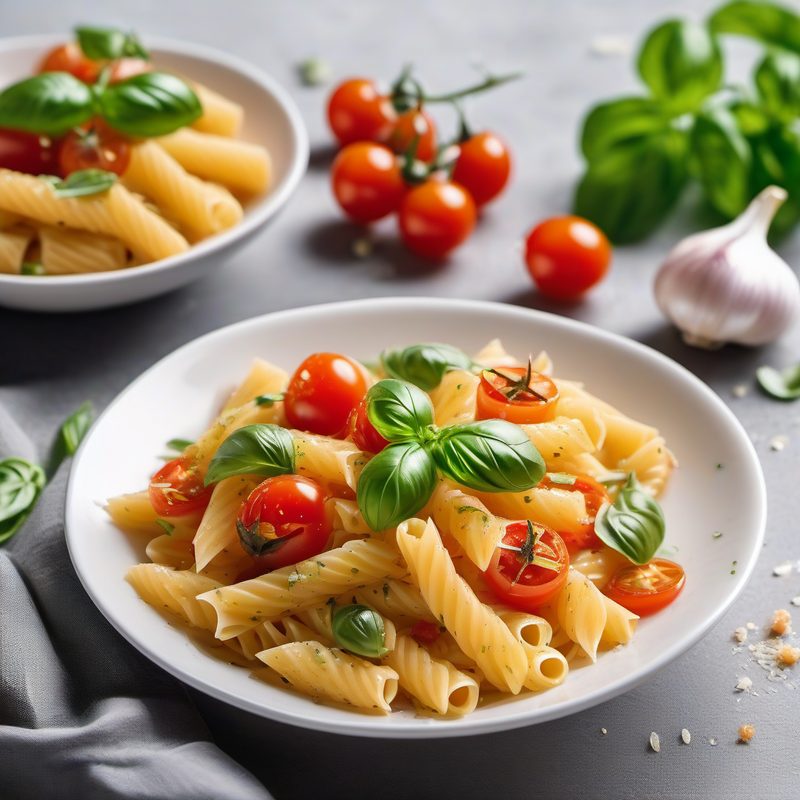
Abruzzese Spaghetti
A robust, rustic pasta from the hills of Abruzzo — spaghetti tossed with smoky pancetta, garlic, and onion, finished with sharp pecorino and fresh parsley in a silky, emulsified sauce that comes together in the time it takes to boil water.
| Amount | Ingredient |
|---|---|
| Add Toasted Breadcrumbs | Toast ¼ cup of fresh breadcrumbs in a dry skillet with a drizzle of olive oil until golden. Sprinkle over the finished pasta for a crunchy, nutty contrast |
| Add a Splash of White Wine | Deglaze the pan with 60 ml (¼ cup) of dry white wine after the pancetta is rendered, scraping up any browned bits. Cook until the wine evaporates almost completely before adding the pasta |
Abruzzo, the rugged mountainous region east of Rome, is known for its bold, earthy cooking — lamb, pecorino, saffron, and generous use of smoked meats. Spaghetti all'abruzzese embodies that spirit: the star is pancetta affumicata (smoked pancetta), which lends a deep, bacon-like smokiness that defines the dish. Unlike the more familiar carbonara or amatriciana, this preparation keeps things simpler — no eggs, no tomato — letting the smoky pork and sharp cheese speak for themselves. The technique is pure Abruzzese: cook the pasta, toss it with the rendered fat and a splash of starchy water, and let the pecorino melt into a creamy, clingy coating that wraps each strand in savoury richness. It is a testament to the region's philosophy that the best food comes from doing less, not more.
Note: Smoked pancetta (pancetta affumicata) is essential for the authentic Abruzzese character. If unavailable, substitute guanciale or unsmoked pancetta and add ½ teaspoon of smoked paprika to approximate the smokiness. Do not use bacon — its heavy smoke and sweetness will overpower the dish. Pecorino (preferably Pecorino Romano or Pecorino Abruzzese) is non-negotiable; Parmesan lacks the sharp, salty bite that makes this dish sing.
Equipment
- Large pot (5 L / 5 qt minimum) for pasta
- Large skillet or sauté pan (30 cm / 12 inch)
- Chef's knife and cutting board
- Wooden spoon or tongs
- Colander
- Grater
- Measuring spoons
Preparation
Step 1 — Prepare the Aromatics and Pancetta (5 min)
Finely chop the onion and garlic and set them aside together. Cut the smoked pancetta into strips about 1 cm (½ inch) wide and 3–4 cm (1½ inches) long. Cutting the pancetta into strips rather than dice gives each piece more presence — you want identifiable, satisfying bites of smoky pork throughout the pasta.
Step 2 — Sauté the Aromatics and Pancetta (10 min)
Fill the large pot with generously salted water and bring to a rolling boil. Add the spaghetti and cook according to package directions until al dente — typically 8 to 10 minutes for dried spaghetti.
Meanwhile, heat the olive oil in a large skillet over medium heat. Add the chopped onion and garlic and sauté until softened and golden, about 3 to 4 minutes. Add the pancetta strips and continue cooking, stirring occasionally, until the pancetta is browned and has rendered much of its fat — about 6 minutes more. The fat from the pancetta will mingle with the olive oil to create the sauce base. Do not rush this step: proper rendering is essential. The pancetta should be sizzling gently but not crisping to the point of brittleness. If the pan seems dry, add a splash of olive oil; if there is too much fat, spoon off the excess, leaving about 2 tablespoons in the pan.
Step 3 — Combine and Mantecare (3 min)
When the spaghetti is al dente, reserve about 1 cup (240 ml) of the pasta cooking water, then drain the pasta well (do not rinse).
Add the drained spaghetti directly to the skillet with the pancetta and aromatics. Toss briefly with tongs or a wooden spoon to coat every strand in the rendered fat.
Turn off the heat. Add a generous handful of chopped fresh parsley and a generous amount of grated pecorino — about ½ cup (50 g) to start. Add 3 to 4 tablespoons of the reserved pasta water and toss vigorously, shaking the pan and stirring with tongs, until the cheese melts and emulsifies with the fat and pasta water into a glossy, creamy sauce that clings to every strand. The pasta should be slick and shiny, not oily or dry. If it seems dry, add another splash of pasta water.
Season with a generous amount of freshly ground black pepper — this is a key element of the dish, not an afterthought. Taste and adjust: add more pecorino for saltiness, more pasta water for creaminess, or a pinch of salt if needed (the pancetta and pecorino are both salty, so you may not need extra salt).
The mantecatura (creaming step) is borrowed from carbonara and cacio e pepe — by tossing the hot pasta with starchy water, melted cheese, and rendered fat off heat, you create a stable emulsion that clings to the pasta rather than pooling. Work quickly and energetically; the emulsion forms best when everything is still hot.
Step 4 — Plate and Serve (2 min)
Warm 4 shallow bowls by filling them with hot tap water for 30 seconds, then drying them.
Divide the spaghetti among the warm bowls, using tongs to create neat, coiled nests. Top each serving with an extra shower of grated pecorino, a sprinkle of fresh parsley, and a final crack of black pepper. Serve immediately — like all emulsified pasta sauces, this one waits for no one.
The finished dish is beautiful in its simplicity: pale golden spaghetti speckled with browned pancetta, bright green parsley, and snowy white pecorino, all glossy with the emulsified sauce. The aroma is intoxicating — smoky pork, sharp cheese, and fragrant black pepper.
Chef's Tips
- Smoked pancetta is the star. Seek out true pancetta affumicata from an Italian deli if possible. It is cured pork belly, cold-smoked over beech or oak, with a delicate, rounded smokiness that is worlds apart from the aggressive smoke of supermarket bacon. If your pancetta is unsmoked, add ½ teaspoon of smoked paprika with the pepper at the end.
- Use a high-quality pecorino. Pecorino Romano is the classic choice — salty, sharp, and crumbly. Grind it fresh; pre-grated pecorino contains anti-caking agents that prevent proper melting and can make the sauce grainy.
- Reserve plenty of pasta water. The starchy water is essential for the emulsion. Reserve at least 1 cup (240 ml) — you may not use it all, but running out mid-mantecatura is frustrating.
- Work quickly off heat. The emulsion forms only when everything is hot. Have your parsley chopped, cheese grated, and pasta water measured before you drain the pasta.
- Don't skip the black pepper. Freshly cracked black pepper provides a warm, floral heat that cuts through the richness of the pancetta and cheese. Use a generous amount — it is a defining flavour of this dish.
- Adjust the fat. If the pancetta renders a lot of fat (more than 2–3 tablespoons), spoon off the excess before adding the pasta. Too much fat will make the dish greasy and prevent the cheese from emulsifying properly.
- Add a pinch of red pepper flakes for a gentle kick — a common Abruzzese addition that complements the smokiness beautifully.
Common Mistakes
| Mistake | Why It Hurts | The Fix |
|---|---|---|
| Using bacon instead of smoked pancetta | Bacon is sweeter, more heavily smoked, and often contains added sugar and water, which throws off the flavour balance and prevents proper rendering | Use true smoked pancetta from an Italian deli, or substitute unsmoked pancetta + ½ tsp smoked paprika |
| Overcooking the pancetta until crisp | Crispy pancetta releases too much fat and becomes tough and dry, losing its pleasant meaty chew | Cook until browned and rendered but still tender — about 6 minutes. It should sizzle gently, not fry aggressively |
| Adding the cheese over high heat | High heat causes pecorino to seize into a clumpy, stringy mess rather than melting smoothly into the sauce | Always turn off the heat before adding the cheese, and toss with pasta water to create a creamy emulsion |
| Not reserving enough pasta water | Without enough starchy water, the cheese and fat won't emulsify — you'll end up with oily pasta and clumps of unmelted cheese | Reserve at least 1 cup (240 ml) of pasta water before draining |
| Using pre-grated pecorino | Pre-grated cheese contains cellulose and anti-caking agents that prevent smooth melting, resulting in a grainy, gritty sauce | Grate pecorino fresh from a block — it takes 30 seconds and makes a significant difference |
| Skipping the pasta water emulsion | The fat and cheese will not cling to the pasta, leaving you with a greasy, unevenly coated dish | Always add 3–4 tablespoons of pasta water and toss vigorously off heat to create a creamy, clingy sauce |
Variations
| Variation | How To |
|---|---|
| Add Mushrooms | Sauté 200 g (7 oz) of sliced cremini or porcini mushrooms with the onion before adding the pancetta. The earthy, umami flavour is a natural partner for the smoky pork and pecorino |
| Use Guanciale Instead | Substitute guanciale (cured pork cheek) for the smoked pancetta — the result is richer and more intensely porky, though you lose the smokiness. Add ½ tsp smoked paprika to compensate |
| Add Chilli (Abruzzese-style) | Add 1 teaspoon of red pepper flakes (or 1 fresh red chilli, finely chopped) to the oil with the onion. Abruzzesi love heat, and chilli cuts through the richness beautifully |
| Switch to Bucatini or Tonnarelli | Thicker, chewier pasta shapes like bucatini or tonnarelli are excellent alternatives — their robust texture stands up well to the hearty sauce. Adjust cooking times accordingly |
Storage & Leftovers
| Method | Details |
|---|---|
| Refrigerator | Store leftovers in an airtight container for up to 1 day. The pasta will absorb the sauce and the texture will change — this dish is best eaten fresh |
| Reheating | Reheat in a skillet over medium-low heat with a splash of water or pasta water, tossing gently until warmed through (2–3 minutes). Do not microwave — it will make the pecorino rubbery and the pancetta tough |
| Freezing | Freezing is not recommended. The emulsion will break, the pasta will become mushy, and the pecorino will develop a grainy texture upon thawing |
| Make Ahead | Cut the pancetta into strips, chop the onion and garlic, and grate the pecorino up to a day ahead. Store everything separately in the refrigerator. On serving day, you need only 15 minutes of active work |
Wine Pairing
| Wine | Why |
|---|---|
| Montepulciano d'Abruzzo (Abruzzo) | The quintessential pairing — a medium-bodied red with ripe dark cherry, plum, and subtle earthy notes, with moderate tannins that stand up to the smoky pancetta and sharp pecorino without overwhelming the pasta. A wine from the same region as the dish is always a safe bet |
| Trebbiano d'Abruzzo (Abruzzo) | A full-bodied white with golden apple, pear, almond, and a pleasantly bitter finish — the acidity cuts through the richness of the pancetta and cheese, while the nutty notes echo the pecorino. Serve slightly chilled (50°F / 10°C) |
| Chianti Classico (Tuscany) | Sangiovese's bright cherry and herbal notes, with firm acidity and medium tannins, complement the smoky pork and provide a palate-cleansing contrast to the cheese. A classic Tuscan red that works beautifully here |
| Rosso Piceno (Marche) | A blend of Montepulciano and Sangiovese from neighbouring Marche — lighter and more approachable than Montepulciano d'Abruzzo alone, with bright red fruit, soft tannins, and a savoury finish that mirrors the dish's rustic character |
| Verdicchio dei Castelli di Jesi (Marche, chilled) | A crisp, mineral-driven white with green apple, lemon zest, and almond notes — the bright acidity cuts through the rendered fat and cheese, while the almond finish harmonises with the pecorino. An unexpected but excellent pairing |
| Cerasuolo d'Abruzzo (Abruzzo, chilled) | A rosato (rosé) from the same region, made from Montepulciano grapes — it has the body of a light red with the freshness of a white; cherry and wild berry fruit, crisp acidity, and a savoury finish make it a versatile, food-friendly choice |
Suggested Side Dishes
- Simple arugula and lemon salad — Baby arugula dressed with 3 parts extra-virgin olive oil, 1 part fresh lemon juice, salt, and pepper. The peppery, bright salad cuts through the richness of the pasta and refreshes the palate
- Grilled asparagus with lemon — Asparagus spears grilled or roasted until tender and charred, finished with a squeeze of lemon and flaky salt. The grassy, slightly bitter notes balance the smoky, cheesy pasta
- Roasted peppers and courgettes — Strips of roasted red pepper and grilled courgette dressed with olive oil, garlic, and oregano. The sweet, smoky vegetables complement the pancetta and add colour to the plate
- Crusty bread or grissini — Warm, crusty bread or breadsticks for sopping up any remaining emulsified sauce from the bowl — a mandatory accompaniment
- Marinated olives — A small bowl of mixed olives marinated in olive oil, garlic, rosemary, and chilli flakes. The briny, savoury olives provide a contrasting bite between forkfuls of pasta
Nutrition (per serving, estimated)
| Calories | Protein | Fat | Carbs | Fiber |
|---|---|---|---|---|
| ~520 | 22 g | 24 g | 54 g | 3 g |
Nutritional values are estimates based on 4 servings with 340 g spaghetti, 240 g smoked pancetta, 3 tbsp olive oil, pecorino, and parsley. Actual values will vary based on the specific pancetta fat content, amount of rendered fat removed, and quantity of cheese used. Smoked pancetta provides protein and B vitamins but is also high in sodium and saturated fat — enjoy in moderation as part of a balanced diet. Pecorino is an excellent source of calcium and protein. To lighten the dish, use 180 g (6 oz) of pancetta and reduce the olive oil to 2 tablespoons (approximately 440 calories and 16 g fat per serving).
Frequently Asked Questions
Can I use regular (unsmoked) pancetta?
Yes, but the dish will lose its defining smokiness. Smoked pancetta (pancetta affumicata) is what gives spaghetti all'abruzzese its characteristic character. If using unsmoked pancetta, add ½ teaspoon of smoked paprika along with the black pepper at the end to approximate the smokiness.
What's the difference between pancetta and bacon?
Pancetta is Italian cured pork belly that is salt-cured and air-dried but not smoked (unless labeled affumicata). Bacon is typically brined, smoked, and often contains added sugar and water. Bacon's sweeter, more aggressive smoke flavour and softer texture make it a poor substitute — it will render differently and dominate the dish in a way pancetta does not.
Can I use Parmesan instead of pecorino?
You can, but the dish will be noticeably different. Pecorino is made from sheep's milk and has a sharp, salty, slightly funky character that cuts through the richness of the pancetta. Parmesan (cow's milk) is nuttier, sweeter, and less salty, which makes for a milder, less distinctive sauce. For a hybrid approach, use half pecorino and half Parmesan.
The sauce turned out greasy — what went wrong?
Most likely the pancetta rendered more fat than expected, and the excess was not removed before adding the pasta. Smoked pancetta can vary significantly in fat content. If the sauce is greasy, spoon off the excess fat before adding the pasta water and cheese. Also ensure you are using enough pasta water and tossing vigorously to create an emulsion — fat and water need to be forced together by the starch and mechanical action.
Can I make this with a different pasta shape?
Absolutely. Bucatini, tonnarelli, rigatoni, or penne all work well. The key is to choose a shape with enough surface area to catch and hold the emulsified sauce. Smooth, thin shapes like angel hair or capellini are less suitable as the sauce will slide off.
Is this dish traditionally made with eggs?
No — that is a common misconception. Unlike carbonara, spaghetti all'abruzzese uses no eggs. The creamy texture comes entirely from emulsifying the rendered fat, starchy pasta water, and melted pecorino off heat. The technique is closer to cacio e pepe than carbonara.
Can I add vegetables?
Yes — wilted spinach, sautéed mushrooms, or roasted red peppers all pair well. Add them during the combine step (Step 3). For a truly Abruzzese addition, stir in a handful of roughly chopped sautéed broccoli rabe (rapini) — its pleasant bitterness is a classic regional pairing with smoky pork.
How do I prevent the pecorino from clumping?
Turn off the heat before adding the cheese, and add it gradually while tossing with the pasta water. The combination of residual heat, starchy water, and mechanical tossing creates a smooth emulsion. If the cheese still clumps, add more hot pasta water — a tablespoon at a time — and toss vigorously.
Related Recipes
- Pasta Pancetta (#60)
- Spaghetti Garlic Butter Pecorino (#66)
- Pasta Sausage Peppers (#92)
- Pasta Cream Ham (#96)
- Spaghetti Abruzzese (#186)
Search Tags
Photo reference: vol1_186.png
Recipe from "The Italian Kitchen" by Vita Milanese — Volume 1: Pasta Perfetto
Recipe from The Italian Kitchen by Vita Milanese — Volume 1 · Pasta Perfetto. Discover all volumes on the ebook page.