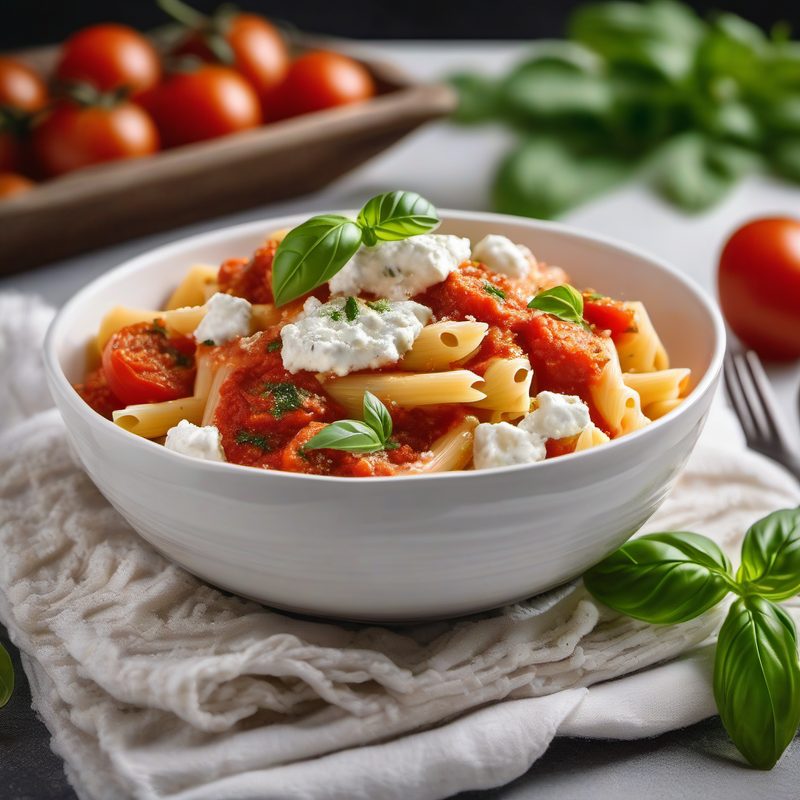
Tagliatelle Fave Stracciatella
Fresh egg tagliatelle, tender fava beans, crispy guanciale, and luscious, milky stracciatella — a study in contrasts that comes together in just twenty minutes and tastes like a Roman Sunday lunch.
| Amount | Ingredient |
|---|---|
| 10 oz (300 g) | Fresh egg tagliatelle |
| ¾ cup (100 g) | Shelled fava beans (from about 1 lb / 450 g unshelled pods) |
| 3.5 oz (100 g) | Stracciatella cheese (the creamy center of burrata), or 1 large burrata, drained and torn |
| 3 oz (80 g) | Guanciale, cut into thin strips (about ¼-inch / 6 mm thick) |
| 1 small (60 g) | Leek, white and light green parts only, halved lengthwise and thinly sliced |
| 1 small (40 g) | Carrot, peeled and finely diced |
| Freshly ground black pepper, plus more for serving | |
| Kosher salt |
There are pasta dishes that impress through complexity, and then there are those that dazzle through the sheer intelligence of their ingredient pairings. This is the latter. Velvety fresh tagliatelle provides the canvas; sweet, double-peeled fava beans bring a grassy spring note; guanciale, rendered until golden and crisp, contributes deep pork richness and an irresistible saltiness; and stracciatella — the impossibly creamy, stringy heart of burrata — melts into the hot pasta in luscious, milky ribbons, coating every strand without weighing it down. A whisper of leek and carrot, softened in the rendered guanciale fat, adds a subtle sweetness that ties everything together. Finished with a generous crack of black pepper and nothing more, this is a dish that respects every ingredient enough to let it speak.
Use level tablespoons and standard US measuring cups. All produce is medium unless specified. If guanciale is unavailable, substitute pancetta — the flavor will be less intensely porky but still excellent.
Equipment
- Large pot (6 qt / 6 L) for pasta
- Medium saucepan for blanching fava beans
- 12-inch (30 cm) skillet or sauté pan
- Chef's knife and cutting board
- Colander
- Small bowl of ice water (for shocking fava beans)
- Tongs
- Spider skimmer or slotted spoon
Preparation
Step 1 — Prepare the Fava Beans (10 minutes)
Bring a medium saucepan of water to a boil. Add the shelled fava beans and blanch for 3 to 4 minutes. Drain and immediately transfer to a bowl of ice water to stop the cooking. Once cool, use your thumb and forefinger to gently squeeze each bean out of its pale green skin. You should have about ½ cup (75 g) of double-peeled beans. Set aside.
If using very small, young fava beans (less than ½ inch / 1 cm), you can skip the peeling.
Step 2 — Render the Guanciale (5 minutes)
Place the guanciale strips in a cold 12-inch skillet. Set over medium heat and cook, stirring occasionally, until the fat has rendered and the guanciale is golden and crisp, about 5 to 6 minutes. Use a slotted spoon to transfer the crispy guanciale to a small plate, leaving the rendered fat in the skillet. Do not drain the fat — it is the foundation of the sauce.
Step 3 — Sauté the Vegetables (4 minutes)
Add the sliced leek and diced carrot to the skillet with the rendered guanciale fat. Cook over medium heat, stirring occasionally, until the vegetables are soft and the leek is translucent, about 3 to 4 minutes. Do not let them brown — a gentle sweat is what you want.
Step 4 — Cook the Fava Beans (3 to 4 minutes)
Add the peeled fava beans to the skillet. Season with a pinch of salt and cook, stirring gently, until the beans are just heated through, about 3 to 4 minutes. Remove from heat.
Step 5 — Cook the Tagliatelle (2 to 3 minutes)
Meanwhile, bring a large pot of generously salted water to a rolling boil — it should taste like the sea. Add the fresh egg tagliatelle and cook until al dente, usually 2 to 3 minutes for fresh pasta. Reserve about ½ cup (120 ml) of the starchy pasta water before draining. Fresh pasta cooks very quickly — do not walk away from the pot.
Step 6 — Toss and Serve (2 minutes)
Using tongs or a spider skimmer, transfer the tagliatelle directly from the pot to the skillet with the fava bean mixture. Set the skillet over low heat. Add the crispy guanciale back to the pan and toss gently to combine. Add the stracciatella (tear it into a few large pieces with your hands as you add it) and a generous crack of black pepper. Toss gently — the stracciatella will begin to melt into creamy, milky ribbons. If the pasta looks dry, add a splash of reserved pasta water, 1 tablespoon at a time, and toss until it loosens. Taste and adjust seasoning — the guanciale and stracciatella are both salty, so additional salt is rarely needed.
Divide among warm bowls immediately. Finish with an extra crack of black pepper and serve at once. Do not let it sit — stracciatella loses its creamy magic as it cools.
Chef's Tips
- Stracciatella is not optional — but here's how to source it: If you can't find stracciatella on its own, buy a whole burrata, gently pull it apart, and use the creamy center (the stracciatella) while reserving the firmer outer mozzarella for another use (caprese salad, for instance).
- Fresh pasta timing: Fresh tagliatelle cooks in 2 to 3 minutes — barely longer than it takes to boil the water. Have everything ready before you drop the pasta. The final toss should take less than 60 seconds.
- Guanciale vs. pancetta: Guanciale (cured pork jowl) has a higher fat content and a deeper, more distinctive flavor than pancetta (cured pork belly). If using pancetta, consider adding a drizzle of olive oil to the skillet when rendering, as pancetta renders less fat.
- Peel the favas — really: Yes, it's fussy, but the double-peeled fava beans are silky and sweet while the skins are tough and bitter. With only ¾ cup of favas to peel, it takes less than 5 minutes. Do it.
- Black pepper is the seasoning star: This dish uses no garlic, no herbs, no chili — just black pepper. Use freshly, coarsely ground pepper for its floral, aromatic heat. It cuts through the richness of the guanciale and stracciatella beautifully.
Common Mistakes
| Mistake | Why It Hurts | The Fix |
|---|---|---|
| Overcooking fresh tagliatelle | Fresh pasta turns to mush in seconds; there's no recovering it | Cook for exactly 2 to 3 minutes and taste at the 2-minute mark |
| Adding stracciatella off-heat | The cheese won't melt into creamy ribbons; it stays cold and curd-like | Toss over low heat so the stracciatella softens gradually into the pasta |
| Draining pasta completely | Without starchy water, the dish is dry and the cheese can't emulsify | Transfer pasta directly from pot to skillet with tongs — let water cling |
| Burning the guanciale | Rendered too quickly, the meat turns bitter and the fat loses its clean pork flavor | Start in a cold pan over medium heat; low and slow is the way |
| Serving after the pasta has cooled | Stracciatella firms up and becomes gloppy as it cools — the dish loses its magic | Serve immediately in pre-warmed bowls and eat without delay |
Variations
| Variation | How To |
|---|---|
| With Peas Instead of Fava Beans | Substitute ¾ cup (100 g) fresh or frozen peas — no blanching or peeling needed; add directly to the skillet with the leek and carrot |
| With Asparagus | Add ½ cup (75 g) thinly sliced asparagus spears to the skillet along with the fava beans; cook 2 minutes |
| Spicy | Add ½ tsp red pepper flakes with the black pepper for a gentle, warming heat that cuts through the richness |
| With Lemon Zest | Add the zest of 1 lemon when tossing the finished pasta — the brightness lifts the creamy stracciatella beautifully |
| Vegetarian | Omit the guanciale; sauté the leek and carrot in 2 tbsp olive oil and add 1 tbsp nutritional yeast with the black pepper for umami |
Storage & Leftovers
| Method | Details |
|---|---|
| Refrigerator | Store in an airtight container for up to 1 day. The stracciatella will firm up and the pasta will absorb the sauce. |
| Freezer | Not recommended — the delicate fresh pasta and creamy stracciatella break down completely upon thawing. |
| Reheating | Reheat gently in a skillet over medium-low heat with a splash of water. The stracciatella will not re-melt into its original creamy state, but the flavors will still be lovely. A quick 30-second zap in the microwave works in a pinch. |
Wine Pairing
| Wine | Why |
|---|---|
| Frascati Superiore | A Roman classic for a Roman dish; light, mineral-driven, and citrusy — mirrors the spring fava beans without overwhelming the stracciatella |
| Vermentino di Sardegna | Bright acidity and herbaceous notes cut through the richness of the guanciale and creamy cheese |
| Soave Classico | Hints of white flowers and bitter almond — a perfect foil for the pork fat and milky stracciatella |
| Cesanese del Piglio | A light, fruity red from Lazio with soft tannins and bright acidity — a surprisingly good match for the guanciale if you prefer red |
Suggested Side Dishes
- Shaved Fennel and Orange Salad — Thinly sliced fennel with supremed orange segments, red onion, and a lemon vinaigrette; the citrus cuts through the richness
- Simple Arugula Salad with Parmigiano — Peppery arugula, lemon, olive oil, and shaved Parmigiano-Reggiano
- Grilled Radicchio with Balsamic — The slight bitterness of radicchio is a perfect contrast to the creamy pasta
- Crusty Sourdough Bread — For sopping up any remaining stracciatella and rendered pork fat from the bowl
Nutrition (per serving)
| Calories | Protein | Fat | Carbs | Fiber |
|---|---|---|---|---|
| ~490 | 18 g | 20 g | 58 g | 4 g |
Nutritional values are estimates and may vary based on specific ingredients and quantities used.
FAQs
What is stracciatella, exactly?
Stracciatella is the soft, creamy, shredded curd center of burrata cheese — it's a mix of fresh mozzarella shreds and sweet cream. It's available at well-stocked Italian markets and specialty grocers. If you can't find it, substitute the creamy interior of a whole burrata (reserve the firmer mozzarella exterior for another use), or use very fresh, high-quality ricotta as a last resort.
Can I use dried tagliatelle instead of fresh?
Yes, but the texture will be different — dried pasta is firmer and less silky. Cook it according to package directions until al dente, and be more generous with the reserved pasta water, as dried pasta absorbs more liquid. Reduce the cook time estimate by using fresh.
Do I have to peel the fava beans?
For this dish, yes — the sweet, silky texture of double-peeled favas is essential to the delicate balance of the ingredients. The skins are tough and bitter and would compete with the stracciatella and guanciale. The good news: with only ¾ cup to peel, it takes about 5 minutes.
Can I make this without guanciale?
Absolutely — substitute pancetta, or omit the pork entirely and sauté the leek and carrot in 2 tablespoons of olive oil. The dish will lose its porky depth but will still be delicious, with the stracciatella and fava beans as the stars.
Why is there no garlic in this recipe?
The flavors here are deliberately streamlined — guanciale, fava beans, leek, stracciatella, and black pepper. Garlic would compete with the delicate sweetness of the leek and the grassy notes of the favas. Trust the restraint.
Related Recipes
- Pasta with Fresh Fava Beans (Pasta con le fave fresche) (#217)
- Pasta with Fava Bean Pesto (Pasta al pesto di fave) (#120)
- Tagliatelle with Artichokes (Tagliatelle con carciofi) (#170)
- Tagliatelle with Walnut and Fig Pesto (Tagliatelle con pesto di noci e fichi) (#173)
- Pasta with Zucchini and Creamy Ricotta (Pasta zucchine e ricotta) (#104)
Search Tags
Photo reference: `vol1_218.png` — A wide, shallow ceramic bowl of golden fresh tagliatelle tangled with bright green fava beans and glistening, crispy pieces of guanciale. Milky white ribbons of stracciatella melt into the pasta, with a generous crack of coarse black pepper across the top. Shot from a 45-degree overhead angle in warm, soft natural daylight on a rustic wooden table. A linen napkin folded beside the bowl, and a glass of Frascati in the background. Roman trattoria presentation — rich, creamy, and irresistible.
Recipe from "The Italian Kitchen" by Vita Milanese — Volume 1: Pasta Perfetto
Recipe from The Italian Kitchen by Vita Milanese — Volume 1 · Pasta Perfetto. Discover all volumes on the ebook page.