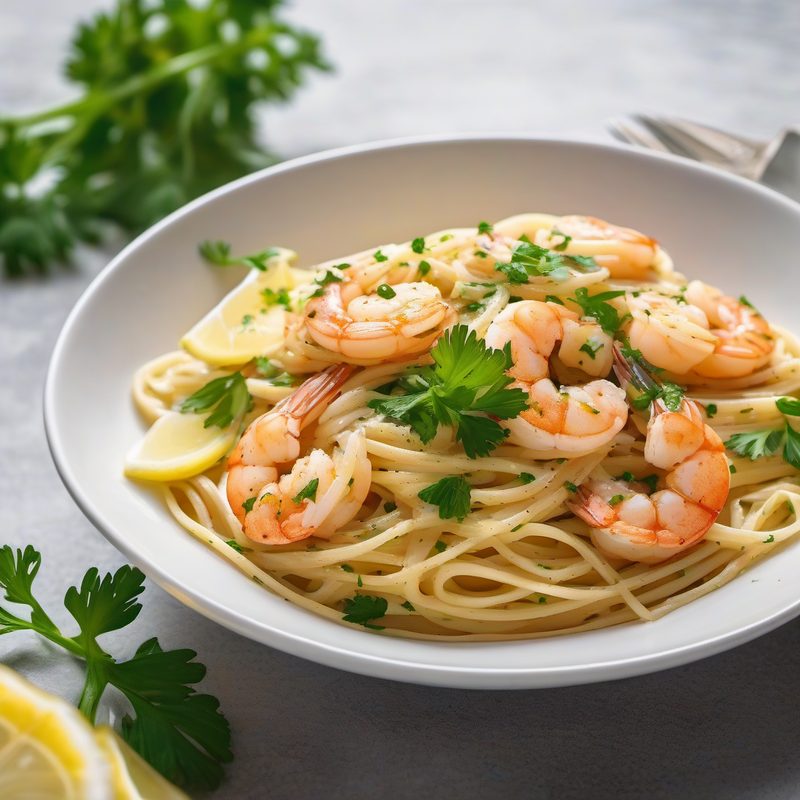
Pasta Fresh Fava Beans
A vibrant spring pasta that celebrates the sweet, tender flavor of fresh fava beans — tossed with al dente spaghetti, fragrant mint, and salty Pecorino Romano in a light olive oil sauce that comes together in under half an hour.
| Amount | Ingredient |
|---|---|
| 7 oz (200 g) | Spaghetti |
| 1 cup (150 g) | Fresh shelled fava beans (from about 1½ lb / 680 g unshelled pods) |
| 2 | Spring onions, thinly sliced (white and light green parts) |
| 3 tbsp | Extra-virgin olive oil, plus more for drizzling |
| Kosher salt | |
| Freshly ground black pepper | |
| ¼ cup | Fresh mint leaves, roughly chopped (or 1 tbsp fresh oregano) |
| ⅓ cup (40 g) | Pecorino Romano, finely grated, plus more for serving |
There is something quietly transformative about the first fava beans of the season. Unlike their dried counterparts, fresh favas are delicate and buttery, with a grassy sweetness that pairs effortlessly with simple ingredients. In this Roman-inspired dish, shelled fava beans are quickly blanched to loosen their skins (a small task that rewards you with emerald-green jewels), then sautéed with sliced spring onions in fruity olive oil until just tender. A handful of fresh mint — or oregano, if that's what you have — adds an herbaceous lift, while a generous shower of Pecorino Romano binds everything into a light, savory sauce that clings to every strand of spaghetti. It is the kind of pasta that tastes like the first warm day of spring: bright, satisfying, and deceptively simple.
Use level tablespoons and standard US measuring cups. All produce is medium unless specified. If using dried oregano, reduce to 1 teaspoon.
Equipment
- Large pot (6 qt / 6 L) for pasta
- Medium saucepan for blanching fava beans
- 12-inch (30 cm) skillet or sauté pan
- Chef's knife and cutting board
- Colander
- Small bowl of ice water (for shocking fava beans)
- Tongs or pasta fork
- Microplane or fine grater (for cheese)
Preparation
Step 1 — Prepare the Fava Beans (10 minutes)
Bring a medium saucepan of water to a boil. Add the shelled fava beans and blanch for 3 to 4 minutes. Drain and immediately transfer to a bowl of ice water to stop the cooking. Once cool, use your thumb and forefinger to gently squeeze each bean out of its pale green skin — the bright inner bean will pop right out. This double-peeling step is worth the effort: the skins are tough and slightly bitter, while the inner beans are sweet and buttery. You should have about ¾ cup (120 g) of double-peeled beans. Set aside.
If using very small, young fava beans (less than ½ inch / 1 cm), you can skip the peeling — their skins are tender enough to eat.
Step 2 — Sauté the Aromatics (3 minutes)
Set a large skillet over medium heat and add the olive oil. Add the sliced spring onions and a pinch of salt. Cook, stirring occasionally, until the onions are soft and translucent but not browned, about 3 minutes.
Step 3 — Cook the Fava Beans (4 minutes)
Add the peeled fava beans to the skillet. Season with salt and black pepper to taste. Cook, stirring gently, until the beans are just heated through and beginning to take on a bit of color, about 3 to 4 minutes. Stir in the mint (or oregano) and remove from heat.
Step 4 — Cook the Spaghetti (8 to 10 minutes)
Meanwhile, bring a large pot of generously salted water to a rolling boil — it should taste like the sea. Add the spaghetti and cook according to package directions until al dente (about 1 minute less than the suggested time). Reserve about 1 cup (240 ml) of the starchy pasta water before draining.
Step 5 — Toss and Serve (2 minutes)
Drain the spaghetti and add it directly to the skillet with the fava beans. Set the skillet over medium-low heat. Add the Pecorino Romano and a splash of reserved pasta water (about ¼ cup / 60 ml). Toss vigorously with tongs until the cheese melts into a silky, emulsified sauce that coats every strand. If the pasta looks dry, add more pasta water, 1 tablespoon at a time, and toss until it loosens. Taste and adjust seasoning with salt and pepper.
Divide between warm bowls. Finish with a drizzle of extra-virgin olive oil and an extra grating of Pecorino Romano. Serve immediately.
Chef's Tips
- Fresh vs. frozen favas: Frozen, double-peeled fava beans are a perfectly acceptable shortcut — just thaw and add them directly to the skillet without blanching. If you can only find frozen favas in their skins, blanch and peel as directed (they peel even more easily than fresh).
- Mint or oregano? Fresh mint is the classic Roman choice and pairs beautifully with fava beans' grassy sweetness. Oregano (fresh or dried) gives a more rustic, southern Italian character. Both are delicious — let your pantry decide.
- Pasta water is essential: The starchy water helps the Pecorino melt into a creamy sauce without clumping. Reserve a full cup even if you think you won't need it — the extra can rescue a dry pasta in seconds.
- Don't skip the peel: Yes, peeling fava beans is fiddly, but the texture difference is night and day. The pale green skins are tough and chewy; the bright beans inside are silky and sweet. Put on some music and enjoy the ritual.
Common Mistakes
| Mistake | Why It Hurts | The Fix |
|---|---|---|
| Skipping the peel on mature favas | Tough, chewy skins ruin the delicate texture of the dish | Always blanch and peel favas unless they are very small and young |
| Overcooking the fava beans | They turn mushy and lose their sweet, buttery character | Cook just 3 to 4 minutes after peeling — they only need to warm through |
| Draining pasta completely | Without starchy water, the cheese clumps and the sauce is dry | Reserve pasta water before draining; add it gradually as you toss |
| Using pre-grated Pecorino | Contains anti-caking agents that prevent smooth melting | Always grate Pecorino Romano fresh from a wedge |
| Cooking the spring onions until brown | Burnt onions add bitterness, not sweetness | Cook over medium heat until soft and translucent, 3 minutes max |
Variations
| Variation | How To |
|---|---|
| With Guanciale or Pancetta | Render 2 oz (60 g) diced guanciale or pancetta in the skillet before adding the spring onions; proceed as directed — the rendered fat adds deep, savory richness |
| With Cherry Tomatoes | Add 1 cup (150 g) halved cherry tomatoes to the skillet with the fava beans; cook until they begin to burst, about 3 minutes |
| With Lemon and Ricotta | Add the zest of 1 lemon with the mint, and dollop ½ cup (120 g) whole-milk ricotta over the finished pasta before serving |
| Gluten-Free | Substitute high-quality gluten-free spaghetti; cook according to package directions and reserve extra pasta water (GF pasta releases more starch) |
| Vegan | Omit the Pecorino Romano; finish with 2 tbsp nutritional yeast and an extra drizzle of olive oil for creaminess |
Storage & Leftovers
| Method | Details |
|---|---|
| Refrigerator | Store in an airtight container for up to 2 days. The fava beans will soften further and the pasta will absorb more sauce. |
| Freezer | Not recommended — the delicate fava beans break down upon thawing and the pasta becomes mushy. |
| Reheating | Reheat gently in a skillet over medium-low heat with a splash of water or reserved pasta water, tossing until just warmed through (2 to 3 minutes). Avoid the microwave, which makes the noodles rubbery and unevenly heats the beans. |
Wine Pairing
| Wine | Why |
|---|---|
| Vermentino di Sardegna | Bright citrus and herbal notes mirror the mint and fava beans; crisp acidity cuts through the Pecorino |
| Gavi di Gavi | Lightly floral with almond undertones — a classic Piedmontese pairing for spring vegetable pastas |
| Frascati Superiore | A Roman classic for a Roman dish; mineral-driven, slightly nutty, and light enough to let the favas shine |
| Soave Classico | Hints of white flowers and bitter almond complement the grassy sweetness of the beans |
Suggested Side Dishes
- Simple Arugula Salad with Lemon — Peppery arugula, lemon juice, olive oil, and shaved Parmigiano; the brightness cuts the richness of the cheese
- Grilled Asparagus with Olive Oil and Sea Salt — Another spring vegetable that echoes the seasonality of the dish
- Crusty Ciabatta or Focaccia — For sopping up every last drop of the olive oil and cheese sauce
- Roasted Radishes with Thyme — Their peppery bite and tender texture make an unexpected but perfect companion
Nutrition (per serving)
| Calories | Protein | Fat | Carbs | Fiber |
|---|---|---|---|---|
| ~430 | 17 g | 13 g | 62 g | 6 g |
Nutritional values are estimates and may vary based on specific ingredients and quantities used.
FAQs
Do I really have to peel the fava beans?
For the best texture, yes — unless the beans are very young and small (less than ½ inch / 1 cm). The outer skin of mature fava beans is tough, waxy, and slightly bitter. The brief blanch-and-shock treatment makes the skins slip off easily, revealing bright, buttery beans that are the soul of this dish.
Can I use dried fava beans instead?
Dried favas have a completely different texture and flavor — they are starchy and earthy rather than sweet and buttery. This recipe is designed for fresh favas. If you only have dried, consider making a fava bean purée or soup instead.
What if I can't find Pecorino Romano?
Substitute Parmigiano-Reggiano. The flavor will be nuttier and less salty, so adjust seasoning accordingly. Grana Padano is another good option.
Can I use a different pasta shape?
Absolutely. Linguine, fettuccine, bucatini, or even short shapes like orecchiette or gemelli all work beautifully. Adjust cooking time to the shape.
Can I make this ahead for a dinner party?
This is best served immediately, but you can prep the components: blanch and peel the fava beans up to 1 day ahead, and have your spring onions sliced and cheese grated. The final toss takes only 2 minutes, so you can finish it just before serving.
Related Recipes
- Farfalle with Fava Bean Cream and Roasted Tomatoes (Farfalle con crema di fave e pomodorini arrostiti) (#216)
- Creamy Fava Bean Pasta (Pasta cremosa alle fave) (#41)
- Pasta with Fava Bean Pesto (Pasta al pesto di fave) (#120)
- Tagliatelle with Fava Beans and Stracciatella (Tagliatelle fave e stracciatella) (#218)
- Cold Pasta with Pesto, Potatoes, and Green Beans (Pasta fredda al pesto con patate e fagiolini) (#105)
Search Tags
Photo reference: `vol1_217.png` — A wide, shallow ceramic bowl of spaghetti tangled with bright emerald-green fava beans, glistening with olive oil and scattered with freshly grated Pecorino Romano. Fresh mint leaves are tucked throughout for color and garnish. Shot from a 45-degree overhead angle in warm, soft natural daylight on a rustic wooden table. A small white dish of extra grated Pecorino sits beside the bowl. Rustic Roman spring presentation — bright, herbaceous, and inviting.
Recipe from "The Italian Kitchen" by Vita Milanese — Volume 1: Pasta Perfetto
Recipe from The Italian Kitchen by Vita Milanese — Volume 1 · Pasta Perfetto. Discover all volumes on the ebook page.