Pasta Swordfish Fava Beans
A bright, sun-drenched spring pasta from the Sicilian coast that pairs sweet, tender swordfish with creamy fava beans, fresh mint, and lemon zest—a celebration of the season's first harvest that comes together in just 25 minutes. The swordfish takes center stage, its firm, meaty texture seared to golden perfection in olive oil, while the fava beans add a velvety, buttery counterpoint and the mint and lemon keep everything bright and lively.
| Amount | Ingredient |
|---|---|
| Add Capers and Olives | Add 1 tablespoon of rinsed capers and ¼ cup (40 g) of halved pitted green olives (such as Castelvetrano) to the skillet along with the fava beans. The brininess adds a puttanesca-style counterpoint to the sweet swordfish and creamy beans |
This is the pasta that tastes like a Sicilian spring afternoon—the first fava beans of the season, still sweet and tender, paired with the prized swordfish that has made the coastal waters of Sicily famous. The combination might seem unusual at first, but it's a classic of the island's cucina povera tradition, where fishermen's families would toss whatever the sea and garden provided into the same pot of pasta. The preparation is refreshingly straightforward: shell and blanch the fava beans (the only mildly fussy step), sear cubes of swordfish in olive oil until golden, then toss everything with al dente penne and a splash of pasta water to create a silky, emulsified sauce that needs no cream or tomatoes. The lemon zest and fresh mint are the bright, aromatic finishing touches that elevate the dish from simple to sublime. It's elegant enough for a dinner party yet fast enough for a weeknight, provided you can find good swordfish and fresh fava beans—both worth seeking out when they're in season. The beauty of this dish lies in its restraint: every ingredient is allowed to speak clearly, and the combination of sweet seafood, creamy beans, herbaceous mint, and bright citrus is nothing short of extraordinary.
For the Seafood and Beans
For the Pasta
Use level tablespoons and standard US measuring cups. Swordfish should be fresh, sustainably caught, and free of dark red blood lines (the darker flesh is stronger-tasting and can be trimmed away). For the fava beans, look for firm, bright green pods—smaller pods tend to yield sweeter, more tender beans.
🥘 Equipment
- Large pot (6 qt / 6 L minimum) for pasta
- Large skillet or sauté pan (12-inch / 30 cm)
- Chef's knife and cutting board
- Medium saucepan for blanching fava beans
- Large bowl with ice water (ice bath)
- Colander
- Small bowl for shelled beans
- Microplane or fine grater for lemon zest
- Measuring cups and spoons
- Wooden spoon or heat-resistant spatula
- Tongs or pasta scoop
- Paper towels (for patting fish dry)
📋 Preparation
Step 1 — Shell and Blanch the Fava Beans (8 minutes)
Shell the beans: Remove the fava beans from their large, fuzzy pods. You should get about 1¼ to 1½ cups of shelled beans from 450 g of pods. Discard the pods.
Blanch: Bring a medium saucepan of salted water to a rolling boil over high heat. Add the shelled fava beans and cook for 2 minutes exactly. The beans will turn a brighter, more vivid green.
Ice bath: Drain the beans and immediately transfer them to a bowl of ice water to stop the cooking and set the bright green color. Let them sit for 1 to 2 minutes, then drain again.
Peel the skins: This is the slightly tedious but essential step. Pinch the pale green skin at one end of each bean; the bright green inner bean should slip out easily. Discard the skins and place the peeled beans in a small bowl. Set aside.
The double-peeling of fava beans—first from the pod, then from the waxy skin—is the only time-consuming step in this recipe, but it transforms the beans from tough and chewy to creamy and luxurious. The skins are edible but unpleasantly tough, and removing them allows the tender, buttery interior to melt into the sauce and cling to the pasta. If you're using very young, small fava beans (less than 1 inch / 2.5 cm long), the skins may be tender enough to leave on—taste one to decide.
Step 2 — Prepare the Swordfish (2 minutes)
Trim and cube: Place the swordfish steak on a cutting board. Using a sharp chef's knife, trim away any dark red blood line or skin (the skin is tough and should be removed before cooking). Cut the fish into ¾-inch (2 cm) cubes—you should have about 3 cups of cubes. Try to keep the cubes uniform in size for even cooking.
Pat dry: Spread the swordfish cubes on a plate lined with paper towels and gently pat them dry. Season with ¼ teaspoon of fine sea salt and a few grinds of fresh black pepper. Set aside.
Swordfish is a dense, meaty fish that behaves almost like steak in the pan—it holds its shape well, develops a beautiful golden crust when seared, and stays moist and tender inside if not overcooked. The ¾-inch cube size is ideal: large enough to stay juicy after searing, small enough to be a consistent bite with the pasta and beans.
Step 3 — Sear the Swordfish (8 minutes)
Heat the oil: Place the large skillet over medium-high heat. Add 2 tablespoons of extra-virgin olive oil and let it heat until shimmering but not smoking, about 1 minute.
Add the garlic: Add the smashed garlic clove to the hot oil and cook, stirring frequently, until fragrant and just beginning to turn golden at the edges, about 30 seconds. The garlic infuses the oil without needing to be finely chopped—we'll remove it later.
Sear the swordfish: Add the swordfish cubes in a single layer (work in two batches if necessary). Let them cook undisturbed for 2 minutes to develop a deep golden-brown crust on one side. Then, using tongs or a spatula, flip the cubes and continue cooking, turning occasionally, until all sides are golden and the fish is cooked through but still moist, about 6 minutes total (8 minutes for the full sear time).
Season: Sprinkle the lemon zest (from 1 lemon), an additional ¼ teaspoon of fine sea salt, and a few more grinds of black pepper over the swordfish. Add about 6 to 8 fresh mint leaves, torn or roughly chopped. Toss to combine.
Don't rush the sear. The swordfish needs high, steady heat to develop a golden-brown crust that contrasts with its tender, flaky interior. Lower heat will cause the fish to release moisture and steam rather than brown. If the fish sticks to the pan when you try to flip it, give it another 30 seconds—it will release naturally when properly seared.
Step 4 — Add the Fava Beans (1 minute)
Add the beans: Reduce the heat to medium-low. Add the peeled fava beans to the skillet with the swordfish. Toss gently to combine and warm through, about 1 minute. Remove and discard the garlic clove. Remove the skillet from the heat and set aside while you cook the pasta.
The fava beans need only brief warming in the pan—they're already fully cooked from the blanching step. Prolonged cooking would make them mushy and cause them to lose their bright green color and delicate texture. They should be tender-creamy but still hold their shape.
Step 5 — Cook the Pasta (8 to 12 minutes, concurrent with Step 3 and 4)
Boil the pasta water: While the swordfish sears, bring the large pot of generously salted water (about 1½ tablespoons kosher salt per 4 quarts of water) to a rolling boil over high heat.
Cook the pasta: Add the penne rigate and cook until al dente—about 1 minute less than the package directions for the shortest time listed. For penne, this is typically 10 minutes; check for doneness at 9 minutes. The pasta should have a faint white core and offer firm resistance when bitten.
Reserve pasta water: Before draining, scoop out 1 cup of the starchy pasta cooking water and set it aside.
Drain the pasta: Drain the pasta in a colander but do not rinse—the surface starch is essential for helping the sauce cling.
Step 6 — Toss and Finish (2 minutes)
Combine: Return the skillet with the swordfish and fava beans to medium heat. Add the drained pasta directly to the skillet.
Add pasta water: Pour in ⅓ cup of the reserved pasta water. Toss and stir vigorously with tongs or a wooden spoon for 2 minutes. The starch from the pasta water will emulsify with the olive oil to create a silky, glossy sauce that coats every piece of pasta, fish, and bean.
Adjust consistency: The pasta should look glossy and moist, with a thin layer of sauce coating everything. If the mixture seems dry, add more pasta water, 1 tablespoon at a time, and toss again. If it seems too wet, let it cook 30 seconds longer, tossing constantly.
The tossing step—mantecare in Italian—is where the magic happens. The combination of hot pasta, starchy water, olive oil, and the residual juices from the swordfish creates an emulsified sauce that needs no cream or butter. Toss vigorously and confidently; the pasta should glisten, not swim.
Step 7 — Serve (immediately)
Plate: Divide the pasta among 4 warmed shallow bowls (run the bowls under hot water for 30 seconds and dry them before plating—cold bowls will cause the sauce to seize up).
Garnish: Top each serving with a few fresh mint leaves (torn or whole) and a final drizzle of good extra-virgin olive oil. Serve at once—this dish is at its peak the moment it hits the plate.
The final drizzle of olive oil and fresh mint are not just garnish—they're a flavor layer. The raw, peppery olive oil brightens every bite, and the fresh mint provides a cool, herbaceous finish that ties together the seafood, beans, and lemon. Don't skip them.
🧑🍳 Chef's Tips
- Buy the swordfish from a trusted fishmonger. Fresh swordfish should smell like the ocean—clean and briny, not fishy or ammonia-like. The flesh should be firm and translucent, not dull or dry at the edges. If swordfish isn't available, you can substitute halibut, grouper, or thick-cut sea bass (adjust cooking time as needed—thinner fillets cook faster).
- Don't skip peeling the fava beans. Yes, it's a bit fussy, but it makes an enormous difference. The waxy skin on each bean is tough and unpleasant to eat, and removing it transforms the texture from chewy to luxuriously creamy. If you're short on time, you can blanch and peel the beans up to a day ahead—store them covered in the refrigerator.
- Use a good-quality extra-virgin olive oil. The oil is a primary flavor in this dish, not just a cooking medium. Choose a bright, grassy, medium-bodied Sicilian or Tuscan oil that you'd happily drizzle on bread. The oil appears in the searing step and as a final garnish—its quality matters at both stages.
- Grate the lemon zest just before using. Pre-grated zest loses its aromatic oils quickly and turns bitter. Use a Microplane or fine grater to remove only the yellow part of the peel, avoiding the white pith underneath (the pith is bitter and will overpower the delicate flavors of the dish). One medium lemon should yield about 1 tablespoon of zest.
- Toast the mint gently—don't let it cook too long. The mint should be added to the pan only in the final moments and used primarily as a fresh garnish. Prolonged heat will cause the mint to wilt and turn bitter. Fresh, uncooked mint is the way to go.
- Warm your serving bowls. This dish comes together fast and is served immediately. Cold bowls will cause the pasta to cool and the sauce to seize up. A quick rinse under hot tap water, wiped dry, is all you need.
- Reserve extra pasta water. The starchy pasta water is your texture-adjustment secret weapon. If the pasta seems dry while you're tossing, add another splash. Even after serving, if the pasta soaks up too much sauce, a tablespoon of reserved water revives it.
❌ Common Mistakes
| Mistake | Why It Hurts | The Fix |
|---|---|---|
| Overcooking the swordfish | Swordfish becomes dry, tough, and mealy instead of moist and tender—it's a lean, dense fish that goes from perfectly cooked to overdone very quickly | Sear over high heat for exactly the time specified (8 minutes total for ¾-inch cubes); the center should be just cooked through and still moist, not dry and flaking apart |
| Using undried swordfish | Wet fish steams rather than sears, producing pale, gray cubes with no golden crust and a watery texture | Pat the swordfish cubes thoroughly dry with paper towels before seasoning and searing |
| Skipping the fava bean blanching step | Raw fava beans are starchy, tough, and have an unpleasant raw-bean flavor—they need the brief blanch to become tender and sweet | The 2-minute blanch followed by an ice bath is essential; it softens the beans, sets the bright green color, and makes the skins easy to remove |
| Leaving the skins on the fava beans | The waxy outer skin of each bean is tough, chewy, and unpleasant to eat; it also prevents the creamy interior from integrating into the sauce | Always peel the skins after blanching—this is the one non-negotiable step for the beans |
| Not reserving pasta water | The sauce won't emulsify properly without the starch from the pasta water, and plain tap water will thin the sauce rather than help it cling | Always scoop out 1 cup of pasta cooking water before draining |
| Using too much heat when adding the fava beans | High heat makes the already-cooked fava beans mushy and causes them to lose their bright green color | Add the fava beans off the heat or over very low heat, just long enough to warm them through (about 1 minute) |
| Letting the mint cook in the pan too long | Heated mint turns bitter and loses its fresh, bright flavor—it should taste clean and herbaceous, not cooked | Add the mint at the very end of cooking or use it exclusively as a fresh garnish; don't let it wilt in the pan |
| Rinsing the cooked pasta | Rinsing washes away the surface starch that helps the sauce cling to the pasta | Drain the pasta without rinsing; the starch is essential for creating a silky, emulsified sauce |
| Using pre-chopped or jarred garlic | Pre-chopped garlic lacks the fresh, pungent aroma of freshly smashed garlic and can have a sour, preservative taste | Smash a fresh garlic clove (don't mince—a whole smashed clove is easy to remove) |
| Skipping the final olive oil drizzle | The raw, fruity olive oil adds a crucial layer of brightness and richness that ties all the flavors together | Don't skip the final drizzle—use the same high-quality oil you used for cooking |
💡 Variations
| Variation | How To |
|---|---|
| Add Cherry Tomatoes | Halve 1 cup (150 g) of cherry tomatoes and add them to the skillet after removing the garlic, just before adding the fava beans. Cook for 1 to 2 minutes, until the tomatoes begin to soften and release their juices. The sweet acidity of the tomatoes complements the swordfish and creates a slightly more saucy dish |
| Spicy Swordfish Pasta | Add ½ teaspoon of red pepper flakes (or 1 small dried calabrian chili, crumbled) to the oil along with the garlic in Step 3. The heat cuts through the richness of the olive oil and adds a Sicilian-inspired kick |
| Lemon-White Wine Sauce | After searing the swordfish and before adding the fava beans, deglaze the pan with ¼ cup (60 ml) of dry white wine (such as Vermentino or Pinot Grigio). Let it bubble and reduce by half (about 1 minute), scraping up any browned bits from the pan. Then proceed with the fava beans. The wine adds acidity and depth |
| Substitute Halibut or Grouper | If swordfish is unavailable or out of season, use halibut, grouper, or thick-cut sea bass. The cooking time will be similar (about 6 to 8 minutes), but these fish are more delicate—handle them gently when flipping and reduce the second-side cook time by 1 to 2 minutes |
| Add Toasted Breadcrumbs | Toast ½ cup (60 g) of fresh breadcrumbs in a small skillet with 1 tablespoon of olive oil until golden and crisp, about 3 to 4 minutes. Sprinkle over the finished pasta just before serving. The crunchy texture provides a wonderful contrast to the tender swordfish and creamy beans—a nod to the Sicilian 'mbriacatura tradition |
| Pasta with Mussels and Fava Beans | Substitute 500 g (1 lb) of fresh mussels (cleaned and debearded) for the swordfish. Steam the mussels in a covered skillet with white wine and garlic until they open (about 4 to 5 minutes), then remove from the shells and proceed with the fava beans, mint, and lemon. A more economical version that's equally delicious |
| Zucchini and Swordfish | Add 1 medium zucchini, cut into ½-inch (1 cm) half-moons, to the skillet after removing the garlic. Sauté for 2 to 3 minutes until tender-crisp and lightly golden, then add the fava beans and proceed. The zucchini adds another layer of spring vegetable sweetness |
| Orecchiette with Swordfish and Fava Beans | Swap the penne for orecchiette (little ears) for a more traditional Pugliese-inspired shape. The small, cupped orecchiette catch the fava beans and swordfish pieces beautifully. The cooking time and technique remain the same |
❄️ Storage & Leftovers
| Method | Details |
|---|---|
| Refrigerator | Store in an airtight container for up to 2 days. The swordfish will continue to firm up and may dry out slightly upon reheating—this is expected. The fava beans will soften further but remain pleasant. The mint will lose its bright color and flavor, so plan to add fresh mint when serving leftovers |
| Reheating | The best way to reheat is in a skillet over medium-low heat with 2 tablespoons of water or reserved pasta water per serving. Add the pasta, water, and toss gently for 2 to 3 minutes until heated through. The steam from the water rehydrates the pasta and helps revive the sauce. Finish with fresh mint and a drizzle of olive oil. Avoid the microwave—it makes the swordfish rubbery and the pasta unevenly hot |
| Freezing | Not recommended. Swordfish becomes dry and mealy when frozen and thawed, and the fava beans turn mushy. This dish is best enjoyed fresh, the day it's made. If you must freeze, freeze the swordfish-only component (before adding the beans and pasta) for up to 1 month, then thaw overnight in the refrigerator and finish with freshly cooked pasta and fresh beans |
| Reviving leftovers | If the refrigerated pasta seems dry, add 1 teaspoon of olive oil and a splash of water per serving before reheating in a skillet. Finish with fresh mint, a squeeze of lemon juice (the bright acidity helps revive tired flavors), and a final drizzle of good olive oil |
🍷 Wine Pairing
| Wine | Why |
|---|---|
| Vermentino di Sardegna (Sardinia) | The classic pairing for seafood pasta from the Italian islands—crisp, zesty, and mineral-driven with notes of green apple, white peach, citrus zest, and crushed stone. The bright acidity cuts through the olive oil and echoes the lemon and mint in the dish, while the saline, almost briny finish harmonizes with the swordfish. A perfect regional match that tastes like a sea breeze |
| Etna Bianco (Sicily) | Made from Carricante grapes grown on the volcanic slopes of Mount Etna—electric, mineral, and intensely savory with lemon pith, green almond, flint, and a distinct saltiness. The volcanic minerality and piercing acidity cut through the richness of the olive oil and swordfish like a laser. One of Italy's most distinctive and food-friendly white wines |
| Greco di Tufo (Campania) | Fuller-bodied than Vermentino, with ripe pear, yellow apple, honeydew melon, and a pronounced almond-like bitterness on the finish. The weight and texture stand up to the meaty swordfish, while the savory, nutty finish echoes the fava beans. A great choice if the dish has a white wine deglaze |
| Gavi di Gavi (Piedmont) | Elegant, floral, and refined with notes of white flowers, green apple, lemon curd, and a delicate almond finish. The bright acidity and subtle complexity complement the dish without overpowering the delicate swordfish and mint. Perfect for a more refined or dinner-party presentation |
| Soave Classico (Veneto) | Made from Garganega grapes, Soave offers flavors of white peach, chamomile, lemon zest, and almond. It's medium-bodied with bright acidity and a subtly creamy texture that mirrors the texture of the fava beans. The almond note in the finish is a beautiful echo of the mint and lemon. An excellent value pairing that works with almost any seafood pasta |
| Friulano (Friuli-Venezia Giulia) | Aromatic and herbal with notes of white flowers, green herbs, citrus, and a distinctive bitter-almond finish. The herbal, almost minty character of Friulano is a particularly inspired match for the fresh mint in this dish. Medium-bodied with racy acidity and a long, savory finish |
| Franciacorta Brut (Lombardy) | If you want bubbles, a Franciacorta—Italy's answer to Champagne—is a spectacular pairing. The fine bubbles and high acidity cut through the olive oil, the brioche and citrus notes complement the lemon and mint, and the effervescence cleanses the palate between bites. A celebratory pairing that elevates this simple pasta to special-occasion status |
| Dry Rosé (Cerasuolo d'Abruzzo or Sicilian Rosato) | A dry, crisp rosé with red berry, herb, and citrus notes provides a refreshing counterpoint to the rich swordfish and olive oil. The chill and brightness of the wine complement the mint and lemon beautifully, and the subtle red fruit doesn't compete with the seafood. Particularly lovely in late spring when both the fava beans and the first rosés of the season are at their peak |
🥗 Suggested Side Dishes
- Simple arugula salad with lemon vinaigrette — Peppery arugula tossed with a bright lemon vinaigrette (2 parts olive oil, 1 part lemon juice, a pinch of salt and pepper). The sharp, peppery greens and citrus dressing cut through the richness of the swordfish and olive oil, providing a crisp, refreshing contrast to the warm pasta
- Grilled asparagus with lemon and Parmigiano — Trimmed asparagus spears, grilled or roasted until tender-crisp, then finished with a squeeze of lemon juice, a drizzle of olive oil, and thin shavings of Parmigiano-Reggiano. The grassy, slightly bitter asparagus is a natural partner for the sweet fava beans and bright lemon in the main dish
- Fennel and orange salad — Thinly sliced raw fennel bulb tossed with orange segments, extra-virgin olive oil, flaky sea salt, and a few black olives. Crisp, bright, and refreshing—the citrus and anise notes cleanse the palate between bites of the rich seafood pasta
- Grilled zucchini and bell peppers — A simple platter of grilled or roasted zucchini, yellow squash, and red bell peppers, drizzled with olive oil and a splash of balsamic vinegar. The sweet, smoky charred vegetables reinforce the Mediterranean theme and add color to the table
- Crusty sourdough or ciabatta — A crusty loaf with a chewy crumb is essential for sopping up every last drop of the emulsified sauce from the bottom of the bowl. Serve with a small dish of good extra-virgin olive oil for dipping
- Steamed artichokes with lemon butter — If they're in season, steamed artichokes with a simple lemon butter or olive oil dipping sauce make an elegant starter that echoes the spring theme. The artichoke's earthy, nutty flavor is a lovely prelude to the sweet swordfish and fava beans
- Caprese salad — Thick slices of ripe tomato, fresh mozzarella, and fresh basil, dressed with olive oil, balsamic reduction, flaky salt, and black pepper. A classic Italian starter that's always welcome alongside seafood pasta. Best in the height of summer when tomatoes are at their peak
📊 Nutrition (per serving, estimated)
| Calories | Protein | Fat | Carbs | Fiber |
|---|---|---|---|---|
| 485 | 38 g | 14 g | 54 g | 6 g |
Nutrition values are estimates based on 4 servings using 320 g dried penne, 620 g swordfish, 450 g fresh fava beans in pod (yielding ~175 g shelled and peeled beans), 2 tablespoons extra-virgin olive oil for cooking plus 1 tablespoon for finishing, 1 garlic clove, zest of 1 lemon, and fresh mint. Actual values will vary based on specific brands, the actual yield of the fava beans, and the amount of olive oil absorbed during cooking. Swordfish is an excellent source of high-quality protein, selenium, and omega-3 fatty acids. Fava beans are rich in fiber, folate, and plant-based protein. To reduce fat, reduce the final olive oil drizzle to a bare minimum or use a spray. The dish is naturally dairy-free and gluten-free if using gluten-free pasta. Note: swordfish is higher in mercury than smaller fish; if this is a concern, substitute with halibut or limit consumption to once per week.
❓ Frequently Asked Questions
Is peeling the fava beans really necessary?
Yes, absolutely—it's the one fussy step in this recipe, but it's non-negotiable. Fava beans have a thick, waxy outer skin that is tough, chewy, and unpleasant to eat. The blanching step (a quick 2-minute dip in boiling water followed by an ice bath) makes the skins slip off easily. What you're left with is the tender, creamy, bright green interior of each bean, which has a texture similar to edamame but sweeter and more delicate. The peeled beans semi-melt into the sauce, creating a velvety coating for the pasta that's one of the dish's signature pleasures. If you don't peel them, the skins will separate from the beans during cooking and create a stringy, papery texture throughout the dish.
Can I use frozen fava beans?
Yes, but the results won't be quite as good. Frozen fava beans are usually pre-blanched, so you can skip the blanching step entirely. After thawing, you'll still need to peel the skins (the skins of frozen beans are even tougher than fresh ones). Look for frozen double-peeled fava beans if you can find them—they've already had the skins removed, saving you the most tedious step. They won't have quite the same sweet, just-picked flavor as fresh fava beans, but they're a perfectly acceptable substitute when fresh beans aren't in season.
Can I use frozen swordfish?
Fresh is strongly preferred. If frozen is your only option, thaw the swordfish completely in the refrigerator overnight (never at room temperature), then pat it very dry with paper towels before cutting and searing. Frozen swordfish tends to release more moisture during cooking, which can prevent that crucial golden-brown sear. To compensate, use slightly higher heat and cook in smaller batches to avoid overcrowding the pan.
What's the best substitute for swordfish?
Halibut, grouper, or thick-cut sea bass are the best alternatives—they have a similarly firm, meaty texture that holds up well to searing. Mahi-mahi and monkfish are also good options. Avoid delicate, flaky fish like cod, sole, or tilapia, which will fall apart in the pan. Adjust the cooking time based on the thickness of the cubes—thinner cuts will cook faster, so start checking for doneness at 5 to 6 minutes.
What if I can't find fresh fava beans at all?
Fresh fava beans have a short season (spring, typically March through June). When they're not available, substitute fresh or frozen edamame (soybeans), fresh or frozen peas, or canned chickpeas (rinsed and drained). Edamame is the closest match in both texture and creaminess; peas are sweeter and more delicate; chickpeas are heartier and will change the character of the dish but are a perfectly delicious alternative. If using frozen peas, add them in the last minute of cooking—they need only to be warmed through.
The swordfish stuck to the pan. What went wrong?
Two likely causes: either the pan wasn't hot enough when the fish was added, or the fish wasn't dry enough. Swordfish needs high, steady heat for proper searing—if the pan isn't hot enough, the fish will stick and release its moisture before a crust forms. Pat the fish very dry with paper towels before seasoning, and let the oil heat until it shimmers before adding the fish. Also, be patient: properly seared fish releases naturally from the pan; if it's sticking, give it another 30 to 60 seconds before trying to flip.
Can I use a different pasta shape?
Absolutely. While penne rigate is a great choice (the ridges catch the sauce and the hollow center traps the fava beans), any short, sturdy pasta shape works well. Rigatoni, fusilli, gemelli, farfalle, orecchiette, and rotini are all excellent options. Avoid long, thin pastas like spaghetti or angel hair—the swordfish cubes and fava beans will slide off the strands and pool at the bottom of the bowl. If you want to use long pasta, cut the swordfish into smaller (½-inch / 1 cm) cubes so they can tangle with the strands.
Why is there no cheese in this recipe?
This is a seafood pasta, and in Italian culinary tradition, cheese is almost never served with fish or seafood dishes. The combination of cheese and fish is considered a flavor clash that overwhelms the delicate flavor of the seafood. The Parmigiano that graces so many other pasta dishes is intentionally absent here—the richness comes from the olive oil, the starchy pasta water emulsion, and the natural creaminess of the fava beans. Trust the tradition; this dish doesn't need cheese.
Can I make this ahead of time?
This dish is best served immediately—the swordfish is at its most tender and moist, the fava beans are at their brightest green, and the pasta is at its perfect al dente texture. Making it ahead and reheating will result in drier fish, mushier beans, and softer pasta. If you must prepare ahead, you can blanch and peel the fava beans up to 1 day in advance (store them covered in the refrigerator), and cube the swordfish up to a few hours ahead (keep refrigerated). Everything else comes together in less than 15 minutes of active cooking.
🔗 Related Recipes
- Pasta with Swordfish, Bottarga, and Lemon (Pasta con bottarga e limone) (page 115)
- Spaghetti with Clams and Fresh Mint (Spaghetti alle vongole con menta) (page 42)
- Orecchiette with Broccoli Rabe and Anchovy (Orecchiette con cime di rapa) (page 34)
- Pasta with Tuna, Capers, and Olives (Pasta con tonno, capperi e olive) (page 24)
- Linguine with Shrimp, Zucchini, and Lemon (Linguine con gamberi e zucchine) (page 48)
- Penne with Seared Scallops and Pea Cream (Penne con capesante e crema di piselli) (page 73)
- Spaghetti alla Pescatora (Fisherman's Spaghetti) (page 29)
- Fusilli with Grilled Swordfish and Cherry Tomatoes (page 88)
🏷️ Search Tags
📸 Photo Reference
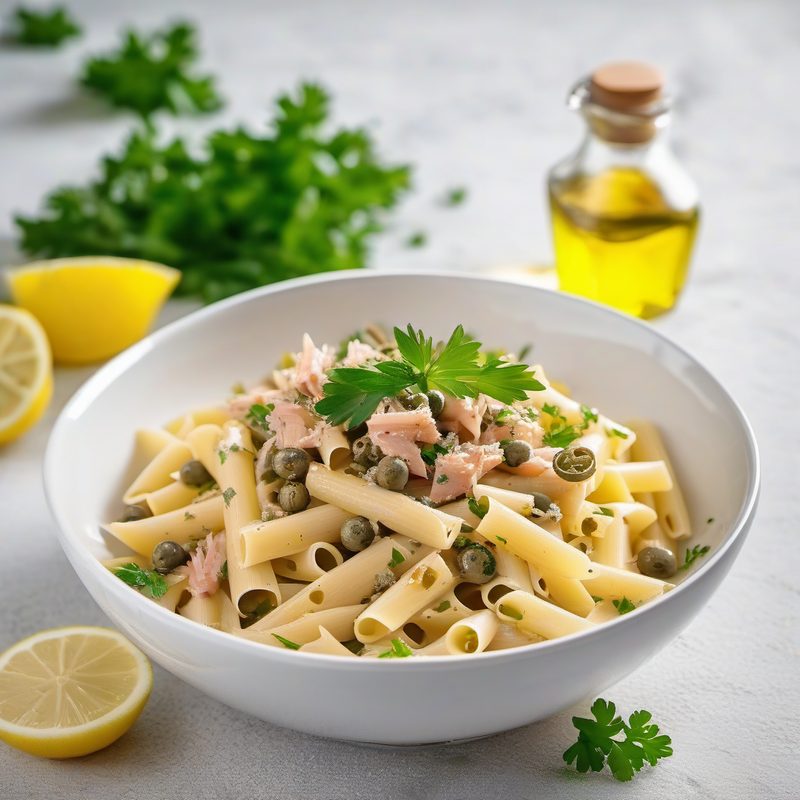
Photo reference: `vol1_111.png` — A wide, shallow ceramic bowl filled with penne rigate tossed with golden-seared swordfish cubes and bright green fava beans, all glistening in a silky, emulsified sauce of olive oil and starchy pasta water. The swordfish cubes are deeply golden on multiple sides with tender, moist interiors visible where they've been broken open. The fava beans are a vibrant, almost emerald green, scattered throughout the pasta. Fresh whole mint leaves are tucked around the edges of the bowl, and a glossy ribbon of bright green extra-virgin olive oil catches the warm, soft natural daylight. A lemon half (cut side down) rests on the side of the plate. Shot from a 45-degree overhead angle on a light wooden or marble table with a textured linen napkin and a glass of pale, straw-colored Vermentino in the background. Bright, airy, spring-like presentation—fresh, vibrant, coastal. A small dish of lemon zest and a sprig of fresh mint complete the scene on the side.
Recipe from "The Italian Kitchen" by Vita Milanese — Volume 1: Pasta Perfetto
Recipe from The Italian Kitchen by Vita Milanese — Volume 1 · Pasta Perfetto. Discover all volumes on the ebook page.