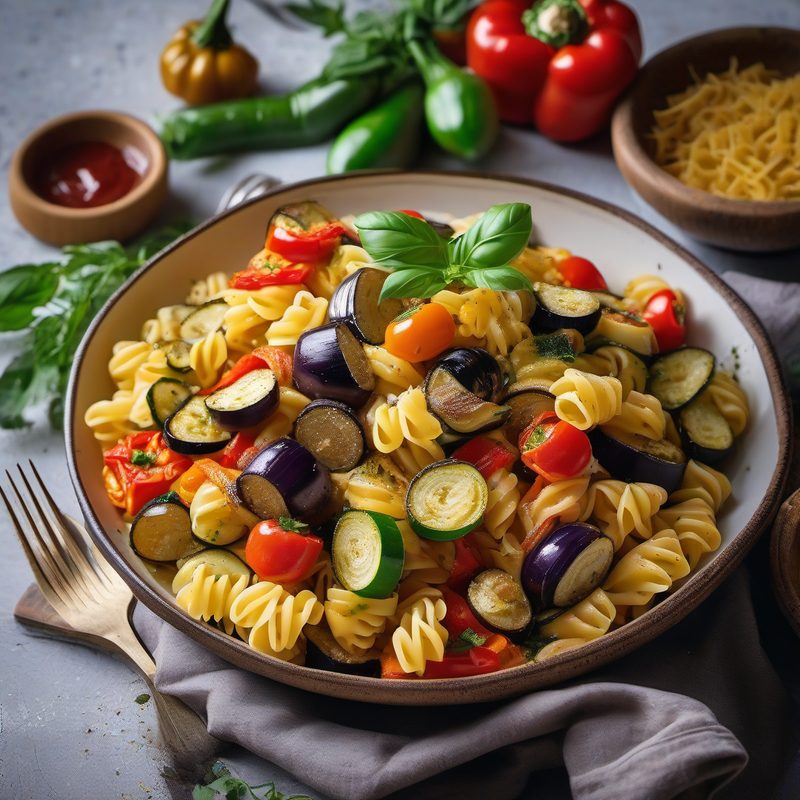
Spaghetti Cetarese
A bold, rustic pasta from the Amalfi Coast — briny anchovies melt into garlicky olive oil while crispy, golden breadcrumbs provide a textural crown on this classic cucina povera masterpiece.
| Amount | Ingredient |
|---|---|
| 12 oz (340 g) | Spaghetti |
| 10 fillets | Anchovy fillets in oil, preferably Cetara-style or high-quality Sicilian |
| 1 clove | Garlic, peeled and lightly smashed |
| 3 tbsp | Extra-virgin olive oil |
| 1/4 cup | Fresh parsley, finely chopped |
| to taste | Salt |
| to taste | Freshly ground black pepper |
> Cetara is a tiny fishing village on the Amalfi Coast famous for its anchovies. This dish — humble ingredients, big flavor — is the very definition of Italian "poor cooking" elevated to greatness.
> Note: Active time is about 20 minutes. The breadcrumbs can be made a day ahead.
For the Breadcrumbs
For the Pasta & Sauce
🥘 Equipment
- Baking sheet or toaster oven
- Small food processor or mortar and pestle
- Large skillet or sauté pan (12-inch)
- Large pot (6-qt) for pasta
- Spider or slotted spoon
- Ladle
- Colander
📋 Preparation
Step 1: Make the Breadcrumbs
Cut the stale bread into rough chunks. Toast in a 350°F (175°C) oven for 8–10 minutes, turning once, until dry, lightly golden, and crisp all the way through. Let cool slightly, then pulse in a food processor or crush with a mortar and pestle until you have coarse, irregular crumbs — about 1/2 cup. You want texture, not dust.
Why coarse? Fine breadcrumbs disappear into the pasta. Coarse crumbs stay crunchy and provide contrast against the silky, oil-coated spaghetti.
Step 2: Toast the Breadcrumbs
In a small skillet, heat 1 tbsp olive oil over medium heat. Add the breadcrumbs and cook, stirring constantly, until they turn deep golden brown — about 3–4 minutes. Transfer immediately to a small bowl to stop the cooking. Season with a pinch of salt and pepper. Set aside.
Step 3: Make the Anchovy Sauce
In a large skillet (one wide enough to hold the pasta later), heat 3 tbsp olive oil over medium-low heat. Add the smashed garlic clove and cook until fragrant and just beginning to sizzle — about 1 minute. Do not let it brown.
Add the anchovy fillets and reduce heat to low. Using a wooden spoon or spatula, stir and mash the anchovies into the oil. They will break apart and eventually "melt" into a homogeneous, deeply savory paste — this takes about 2–3 minutes. The oil should barely bubble; anchovies become bitter if overheated.
Remove and discard the garlic clove. Remove the skillet from heat and set aside.
Step 4: Cook the Pasta
Meanwhile, bring a large pot of generously salted water (about 1 tbsp salt per 4 quarts water) to a rolling boil. Add the spaghetti and cook until firmly al dente — about 1 minute less than the package directs.
Step 5: Assemble the Dish
Just before draining, reserve 1 cup of starchy pasta water.
Return the anchovy sauce skillet to medium heat. Using tongs or a spider, transfer the drained spaghetti directly into the skillet (some clinging water is fine — it helps form the emulsion).
Add 1/2 cup of reserved pasta water and toss vigorously. The oil, anchovy paste, and starchy water will emulsify into a silky, clingy sauce — about 1 minute of tossing. If the pasta looks dry, add more pasta water a splash at a time. Taste and adjust salt (anchovies are already quite salty).
Step 6: Serve
Divide among warm shallow bowls. Top each portion with a generous shower of toasted breadcrumbs and a sprinkle of fresh parsley. Finish with a few grinds of black pepper. Serve immediately — the breadcrumbs should still be crunchy.
🧑🍳 Chef's Tips
- Cetara-style anchovies matter: Anchovies packed in Cetara (or from the Amalfi Coast generally) are meatier, less salty, and more delicately flavored than standard tinned anchovies. If you can find them, they elevate the dish. If not, use the best oil-packed anchovies you can find — avoid salt-packed for this quick preparation.
- Bread is not filler: The toasted breadcrumbs originated as a thrifty way to stretch a meal, but they've become the defining feature of this dish. Don't skip them or skimp on the toasting.
- Stale bread is better: Day-old bread toasts up crunchier and more evenly than fresh bread. If you only have fresh bread, dry it in a 300°F oven for 15 minutes before toasting.
- Low and slow for anchovies: High heat makes anchovies turn harsh and fishy. Low heat lets them melt into the oil gracefully, building a mellow, umami-rich foundation.
- Pasta water is essential: The starch in the pasta water is what binds the oil and anchovy paste into a cohesive sauce. Use it generously.
❌ Common Mistakes
| Mistake | Why | Fix |
|---|---|---|
| Soggy breadcrumbs | They absorb moisture from the pasta and turn chewy | Toast thoroughly and add only at the very end, right before serving |
| Burned garlic | Bitter, acrid flavor ruins the sauce | Cook garlic over medium-low; remove it as soon as fragrant |
| Overheated anchovies | Fishy, harsh, unpleasant | Melt anchovies over low heat — the oil should barely bubble |
| Rinsing the pasta | Washes away starch — sauce won't cling | Drain, don't rinse; let the pasta water do its emulsifying work |
| Bland sauce | Not enough anchovy flavor | Don't be shy — mash those fillets thoroughly into the oil and use pasta water |
| Undersalted pasta water | Pasta is bland; seasoning never recovers | Salt the pasta water like the sea — about 1 tbsp per 4 quarts |
💡 Variations
- Add chili: Crush 1 dried peperoncino or 1/2 tsp red pepper flakes into the oil with the garlic for gentle heat.
- Lemon zest: Add the zest of 1/2 lemon with the parsley — brightness cuts through the richness.
- Extra crunch: Sauté 2 tbsp pine nuts alongside the breadcrumbs for nutty depth.
- Pasta swap: Use bucatini, linguine, or perciatelli instead of spaghetti — all work beautifully with this sauce.
- Herb variation: Swap parsley for fresh oregano or a mix of parsley and mint for a different aromatic profile.
- Caper addition: Add 1 tbsp rinsed capers to the anchovy sauce for extra briny punch.
❄️ Storage
This dish is best eaten immediately — the breadcrumbs will soften as it sits. If you have leftovers, store the pasta and breadcrumbs separately. Pasta keeps in an airtight container for up to 2 days. Reheat gently in a skillet with a splash of water or olive oil. Toast fresh breadcrumbs to serve.
🍷 Wine Pairing
| Wine | Why |
|---|---|
| Greco di Tufo | From Campania, with the minerality and structure to stand up to anchovies |
| Fiano di Avellino | Rich, honeyed, with enough weight to match the garlic and olive oil |
| Verdicchio dei Castelli di Jesi | Bright acidity and almond notes — a classic umami-friendly white |
| Etna Bianco | Volcanic minerality and herbal edge mirror the Amalfi Coast character |
🍺 Beer Pairing
| Beer | Why |
|---|---|
| Italian Pilsner | Crisp, dry, with a clean bitterness that cuts through the olive oil |
| Belgian Saison | Spicy, dry, with peppery notes that complement the garlic and anchovy |
| Czech Pale Lager | Malt-forward but clean — a gentle partner to the briny sauce |
🥗 Suggested Sides
- Simple arugula salad with lemon juice and shaved Parmigiano-Reggiano
- Grilled zucchini with oregano and olive oil
- Marinated white beans with rosemary and garlic
- Crusty bread — for sopping up any leftover anchovy oil in the pan
📊 Nutrition (per serving)
| Calories | Protein | Fat | Carbs | Fiber |
|---|---|---|---|---|
| 510 | 18 g | 18 g | 68 g | 3 g |
Note: Nutrition varies based on bread type and olive oil quantity.
❓ FAQ
Can I use fresh breadcrumbs instead of stale bread?
Fresh bread is fine — just toast it in the oven at 300°F for 10–15 minutes first to dry it out. Soggy breadcrumbs defeat the purpose of the dish.
I only have anchovy paste in a tube — will it work?
It will in a pinch, but the flavor is significantly less nuanced. Use 2 tsp of paste, and cook it gently just like the fillets. High-quality oil-packed fillets are much preferred.
What is "Cetara-style" anchovy?
Cetara is a fishing village on the Amalfi Coast that produces some of Italy's finest oil-packed anchovies (alici di Cetara). They are plumper, less salty, and more delicately flavored than standard anchovies. They're worth seeking out online if you can't find them locally.
Why do anchovies "melt" like that?
Anchovy fillets are cured in salt, which breaks down their protein structure. When gently heated in oil, they dissolve into a paste almost like butter. This is what makes them such a powerful building block for sauces — they disappear into the background while adding massive umami.
Can I make this gluten-free?
Yes — use a high-quality gluten-free spaghetti (rice and corn blend works best). Make gluten-free breadcrumbs from a sturdy gluten-free loaf (or use crushed rice crackers as a crunchy alternative).
The recipe seems simple — is it really that good?
This is the essence of Italian cooking: few ingredients, impeccable technique, maximum flavor. The contrast between the silky, briny spaghetti and the crunchy, toasty breadcrumbs is genuinely special.
🔗 Related Recipes
- Spaghetti con le Alici — Classic Anchovy Spaghetti
- Linguine with Anchovy, Chili & Breadcrumbs
- Spaghetti alla Puttanesca — Olives, Capers & Anchovy
- Bucatini with Sardines, Fennel & Breadcrumbs
- Pasta con le Sarde — Sicilian Sardine Pasta
🏷️ Search Tags
Recipe from The Italian Kitchen by Vita Milanese — Volume 1 · Pasta Perfetto. Discover all volumes on the ebook page.