Rice Salad Pesto Citrus
The classic Italian summer rice salad, reinvented with a brilliant twist—a vibrant, homemade basil pesto meets the bright, sunny pop of orange, lemon, and lime zest, all tangled through tender grains of al dente rice, sweet cherry tomatoes, and creamy cubes of fresh mozzarella.
| Amount | Ingredient |
|---|---|
| Add Roasted Vegetables | Toss diced zucchini, bell peppers, and red onion with olive oil, salt, and pepper, then roast at 425°F (220°C) for 20 to 25 minutes until tender and lightly charred. Cool completely before folding into the salad. The smoky, sweet roasted vegetables add a hearty, summery dimension that works beautifully with the pesto |
| Make it a Pasta Salad Instead | Substitute 1 lb (450 g) of short pasta (farfalle, fusilli, or penne) for the rice. Cook until al dente, rinse under cold water, drain well, and proceed with the same pesto and add-ins. The pasta version is a bit heartier and holds up even better at picnics and potlucks |
| Add Black Olives and Capers | Fold ½ cup (80 g) of pitted Kalamata olives (halved) and 2 tablespoons of capers (rinsed and drained) into the salad for a briny, salty counterpoint to the sweet tomatoes and creamy mozzarella. This variation leans toward the Sicilian side of things—bright, salty, and intensely savory |
| Spicy Version | Add ½ teaspoon of red pepper flakes to the pesto before blending, or fold 1 finely minced fresh red chili (seeds removed for less heat) into the finished salad. The gentle heat cuts through the creamy pesto and mozzarella and pairs beautifully with the bright citrus zest |
| Extra-Herby Pesto | Replace ¼ cup of the basil with fresh mint leaves, fresh parsley, or a combination of both. Mint adds a cool, refreshing note that is fantastic with the citrus and makes the salad taste even more summery; parsley adds a clean, grassy undertone. This is a great way to use up an abundance of summer herbs |
Rice salad is a staple of Italian summer—every nonna has her version, trotted out for beach picnics, al fresco lunches, and Ferragosto feasts. But all too often, American versions are a sad affair: bland, mushy, and drowning in bottled dressing. This is the antipode. It starts with a proper homemade pesto—fragrant basil, toasted pine nuts, sharp Parmigiano, and good olive oil blitzed into an emerald-green cream. That pesto coats every grain of perfectly cooked, chilled rice, while a tangle of fresh citrus zest (orange, lemon, lime) and a splash of orange juice cut through the richness with bright, clean acidity. Sweet halved cherry tomatoes offer little bursts of juice, and cubes of fresh mozzarella add creamy, milky pockets throughout. The whole thing rests in the fridge for at least 30 minutes, letting the flavors meld into something greater than the sum of its parts—a cold rice salad that's anything but boring. Hearty enough to be a main course on a hot summer evening, yet elegant enough to bring to a potluck or serve at a backyard barbecue.
For the Pesto
For the Salad
Use level tablespoons and standard US measuring cups. All produce is medium unless specified. For the best flavor, use the highest-quality extra-virgin olive oil you have—it makes up the backbone of the pesto.
🥘 Equipment
- Food processor or high-speed blender
- Large pot (5 qt / 5 L) for cooking rice
- Colander
- Large mixing bowl
- Chef's knife and cutting board
- Citrus zester or Microplane
- Citrus juicer or reamer
- Rubber spatula
- Measuring cups and spoons
- Fine-mesh strainer (if rinsing rice)
📋 Preparation
Step 1 — Make the Pesto (8 minutes)
Pick the basil leaves from their stems—discard the stems. You should have about 1½ cups (35 g) of loosely packed leaves.
Place the basil leaves, pine nuts, grated Parmigiano-Reggiano, and a small pinch of fine sea salt in the bowl of a food processor or high-speed blender. Pulse 5 to 6 times until the basil and pine nuts are coarsely chopped.
With the motor running, slowly drizzle in the extra-virgin olive oil through the feed tube in a steady stream. Process for 30 to 45 seconds, stopping to scrape down the sides with a rubber spatula once or twice, until the pesto is smooth and emulsified—a thick, vibrant green cream with tiny flecks of basil and pine nut throughout.
The key to a great pesto is not to over-process it. You want a creamy, spreadable texture with visible flecks of basil—not a baby-food smooth paste. Pulsing before adding the oil gives you better control over the final texture. Taste the pesto and adjust salt—it should be boldly savory, as the saltiness will be spread across the entire salad. The pine nuts can be lightly toasted in a dry skillet over medium heat for 2 to 3 minutes before using for a deeper, nuttier flavor, though this is optional.
Taste and adjust salt if needed. Transfer the pesto to a small bowl and set aside. If making ahead, press a layer of plastic wrap directly onto the surface of the pesto to prevent oxidation (the basil will darken otherwise).
Step 2 — Cook and Cool the Rice (20 minutes)
Bring a large pot of generously salted water (about 1½ tablespoons kosher salt per 4 quarts / 4 L of water) to a rolling boil over high heat—the water should taste pleasantly salty, like the sea.
Add the rice and stir once. Cook according to the package directions until al dente—tender but still firm to the bite, with no chalky white center. For most white rice varieties, this is about 10 to 12 minutes. Start tasting at the 8-minute mark.
Overcooked rice is the death of a good rice salad. Mushy grains collapse under the pesto and dressing, turning the salad into a starchy, gummy mess. You want the rice to be fully cooked but still resilient—each grain should hold its shape and offer a pleasant, subtle chew when bitten. Cooking the rice in well-salted water ensures it's seasoned all the way through, not just on the surface.
Immediately drain the rice in a colander and rinse under cold running water, stirring gently with your hands, until the rice is completely cool to the touch—about 30 to 45 seconds. This stops the cooking instantly and washes away excess surface starch that would make the salad gummy.
Shake the colander vigorously to remove as much water as possible. Spread the cooled rice on a large baking sheet or platter in a thin, even layer to allow any remaining moisture to evaporate and the grains to cool completely. Set aside while you prepare the remaining ingredients.
Rinsing the cooked rice under cold water and then spreading it out to dry are two non-negotiable steps for a great rice salad. The cold water stops the carryover cooking that would turn al dente rice mushy; the spreading-and-drying step allows excess surface moisture to evaporate so the pesto clings to the grains rather than sliding off on a film of water.
Step 3 — Prepare the Add-ins (10 minutes)
While the rice cools, prepare the citrus and vegetables.
Using a Microplane or citrus zester, finely grate the zest of 1 orange, zest of 1 lemon, and zest of 1 lime into a small bowl. Zest the citrus before juicing—it's much easier to zest a whole fruit than a floppy, juiced one. Take care to grate only the colored outer layer; the white pith underneath is bitter and should be avoided.
Juice the orange to get 2 tablespoons of fresh orange juice.
Halve the cherry tomatoes (or quarter them if they are large). Cut the fresh mozzarella into ½-inch (1.25 cm) cubes. If your mozzarella is very wet (common with supermarket fresh mozzarella packed in brine), pat the cubes dry with paper towels before adding to the salad—excess moisture will dilute the pesto and make the salad watery.
Step 4 — Assemble the Salad (5 minutes)
Transfer the cooled, dried rice to a large mixing bowl. Add the homemade pesto and stir with a rubber spatula or wooden spoon until every grain of rice is evenly coated in the bright green sauce. Take your time with this step—the pesto should be thoroughly integrated, with no white, uncoated grains remaining. The rice should look uniformly green and glossy.
Add the grated citrus zests (orange, lemon, lime), the fresh orange juice, the halved cherry tomatoes, and the cubed fresh mozzarella.
Season with ½ teaspoon of fine sea salt and ¼ teaspoon of freshly ground black pepper.
Fold everything together gently but thoroughly, using a light hand so you don't crush the tomatoes or break up the mozzarella cubes. Taste and adjust salt and pepper—the salad should be bright, savory, and well-seasoned.
Step 5 — Rest and Serve (30 minutes minimum, inactive)
Cover the bowl with plastic wrap and transfer to the refrigerator. Let the salad rest for at least 30 minutes—and up to 4 hours—to allow the flavors to meld and develop.
The resting time is not optional. As the salad chills, the pesto seeps into every grain of rice, the citrus zest releases its aromatic oils into the dressing, and the tomatoes and mozzarella infuse their juices throughout. A rice salad that hasn't rested tastes like separate components that happen to share a bowl; a rice salad that has rested tastes like a unified dish where every bite is bright, herbaceous, creamy, and refreshing.
Before serving, remove the salad from the refrigerator and give it a gentle stir. Taste again and adjust seasoning—chilling dulls salt perception, so a final pinch of salt may be needed. If the salad seems dry (the rice may have absorbed some of the pesto), drizzle in a teaspoon or two of extra-virgin olive oil and toss gently.
Serve cold or at cool room temperature. Spoon into a wide serving bowl or onto individual plates, and finish with a light grating of fresh Parmigiano-Reggiano and a few torn basil leaves for garnish.
This salad is at its peak after 30 minutes to 4 hours of chilling. After 6 to 8 hours, the tomatoes will start to release their juices and the salad will become slightly more watery—still delicious, but less visually pristine. For picnics or make-ahead entertaining, this is the perfect dish: it travels beautifully, only improves with rest, and never needs reheating.
🧑🍳 Chef's Tips
- Use the right rice. A medium-grain rice like Arborio or Carnaroli gives the best texture for cold rice salad—it has enough starch to hold onto the pesto without turning mushy. Long-grain white rice also works well and yields a slightly firmer, fluffier grain. Avoid short-grain sushi rice (too sticky) and parboiled/instant rice (too soft and flavorless). Rinse uncooked rice briefly in cold water before cooking to remove excess surface starch, which helps keep the grains separate.
- Don't skip the cold rinse after cooking. Rinsing the cooked rice under cold water stops the cooking immediately and washes away excess surface starch. This is what prevents the dreaded gummy, clumpy rice salad. Be thorough—stir the rice gently with your hands under the running water until every grain is cool to the touch.
- Dry the rice thoroughly before dressing. After rinsing, shake the colander well, then spread the rice on a baking sheet in a thin layer. Let it sit for 5 to 10 minutes, stirring once, until the grains look matte rather than wet. Any water clinging to the rice will dilute the pesto, making it slide off the grains instead of coating them.
- Use the best olive oil you can afford. Pesto is not a cooked sauce—it's a raw emulsion of basil, oil, and cheese. The olive oil is the backbone of its flavor. A grassy, fruity, medium-intensity extra-virgin olive oil (not an ultra-peppery finishing oil) gives the pesto a balanced, versatile flavor that works beautifully with the citrus. Avoid cheap olive oils labeled "light" or "pure"—they lack the flavor to carry a pesto.
- Zest the citrus very finely. Use a Microplane, not a box grater. Large strips of zest will be unpleasantly chewy and bitter in the salad; a fine, almost dusty zest disperses evenly and releases its essential oils into the pesto and rice, providing bright citrus aroma without textural distraction.
- Let the pesto come to room temperature before tossing. Cold pesto straight from the refrigerator stiffens and won't coat the rice evenly. If you made the pesto ahead, let it sit at room temperature for 15 to 20 minutes, or warm the bowl briefly in your hands while stirring. A room-temperature pesto glides over the rice like velvet.
- Season the salad generously. Cold food needs more salt than hot food—chilling dulls our perception of saltiness. Taste the salad before chilling, then taste again after resting and add a final pinch of salt as needed. The pesto should be boldly savory, the citrus bright, and the overall impression should make you want another forkful immediately.
❌ Common Mistakes
| Mistake | Why It Hurts | The Fix |
|---|---|---|
| Overcooking the rice until mushy | Mushy rice collapses under the weight of the pesto and add-ins, turning the salad into a starchy, gummy, porridge-like mess with no textural contrast | Cook the rice until al dente (tender but firm to the bite); start tasting at the 8-minute mark and drain immediately at the first sign of tenderness; rinse under cold water to stop carryover cooking |
| Not rinsing the cooked rice | Surface starch from the cooked rice makes the grains stick together in clumps instead of remaining separate and fluffy, and the pesto clumps rather than coating evenly | Drain the cooked rice in a colander and rinse under cold running water, stirring gently with your hands, until the water runs clear and the rice is completely cool |
| Adding the pesto to warm or wet rice | Warm rice soaks up the pesto unevenly and turns gummy; wet rice causes the pesto to slide off the grains entirely, pooling at the bottom of the bowl | Cool the cooked rice completely (spread on a baking sheet, let sit 5-10 minutes), and ensure it's dry to the touch before adding any pesto |
💡 Variations
| Variation | How To |
|---|---|
| Add Grilled Chicken or Shrimp | Make it a full meal: top each serving with 4 to 6 oz (115 to 170 g) of grilled chicken breast (sliced) or grilled shrimp. Season the protein simply with salt, pepper, and a squeeze of lemon—the bright, herbal pesto rice is flavorful enough to carry the dish without a competing marinade |
| Go Vegan (Pesto Without Cheese) | Omit the Parmigiano-Reggiano from the pesto and add an extra tablespoon of pine nuts and a pinch of salt to compensate for the lost savoriness. Replace the fresh mozzarella with cubed avocado (added just before serving) or marinated white beans. The pesto will be slightly less creamy but still vibrant and delicious |
| Add Arugula or Baby Spinach | Fold 2 cups (60 g) of fresh arugula or baby spinach leaves into the finished salad just before serving. The peppery arugula adds a fresh, spicy kick that contrasts beautifully with the creamy pesto and sweet tomatoes, while the spinach adds a mild, earthy green note. The residual dressing lightly wilts the greens without making them soggy |
❄️ Storage & Leftovers
| Method | Details |
|---|---|
| Refrigerator | Store in an airtight container for up to 3 days. The rice will firm up as it chills and may seem dry; this is normal. Before serving leftovers, let the salad sit at room temperature for 15 to 20 minutes, then stir in a tablespoon of extra-virgin olive oil or a squeeze of fresh lemon juice to revive the texture and brightness |
| Freezer | Not recommended. Frozen and thawed rice becomes mushy and unpleasantly soft, and the fresh pesto will separate into an oily, watery mess. The mozzarella will also become rubbery upon thawing. Make this salad fresh; it's quick enough to whip up any time |
| Reviving Leftovers | If the salad has been sitting for more than a day, the pesto may have darkened (this is natural oxidation—harmless and still delicious) and the rice may have absorbed more dressing. Stir in a splash of fresh olive oil, a squeeze of lemon or orange juice, and a tiny pinch of salt. Taste and adjust—the revived salad is often even more flavorful than the original |
🍷 Wine Pairing
| Wine | Why |
|---|---|
| Vermentino di Sardegna (Sardinia) | A bright, crisp white with lively citrus, green apple, white flowers, and a distinctive saline-mineral finish. The bracing acidity cuts through the creamy pesto and mozzarella like a knife, while the citrus notes echo the orange, lemon, and lime zest in the salad. The saline finish is a surprisingly brilliant match for the basil and Parmigiano—clean, refreshing, and utterly summer-appropriate |
| Gavi di Gavi (Piedmont) | A crisp, mineral-driven white from the Cortese grape—green apple, pear, citrus zest, and crushed stone. The high acidity and subtle floral character provide a perfect palate-cleansing counterpoint to the rich, oily pesto, while the almond-like finish harmonizes with the nutty Parmigiano and pine nuts. A classic summer white that lets the bright, herbaceous salad shine |
| Soave Classico (Veneto) | Made from the Garganega grape, Soave offers notes of white peach, bitter almond, lemon zest, and a distinctive saline finish. The bright acidity and subtle bitterness cut through the richness of the pesto and mozzarella, while the almond note echoes the pine nuts. An elegant, understated pairing that works perfectly with the cold salad format |
| Sauvignon Blanc (Friuli or New Zealand) | A zesty, aromatic white with pronounced notes of lime, grapefruit, passion fruit, and fresh-cut grass. The grassy, herbaceous character is a natural partner for the basil-forward pesto, while the intense citrus matches the layered citrus zest in the salad. A Kiwi Sauvignon Blanc's signature punchy acidity stands up beautifully to the olive oil and cheese |
| Pinot Grigio (Trentino-Alto Adige) | A crisp, lean, mineral-driven Pinot Grigio from the alpine region of northern Italy—green apple, white peach, lemon zest, and a wet-stone minerality. The clean, precise profile won't compete with the pesto and citrus; instead it provides a crisp, palate-cleansing backdrop. Avoid the bland, industrially produced Pinot Grigios from the Veneto plain—look for one from Trentino or Friuli for real character |
🥗 Suggested Side Dishes
- Grilled vegetables with balsamic glaze — A platter of grilled zucchini, bell peppers, eggplant, and asparagus, drizzled with aged balsamic vinegar. The smoky char of the grill adds depth that complements the bright, herbal rice salad beautifully
- Prosciutto-wrapped melon or figs — Classic Italian summer pairing: thin slices of salty prosciutto wrapped around sweet cantaloupe or fresh figs. The salty-sweet contrast is irresistible alongside the creamy, pesto-coated rice
- Simple arugula and shaved Parmigiano salad — Peppery arugula tossed with a lemon vinaigrette (3 parts olive oil, 1 part lemon juice, salt, pepper) and topped with wide shavings of Parmigiano-Reggiano. The bright, peppery greens cleanse the palate between bites of the rich, pesto-laced rice
- Focaccia or grissini — Warm, olive-oil-slicked focaccia or long, crunchy breadsticks for sopping up any leftover pesto dressing at the bottom of the bowl. Rosemary focaccia is particularly excellent here—the herbal notes echo the basil in the pesto
- Marinated white beans or chickpeas — Cannellini beans or chickpeas tossed with olive oil, lemon juice, fresh parsley, and a pinch of red pepper flakes. The creamy, tangy beans add protein and texture alongside the rice salad, making for a more substantial summer meal
- Chilled gazpacho shot — A small glass of chilled Andalusian gazpacho (cold tomato and vegetable soup) served alongside as a bright, refreshing starter. The cool, tangy tomato soup echoes the cherry tomatoes in the salad and sets the stage for the pesto-citrus flavors to come
📊 Nutrition (per serving, estimated)
| Calories | Protein | Fat | Carbs | Fiber |
|---|---|---|---|---|
| ~620 | 18 g | 32 g | 65 g | 3 g |
Nutritional values are estimates based on 4 servings with 2 cups Arborio rice, 35 g fresh basil, 100 g extra-virgin olive oil, 30 g Parmigiano-Reggiano, 15 g pine nuts, 200 g cherry tomatoes, 150 g fresh mozzarella, and citrus zest. Actual values will vary based on the specific rice variety, the fat content of your mozzarella, the exact amount of olive oil absorbed by the pesto, and portion sizes. This is a substantial, satisfying main-course salad; if serving as a side dish, it will comfortably serve 6 to 8 people (approximately 310 to 415 calories per side-dish serving). Arborio/Carnaroli rice has a lower glycemic index than standard long-grain white rice due to its higher amylopectin content. To reduce calories, use part-skim mozzarella and reduce the olive oil in the pesto to 6 tablespoons (75 g)—approximately 545 calories and 25 g fat per serving. To increase protein, add grilled chicken or shrimp (see Variations).
❓ Frequently Asked Questions
What is rice salad (insalata di riso), and how is it different from a pasta salad or grain bowl?
Insalata di riso is a classic Italian cold rice dish—cooked rice that is cooled completely, then dressed with a sauce (pesto, vinaigrette, or mayonnaise-based dressing) and tossed with vegetables, cheese, herbs, and sometimes protein. Unlike American pasta salad, which typically uses a vinegar-and-oil dressing or mayonnaise, Italian rice salad leans on bold, fresh sauces like pesto. Unlike trendy grain bowls, which often use chewy farro, quinoa, or barley, this salad uses tender but resilient white rice that offers a softer, more delicate texture—the grains act as a neutral canvas for the bright, punchy pesto and citrus. It is served cold or at room temperature, never hot, and is a staple of Italian summer picnics, beach days, and Ferragosto celebrations.
Can I use a different variety of rice?
Absolutely. Arborio or Carnaroli (risotto rices) give a creamy, tender texture that clings beautifully to the pesto. Long-grain white rice (such as Jasmine or American long-grain) gives a firmer, fluffier, more separate grain. Brown rice works but requires a longer cooking time (35 to 45 minutes) and yields a chewier, nuttier salad that needs a bit more dressing. Avoid short-grain sushi rice—it is too sticky and will clump—and parboiled/instant rice, which is too soft and flavorless. Wild rice is not recommended; its assertive, earthy flavor competes with the pesto rather than complementing it.
How do I prevent the pesto from turning brown?
Basil oxidizes quickly when exposed to air, turning from bright emerald green to a dull, unappealing olive brown. Three strategies help: (1) Press a layer of plastic wrap directly onto the surface of any leftover pesto before refrigerating—this blocks the air that causes oxidation. (2) If making the pesto more than a few hours ahead, add a tablespoon of fresh lemon juice or a few ice cubes to the pesto as you blend; the acidity and cold temperature slow oxidation. (3) Make the pesto as close to serving time as possible—it's so quick (8 minutes) that there's little reason to make it days ahead. Note that even slightly oxidized pesto is still perfectly delicious and safe to eat; it just won't look as vibrant.
My rice turned out gummy and clumpy. What went wrong?
Three possible culprits: (1) You cooked the rice too long—mushy rice releases excess starch that makes the grains stick together. Cook until just al dente and drain immediately. (2) You didn't rinse the cooked rice under cold water—rinsing washes away the surface starch that causes clumping. (3) You didn't dry the rice before adding the pesto—wet rice invites the pesto to slide off and pool at the bottom of the bowl. Fix: cook less, rinse thoroughly, and spread the rice on a baking sheet to dry for 5 minutes before dressing.
Can I make this salad a day ahead for a party?
Yes, with one adjustment. Assemble the salad completely (including pesto, citrus zest, tomatoes, and seasoning) up to 24 hours ahead, but do not add the fresh mozzarella until 1 hour before serving. The fully assembled salad improves as it rests—the flavors meld beautifully overnight. However, the mozzarella will weep moisture if left in the salad for more than a few hours, thinning the pesto and making the rice watery. Add the cubed mozzarella, give the salad a gentle stir, and let it come to cool room temperature before serving.
Can I double this recipe for a crowd?
Yes, easily. This recipe doubles or triples perfectly. Use a larger pot for the rice (you may need to cook it in two batches if your pot is not large enough). The pesto doubles effortlessly in a standard food processor. Use the largest mixing bowl you have—or divide the salad between two bowls for easier tossing. Note that with a doubled batch, the resting time in the fridge may need to be slightly longer (45 minutes to 1 hour) to ensure even chilling throughout.
The pesto tastes too oily/too garlicky/not garlicky enough. Can I adjust it?
Absolutely. This recipe intentionally omits garlic from the traditional pesto—it muddies the bright citrus flavor of this particular salad. If you want garlic, add 1 small clove (finely minced or crushed) to the food processor with the basil. For a less oily pesto, reduce the olive oil to 6 tablespoons (75 g) and add 1 to 2 tablespoons of cold water or an ice cube while blending—the water emulsifies with the oil to create a lighter, creamier texture. For a more intense basil flavor, add an extra ¼ cup of basil leaves. For a nuttier flavor, toast the pine nuts in a dry skillet over medium heat for 2 to 3 minutes before blending.
What can I substitute for the mozzarella?
Fresh mozzarella is the classic choice for its mild, milky creaminess. If you can't find it (or don't eat dairy), try: (1) Burrata—even creamier and more luxurious, torn into pieces rather than cubed; add just before serving. (2) Smoked mozzarella (affumicata)—adds a lovely smoky depth that pairs surprisingly well with the citrus and basil. (3) Feta cheese—briny, crumbly, and tangy; a completely different direction but delicious, especially in the Kalamata olive variation. (4) Marinated firm tofu—for a dairy-free version, press, cube, and marinate firm tofu in olive oil, lemon juice, salt, and herbs for 30 minutes before adding. (5) For a lighter version, simply omit the mozzarella entirely and add an extra ½ cup of cherry tomatoes and ¼ cup of pine nuts.
🔗 Related Recipes
- Pasta with Pesto, Green Beans, and Potatoes (Pasta al pesto con fagiolini e patate) (page 84)
- Farro Salad with Pesto and Cherry Tomatoes (Insalata di farro al pesto) (page 92)
- Penne with Pistachio Pesto (Penne al pesto di pistacchi) (page 88)
- Trofie al Pesto (Trofie al pesto) (page 15)
- Summer Panzanella with Basil Vinaigrette (Panzanella estiva) (page 95)
- Pasta Salad with Lemon, Basil, and Mozzarella (Insalata di pasta al limone) (page 97)
- Grilled Vegetable and Ricotta Salata Salad (Insalata di verdure grigliate con ricotta salata) (page 101)
- Focaccia with Rosemary and Sea Salt (Focaccia al rosmarino) (page 112)
🏷️ Search Tags
📸 Photo Reference
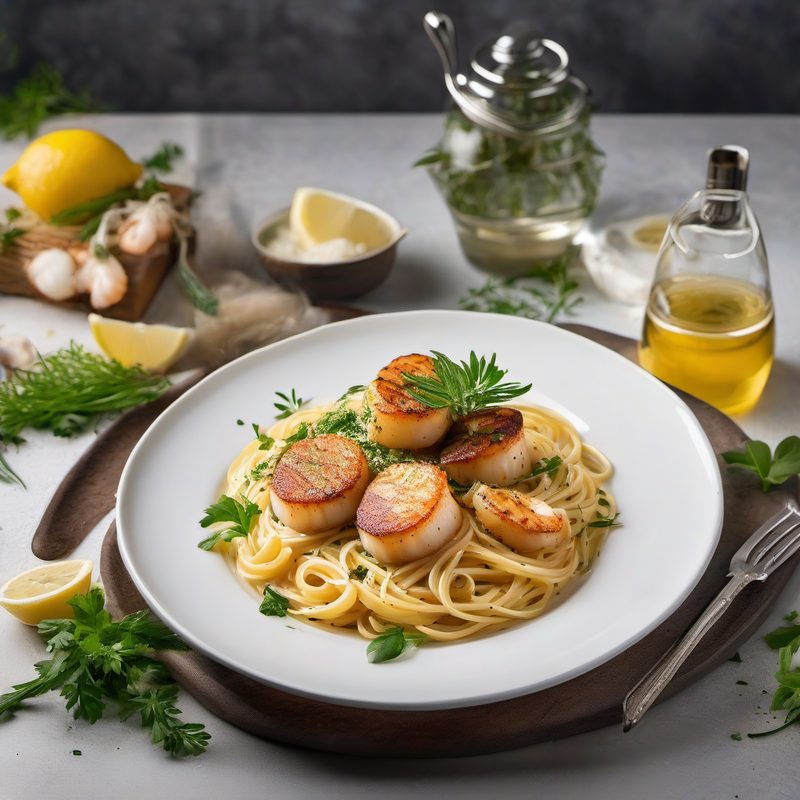
Photo reference: `vol1_133.png` — A wide, slightly elevated overhead shot of a generous scoop of bright green pesto rice salad served in a wide, shallow rustic ceramic bowl (warm cream or pale terracotta color). The rice is evenly coated in emerald-green pesto, with visible flecks of basil and pine nut throughout. Scattered across the surface: halved cherry tomatoes in shades of bright red and deep crimson, small white cubes of fresh mozzarella, and fine specks of orange, lemon, and lime zest catching the light. The rice grains are distinct and separate—each one glistening with the pesto dressing, with no clumping or gumminess visible. A few whole basil leaves are tucked between the grains as a garnish, bright green against the pesto-coated rice. A small bowl of extra pesto sits to the side, and a linen napkin and wooden fork rest beside the main bowl. On the table: a scattering of a few pine nuts, half a lemon, and a sprig of basil. Bright, airy natural daylight from upper left, casting soft shadows. The lighting is warm and summery, with a slightly desaturated, natural tone that emphasizes the fresh, vibrant green of the pesto against the red of the tomatoes and white of the mozzarella. Shallow depth of field keeps the foreground scoop of salad in sharp focus while the background softens into a gentle, creamy blur. The mood is fresh, inviting, and effortlessly elegant—the kind of salad you want to eat on a warm summer afternoon, preferably outdoors. A single ice-cold glass of Vermentino or Sauvignon Blanc is visible in the background corner, condensation beading on the glass, reinforcing the refreshing, summery appeal.
Recipe from "The Italian Kitchen" by Vita Milanese — Volume 1: Pasta Perfetto
Recipe from The Italian Kitchen by Vita Milanese — Volume 1 · Pasta Perfetto. Discover all volumes on the ebook page.