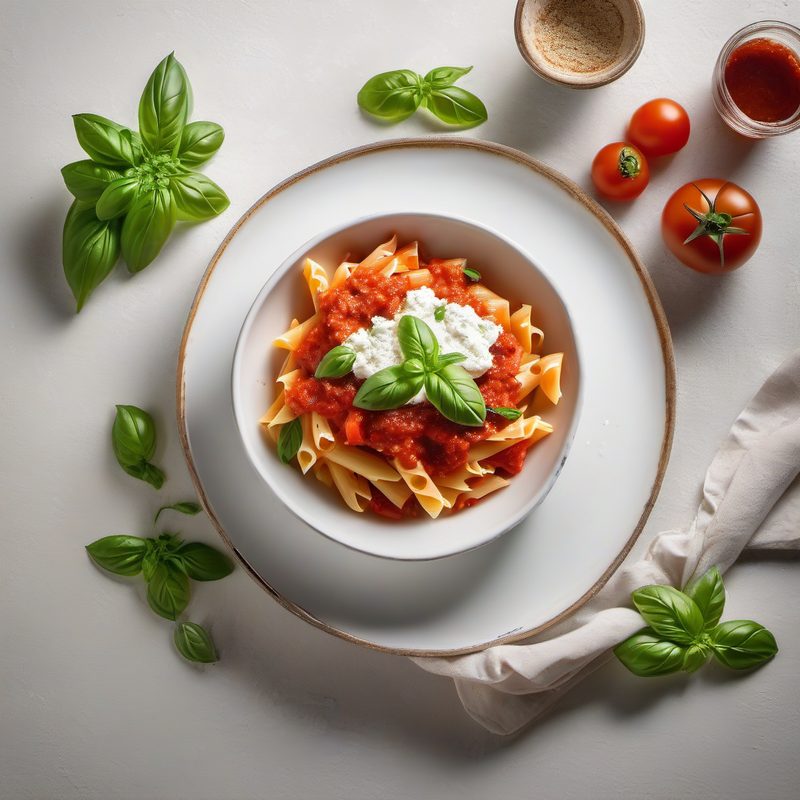
Pasta Cutlefish
A rustic Southern Italian weeknight gem — tender cuttlefish and sweet cherry tomatoes cling to every ridge of paccheri in a silky, briny sauce that tastes like the Amalfi coast in a bowl.
| Amount | Ingredient |
|---|---|
| 1 lb | Dried paccheri (or large ziti, rigatoni, or mezze maniche) |
| 1¼ lb | Cuttlefish or squid, cleaned — bodies cut into ½-inch-wide strips, tentacles halved if large |
| 10 oz (about 2 cups) | Cherry or grape tomatoes, halved |
| 3 Tbsp | Extra-virgin olive oil, divided |
| 4 | Garlic cloves, 2 smashed left whole, 2 minced |
| ½ cup | Dry white wine (Pinot Grigio or Sauvignon Blanc) |
| ¼ cup | Fresh flat-leaf parsley, finely chopped |
| ½ tsp | Red pepper flakes (optional, for heat) |
| Kosher salt | — |
| Black pepper | — |
🥘 Equipment
- Large pot (6-qt) for pasta
- Large skillet or Dutch oven (12-inch / 5-qt)
- Colander
- Chef's knife and cutting board
- Wooden spoon or spatula
- Liquid measuring cup
- Ladle for pasta water
📋 Preparation
- Bring a large pot of water to a rolling boil. Add 2 tablespoons kosher salt (the water should taste like the sea). Drop the paccheri and cook, stirring occasionally, until very al dente — 2 minutes less than the package directs. Reserve 1½ cups pasta cooking water, then drain.
- Meanwhile, heat 2 tablespoons olive oil in a large skillet or Dutch oven over medium-high heat. Add the 2 smashed garlic cloves and cook, stirring, until fragrant and light golden, about 30 seconds. Add the cuttlefish strips and red pepper flakes (if using). Cook, stirring occasionally, until the cuttlefish releases its liquid and the liquid mostly evaporates, 4 to 5 minutes.
- Pour in the white wine and let it sizzle. Cook, scraping up any browned bits from the bottom of the pan, until the wine is reduced by about half, 2 to 3 minutes.
- Add the halved cherry tomatoes, the minced garlic, and ¼ teaspoon salt. Reduce heat to medium and cook, stirring occasionally, until the tomatoes soften and break down into a chunky sauce, 10 to 12 minutes. If the pan looks dry at any point, add a splash of pasta water.
- Transfer the drained pasta directly into the skillet. Add the remaining 1 tablespoon olive oil, the chopped parsley, and ½ cup reserved pasta water. Toss and stir vigorously over medium heat for 1 to 2 minutes — the starch in the pasta water will bind with the oil to create a glossy, emulsified sauce that clings to every tube. Add more pasta water a tablespoon at a time if needed to keep things loose and saucy.
- Taste and adjust seasoning with salt and black pepper. Divide among warm bowls and serve immediately.
🧑🍳 Chef's Tips
- Cuttlefish vs. Squid: Cuttlefish meat is thicker, sweeter, and more tender than squid when cooked properly; they are interchangeable here. If using squid, reduce the initial cook time by 1 minute to avoid toughness.
- Pasta water is liquid gold: Don't skip saving it. The starch is what makes the sauce creamy without any cream. Reserve more than you think you need — you can always leave some behind.
- Don't overcook the seafood: Cuttlefish can go from tender to rubbery if overdone. The build-in-the-pan method here is designed for perfect texture, but watch the clock.
- Paccheri substitutes: This sauce also loves big, sturdy shapes that catch chunks — calamarata (fittingly named), rigatoni, ziti, or even lumache. Avoid delicate shapes like spaghetti or angel hair.
- Salt the pasta water generously: Pasta water is your only chance to season the pasta from within. It should taste like seawater.
❌ Common Mistakes
| Mistake | Why | Fix |
|---|---|---|
| Overcooking cuttlefish | Cuttlefish turns tough and rubbery when cooked too long | Follow the timing — cuttlefish needs just 5-6 minutes total from pan to plate |
| Skipping the pasta water | Without starchy water, the olive oil and tomato juices won't emulsify into a cohesive sauce | Always save at least 1 cup of pasta water before draining |
| Rinsing the cooked pasta | Rinsing washes away surface starch, making it impossible for the sauce to cling | Never rinse pasta — drain and transfer directly to the sauce |
| Using a nonstick pan | Nonstick prevents fond (browned bits) from forming, robbing the dish of flavor | Use stainless steel, cast iron, or enameled Dutch oven |
| Cooking tomatoes at too-high heat | High heat can scorch the tomatoes before they break down properly | Keep heat at medium after adding tomatoes — low and slow renders sweetness |
💡 Variations
- Spicy Calabrian Version: Add 2 tablespoons chopped Calabrian chili paste (or oil-packed chilies) along with the tomatoes for a fiery, fruity kick.
- Alla Pescatora (Fisherman's Style): Add ½ pound cleaned mussels and clams in step 4 along with the tomatoes. Cover the pan for 3-4 minutes to let them open; discard any that stay shut.
- Fresh Tomato Peak-Season: Substitute 1½ pounds ripe Roma or San Marzano tomatoes, roughly chopped, for the cherry tomatoes. Increase cook time by 5 minutes to allow excess liquid to reduce.
- Herb Infusion: Add 2 fresh bay leaves and a 3-inch strip of lemon zest to the pan when cooking the cuttlefish; remove before serving.
- Breadcrumb Topping: For textural contrast, toast ½ cup coarse breadcrumbs in a skillet with 2 tablespoons olive oil and a pinch of salt until golden; sprinkle over each serving.
❄️ Storage
- Refrigerate: Store in an airtight container for up to 2 days. The cuttlefish will continue to soften in the sauce.
- Reheat: Warm gently in a skillet over medium-low heat with a splash of water or white wine to loosen. Avoid the microwave — it toughens the cuttlefish.
- Freeze: Not recommended — cuttlefish texture degrades significantly after freezing and thawing.
🍷 Wine Pairing
| Wine | Why |
|---|---|
| Verdicchio dei Castelli di Jesi | Lean, saline, with almond notes — a classic Marche pairing that mirrors the brininess of cuttlefish |
| Greco di Tufo | Mineral-driven white with enough body to stand up to the tomato and olive oil |
| Etna Bianco | Smoky, volcanic minerality with bright acidity — cuts through the olive oil and complements the seafood |
| Vermentino di Sardegna | Lightly herbal and citrusy; its bright acidity lifts the tomatoes and parsley |
| Sparkling Franciacorta Brut | Unconventional but spectacular — the bubbles and high acidity are a brilliant palate cleanser between bites |
🥗 Suggested Sides
- Simple Arugula Salad: Baby arugula tossed with lemon juice, extra-virgin olive oil, shaved Parmigiano-Reggiano, and flaky salt.
- Grilled Zucchini: Halved baby zucchini, brushed with olive oil, charred on a grill pan, finished with mint and red pepper flakes.
- Fennel & Orange Salad: Thinly shaved fennel bulb, segment of orange, black olives, and a lemon-MEVO dressing — bright, crunchy, refreshing.
- Crostini with Ricotta: Toasted rustic bread spread with fresh whole-milk ricotta, a drizzle of honey, and cracked black pepper.
📊 Nutrition (per serving)
| Calories | Protein | Fat | Carbs | Fiber |
|---|---|---|---|---|
| 520 | 32 g | 14 g | 65 g | 4 g |
Note: Nutrition is an estimate; actual values depend on specific brands, cuttlefish size, and oil absorbed.
❓ FAQ
Can I use frozen cuttlefish or squid?
Absolutely. Thaw overnight in the refrigerator, pat very dry with paper towels, and proceed as directed. Frozen seafood often releases more water in the pan — simply cook an extra minute or two until the liquid evaporates.
What's the difference between cuttlefish and squid?
Cuttlefish (seppie) is thicker, meatier, and slightly sweeter than squid (calamari). Its flesh is more tender when cooked properly. Squid works perfectly here; just reduce the initial sauté time by a minute. Both have tentacles — keep them in (they're delicious).
My sauce tastes flat. What went wrong?
Two likely culprits: (1) not enough salt in the pasta water — the pasta itself must be seasoned from within; (2) you skimped on the pasta water — the starchy liquid is the backbone of the emulsion. Also ensure your wine is dry and not too oaky.
Can I make this without wine?
Yes. Substitute the wine with an equal amount of seafood or vegetable stock plus 1 tablespoon of fresh lemon juice added at the end. The acidity is needed to balance the richness.
Why paccheri specifically?
Paccheri are large, ridged tubes that trap bits of cuttlefish and tomato in every bite. Their wide opening and sturdy walls hold up to the chunky sauce. If you can't find them, use another substantial tubular pasta.
🔗 Related Recipes
- Pasta allo Scoglio (Seafood Medley Pasta) — Vol. 1, Recipe 141
- Spaghetti alle Vongole (Linguine with Clams) — Vol. 1, Recipe 118
- Busiate alla Trapanese (Pasta with Sicilian Pesto) — Vol. 1, Recipe 105
- Calamari Ripieni (Stuffed Squid) — Vol. 1, Recipe 89
🏷️ Search Tags
Recipe from The Italian Kitchen by Vita Milanese — Volume 1 · Pasta Perfetto. Discover all volumes on the ebook page.