Rice Peas Venetian
The Venetian rice-and-peas that's richer and creamier than a soup but looser than a risotto—this humble stovetop dish delivers extraordinary comfort from just pantry staples, and it comes together in under 30 minutes with barely any stirring.
| Amount | Ingredient |
|---|---|
| 1½ cups (320 g) | Vialone Nano rice (see Chef's Tips for substitutes) |
| 2 cups (300 g) | Fresh or frozen peas (thawed if frozen) |
| 1 | Medium yellow onion, finely diced (about ¾ cup) |
| 4 oz (115 g) | Pancetta, diced into ¼-inch pieces |
| 2 cups (480 ml) | Vegetable broth, plus up to ½ cup more if needed |
| 2 tbsp (30 g) | Unsalted butter |
| ½ cup (50 g) | Parmigiano-Reggiano, finely grated |
| ¼ cup (60 ml) | Dry white wine (Pinot Grigio or Soave) |
| 1 tbsp | Extra-virgin olive oil |
| to taste | Salt |
| to taste | Freshly ground black pepper |
> In Venice, risi e bisi isn't risotto and it isn't soup—it occupies its own category, una minestra quasi risotto ("a soup that's almost risotto"), and Venetians guard it fiercely as a spring tradition. The dish dates back to the Serenissima Republic, when the Doge himself would be served the season's first peas in this preparation. What makes it special is the deliberate looseness: the rice swims in a creamy, pea-flecked broth that coats every grain without the labor-intensive mantecatura of classic risotto. Pancetta adds a subtle smokiness that plays against the sweet peas, while a finishing hit of butter and Parmigiano brings it all together into something far greater than the sum of its parts. It's the weeknight proof that Italian cooking doesn't need to be fussy to be transcendent.
> Active time is about 25 minutes. The key difference from risotto: you're aiming for a creamy, spoonable consistency—closer to a thick porridge than a stiff mound. Have your broth hot and ready before you begin.
Use level tablespoons and standard US measuring cups. All produce is medium unless specified.
🥘 Equipment
- Large pot or Dutch oven (5-qt or larger)
- Medium saucepan for heating broth
- Chef's knife
- Cutting board
- Wooden spoon or silicone spatula
- Ladle
- Microplane or fine grater for the cheese
📋 Preparation
Step 1 — Prep the Aromatics and Broth (5 minutes)
Finely dice the onion and pancetta into ¼-inch pieces—pancetta should be small enough to render quickly but large enough to contribute little salty pockets throughout the dish.
In a medium saucepan, warm the vegetable broth over medium heat until steaming, then reduce to the lowest simmer. Cover and keep hot.
Step 2 — Sauté the Pancetta and Onion (5 minutes)
In a large pot or Dutch oven, heat the olive oil over medium heat. Add the diced pancetta and cook, stirring occasionally, until it renders its fat and begins to crisp—about 3 minutes. The pancetta should be golden at the edges but not brittle.
Add the diced onion and cook, stirring frequently, until softened and translucent—about 2 minutes. Do not let the onion brown; you want sweetness, not caramelization.
Pancetta renders more fat than bacon and doesn't smoke at the same temperature. If using bacon as a substitute, drain all but 1 tablespoon of the rendered fat before adding the onion—bacon fat can overwhelm the delicate peas.
Step 3 — Toast the Rice (2 minutes)
Add the Vialone Nano rice to the pot and stir to coat every grain in the pan's fat. Cook, stirring constantly, until the grains turn translucent at the edges and release a nutty aroma—about 2 minutes. The rice should look glossy and hot but not browned.
Step 4 — Deglaze with Wine (1 minute)
Pour in the white wine and stir continuously. The liquid will bubble and steam vigorously—keep stirring until the wine is almost fully absorbed, about 30 to 45 seconds. The sizzling should subside, and you'll smell the alcohol cook off.
Step 5 — Cook the Rice with Broth (12 to 14 minutes)
Begin adding the warm broth, one generous ladleful (about ½ cup / 120 ml) at a time. Stir gently but steadily after each addition, and add the next ladle when the liquid is mostly absorbed but the rice is still visibly swimming in moisture. Unlike risotto, you want to keep the mixture slightly wetter throughout.
The rhythm here is looser than risotto—you're not building a stiff cream but a flowing, spoonable porridge. Stir every 30 seconds or so, but there's no need for the constant, obsessive stirring that risotto demands.
Step 6 — Add the Peas (at the 8-minute mark)
After 8 minutes of broth additions, when the rice has visibly swelled but still has a firm white core, stir in the peas. Continue adding broth, one ladle at a time, for another 4 to 6 minutes.
The rice is done when it's tender but still offers a gentle resistance at the center (al dente), and the mixture has a creamy, flowing consistency—looser than risotto, about the texture of a thick oatmeal. You may not use all the broth; if the rice is tender and the consistency is right, stop adding liquid.
Total cooking time from the first broth addition: 12 to 14 minutes.
Step 7 — Finish with Butter and Parmigiano (2 minutes)
Remove the pot from the heat. Add the butter and grated Parmigiano-Reggiano. Stir vigorously in a figure-8 motion until the butter and cheese are fully melted and emulsified—about 1 minute. The mixture should take on a glossy, satiny sheen.
The final texture should be loose enough to pool slightly on a plate—like a creamy porridge. If it looks too thick, stir in a splash of hot water or broth. If it looks too thin, let it rest uncovered for 30 seconds; the rice will continue absorbing moisture.
Step 8 — Rest and Serve (2 minutes)
Cover the pot and let the risi e bisi rest for 2 minutes (no longer, or it will thicken too much). Taste and adjust salt and pepper—pancetta and Parmigiano both contribute salt, so add cautiously.
Serve immediately in warm shallow bowls. The dish should flow slowly across the bowl like a wave. Garnish with a final grating of Parmigiano and a generous crack of black pepper.
🧑🍳 Chef's Tips
- Vialone Nano is non-negotiable for authenticity: This short-grain rice from the Veneto region is the traditional choice for risi e bisi—it absorbs liquid faster than Carnaroli and releases more starch, creating the signature creamy-but-loose texture. Carnaroli works as a second choice (your result will be slightly thicker and take 2 to 3 minutes longer). Arborio is acceptable but will produce a denser, more risotto-like result—add an extra ¼ cup (60 ml) broth to keep it loose.
- Fresh peas are ideal; frozen are perfectly fine: Fresh spring peas (in their pods) are the Venetian ideal—sweet and tender. But high-quality frozen peas (like Cascadian Farm or Trader Joe's) are often sweeter than out-of-season fresh peas because they're flash-frozen at peak ripeness. Thaw frozen peas before adding, and reduce initial cooking time by 2 minutes since frozen peas are already blanched.
- The consistency is the whole point: If your risi e bisi looks like a stiff risotto mound, it's too thick. It should spread slowly on the plate—about the texture of a loose oatmeal or creamed corn. Keep an extra ½ cup of hot water or broth on standby to adjust the final consistency.
- Pancetta vs. guanciale vs. bacon: Pancetta (unsmoked, cured pork belly) is the standard here—it adds savory depth without overwhelming the peas. Guanciale (cured pork jowl) adds a richer, more intensely porky flavor and is a worthy upgrade if you can find it. American bacon works in a pinch but its smokiness can dominate; blanch it in boiling water for 2 minutes first to reduce the smoky flavor, then pat dry and crisp as directed.
- Grate fresh Parmigiano: Pre-grated cheese contains anti-caking agents (cellulose, potato starch) that prevent smooth melting. Grate a wedge of Parmigiano-Reggiano fresh for the most silky, emulsified finish.
- Use a wide pot: A wider cooking surface allows broth to evaporate at the right rate. A narrow, deep pot traps too much moisture and can result in soggy, blown-out grains. A Dutch oven or wide sauté pan is ideal.
- Warm your bowls: This dish cools fast. Warm your serving bowls in a 200°F (90°C) oven or fill them with hot tap water while the dish rests, then empty and dry before serving.
❌ Common Mistakes
| Mistake | Why It Hurts | The Fix |
|---|---|---|
| Stiff, risotto-like texture | Adding too little broth or cooking until all liquid is absorbed; risi e bisi is intentionally loose | Add an extra ¼ cup (60 ml) of hot broth or water at the end to reach a porridge-like consistency |
| Mushy, blown-out grains | Cooking the rice too aggressively on high heat; grains burst before the center is tender | Keep the heat at a gentle simmer throughout the broth-addition phase, never a rolling boil |
| Bland, flat flavor | Underseasoning or skipping the pancetta's rendered fat as the flavor base | Season the broth lightly, use the pancetta fat for sautéing, and don't skimp on the finishing Parmigiano |
| Soggy, olive-drab peas | Adding peas too early or cooking too long after adding them | Add peas at the 8-minute mark (not earlier) and stop cooking within 6 minutes of their addition |
| Grainy, clumpy cheese finish | Adding cold, pre-shredded cheese to the hot pot; anti-caking agents prevent emulsification | Always grate fresh Parmigiano and let it sit at room temperature for 10 minutes before adding |
| Rice is chalky and undercooked | Rushing the broth additions and not giving the rice enough total cooking time | Respect the 12 to 14 minute minimum from first broth addition; taste a grain before finishing |
| Greasy, separated finish | Too much pancetta fat left in the pot before adding broth; the fat pools on top instead of emulsifying | If the rendered fat exceeds 2 tablespoons, spoon off the excess before adding the onion |
| Pancetta overwhelms the peas | Using smoked bacon instead of pancetta, or adding too much pancetta | Stick with 4 oz (115 g) of unsmoked pancetta; if using bacon, blanch it first to reduce smoke |
💡 Variations
| Variation | How To |
|---|---|
| Risi e Bisi with Prosciutto | Replace pancetta with 4 oz (115 g) prosciutto di Parma, roughly torn or diced. Add it in the last 5 minutes of cooking (not at the start—prosciutto is too delicate for long rendering). The result is more elegant, less porky |
| Spring Vegetable Risi e Bisi | Add ½ cup (75 g) diced zucchini and ½ cup (75 g) diced asparagus (tender parts only) alongside the peas at the 8-minute mark. The extra vegetables make it a one-pot spring meal |
| Herb-Infused Version | Add 2 sprigs of fresh thyme and 1 bay leaf to the broth as it heats. Remove before adding the rice. Stir in 2 tbsp each fresh chopped parsley and chives during the final butter-and-cheese step for a bright, herbal finish |
| Lemon-Pepper Risi e Bisi | Add the zest of 1 lemon to the pot with the onion, and stir in 1 tbsp fresh lemon juice during the final butter-and-cheese step. Finish with an extra-heavy crack of black pepper. The acidity cuts through the richness beautifully |
| Risi e Bisi with Shrimp | Add 8 oz (225 g) small peeled shrimp (raw) alongside the peas at the 8-minute mark. They'll cook through in the final 4-6 minutes. The shrimp juices mingle with the broth for an even more luxurious result |
| Creamy Mushroom and Pea Risi e Bisi | Sauté 8 oz (225 g) sliced cremini mushrooms in 1 tbsp butter until golden (about 5 minutes) before adding the onion. Remove mushrooms, set aside, and return to the pot when you add the peas. Earthy and deeply savory |
| Vegan Risi e Bisi | Omit pancetta and butter. Use 2 tbsp olive oil for sautéing. Replace pancetta with 4 oz (115 g) finely diced smoked tofu or tempeh, crisped in the oil. Use ¼ cup nutritional yeast in place of Parmigiano, and stir in 1 tbsp white miso paste dissolved in 2 tbsp warm broth for umami depth. The texture will be slightly less creamy but still excellent |
| Risi e Bisi with Saffron | Add a generous pinch of saffron threads (steeped in 2 tbsp warm broth for 5 minutes) at the halfway point alongside the peas. Saffron and peas are a natural pairing—the golden color against bright green peas is stunning |
❄️ Storage & Leftovers
| Method | Details |
|---|---|
| Refrigerator | Spread leftover risi e bisi on a baking sheet to cool quickly (stops carryover cooking), then transfer to an airtight container. Keeps for up to 2 days. Because this is intentionally looser than risotto, it reheats better—the texture stays closer to the original |
| Freezer | Freeze in a zip-top freezer bag for up to 1 month. The texture will soften upon thawing—add a splash of broth or water when reheating to restore the loose consistency. Not ideal but acceptable for convenience |
| Reheating | Better than leftover risotto: transfer to a skillet, add 2 to 3 tbsp water or broth, and reheat gently over medium-low heat, stirring occasionally, until hot throughout (about 4 minutes). Add a final pat of butter and a sprinkle of Parmigiano to refresh the creaminess. Alternatively, microwave in 30-second bursts, stirring between each, with a damp paper towel over the bowl |
| Rice Cakes | If the leftover mixture thickens overnight (it will), shape spoonfuls into small patties and pan-fry in olive oil until golden and crisp on both sides—about 3 minutes per side. Serve as an antipasto or snack with a dollop of crème fraîche or lemon aioli |
🍷 Wine Pairing
| Wine | Why |
|---|---|
| Pinot Grigio (Veneto, Italy) | The go-to Venetian white—crisp, clean, with green apple and pear notes that mirror the sweetness of the peas without competing. The acidity cuts through the butter and cheese beautifully |
| Soave Classico (Veneto, Italy) | Made from Garganega grapes, Soave offers almond, citrus, and a subtle floral character that complements the pancetta's savory depth. A classic pairing for risi e bisi in Venice itself |
| Gavi di Gavi (Piedmont, Italy) | More structured than Pinot Grigio, with a stony minerality that stands up to the pancetta and Parmigiano. The slightly fuller body matches the dish's creamy texture |
| Franciacorta Brut (Lombardy, Italy, sparkling) | Bubbles and high acidity refresh the palate between creamy, cheesy spoonfuls. The toasty, bready notes from the traditional-method sparkling echo the nutty rice |
| Prosecco Superiore di Valdobbiadene (Veneto, Italy, sparkling) | The most Venetian choice—local, celebratory, and naturally low-alcohol (about 11%). Its green apple, pear, and white flower notes make every spoonful feel like the first |
🍺 Beer Pairing
| Beer | Why |
|---|---|
| Italian Pilsner (e.g., Menabrea, Birrificio Italiano) | Crisp, dry, with a gentle herbal hop bitterness that cuts through the buttery rice without overwhelming the delicate peas |
| Belgian Saison | Fruity, peppery, slightly tart—the yeast character lifts the creaminess of the dish while the moderate carbonation scrubs the palate clean |
| Kölsch | Delicate and clean with a subtle fruity note. Light enough to respect the peas, structured enough to stand up to the pancetta and cheese |
🥗 Suggested Sides
- Arugula salad with shaved Parmigiano and lemon vinaigrette — peppery leaves and sharp cheese contrast the creamy, sweet rice
- Grilled radicchio di Treviso — halved, brushed with olive oil, and grilled until charred at the edges, then drizzled with balsamic glaze. The bitterness is a classic Venetian counterpoint to risi e bisi
- Crusty ciabatta or sourdough — for sopping up every last creamy, pea-studded spoonful
- Sautéed spinach with garlic — quickly wilted in olive oil with a pinch of red pepper flakes; simple, earthy, and fast
- Prosciutto e melone — paper-thin slices of prosciutto di Parma with sweet cantaloupe. A classic Venetian primo-secondo pairing: salty-sweet ham followed by creamy pea-studded rice
📊 Nutrition (per serving)
| Calories | Protein | Fat | Carbs | Fiber |
|---|---|---|---|---|
| 525 | 16 g | 22 g | 64 g | 5 g |
Approximate values. Actual nutrition depends on specific brands, rice variety, and cheese quantity.
❓ FAQ
What is risi e bisi, and how is it different from risotto?
Risi e bisi (Venetian dialect for "rice and peas") is a traditional Venetian dish that sits halfway between risotto and soup—Italians call it minestra quasi risotto ("a soup that's almost risotto"). Unlike risotto, it's intentionally loose and spoonable, requires less frequent stirring, uses more liquid relative to rice, and comes together faster. The texture should flow like a thick porridge, not mound like a stiff risotto. Authentic Venetian versions use Vialone Nano rice, which absorbs broth more quickly than the Carnaroli or Arborio used in classic risotto.
Can I use frozen peas?
Absolutely, and many Venetian home cooks do. High-quality frozen peas (flash-frozen at peak ripeness) are often sweeter than fresh peas that have traveled for days. Thaw frozen peas completely and pat them dry before adding at the 8-minute mark. Because they're already blanched, they'll need slightly less cooking time—aim for 4 to 5 minutes after adding rather than the full 6. If using fresh peas in the pod, you'll need about 1½ lbs (680 g) unshelled to yield 2 cups (300 g) shelled peas.
Do I really need Vialone Nano rice?
For the authentic Venetian texture, yes. Vialone Nano is a shorter, plumper grain than Carnaroli and Arborio, and it absorbs liquid differently—it releases starch more readily and cooks about 2 to 3 minutes faster, producing the signature creamy-but-loose consistency. Without it, the dish still tastes delicious but leans closer to a standard risotto with peas. If you can't find Vialone Nano (look at Italian specialty stores, Eataly, or Amazon), Carnaroli is the next best option; just increase the broth by ¼ cup (60 ml) and cook 2 to 3 minutes longer.
Can I make this vegetarian or vegan?
Yes. For vegetarian, simply omit the pancetta and start by sautéing the onion in 2 tablespoons of butter or olive oil. For extra savory depth, add ¼ cup finely diced carrot and ¼ cup finely diced celery along with the onion. For vegan, omit the pancetta and butter, use olive oil for sautéing, replace Parmigiano with ¼ cup nutritional yeast stirred in at the end, and dissolve 1 tablespoon white miso paste in 2 tablespoons warm broth before adding it for umami richness. The vegan version won't have quite the same silky mouthfeel but will still be deeply satisfying.
Why is my risi e bisi always too thick?
This is the most common mistake—home cooks instinctively cook until "most of the liquid is absorbed" because that's what risotto teaches us. For risi e bisi, you should stop cooking while the mixture still looks borderline soupy. It will continue to absorb liquid during the 2-minute rest and even more in the bowl. A good visual cue: when you drag your spoon through the pot, the liquid should flow back to fill the gap within 2 seconds. If it doesn't, stir in another ¼ cup (60 ml) hot broth before finishing.
What if I don't drink alcohol—can I skip the wine?
Yes. The wine adds a subtle acidity that balances the richness, but you can substitute ¼ cup (60 ml) additional broth plus 1 tablespoon fresh lemon juice. Add the broth at the same point as the wine, let it absorb, then stir in the lemon juice during the final butter-and-cheese step. The lemon provides the same bright, palate-cleansing effect.
Can I prep risi e bisi ahead for a dinner party?
Partially. You can prep all the ingredients (dice the onion and pancetta, grate the cheese, measure the rice, portion the peas, warm the broth) hours ahead. However, the actual cooking should happen just before serving—like all rice dishes, risi e bisi waits for no one. The good news: the active cooking time is only about 20 minutes, and the dish is forgiving enough that you can cook it while guests are sipping their first glass of Prosecco.
Is this dish served as a primo or a main course?
In Venice, risi e bisi is traditionally served as a primo (first course), followed by a fish or meat secondo. But it's hearty enough to serve as a light main course for 4 (especially with a salad and bread alongside). If serving as a starter, the same amount will stretch to 6 smaller portions.
🔗 Related Recipes
- Creamy Asparagus Risotto — Risotto agli Asparagi
- Risotto alla Milanese — Saffron Risotto
- Risotto with Wild Mushrooms and Thyme
- Risotto Primavera — Spring Vegetable Risotto
- Risotto al Salto — Crispy Pan-Fried Risotto Cakes
- Pasta e Piselli — Pasta with Peas in Broth
🏷️ Search Tags
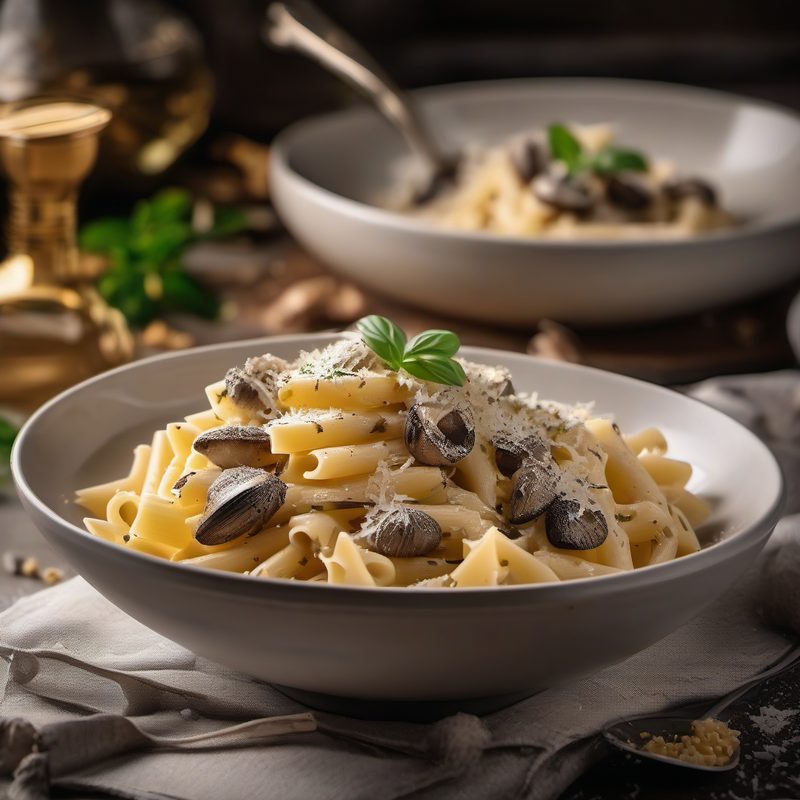
Photo reference: `vol1_147.png` — A warm shallow bowl of creamy risi e bisi, the rice swimming in a loose, pea-studded pool with a glossy, buttery sheen. A final grating of Parmigiano-Reggiano and a crack of black pepper garnish the surface. Shot from above, natural window light, steam rising from the bowl, a linen napkin and wooden spoon on the side.
Recipe from "The Italian Kitchen" by Vita Milanese — Volume 1: Pasta Perfetto
Recipe from The Italian Kitchen by Vita Milanese — Volume 1 · Pasta Perfetto. Discover all volumes on the ebook page.