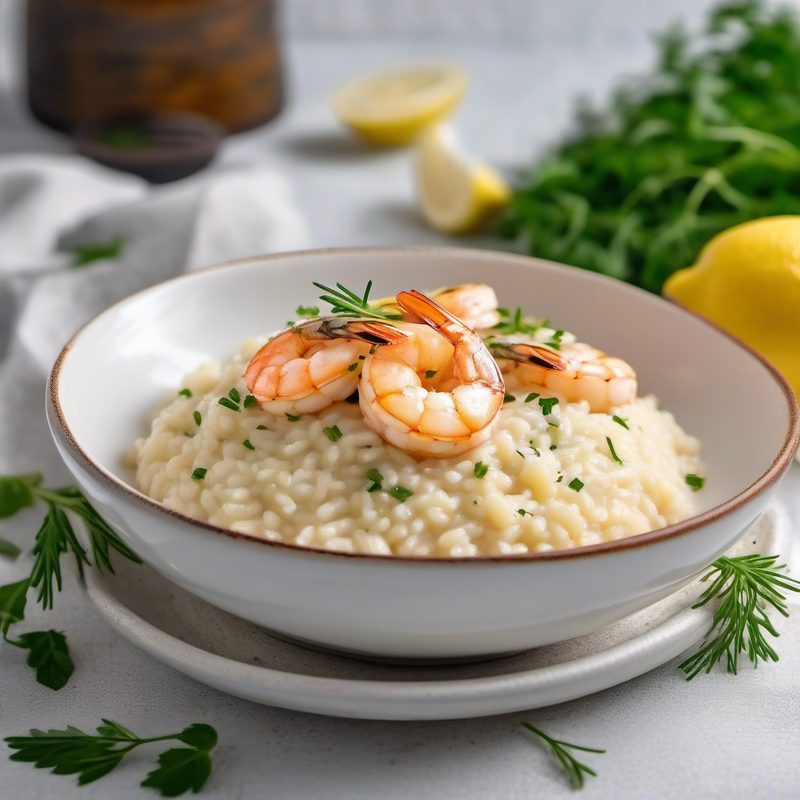
Spicy Korean Rice
| Amount | Ingredient |
|---|---|
| Calories | ~420 kcal |
| Protein | 7 g |
| Fat | 12 g |
| Saturated Fat | 4 g |
| Carbohydrates | 70 g |
| Fiber | 2 g |
| Sugar | 3 g |
| Sodium | 680 mg |
Riso Piccante Coreano
![MEDIA:/workspace/03_cookbook/volume1/vol1_145.png]
Volume: 1 — Pasta Perfetto
Servings: 4
Active Time: 25 minutes
Total Time: 40 minutes
Difficulty: Easy
Why This Recipe Works
Korean bokkeumbap (fried rice) is the ultimate weeknight transformation — leftover rice gets a second life, crisped in a hot pan and blasted with the fermented fire of gochujang. But this version deserves a place at the center of the table, not just as a clean-out-the-fridge afterthought. We wanted every grain glossy with chile paste, every bite punctuated by nutty sesame and sharp garlic, with a delicate crunch on the bottom that speaks of a properly hot pan.
The keys: sushi rice — its short, plump grains have just the right starch content to fry up distinct and chewy without turning mushy; gochujang — the Korean fermented chile paste brings deep, funky heat that no Western chile sauce can replicate; and a butter finish — a small pat stirred through at the end tames the fire, adds richness, and helps the rice develop that coveted golden crust (nurungji) on the bottom of the pan. The scallions go on raw, not in the pan, to keep their sharp bite as a fresh counterpoint.
- Rice: Use sushi rice (short-grain Japanese/Korean rice). It has the right starch-to-moisture ratio for frying — each grain stays distinct. Do not use long-grain jasmine or basmati; they fry up too dry and gritty. Day-old rice (refrigerated, uncovered, for 24 hours) is ideal — cold, dry grains sear without steaming. If using freshly cooked rice, spread it on a baking sheet and refrigerate uncovered for 30 minutes before frying.
- Gochujang: This Korean fermented chile paste is the soul of the dish. Look for it in the Asian section of well-stocked supermarkets, Korean grocery stores, or online. It comes in plastic tubs; the red-label version by Bibigo or Chung Jung One are widely available and reliable. Do not substitute sriracha, sambal oelek, or harissa — they lack the fermented depth and miso-like backbone. Gochujang keeps for months in the refrigerator.
- Sesame oil: Use toasted (dark) sesame oil, not the cold-pressed light variety. A single tablespoon delivers concentrated, nutty aroma.
- Toasted sesame seeds: Buy them already toasted, or toast raw seeds in a dry skillet over medium heat, shaking constantly, until fragrant and lightly golden, about 2 minutes. They burn quickly — pull them off the heat the second you smell them.
Before You Begin
- The rice should be cooked, washed, and fully cooled — ideally day-old. Do not skip the cooling step; hot rice steams instead of frying.
- Make the sauce before you start cooking: mix gochujang, sesame oil, soy sauce, sugar, and minced garlic in a small bowl. This cannot be done efficiently mid-fry.
- Have all ingredients measured and beside the stove — this dish comes together in minutes.
- Work in a well-ventilated kitchen; gochujang fumes can be pungent when they hit a hot pan.
Instructions
1. Cook the Rice (if not already cooked)
Rinse the sushi rice in a fine-mesh strainer under cold running water, swishing with your hand, until the water runs clear — about 1 minute. Drain well.
Combine the rice with 2½ cups (600 ml) cold water in a medium saucepan with a tight-fitting lid. Bring to a boil over high heat, then reduce heat to low, cover, and cook for 15 minutes. Remove from heat (do not lift the lid) and let steam for 10 minutes. Fluff with a fork.
Spread the rice on a rimmed baking sheet in a thin, even layer. Refrigerate uncovered for at least 30 minutes (or overnight) until fully cooled and slightly dry to the touch.
2. Prepare the Sauce and Scallions
While the rice cools, in a small bowl whisk together the gochujang, toasted sesame oil, soy sauce, sugar, and minced garlic until smooth. Set aside.
Slice the scallions thinly on the bias, separating the white and green parts. Reserve the green parts for garnish.
3. Fry the Rice
Heat a large non-stick skillet or well-seasoned wok over high heat until a drop of water sizzles and evaporates instantly. Add the neutral oil and swirl to coat.
Add the cooled rice in an even layer — it should cover the bottom of the pan without overcrowding. Cook without stirring for 2 minutes, pressing the rice gently with a spatula, to develop a golden crust on the underside.
Toss the rice and continue cooking, stirring occasionally, for another 2 minutes, breaking up any clumps. The grains should look separate and slightly glistening.
4. Add the Sauce and Butter
Reduce heat to medium-high. Push the rice to one side of the pan and add the gochujang sauce to the cleared space. Let it sizzle for 15 seconds to caramelize slightly, then stir it into the rice until every grain is evenly coated.
Add the butter and the sliced white parts of the scallions. Toss and stir for 1–2 minutes until the butter is melted and the rice is glossy, fragrant, and sizzling. Taste and adjust with a splash of soy sauce if needed.
5. Finish and Serve
Transfer to a serving bowl or individual bowls. Top with the reserved green scallion slices and a generous sprinkle of toasted sesame seeds. Serve immediately.
A fried egg (sunny-side up) on top is not traditional but is very, very good — the runny yolk mixing into the spicy rice is a revelatory combination.
Chef's Tips
- The perfect rice texture: Day-old rice is the single biggest upgrade. Freshly made rice has too much surface moisture — it steams rather than fries, turning sticky. Spread it thin on a sheet pan and refrigerate uncovered; the cold air dries the grains.
- Gochujang heat level: Gochujang varies in spiciness by brand. Start with 1½ tbsp if you're heat-sensitive; you can always stir in more at the table. A teaspoon of honey or a splash of rice vinegar in the sauce can balance the heat.
- Crust (nurungji): The golden crust that forms on the bottom of the pan is a delicacy in Korean cooking. To maximize it, press the rice down firmly in step 3 and don't stir for the full 2 minutes. After serving the rice, scrape up the crispy bits — they're delicious.
- Leftover sauce: The gochujang sauce keeps refrigerated for up to 1 week. Use it on vegetables, noodles, or as a marinade for tofu or chicken.
Common Mistakes
| Mistake | Why It Happens | Fix |
|---|---|---|
| Mushy, sticky rice | Rice was too warm or too wet when it hit the pan | Use day-old rice, or freshly cooked rice spread on a sheet pan and refrigerated 30 min |
| Bland flavor | Not enough gochujang, or sauce was added too late | Let the sauce sizzle alone for 15 seconds before stirring in; taste before serving |
| Burnt garlic | Garlic in the pan too early | Garlic goes into the sauce, not directly into the oil — it cooks gently via the sauce |
| Greasy rice | Too much oil or butter | Stick to the measures; the butter adds richness at the end, not frying fat |
| No crust on bottom | Stirring too often in the first 2 minutes | Leave the rice undisturbed — the crust needs contact time with the hot pan |
Variations
- Kimchi Bokkeumbap: Add ½ cup (85 g) chopped fermented kimchi (with a splash of its juice) after the sauce step. Cook 1 minute longer to reduce the liquid.
- Spicy Tuna Rice: Flake 1 can (5 oz / 140 g) oil-packed tuna into the rice with the sauce. Omit the butter — the tuna's own oil provides richness.
- Gochujang Rice Bowl: Serve the fried rice in a bowl topped with a fried egg, julienned cucumber, a handful of fresh cilantro, and a drizzle of sesame oil and rice vinegar.
- Vegan Version: Replace butter with 1 tbsp toasted sesame oil (added at the end) or 1 tbsp coconut oil. Skip the egg option. Add ½ cup (75 g) frozen edamame or diced firm tofu with the sauce for protein.
- Extra-Vegetable Rice: Add 1 cup (150 g) mixed julienned vegetables (carrot, zucchini, bell pepper) after the crust-forming stage — cook 2 minutes before adding the sauce.
Wine & Drink Pairing
| Drink | Why |
|---|---|
| Hite or Cass (Korean lager) | Crisp, light, ice-cold — the palate-cleansing carbonation is the classic Korean pairing |
| Riesling Kabinett (Germany) | Off-dry, high-acidity white that tames the gochujang heat without getting flattened |
| Makgeolli (Korean rice wine) | Milky, lightly fizzy, slightly sweet — traditional Korean accompaniment for spicy rice dishes |
| Soju (Korean distilled spirit, chilled, neat) | Clean, neutral, high-proof palate cleanser. Pour into a shot glass; sip, don't shoot |
| IPA (American or Korean) | Hoppy bitterness stands up to the fermented chile; choose one under 7% ABV to avoid overpowering |
The dish's medium heat pairs best with cold, crisp drinks. Avoid heavy red wines and oaked whites.
Nutrition (per serving)
Approximate values. Actual nutrition depends on specific brands and ingredient substitutions.
FAQ
Q: I can't find gochujang. Can I make this without it?
A: Gochujang is not optional — it is the defining ingredient. You can make a different dish (a garlic-soy fried rice with gochugaru/Korean chile flakes) but it will not taste like Spicy Korean Rice. If you have access to a Korean grocery or Amazon, order a tub — it will last months in the fridge and you will find many uses for it.
Q: Can I use leftover plain white rice from a Chinese takeout order?
A: Yes — that is actually perfect. Takeout rice is often a day old and has the ideal moisture level. Break up any clumps before adding it to the pan.
Q: How spicy is this?
A: Medium — a warm, building heat from the gochujang, not a throat-burning blast. It is comfortably spicy for most people. For less heat, use 1½ tbsp gochujang and add 1 tsp honey to the sauce. For more heat, add ½ tsp gochugaru (Korean red pepper flakes) or a drizzle of chile oil at the end.
Q: Can I make this in a wok instead of a non-stick skillet?
A: Absolutely — a well-seasoned carbon steel wok over high heat will produce better crust (nurungji) than any non-stick pan. The key is the same: let the rice sit undisturbed to develop the crust before tossing.
Q: What if I don't eat gluten?
A: Use tamari or coconut aminos in place of soy sauce. Gochujang traditionally contains wheat (as a fermentation base), so look for a gluten-free brand — Mother in Law's makes a gluten-free gochujang, and some Korean brands offer wheat-free versions.
Search Tags
`korean` `rice` `gochujang` `spicy` `bokkeumbap` `fried rice` `korean rice` `nurungji` `sesame` `scallion` `easy` `30-minute meal` `weeknight dinner` `vegetarian` `pasta perfetto`
Recipe from The Italian Kitchen by Vita Milanese — Volume 1 · Pasta Perfetto. Discover all volumes on the ebook page.