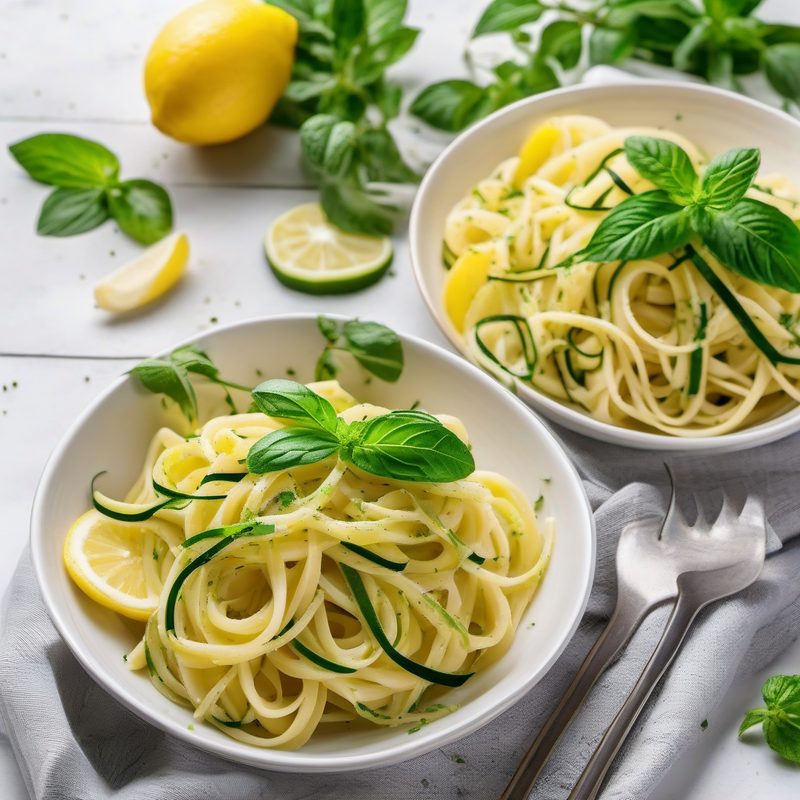
Piconi Marchigiani
Little hand-formed pasta pockets from the Marche region—no machine, no filling, just egg dough folded around air—tossed in nutty browned butter with salty Pecorino and warm grated nutmeg. A 3-minute cook time, a 30-minute dough rest, and one of the most satisfying pasta shapes you've never made.
| Amount | Ingredient |
|---|---|
| 1 tsp | Kosher salt (plus more for pasta water) |
| ½ tsp | Black pepper, freshly ground |
| ½ tsp | Freshly grated nutmeg |
| 4 tbsp | Unsalted butter |
| ½ cup (50 g) | Pecorino Romano, finely grated (for finishing) |
| ¼ tsp | Freshly grated nutmeg (for finishing) |
| Additional Pecorino | For serving at the table |
These aren't your typical stuffed pasta. Piconi ("big points" in the local dialect) are the ultimate expression of the Marche region's peasant pasta tradition: nothing more than a rectangle of fresh egg dough folded in half and pinched shut, creating a tiny air pocket that puffs up during cooking and traps melted butter in every bite. No filling to prepare, no special equipment needed—just your hands, a rolling pin, and a sharp knife.
The dough itself is a model of Italian restraint: flour, eggs, olive oil, and a shower of grated Pecorino mixed right into the flour before you add the eggs. The cheese isn't a filling—it's part of the pasta itself, lending a savory, salty depth to every strand-adjacent pocket. After a 30-minute rest (non-negotiable—gluten needs time to relax so the dough rolls thin without snapping back), you roll it paper-thin, cut 1x2-inch rectangles, fold each over, and press the edges to seal. Three minutes in boiling water, and they bob to the surface like little golden pillows.
The finishing touch is what makes this dish sing: a hot pan of butter sizzled until it turns the color of hazelnuts, then poured over the drained piconi alongside a generous dusting of Pecorino and a grating of fresh nutmeg. The browned butter's nuttiness echoes the cheese in the dough, the nutmeg adds a warm, aromatic floral note, and the uneven folds of the pasta catch every drop of sauce. It's rustic, it's ingenious, and it tastes like centuries of Italian home cooking distilled into a single bowl.
\Includes 30 minutes inactive dough resting time*
For the Dough
For the Sauce & Finish
Use level tablespoons and standard US measuring cups. All produce is medium unless specified.
🥘 Equipment
- Large mixing bowl (for dough)
- Fork or dough scraper
- Rolling pin (preferably long, thin Italian-style)
- Chef's knife or pastry wheel
- Large pot (6-qt) for pasta
- Large skillet (10-inch)
- Colander
- Large serving bowl
- Microplane or fine grater (for nutmeg and Pecorino)
- Ruler (for measuring rectangles)
📋 Preparation
Step 1 — Make the Pasta Dough (10 minutes)
In a large mixing bowl, whisk together the 3 cups (400 g) flour, 1 cup (100 g) finely grated Pecorino Romano, 1 teaspoon kosher salt, and ½ teaspoon black pepper. Make a well in the center.
In a separate small bowl, lightly beat 4 large eggs with 2 tablespoons extra-virgin olive oil. Pour the egg mixture into the well. Using a fork, gradually incorporate the flour into the eggs, working from the inner edge of the well outward. Once a shaggy dough forms, switch to your hands and knead gently in the bowl until the dough comes together.
Turn the dough out onto a lightly floured work surface. Knead for 8-10 minutes, until smooth, supple, and no longer sticky. The dough should spring back when poked gently. Shape into a disk, wrap tightly in plastic wrap, and let rest at room temperature for 30 minutes.
The Pecorino in the dough is doing double duty: it's adding savory depth, yes, but it also changes the dough's texture. The fat from the cheese and olive oil shortens the gluten strands slightly, making the dough more tender and easier to roll thin. Don't skip the rest—tight, unrelaxed dough will snap back when you try to roll it, giving you thick, tough piconi instead of delicate pillows.
Step 2 — Roll and Shape the Piconi (15 minutes)
Divide the rested dough into 4 equal pieces. Keep the unused pieces covered with plastic wrap or a damp kitchen towel to prevent drying.
On a lightly floured surface, roll one piece of dough into a thin sheet, about 1/16 inch (1.5 mm) thick—thin enough that you can see your hand through it. Use even, firm pressure, rotating the dough occasionally to maintain a rough rectangle shape.
Using a sharp knife or fluted pastry wheel, cut the sheet into rectangles measuring 1 inch by 2 inches (2.5 cm × 5 cm). Working one at a time, pick up a rectangle, fold it in half crosswise (bringing the short ends together), and press the edges firmly to seal, forming a little pocket. The dough should puff slightly in the center where the air is trapped—this is the signature piconi shape.
Don't overthink the shape here. In the Marche region, no two piconi look exactly the same. Some cooks pinch the edges with a fork for decoration; others leave them smooth. What matters is that the seal is tight—if pasta water seeps inside, they'll become waterlogged and heavy instead of light and pillowy.
Place the shaped piconi in a single layer on a lightly floured baking sheet. Repeat with the remaining dough. You should have about 40-50 piconi total.
Step 3 — Cook the Piconi (3 minutes)
Bring 4 quarts of water to a rolling boil in a large pot. Add 1½ tablespoons kosher salt. Drop the piconi into the boiling water in a gentle stream, stirring once to prevent sticking.
Cook for 3-4 minutes, until the piconi float to the surface and the dough is tender but still resilient to the bite. Fresh pasta cooks fast—watch closely. Reserve ½ cup of pasta water before draining.
Floating is your cue, not the clock. Dense, unleavened dough puffs as it cooks because trapped air inside the pocket expands. When the piconi bob to the surface, they're done—the air has expanded enough to cook the interior through. A floating test is more reliable than a timer for fresh pasta of varying thicknesses.
Step 4 — Make the Browned Butter Sauce (2 minutes)
While the pasta cooks, melt 4 tablespoons unsalted butter in a large skillet over medium heat. Swirl the pan occasionally. The butter will foam, then the foam will subside, and small brown specks will appear at the bottom of the pan. When the butter smells nutty and toasty—hazelnut aroma is the cue—remove the pan from heat immediately.
Browned butter goes from perfect to burnt in about 15 seconds. The moment you see golden-brown specks forming (not dark brown), pull the pan off the heat. The residual heat will continue cooking the butter slightly. If you see black specks, you've gone too far—start over.
Step 5 — Toss and Serve (2 minutes)
Drain the piconi well (do not rinse) and transfer them directly to the skillet with the browned butter. Add ½ cup (50 g) grated Pecorino Romano and ¼ teaspoon freshly grated nutmeg. Toss gently over low heat for about 30 seconds, adding reserved pasta water 1 tablespoon at a time if the sauce looks tight. The cheese will melt into the butter, forming a glossy, creamy coating on every piconi.
Transfer to a warm serving bowl. Finish with a generous shower of additional grated Pecorino, a final grating of fresh nutmeg, and a crack of black pepper. Serve immediately—these pockets wait for no one.
Watch the heat when tossing: too high and the cheese will clump into strings instead of melting smoothly. Use low heat and a gentle hand. The perfect sauced piconi should glisten with butter and cheese, each pocket separate and distinct, not clumped into a sticky mass.
🧑🍳 Chef's Tips
- 00 flour preferred, but AP works: Italian 00 flour gives a silkier, more tender dough. All-purpose flour produces a slightly chewier piconi—still delicious, but roll it a hair thinner to compensate.
- Grate your own Pecorino: Pre-grated cheese contains anti-caking agents that prevent smooth melting. Grate from a block of Pecorino Romano for the shaggy, fluffy texture that melts seamlessly.
- Whole nutmeg, freshly grated: There is no substitute. Preground nutmeg is stale within weeks and tastes dusty. A whole nutmeg kept in a tin will last for months and grates in seconds on a Microplane.
- Seal with water if needed: If your dough is slightly dry and the edges won't stick, dab a finger in water and run it along one edge before folding. The water acts as gluten glue.
- Don't crowd the pot: Cook piconi in two batches if your pot is small. Overcrowding drops the water temperature and causes the pasta to stick together.
- Save the scraps: Reroll dough trimmings once—the second roll can make a few more piconi. After that, the gluten is too tight; cook the scraps as fettuccine for the cook's snack.
- Dough feel matters: If the dough feels too dry during kneading, add a teaspoon of water. If too sticky, add a dusting of flour. The Marche grandmothers used their hands, not a scale—trust your tactile instincts.
❌ Common Mistakes
| Mistake | Why It Hurts | The Fix |
|---|---|---|
| Rolling the dough too thick | Piconi become dense, doughy pockets instead of light pillows | Roll to 1/16 inch—you should see your hand through the sheet |
| Skipping the 30-minute rest | Gluten tightens; the dough snaps back when rolling | The rest relaxes gluten—wrap and walk away for 30 minutes |
| Not sealing the edges tightly | Pasta water seeps in, making waterlogged, heavy piconi | Press firmly with fingertips; use a fork for a decorative seal |
| Overcooking | Fresh pasta turns mushy and falls apart | Cook just until they float, then 30 seconds more—3 to 4 minutes total |
| Burning the butter | Acrid, bitter flavor ruins the delicate pasta | Pull the pan off heat the moment you see golden-brown specks |
| Adding too much pasta water | Sauce turns watery and slides off the piconi | Add 1 tablespoon at a time; stop when the sauce coats without pooling |
| Using stale nutmeg | The dish loses its signature warm, floral note | Always grate fresh whole nutmeg—preground is a compromise too far |
| Rinsing the cooked pasta | Washing off the starch means the butter sauce has nothing to cling to | Never rinse fresh pasta—the starch is your sauce's best friend |
🔗 Related Recipes
- Cavatelli with Bottarga & Cherry Tomatoes
- Pici with Garlic Breadcrumbs
- Ricotta Gnocchi with Peas, Pecorino & Guanciale
- Classic Cacio e Pepe
- Malloreddus alla Campidanese (Sardinian Pasta)
- Homemade Fettuccine
- Tagliatelle with Artichokes & Pecorino
🏷️ Search Tags
Photo reference: `vol1_164.png` — A rustic ceramic bowl filled with golden piconi pasta pockets glistening with browned butter and melted Pecorino; freshly grated nutmeg speckled across the surface; steam rising in warm afternoon light; top-down food photography with a wooden table surface, shallow depth of field, warm terracotta and cream tones, an extra wedge of Pecorino and a whole nutmeg on a microplane resting beside the bowl.
Recipe from "The Italian Kitchen" by Vita Milanese — Volume 1: Pasta Perfetto
Recipe from The Italian Kitchen by Vita Milanese — Volume 1 · Pasta Perfetto. Discover all volumes on the ebook page.