Penne Vegetable Ragu
A vibrant, chunky vegetable ragu that coats every piece of penne with a rainbow of tender-crisp summer vegetables—zucchini, yellow bell pepper, carrot, celery, and sweet peas, all simmered in a light tomato sauce. This is a weeknight vegetarian pasta that's colorful, satisfying, and comes together in a single skillet with no fuss, just bright, clean flavors and a generous drizzle of olive oil.
| Amount | Ingredient |
|---|---|
| Green Bean Version | Replace the peas with 4 oz (115 g) of fresh green beans, trimmed and cut into ½-inch pieces. Blanch them in the pasta water for 2 minutes before starting the pasta, then add them to the ragu in place of the peas in Step 5 |
| Add Fresh Herbs | In addition to basil, stir in 1 tablespoon each of chopped fresh parsley and fresh mint at the end. Mint is surprisingly good with peas and zucchini—it adds a bright, refreshing note that elevates the entire dish |
| Add Cherry Tomatoes | Halve 1 cup (150 g) of cherry tomatoes and add them to the skillet along with the tomato passata in Step 5. The halved cherry tomatoes will soften and release their juices, adding sweetness and visual pops of red throughout the ragu |
| Add a Parmesan Rind | Tuck a Parmesan rind into the sauce during the covered simmer (Step 5), then remove it before adding the pasta. The rind infuses the sauce with savory, nutty depth without adding cheese to the dish itself—perfect for keeping it vegan-friendly |
| Make It Heartier with Beans | Add 1 can (15 oz / 425 g) of drained and rinsed cannellini beans or chickpeas along with the peas in Step 5. The beans add protein and make the dish a more substantial one-bowl meal without changing the vegetable-forward character |
| Go Vegan | The recipe is already vegan as written—simply skip any optional Parmesan rind or cheese garnish and finish with a generous drizzle of good extra-virgin olive oil and a sprinkle of flaky sea salt. The vegetables and tomato passata create a naturally rich, satisfying sauce |
| Lemony Finish | Add the finely grated zest of ½ lemon and 1 tablespoon of fresh lemon juice to the pasta in Step 7 just before serving. The bright acidity cuts through the olive oil and wakes up all the vegetable flavors |
This is the kind of pasta you make when you want something hearty but light—a vegetable-forward sauce that's chunky enough to feel substantial without being heavy. Each vegetable brings something different: sweet carrot and red onion form the aromatic base, celery adds a savory backbone, yellow bell pepper contributes sweetness and a tender-crunchy texture, zucchini softens into buttery little pockets, and peas add little bursts of sweetness. The tomato passata (smooth strained tomatoes) ties everything together into a light, rust-colored sauce that clings to the ridges of the penne. It's a pasta that celebrates the vegetables themselves—each one diced to the same uniform size so every forkful has a bit of everything. Finish with torn fresh basil and a drizzle of good olive oil, and you've got a bowl of pasta that's weeknight-easy but company-worthy, perfect for late summer when the farmers' market is overflowing with produce.
For the Vegetable Ragu
For the Pasta and Assembly
Use level tablespoons and standard US measuring cups. All produce is medium unless specified. Tomato passata is a smooth, uncooked tomato puree—if unavailable, substitute with canned crushed tomatoes pulsed briefly in a food processor. The vegetables should all be diced to a uniform ⅓-inch (8 mm) cube for even cooking and the best texture in every bite.
🥘 Equipment
- Large pot (6 qt / 6 L minimum) for pasta
- Large high-sided skillet or sauté pan (12-inch / 30 cm) with a lid
- Chef's knife and cutting board
- Colander
- Measuring cups and spoons
- Wooden spoon or heat-resistant spatula
- Vegetable peeler (optional, for carrots)
- Tongs or pasta scoop
📋 Preparation
Step 1 — Prep the Vegetables (10 minutes)
Dice the aromatics: Peel and finely dice the red onion to yield about ½ cup of uniform ⅓-inch (8 mm) cubes. Peel the carrots and dice them to the same size, about 1⅓ cups. Dice the celery stalks to the same size, about 1 cup.
Dice the remaining vegetables: Stem and seed the yellow bell pepper and dice into ⅓-inch (8 mm) cubes, about 1 cup. Trim the ends of the zucchini and dice into ⅓-inch cubes (no need to peel), about 1¼ cups.
Uniform dice is the single most important step in this dish. When every vegetable is the same size, they cook evenly and every forkful gives you a bit of everything. Take your time with the knife work—it's meditative and pays off in texture. If you have a mandoline with a ⅓-inch setting, this is a great use for it.
Step 2 — Sauté the Aromatics (5 minutes)
Heat the oil: Place the large skillet over medium heat. Add ¼ cup of olive oil and let it warm for about 30 seconds until shimmering.
Cook the onion: Add the diced red onion and cook, stirring occasionally, until softened and translucent but not browned, about 5 minutes. The onion should look glossy and smell sweet.
Medium heat is important here—you want the onion to soften slowly and release its sweetness without browning. Browned onion would dominate the delicate vegetable flavors that follow. If the onion is sizzling aggressively, reduce the heat slightly.
Step 3 — Cook the Root Vegetables (5 minutes)
Add carrot and celery: Add the diced carrots and celery to the skillet. Stir to coat with the oil. Cook over moderate heat, stirring occasionally, until the carrot begins to soften and the celery becomes fragrant, about 5 minutes. The carrot should still have a slight resistance when pierced with a fork.
Carrots and celery are the sturdy backbone of this ragu—they need a head start over the more delicate zucchini and bell pepper. The celery's savory, slightly bitter notes balance the sweetness of the carrot and onion, building a complex base for the sauce.
Step 4 — Add the Remaining Vegetables (2 minutes)
Add bell pepper and zucchini: Add the diced yellow bell pepper and zucchini to the skillet. Season with ½ teaspoon of kosher salt and stir to combine. Cook for 1 to 2 minutes, just until the zucchini begins to soften slightly at the edges.
Seasoning at this stage draws moisture from the vegetables and helps them cook evenly. The zucchini and bell pepper are more delicate than the root vegetables, so they go in later to preserve their texture—the zucchini should remain distinct, not melt into mush.
Step 5 — Simmer the Ragu (20 minutes)
Add tomato passata: Pour the tomato passata over the vegetables. Add ¼ cup of water and stir to combine, scraping up any bits from the bottom of the pan.
Cover and simmer: Bring the sauce to a gentle simmer, then reduce the heat to low, cover the skillet, and let it cook for 15 minutes. The sauce should be barely bubbling, not rapidly boiling. Stir once or twice during this time.
Add peas: After 15 minutes, add the frozen peas (no need to thaw) directly to the skillet. Stir to incorporate. Uncover the pan and continue to cook for 5 minutes more, until the peas are bright green and heated through and the sauce has thickened slightly.
Finish with basil: Remove the skillet from the heat. Tear the basil leaves into pieces and stir them into the ragu. The residual heat will wilt the basil gently without bruising it.
The covered cooking time softens the vegetables in the steam, allowing them to release their juices into the tomato passata and create a cohesive sauce. Uncovering for the final 5 minutes lets excess moisture evaporate, concentrating the flavors. The sauce should be loose enough to coat the pasta but not watery—the vegetables should be visible and distinct, suspended in a light, flavorful tomato broth. Adding the basil off the heat preserves its fresh, aromatic quality.
Step 6 — Cook the Pasta (8 to 12 minutes, concurrent with Step 5)
Boil the pasta water: While the ragu simmers, bring a large pot of generously salted water (about 1½ tablespoons kosher salt per 4 quarts of water) to a rolling boil over high heat.
Cook the pasta: Add the penne and cook until al dente—about 1 minute less than the package directions. For penne rigate, this is typically 10 to 11 minutes. Check for doneness by biting into a piece—it should have a faint white core and offer firm resistance.
Reserve pasta water: Before draining, scoop out 1 cup of the starchy pasta cooking water with a ladle or measuring cup and set it aside.
Drain into the skillet: Drain the penne in a colander (do not rinse—the surface starch helps the sauce cling), then add the pasta directly to the skillet with the vegetable ragu.
Draining the pasta directly into the skillet (rather than pouring the sauce over the drained pasta) ensures every piece gets coated immediately and the residual heat from the pasta helps the sauce emulsify. If you can time it so the pasta finishes right as the peas are done, you'll have the perfect texture integration.
Step 7 — Finish and Serve (2 minutes)
Toss to combine: Place the skillet over medium-low heat. Toss the pasta and ragu together gently but thoroughly, using tongs or a wooden spoon, until every piece of penne is evenly coated with the chunky vegetable sauce.
Adjust consistency: If the mixture looks dry or tight, add ¼ cup of the reserved pasta cooking water and toss again. The starchy water helps the sauce cling to the pasta and loosens the texture. You want the sauce to coat the pasta generously but not pool in the bottom of the skillet—it should look glossy and emulsified.
Finish with olive oil: Drizzle 1 to 2 tablespoons of good extra-virgin olive oil over the pasta and toss once more. The oil adds richness and a glossy finish that ties all the flavors together.
Serve immediately: Divide among warm shallow bowls. Garnish each serving with a few torn fresh basil leaves, a final drizzle of extra-virgin olive oil, and a pinch of flaky sea salt if desired. Serve hot—this pasta waits for no one.
The finishing oil is not an afterthought—it's a crucial component of the dish. A high-quality extra-virgin olive oil adds fruity, peppery notes that brighten the vegetables and tie the sauce together. Choose one you'd be happy to dip bread in, because its flavor will be front and center.
🧑🍳 Chef's Tips
- Uniform dice matters here more than in most recipes. Because the vegetables have different cooking times (carrot and celery need longer than zucchini and bell pepper), cutting them all to the same ⅓-inch (8 mm) size ensures they cook evenly when added sequentially. Take the time to dice carefully—uneven pieces mean some will be mushy while others are undercooked.
- Don't skip the covered simmer time. The 15-minute covered simmer allows the vegetables to steam and soften gently in their own juices and the tomato passata. This creates a cohesive, flavorful sauce where the vegetables have softened just enough to release their sweetness but still retain their individual character. Cooking uncovered the whole time will give you a splattery mess and undercooked vegetables.
- Reserve more pasta water than you think you need. The starchy pasta water is your secret weapon for adjusting the sauce consistency at the end. Even if you think the ragu looks loose enough, the pasta will absorb liquid quickly, especially from the warm skillet. Having 1 cup of reserved water means you can loosen the sauce in stages without diluting flavor.
- Use frozen peas—they're better than fresh for this dish. Frozen peas are flash-frozen at peak sweetness and tenderness, and they're available year-round. Fresh peas need to be shucked and are often starchy and overmature unless you grow your own. Add them frozen directly to the pan—they thaw and heat through in the 5-minute uncovered simmer perfectly.
- Don't overcook the zucchini. Zucchini goes from tender-crisp to mushy very quickly. By adding it in Step 4 (not with the carrot and celery) and only simmering it for the remaining covered and uncovered time, you ensure it retains a slight bite and doesn't dissolve into the sauce. The zucchini should be tender but still hold its shape.
- Serve immediately in warmed bowls. This dish cools quickly, and the sauce thickens as it sits. Warm your serving bowls by running them under hot water for 30 seconds and drying them before plating. The pasta should be steaming hot, the vegetables still vibrant, and the oil glistening.
❌ Common Mistakes
| Mistake | Why It Hurts | The Fix |
|---|---|---|
| Dicing vegetables unevenly | Some pieces cook faster than others, leading to mushy zucchini and undercooked carrot in the same bite—textural chaos | Take the extra 2 minutes to dice everything to a uniform ⅓-inch (8 mm); you'll taste the difference in every forkful |
| Adding all vegetables at once | The carrot and celery won't be tender enough, while the zucchini and peas will be overcooked and mushy | Follow the sequence: onion (5 min), then carrot and celery (5 min), then bell pepper and zucchini, then peas at the end |
| Skipping the covered simmer | The vegetables steam unevenly and the tomato passata reduces too quickly, creating a dry, splattery sauce rather than a cohesive ragu | Cover the pan for 15 minutes to let the vegetables steam and release their juices into the sauce |
| Overcooking the zucchini | Zucchini turns into a slimy, watery mess that disappears into the sauce and contributes nothing but textureless mush | Add zucchini only in Step 4 and keep the covered simmer to 15 minutes max; it should be tender but still hold its shape |
| Using waterlogged, frozen-from-fresh zucchini | Fresh zucchini that's been sitting in the fridge too long or frozen zucchini releases excess water and thins the sauce | Use firm, fresh zucchini with no soft spots; pat dry after washing before dicing |
| Adding the peas too early | Frozen peas become drab, overcooked, and mushy if simmered for more than 10 minutes—they lose their bright green color and sweet pop | Add peas only in the final 5 minutes and cook uncovered to preserve their color and texture |
| Not reserving pasta water | The ragu may be perfectly sauced in the pan, but pasta continues to absorb liquid—without pasta water, the dish tightens up and turns dry in minutes | Always reserve 1 cup of pasta cooking water before draining; use it to adjust consistency at the end |
| Rinsing the cooked pasta | Rinsing washes away the surface starch that helps the sauce cling to the penne—you get sauce pooling at the bottom instead of coating every ridge | Drain without rinsing; the starch is your emulsifier |
| Not tasting and adjusting salt | Underseasoned vegetables make for a flat, dull sauce—the sweetness of the vegetables needs salt to balance it | Taste the sauce before adding pasta and adjust salt as needed; the vegetables will absorb salt differently as they cook |
💡 Variations
| Variation | How To |
|---|---|
| Spicy Vegetable Ragu | Add ½ teaspoon of red pepper flakes along with the onion in Step 2. The gentle heat warms the sweet vegetables without overpowering them, adding a Calabrian-inspired kick that cuts through the olive oil richness |
| Add Garlic | Add 3 cloves of minced garlic to the skillet after the onion has softened (Step 2), and cook for 30 seconds until fragrant before adding the carrot and celery. Garlic isn't in the original recipe but it adds a savory depth that complements all the vegetables |
| Add Zucchini Flowers | If you can find them, tear 4-6 fresh zucchini flowers and add them in the final 2 minutes of cooking (Step 5). They add a delicate, slightly peppery floral note and a beautiful golden-orange hue that looks stunning against the green vegetables |
❄️ Storage & Leftovers
| Method | Details |
|---|---|
| Refrigerator | Store in an airtight container for up to 3 days. The pasta will continue to absorb the sauce, so leftovers will be drier than the original—this is normal and expected. The vegetables soften further but the flavors meld and deepen overnight |
| Reheating | The best way to reheat is in a skillet over medium-low heat with a splash of water or reserved pasta water. Add the pasta, 2 tablespoons of water per serving, and toss gently for 2-3 minutes until heated through. The steam from the water rehydrates the pasta and loosens the sauce. Avoid the microwave—it makes the zucchini rubbery and the peas turn drab |
| Freezing | Freeze the vegetable ragu only (without the pasta) in a freezer-safe container for up to 3 months. The vegetables freeze well in the tomato base. Thaw overnight in the refrigerator, then reheat and toss with freshly cooked penne. Freezing the assembled pasta dish is not recommended—the pasta becomes mushy upon thawing |
| Reviving leftovers | If the refrigerated pasta seems dry, add 1 teaspoon of olive oil and a splash of water per serving before reheating in a skillet. Finish with a few fresh torn basil leaves—fresh herbs restore the brightness that fades during refrigeration |
🍷 Wine Pairing
| Wine | Why |
|---|---|
| Verdicchio dei Castelli di Jesi (Marche) | A crisp, medium-bodied white with green apple, pear, and almond notes, plus a savory, mineral finish. The bright acidity and subtle bitterness cut through the olive oil and complement the sweet vegetables perfectly. This is a classic pairing for vegetable-based pasta dishes from central Italy |
| Soave Classico (Veneto) | Made from Garganega grapes, Soave offers notes of white peach, lemon zest, and almond with a subtle floral complexity. The medium body and bright acidity make it an ideal match for the chunky vegetable ragu without overwhelming the delicate flavors of the zucchini and peas |
| Grüner Veltliner (Austria) | A food-friendly white with notes of white pepper, citrus, and green bean, plus a characteristic peppery finish that pairs beautifully with the celery and bell pepper. The wine's herbal edge echoes the basil in the dish. Serve well-chilled (45°F / 7°C) |
| Trebbiano d'Abruzzo | A simple, clean, unoaked white from central Italy with notes of green apple, pear, and a slight almond bitterness on the finish. The bright acidity and light body refresh the palate after each bite of olive-oil-coated pasta. An everyday wine for an everyday pasta—unpretentious and perfect |
| Frascati Superiore (Lazio) | A straw-yellow white with floral, citrus, and almond notes, plus a subtle honeyed sweetness that complements the sweet carrots and peas. The medium body stands up well to the vegetable ragu without dominating. Serve cool, not cold—about 50°F (10°C)—to let the fruit flavors open up |
| Gavi di Gavi (Piedmont) | Made from Cortese grapes, this crisp, elegant white offers notes of lemon, green apple, white flowers, and crushed stones. The bracing acidity and mineral finish cut through the olive oil like a knife, while the delicate fruit notes mirror the sweetness of the vegetables |
| Albariño (Rías Baixas, Spain) | A bright, aromatic Spanish white with notes of nectarine, lemon zest, and sea salt, plus a mouthwatering acidity that's perfect with vegetable ragu. The saline edge contrasts beautifully with the sweet carrots and peas, and the stone fruit notes complement the tomato passata |
| Dry Rosé (Provence or Italian Chiaretto) | A dry, pale rosé with red berry, herb, and citrus notes provides the best of both worlds—the structure of a white with just a hint of red fruit character. Serve chilled alongside the pasta for a refreshing, summer-perfect pairing that works with every vegetable in the dish |
🥗 Suggested Side Dishes
- Simple arugula salad with lemon vinaigrette — Peppery arugula tossed with lemon juice, good olive oil, flaky salt, and shaved Parmigiano-Reggiano (if not keeping the meal vegan). The sharp, peppery greens cut through the olive oil richness and provide a crisp, bright contrast to the tender pasta
- Crusty sourdough or ciabatta with olive oil — A crusty loaf with a chewy crumb is essential for sopping up every last streak of vegetable ragu from the bottom of the bowl. Serve with a small dish of good extra-virgin olive oil for dipping
- Grilled or roasted summer vegetables — A platter of grilled zucchini, bell peppers, red onion, and cherry tomatoes drizzled with balsamic vinegar and fresh herbs. The smoky char echoes the flavors in the ragu and reinforces the late-summer theme
- Fennel and orange salad — Thinly sliced raw fennel bulb tossed with orange segments, extra-virgin olive oil, flaky salt, and black olives. Crisp, bright, and refreshing—the citrus and licorice notes cleanse the palate between bites of the rich, olive-oil-coated pasta
- Sautéed Swiss chard with garlic — Wilted greens sautéed with olive oil and garlic until just tender. The earthy, slightly bitter greens provide a nutrient-dense counterpoint to the sweet vegetable ragu
- Caprese salad — Thick slices of ripe tomato, fresh mozzarella (or vegan alternative), and fresh basil, dressed with olive oil, balsamic reduction, flaky salt, and black pepper. The cool, creamy mozzarella and juicy tomato refresh the palate between bites of the warm pasta
- Roasted cherry tomatoes with herbs — Halved cherry tomatoes tossed with olive oil, salt, pepper, and thyme, roasted at 400°F (200°C) for 20 minutes until caramelized and jammy. Serve alongside the pasta for extra tomato intensity
📊 Nutrition (per serving, estimated)
| Calories | Protein | Fat | Carbs | Fiber |
|---|---|---|---|---|
| 425 | 12 g | 15 g | 62 g | 7 g |
Nutrition values are estimates based on 4 servings using 11 oz dried penne rigate, ¼ cup extra-virgin olive oil for cooking plus 1½ tablespoons for finishing, ¾ cup tomato passata, and the specified amounts of fresh vegetables. Actual values will vary based on specific brands, vegetable size, and the amount of olive oil absorbed during cooking. This dish is naturally rich in fiber from the whole vegetables, and provides significant vitamin A (from carrots), vitamin C (from bell pepper and zucchini), and folate (from peas and celery). The olive oil provides heart-healthy monounsaturated fats. To reduce fat, use 3 tablespoons of oil for cooking and skip the finishing drizzle. The dish is vegan as written and can be made gluten-free by substituting with gluten-free penne. The vegetable ragu is naturally low in sodium before salting—season conservatively and adjust at the table.
❓ Frequently Asked Questions
Can I use other pasta shapes?
Absolutely—this chunky vegetable ragu works beautifully with any short, ridged pasta shape. Rigatoni, fusilli, gemelli, or campanelle are excellent choices—their ridges and hollows trap the vegetable pieces. Casarecce or orecchiette also work well. Long pasta like spaghetti or linguine is less ideal because the vegetable cubes tend to slide off the strands and collect at the bottom of the bowl. If you use long pasta, dice the vegetables slightly smaller (¼-inch / 6 mm) and increase the sauce-to-pasta ratio by adding an extra 2 tablespoons of passata.
Can I use canned diced tomatoes instead of passata?
You can, but the texture will be different. Passata (strained tomatoes) creates a smooth, velvety base that coats the vegetables evenly. Canned diced tomatoes, especially if not crushed further, will leave the sauce with distinct tomato chunks that don't integrate as well with the finely diced vegetables. If using diced tomatoes, pulse them 3-4 times in a food processor first, or crush them through a food mill for a smoother texture. Alternatively, crush the diced tomatoes by hand just as you would whole peeled tomatoes, squeezing them between your fingers into the pan.
The ragu seems watery. What went wrong?
A watery ragu usually means one of three things: (1) the zucchini released too much water (likely if it was old or had been sitting in water), (2) the pan was too crowded and the vegetables steamed instead of cooking in the passata, or (3) you didn't simmer it long enough uncovered after adding the peas. To fix: remove the pasta with tongs and let the ragu simmer uncovered over medium heat for 5-7 minutes to reduce. The vegetables should be tender but not swimming in liquid.
Can I use other vegetables?
This recipe is designed as a vegetable showcase, and it's very adaptable. The key is maintaining the ratio of firm root vegetables (carrot, celery) to tender summer vegetables (zucchini, bell pepper, peas). Good substitutions or additions: diced fennel bulb (adds licorice-anise notes), diced potato (adds starchiness), diced eggplant (adds Mediterranean depth—salt it first like you would for eggplant parmesan), diced asparagus (adds green, grassy notes in spring), or diced mushrooms (adds umami). Just maintain the sequential cooking order: hard vegetables first, soft vegetables last.
Can I make this in advance and reheat it?
The dish is at its best served immediately, but you can prepare the ragu a day ahead (without the fresh basil) and refrigerate it. When ready to serve, reheat the ragu gently in a skillet over medium-low heat, cook the pasta fresh, and finish with the basil and olive oil. The ragu actually improves overnight as the flavors meld. If reheating the fully assembled pasta dish, follow the guidelines in the Storage & Leftovers section above.
Is this dish vegan?
Yes—as written (without a Parmesan rind or optional cheese garnish), this recipe is completely vegan. The olive oil provides the richness that cheese would in a traditional pasta dish. If serving vegans, make sure the pasta you use is egg-free (most dried Italian pasta is made with just durum wheat semolina and water, but some fresh or specialty pastas contain eggs).
Why yellow bell pepper instead of red or green?
Yellow bell pepper is specifically chosen here for its sweetness and color contrast. Red bell peppers are sweeter and more intensely flavored, which can dominate the delicate zucchini and peas. Green bell peppers are more bitter and can clash with the sweet carrot and onion. Yellow bell pepper strikes the perfect balance of sweetness and mildness, and its bright golden color contrasts beautifully with the red-orange tomato sauce and the green peas and zucchini. That said, orange bell pepper is an excellent substitute, and red bell pepper works in a pinch (just reduce the amount slightly and add a bit more tomato passata to balance the sweetness).
Can I use fresh peas instead of frozen?
You can, but you'll need to adjust the timing. Fresh garden peas need about 5-8 minutes of simmering (depending on their size and age), so add them earlier in the uncovered simmer in Step 5—about 3 minutes before the frozen peas would go in. Note that fresh peas are starchier and less consistently sweet than frozen peas, which are flash-frozen at peak ripeness. If you're growing your own peas, by all means use them fresh; otherwise, high-quality frozen peas will give you more reliable results.
🔗 Related Recipes
- Pasta with Eggplant (Pasta con le melanzane) (page 108)
- Spaghetti Chue Chue (Summer Squash Spaghetti) (page 110)
- Pasta with Zucchini, Cherry Tomatoes, and Ricotta (Pasta zucchine e pomodorini) (page 104)
- Almond and Olive Pesto (Pesto di mandorle e olive) (page 112)
- Pasta with Rocket Pesto, Eggplant, and Stracciatella (page 115)
- Cavatelli with Bottarga and Cherry Tomatoes (page 109)
- Pasta with Swordfish and Fava Beans (page 111)
🏷️ Search Tags
📸 Photo Reference
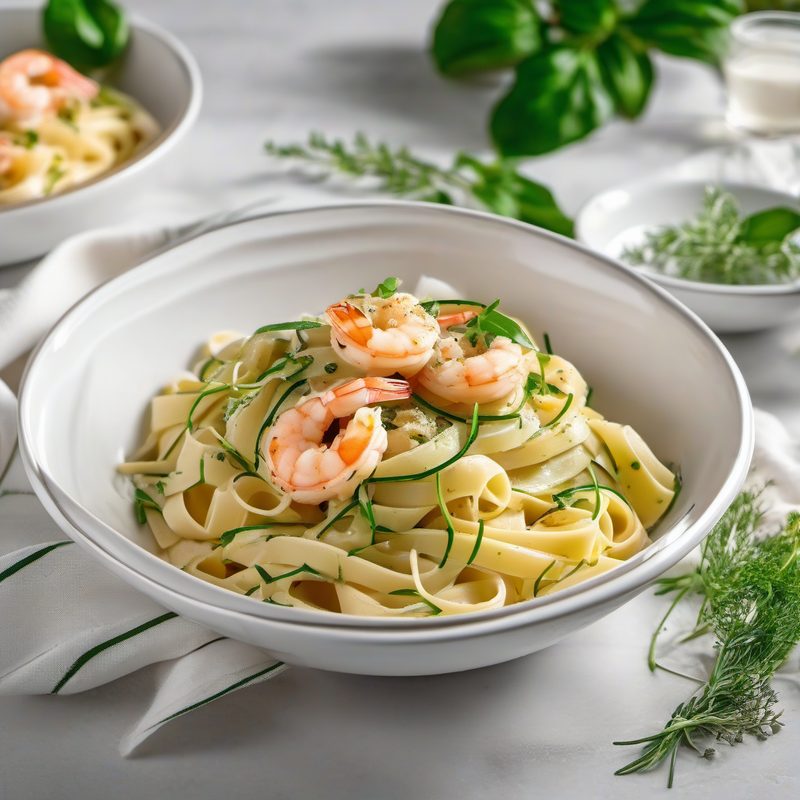
Photo reference: `vol1_119.png` — A wide, shallow ceramic bowl filled with penne rigate generously coated in a rust-colored tomato-vegetable ragu. Diced pieces of bright orange carrot, golden yellow bell pepper, pale green zucchini, and bright green peas are visible throughout the sauce, each vegetable maintaining its distinct shape and color. The sauce clings to the ridges of the penne in a glossy, emulsified coating. A generous drizzle of deep-green extra-virgin olive oil glistens on top, with several torn fresh basil leaves scattered across the surface. Shot from a 45-degree overhead angle on a light wooden table in warm, soft natural daylight. A simple linen napkin and a glass of crisp white wine (Verdicchio) sit in the background. The presentation is bright, fresh, and summery—vibrant colors against the warm terra-cotta tones of the sauce, evoking a garden-fresh meal on a late summer afternoon.
Recipe from "The Italian Kitchen" by Vita Milanese — Volume 1: Pasta Perfetto
Recipe from The Italian Kitchen by Vita Milanese — Volume 1 · Pasta Perfetto. Discover all volumes on the ebook page.