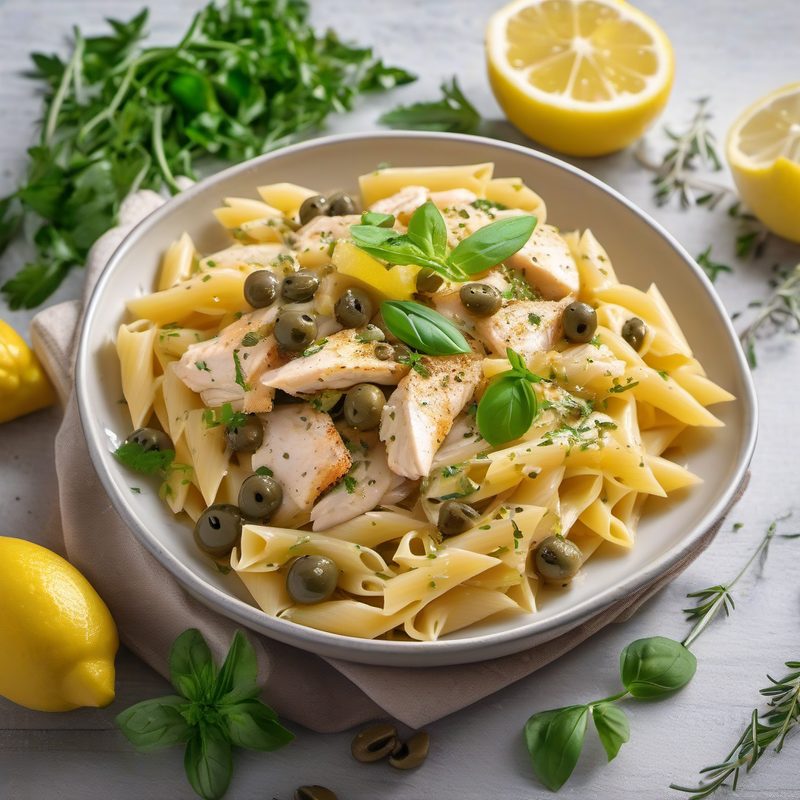
Pasta Red Endive Ragu
Category: Primi piatti
| Amount | Ingredient |
|---|---|
| 350 g (12 oz) | Dried pasta (pappardelle, fettuccine, rigatoni, or casarecce) |
| 4 heads | Red Belgian endive (radicchio di Treviso type), about 300 g / 10 oz total |
| 1 medium | Onion, finely chopped (about 150 g / 1 cup) |
| 2 cloves | Garlic, minced |
| 100 g (3½ oz) | Pancetta or bacon, diced into ½-inch (1 cm) pieces |
| 400 g (14 oz) | Crushed tomatoes (preferably San Marzano) |
| 3 tbsp (45 ml) | Extra-virgin olive oil |
| 50 g (½ cup) | Parmesan (Parmigiano-Reggiano), finely grated, plus more for serving |
| To taste | Kosher salt |
| To taste | Freshly ground black pepper |
Yield: 4 servings
Prep time: 10 min
Cook time: 25 min
Difficulty: Easy
A rustic, deeply savory Italian pasta sauce that transforms humble red Belgian endive into something extraordinary — slowly wilted with pancetta, onion, and garlic, then simmered with crushed tomatoes until the endive's gentle bitterness melds into a rich, velvety ragu that clings to every strand of pasta.
This is the kind of dish that embodies the Italian cucina povera — making something remarkable from simple ingredients. Red Belgian endive (radicchio di Treviso type) brings a refined bitterness and a gorgeous ruby-crimson hue that stains the sauce a deep burgundy as it cooks. Pancetta renders its fat to form the flavor foundation, while onion and garlic add sweetness and depth. The crushed tomatoes provide acidity and body, taming the endive's edge into a mellow, complex savoriness. A generous shower of Parmesan at the end rounds everything with salty, nutty umami. What emerges is a pasta dish that's simultaneously rustic and elegant — hearty enough for a cold weeknight, refined enough for company.
⏱️ Quick Overview
Use red Belgian endive — the variety with deep burgundy leaves veined in white, often labeled radicchio di Treviso. It has a more refined bitterness than standard white endive and a beautiful color that infuses the sauce. Look for firm, compact heads with crisp leaves and no wilting or browning at the edges. If unavailable, standard radicchio (Chioggia type) makes a fine substitute, though it's rounder and slightly more bitter. The pancetta should be sliced thick (about ¼ inch / 6 mm) so you can dice it cleanly — thin-sliced pancetta will render too quickly and may burn before the fat is fully rendered.
🥘 Equipment
- Large pot (6 qt / 6 L minimum) for boiling pasta
- Large skillet or sauté pan (12-inch / 30 cm, with a lid if possible)
- Chef's knife and cutting board
- Colander or strainer
- Microplane or fine grater (for Parmesan)
- Wooden spoon or heat-resistant spatula
- Liquid measuring cup
- Ladle (for pasta water)
📋 Preparation
Step 1 — Prep the Endive and Aromatics (5 min)
Prepare the red Belgian endive: Trim off the very base of each head (about ¼ inch / 6 mm) and discard any discolored or bruised outer leaves. Cut each head in half lengthwise, then slice crosswise into ½-inch (1 cm) strips. The leaves should separate naturally into ribbons with their white cores and burgundy edges intact. Set aside.
Finely chop the onion and mince the garlic. Dice the pancetta into ½-inch (1 cm) pieces.
The endive's bitterness is concentrated in its core and the white ribs — don't remove these! They're essential for the complex, layered character of the finished sauce. The crosswise cut creates even ribbons that wilt evenly and integrate into the sauce rather than clumping into long, stringy strands. Aim for uniformity in your cuts — pieces of similar size cook at the same rate.
Step 2 — Bring Pasta Water to a Boil (concurrent)
Fill a large pot with generously salted water (about 1½ tablespoons kosher salt per 4 quarts / 4 liters — it should taste like the sea) and bring it to a rolling boil over high heat. You'll add the pasta in Step 5, so have it ready.
Step 3 — Render the Pancetta and Sauté Aromatics (8 min)
Heat a large skillet or sauté pan over medium heat. Add the 3 tablespoons olive oil and the diced pancetta. Cook, stirring occasionally, until the pancetta has rendered its fat and is just beginning to crisp at the edges — about 4 to 5 minutes. The goal is to render the fat without burning the meat; the pancetta should be golden and fragrant, not dark brown and brittle.
Add the chopped onion to the skillet. Reduce the heat to medium-low and cook, stirring frequently, until the onion is softened and translucent — about 3 to 4 minutes. Add the minced garlic and cook, stirring constantly, until fragrant — about 30 seconds. Do not let the garlic brown.
Rendering the pancetta before adding the onion is the key to this dish's deep, savory foundation. The rendered fat coats the endive and carries its flavor deep into the sauce. Cook the pancetta over medium heat — too high and the exterior burns before the fat renders; too low and the meat stews rather than crisps. The onion should soften without browning — golden onions add sweetness, but browned onions add bitterness that competes with the endive.
Step 4 — Wilt the Endive and Build the Ragu (20 min)
Add the sliced red Belgian endive to the skillet — the pan will seem very full, but the endive will wilt dramatically. Season with ½ teaspoon kosher salt and a generous grind of black pepper. Cook over medium heat, stirring occasionally, until the endive has fully wilted and released its liquid — about 5 minutes. The leaves will transform from crisp, dense ribbons into a soft, deep burgundy tangle.
Add the crushed tomatoes to the skillet. Stir to combine, scraping up any browned bits from the bottom of the pan. Bring the sauce to a gentle simmer, then reduce the heat to low. Cover and cook, stirring occasionally, for 15 to 20 minutes. The sauce should be thick, deeply colored, and rich-smelling — the endive will have broken down into the tomato base, leaving only occasional tender ribbons. Taste and adjust seasoning with salt and pepper.
The wilting phase is where the magic happens. As the endive heats, its natural bitterness mellows dramatically — what starts as a sharp, assertive edge transforms into a gentle, savory complexity that gives the ragu its distinctive character. Don't rush this step; allowing the endive to fully wilt before adding the tomatoes ensures it integrates into the sauce rather than floating in it. If the sauce looks too thick at any point, loosen it with a ladleful of the pasta cooking water — the starch will help it cling to the pasta later. 🍅
Step 5 — Cook the Pasta (8–10 min, concurrent with Step 4)
When the salted water is at a rolling boil, add the 350 g pasta and cook according to package directions until al dente — typically 8–10 minutes for short shapes like rigatoni, 9–11 minutes for long egg pasta like fettuccine or pappardelle.
Just before draining, reserve 1½ cups (375 ml) of the starchy pasta cooking water. Drain the pasta well (do not rinse).
Cook the pasta 1 minute less than the package suggests — it will finish cooking in the hot sauce, absorbing flavor as it rests. The reserved pasta water is your secret weapon for achieving the perfect sauce consistency; add it gradually until the sauce flows like thick cream.
Step 6 — Combine Pasta and Ragu (2 min)
Add the drained pasta directly to the skillet with the ragu. Increase the heat to medium. Add ½ cup (125 ml) of the reserved pasta water and sprinkle in the 50 g grated Parmesan.
Using tongs or a wooden spoon, toss vigorously for 45 to 60 seconds. The sauce will emulsify with the starchy pasta water and cheese, transforming from a chunky ragu into a silky, clingy sauce that coats every piece of pasta. If the sauce seems too thick, add more pasta water ¼ cup at a time, tossing between additions, until it reaches a flowing, creamy consistency — loose enough to pool slightly at the bottom of the pan but still clinging to the pasta.
The tossing phase is where everything comes together — the heat, the starch from the pasta water, and the cheese protein combine to create a glossy, emulsified sauce that's far more than the sum of its parts. Work confidently and quickly; the pasta should absorb the sauce, not sit in it. The final texture should be luxurious, not soupy. 🍝
Step 7 — Taste, Adjust, and Serve (2 min)
Taste the finished pasta. Add a final pinch of kosher salt and a crack of freshly ground black pepper if needed. A final drizzle of extra-virgin olive oil adds gloss and a fresh, grassy finish.
Divide among four warm shallow bowls. Top each serving with a generous shower of freshly grated Parmesan and a few cracks of black pepper. Serve immediately.
The final grating of Parmesan isn't just a garnish — the salty, nutty cheese is a crucial counterpoint to the endive's gentle bitterness, and its umami depth ties the whole dish together. Serve at once: this pasta waits for no one, and the sauce continues to thicken as it sits. 🍽️
🧑🍳 Chef's Tips
- Red endive matters. The red Belgian endive (radicchio di Treviso type) is essential for this dish — its refined bitterness and deep crimson color are what make the ragu distinctive. Standard white Belgian endive is milder and lacks the visual impact; standard round radicchio (Chioggia) is more aggressively bitter. If you can find Treviso-type radicchio, use it — the elongated heads with burgundy leaves and white ribs are ideal.
- Render the pancetta patiently. Low and slow is the rule. High heat will burn the pancetta's exterior while the fat remains unrendered, leaving you with greasy, charred bits instead of crisp, flavorful lardons. Medium heat, 4 to 5 minutes, stirring occasionally.
- Don't skip the wilting step. The endive needs time to soften and mellow before the tomatoes go in. If you add the tomatoes too early, the endive retains a sharp, raw bitterness that never fully integrates. Let it wilt completely — about 5 minutes — until it's soft and deeply fragrant.
- Reserve more pasta water than you need. You'll likely use ½ to 1 cup, but having 1½ cups on hand ensures you can adjust the sauce consistency perfectly. The starch in the water is the key to a silky, emulsified sauce.
- Use a wide skillet. A 12-inch / 30 cm pan gives the endive room to wilt evenly and the sauce room to reduce without overcrowding. A narrow pot will trap steam and make the endive soggy rather than tender.
- Grate Parmesan fresh from a wedge. Pre-grated cheese contains anti-caking agents (cellulose, potato starch) that prevent smooth melting, leaving the sauce gritty. A microplane takes seconds and makes a dramatic difference.
- Taste before adding salt. The pancetta and Parmesan both contribute significant salt. Season the sauce lightly during cooking and adjust at the end.
- Warm the serving bowls. Cold bowls cool this pasta down in seconds. Warm your bowls in a low oven (150°F / 65°C) or fill them with hot water while you cook, then dry just before plating.
- The sauce thickens as it sits. If serving later, keep a little extra pasta water on hand to loosen the sauce before serving. A splash of hot water and a vigorous toss will revive it.
❌ Common Mistakes
| Mistake | Why It Hurts | The Fix |
|---|---|---|
| Using white Belgian endive instead of red | The flavor is too mild and the sauce lacks the characteristic deep burgundy color | Use radicchio di Treviso or Chioggia-type radicchio for the right bitterness and color |
| Not wilting the endive before adding tomatoes | The endive stays sharp, bitter, and doesn't integrate into the sauce | Cook endive for 5 minutes until fully wilted before adding crushed tomatoes |
| Burning the garlic | Turns acrid and bitter, ruining the sauce's sweet-savory balance | Add garlic after onion is soft and cook just 30 seconds over medium-low heat |
| Overcooking the pancetta | Becomes hard, brittle, and loses its meaty character | Render over medium heat just until golden at the edges, about 4–5 minutes |
| Adding the pasta dry | The sauce won't emulsify properly and stays chunky instead of silky | Always add reserved pasta water when tossing pasta with the ragu — the starch creates the emulsion |
| Undersalting the pasta water | The pasta itself is bland, and the sauce relies on properly seasoned pasta for flavor | Salt the pasta water generously — it should taste like the sea |
| Overcooking the pasta | Mushy pasta can't support the ragu and the dish turns stodgy | Cook to firm al dente (1 minute less than package time); pasta finishes cooking in the hot sauce |
| Skipping the Parmesan finish | The dish lacks the salty, nutty umami that balances the endive's bitterness | Always finish with a generous shower of freshly grated Parmigiano-Reggiano |
| Serving too late | The sauce thickens and the pasta absorbs too much liquid, becoming gummy | Serve immediately after tossing; have everything ready before you drain the pasta |
💡 Variations
| Variation | How To |
|---|---|
| Extra-Herby | Stir in ¼ cup loosely packed fresh parsley or basil leaves (chopped) just before serving. The fresh herbs brighten the earthy, savory ragu |
| Make it Spicier | Add ½ teaspoon red pepper flakes along with the garlic, or stir in Calabrian chili paste (1 teaspoon) with the tomatoes. The heat amplifies the endive's gentle bitterness beautifully |
| Swap the Meat | Replace pancetta with guanciale (richer, more intensely porky) or thick-cut bacon (smokier). For a lighter option, use 100 g of Italian sausage (casings removed), crumbled and browned before the onion |
| Make it Vegetarian | Omit the pancetta. Add 1 tablespoon tomato paste with the garlic and increase the olive oil to 4 tablespoons. Stir in 1 tablespoon capers (rinsed) or ½ cup pitted black olives at the end for savory depth |
| Add a Creamy Element | Stir in ⅓ cup (80 ml) heavy cream or ½ cup (120 g) fresh ricotta just before tossing with the pasta. The cream mellows the endive's bitterness into something almost sweet and velvety |
| Swap the Tomatoes | Use 400 g of passata (strained tomatoes) for a smoother, silkier sauce, or 400 g of diced San Marzano tomatoes (crushed by hand) for a chunkier texture |
| Add White Wine | After wilting the endive, deglaze the pan with ½ cup (125 ml) dry white wine (Pinot Grigio, Verdicchio, or Sauvignon Blanc). Let it reduce by half before adding the tomatoes. The acidity brightens the whole dish |
| Use a Different Pasta Shape | Pappardelle and fettuccine are classic choices — the wide ribbons catch the chunky ragu beautifully. Short tubular shapes like rigatoni, paccheri, or ziti capture the sauce inside their tubes. Casarecce or cavatappi are excellent alternatives for their twisted shapes that hold onto the ragu |
| Add Nuts for Texture | Toast ¼ cup walnut halves in a dry skillet until fragrant (about 3 minutes), chop roughly, and sprinkle over each serving. The earthy crunch provides a lovely textural contrast to the silky ragu |
| Go Gluten-Free | Use gluten-free pasta (rice, corn, or legume-based). Cook according to package directions minus 1 minute, then finish in the skillet with the ragu and extra pasta water as directed |
| Top with Breadcrumbs | Toast ½ cup panko breadcrumbs in 2 tablespoons olive oil over medium heat until golden, about 3 minutes. Sprinkle over each serving for a crunchy, savory topping that echoes the pancetta's crispness |
| Add Fresh Lemon | A squeeze of fresh lemon juice (about 1 teaspoon) and ½ teaspoon finely grated lemon zest stirred in just before serving brightens the dish and cuts through the richness |
❄️ Storage & Leftovers
| Method | Details |
|---|---|
| Refrigerator | Store in an airtight container for up to 3 days. The flavors continue to meld and deepen overnight — many find the leftovers even better than the first serving |
| Reheating | Reheat in a nonstick skillet over medium-low heat with a splash of water or reserved pasta water, tossing frequently, until warmed through (about 4–5 minutes). Add a fresh drizzle of olive oil and a sprinkle of Parmesan before serving. Avoid the microwave — uneven heating can separate the sauce and make the pasta gummy |
🍷 Wine Pairing
| Wine | Why |
|---|---|
| Valpolicella Classico (Allegrini, Zenato) | Light-bodied with bright red cherry, raspberry, and almond notes. The wine's moderate tannins and high acidity cut through the pancetta richness while its red fruit notes echo the sauce's deep crimson character |
| Chianti Classico (Fèlsina, Castell'in Villa) | Sangiovese's signature bright cherry, dried herb, and earthy notes complement the endive's bitterness. Firm tannins and vibrant acidity stand up to the pancetta and Parmesan without overwhelming the sauce |
| Nebbiolo Langhe (Gaja, Elio Altare) | Ethereal red fruit, rose petal, and tar notes with mouthwatering acidity. The wine's gentle tannins and complex minerality mirror the endive's refined bitterness — a spectacular pairing that elevates the dish |
| Montepulciano d'Abruzzo (Emidio Pepe, Masciarelli) | Richer and more fruit-forward than Sangiovese, with dark cherry, plum, and cocoa notes. The soft tannins and lush texture wrap around the ragu's savory depth without competing |
| Barbera d'Alba or Barbera d'Asti (Braida, Giacomo Conterno) | High acidity, low tannins, and bright red fruit with a subtle tartness. The wine's natural acidity is a perfect foil for the tomato-based ragu, and its red berry notes complement the endive's sweetness |
| Rosso di Montalcino (Casanova di Neri, Il Marroneto) | A younger, fresher expression of Brunello grapes — cherry, red currant, leather, and earthy undertones. The structure is robust enough for the pancetta yet elegant enough for the endive |
| Nero d'Avola (Sicily) | Bold, sun-drenched red with blackberry, plum, and spice notes. The wine's generous fruit and moderate tannins provide a warm, southern counterpoint to the dish's northern Italian character |
| Franciacorta Rosé (non-vintage) | For a celebratory pairing, the fine bubbles and crisp acidity cut through the ragu's richness. Red berry and brioche notes echo the sauce's savory complexity |
🍺 Beer Pairing
| Beer | Why |
|---|---|
| Italian Pilsner (Birrificio Italiano Tipopils, Menabrea) | Crisp, dry, high carbonation — the clean bitterness and bubbles refresh the palate between bites of the rich, savory ragu |
| Belgian Dubbel (Chimay Red, Westmalle Dubbel) | Dark, malty, with notes of dark fruit, caramel, and a hint of spice. The beer's sweetness balances the endive's bitterness, while its moderate body doesn't overwhelm the dish |
| Saison / Farmhouse Ale | Peppery, spicy, and dry with moderate carbonation. The rustic yeast character and subtle spice notes harmonize with the pancetta and garlic |
| American Brown Ale | Nutty, caramel-forward with a moderate hop bitterness. The malt profile echoes the pancetta's richness and the Parmesan's nuttiness |
| Bock or Doppelbock | Rich, malty, and subtly sweet with notes of toasted bread and caramel. A warming, cold-weather pairing for a cold-weather dish |
| Czech Pilsner (Pilsner Urquell) | Crisp, clean, with a distinctive Saaz hop character and medium body. The snappy bitterness cuts through the sauce while the malt body supports the dish's richness |
🥗 Suggested Side Dishes
- Simple arugula salad with lemon vinaigrette — Peppery arugula tossed with lemon juice, good olive oil, flaky salt, and shaved Parmesan. The double dose of bitterness (from arugula and endive) is a bold, sophisticated choice that highlights the dish's character
- Fennel and orange salad — Thinly sliced raw fennel bulb tossed with orange segments, extra-virgin olive oil, flaky salt, and black olives. Bright, crunchy, and refreshing — a perfect palate cleanser between bites of the rich, savory ragu
- Crusty ciabatta or sourdough with olive oil — Essential for sopping up every last smear of the deep burgundy ragu from the bottom of the bowl
- Roasted cherry tomatoes with garlic and thyme — Cherry tomatoes halved, roasted at 400°F (200°C) with olive oil, garlic, and fresh thyme until blistered and sweet. Their concentrated sweetness is a brilliant counterpoint to the endive's bitterness
- Warm white beans with rosemary and sage — Cannellini beans warmed in olive oil with garlic, fresh rosemary, and sage. The creamy, protein-rich beans add substance and round out the meal without competing with the pasta
- Grilled radicchio wedges — Quartered radicchio heads brushed with olive oil and grilled until char-marked and slightly softened, finished with balsamic glaze. A double-dose of bitter chicory — for true enthusiasts
- Sautéed spinach with garlic — Quick, simple, and bright green — the mild, earthy spinach provides a gentle contrast to the assertively flavored endive ragu
📊 Nutrition (per serving, estimated)
| Calories | Protein | Fat | Carbs | Fiber |
|---|---|---|---|---|
| 540 | 20 g | 22 g | 64 g | 6 g |
Nutrition values are estimates based on 4 servings using 350 g dried pasta, 4 heads red Belgian endive, 100 g pancetta, 1 onion, 2 garlic cloves, 400 g crushed tomatoes, 3 tbsp olive oil, and 50 g Parmigiano-Reggiano. Actual values will vary based on specific brands, pasta shape, oil absorption, and portion sizes. Red Belgian endive is rich in vitamins A, C, and K, along with folate and potassium — its characteristic bitterness comes from chicoric acid, a compound associated with digestive health and antioxidant properties. Pancetta contributes protein and B vitamins, while the tomatoes provide lycopene and vitamin C.
❓ Frequently Asked Questions
What is red Belgian endive, and where can I find it?
Red Belgian endive is a variety of chicory with elongated, tightly packed heads of burgundy-red leaves veined in white. It's also called radicchio di Treviso (the IGP-protected Italian variety) or Treviso radicchio. Look for it in the produce section of well-stocked supermarkets (especially in fall and winter), Italian specialty markets, or farmers' markets. If unavailable, Chioggia radicchio (the round, cabbage-like variety) makes a good substitute — it's slightly more bitter but works beautifully. Standard white Belgian endive is too mild and lacks the characteristic color.
Can I use regular radicchio instead of red Belgian endive?
Yes. Chioggia radicchio (the round, tight-headed purple variety) is an excellent substitute. It's slightly more bitter and its color is more uniformly purple, but the flavor profile is very similar. Use the same quantity (4 medium heads, about 300 g / 10 oz) and prepare it the same way — halve, core, and slice into ribbons.
Can I make this dish without pancetta?
Absolutely. For a vegetarian version, omit the pancetta and increase the olive oil to 4 tablespoons. Add 1 tablespoon of tomato paste with the garlic for extra savory depth. Stir in 1 tablespoon rinsed capers or ½ cup pitted black olives at the end for a briny, umami hit that compensates for the missing pork. For a non-vegetarian but different meat profile, try guanciale (richer, more intensely porky) or thick-cut bacon (smokier).
My sauce tastes too bitter. What went wrong?
The most likely culprit is insufficient wilting of the endive before adding the tomatoes. Endive needs about 5 minutes of cooking on its own to mellow its natural bitterness into something complex and savory. If you added the tomatoes too early, the bitterness never had a chance to transform. Next time, cook the endive longer before adding tomatoes. For this batch, you can try: (1) simmering the sauce an additional 10 minutes with a pinch of sugar to balance the bitterness; (2) stirring in a splash of heavy cream or a pat of butter at the end; or (3) adding extra Parmesan — the salty, nutty cheese is a natural counterpoint to bitterness.
What pasta shape is best for this ragu?
Wide, flat noodles like pappardelle or fettuccine are the classic choice — their broad surfaces catch the chunky, meaty ragu in every bite. Short tubular shapes like rigatoni, paccheri, or ziti also work beautifully, trapping sauce inside their tubes. Casarecce or cavatappi are excellent alternatives for their twisted shapes. Avoid very delicate shapes like angel hair or capellini — the sauce is too hearty for them.
Can I use canned whole tomatoes instead of crushed?
Yes. Use 400 g (14 oz) of whole San Marzano tomatoes. Before adding them to the skillet, crush them by hand over a bowl (squeeze each tomato through your fingers until broken into rough chunks). Discard any tough core bits. Hand-crushed tomatoes will give you a chunkier, more rustic sauce than store-bought crushed tomatoes. Simmer for an extra 5 minutes to allow the chunks to break down.
Is this dish very bitter?
No — and that's the surprise of this recipe. When prepared correctly, the endive's bitterness is tamed by the cooking process into something gentle, complex, and deeply savory — more like the pleasant bitterness of dark chocolate or coffee than the harsh bite of raw endive. The pancetta provides richness, the tomatoes add acidity and sweetness, and the Parmesan rounds everything with umami. If you're sensitive to bitterness, add the optional splash of cream or a pinch of sugar at the end.
Can I prepare this ahead of time for a dinner party?
Yes, with a smart strategy. Make the ragu (Steps 1–4) up to 3 days ahead and refrigerate. Before your guests arrive, reheat the ragu in a large skillet over medium heat with a splash of water, cook fresh pasta al dente, and toss together at the last minute. The ragu's flavor improves with age, and the final toss takes only 2 minutes — you get a from-scratch dinner-party dish with minimal last-minute fuss.
Can I freeze this dish?
The ragu freezes beautifully — freeze it (without pasta) for up to 3 months in an airtight container. The cooked, finished pasta does not freeze well; it turns mushy upon thawing. If you want to freeze individual portions, freeze the ragu in small containers and cook fresh pasta when you're ready to eat.
What's the difference between red Belgian endive and regular radicchio?
Red Belgian endive (radicchio di Treviso) is an elongated, pointed variety with burgundy leaves and prominent white ribs. It has a refined, balanced bitterness and a slightly sweet finish. Regular radicchio (radicchio di Chioggia) is round, tight-headed, and uniformly deep purple — it's more aggressively bitter and slightly less complex. Both are members of the chicory family and can be used interchangeably in this recipe, but Treviso is the preferred choice for its elegant bitterness and dramatic appearance.
Can I use this ragu for something other than pasta?
Yes — it's wonderfully versatile. Serve it over soft polenta for a hearty winter meal, spoon it over creamy mashed potatoes, use it as a filling for lasagna (alternating with béchamel), spread it on toasted crostini as an appetizer, or serve it alongside grilled pork chops or sausages. It also makes an excellent topping for baked gnocchi or a filling for cannelloni.
🔗 Related Recipes
- Pappardelle al Ragoù di Cinghiale (Pappardelle with Wild Boar Ragu) — The gamey, slow-cooked classic that shares this ragu's rustic DNA
- Pasta con le Sarde (Pasta with Sardines, Fennel, and Breadcrumbs) — Another bittersweet Sicilian primo that balances assertive greens with savory depth
- Orecchiette con Cime di Rapa (Pasta with Broccoli Rabe) — A Pugliese classic pairing bitter greens with anchovies, garlic, chili, and breadcrumbs
- Pasta alla Norcina (Pasta with Sausage and Cream) — Umbrian comfort food that shares the same porky, savory foundation
- Pasta con Cavolo Riccio (Pasta with Kale and Pecorino) — Another earthy, leafy-green pasta that showcases how simple ingredients can become extraordinary
- Pasta all'Amatriciana (Pasta with Tomato, Guanciale, and Pecorino) — The Roman classic that shares the pancetta-and-tomato foundation with a different vegetable treatment
- Bigoli con le Sarde (Bigoli with Sardines and Wild Fennel) — A Venetian primo that also balances savory depth with bitter herbal notes
- Risotto al Radicchio (Radicchio Risotto) — The risotto version of this flavor combination, equally beloved in the Veneto
- Tagliatelle al Ragoù Bolognese (Tagliatelle with Bolognese Sauce) — The meat-sauce archetype that all Italian ragu recipes look to
- Pasta e Fagioli (Pasta and Beans) — Another hearty, rustic Italian primo that benefits from the same slow-simmered, deeply savory approach
🏷️ Search Tags
📸 Photo Reference
Photo reference: `vol1_309.png` — A warm, slightly angled overhead shot of a wide, shallow ceramic bowl (deep cream or slate gray) filled with wide pappardelle ribbons or casarecce pasta, each piece generously coated in a deeply hued, rich burgundy-crimson sauce flecked with darker bits of pancetta and tender ribbons of wilted red endive. A generous drift of freshly grated Parmigiano-Reggiano sits in an irregular mound on top, with a glossy thread of golden-green extra-virgin olive oil drizzled in a slow spiral across the surface. A few whole leaves of red Belgian endive — raw, crisp, and dramatic — are tucked artfully on one side of the bowl as a garnish, their burgundy-and-white striping a stark contrast to the cooked sauce. A curl of steam rises from the center. The background is a dark, rustic wood table, slightly out of focus, with a linen napkin folded casually beside the bowl, a small cruet of olive oil, and a crust of crusty bread. The lighting is soft, diffused, and warm — golden hour through a gauze-curtained window, casting gentle highlights on the glossy sauce and cheese. The mood is rustic, hearty, and deeply inviting — the kind of soul-warming Italian cooking that feels like a Sunday dinner in the Veneto countryside.
Recipe from "The Italian Kitchen" by Vita Milanese — Volume 1: Pasta Perfetto 🍝
Recipe from The Italian Kitchen by Vita Milanese — Volume 1 · Pasta Perfetto. Discover all volumes on the ebook page.