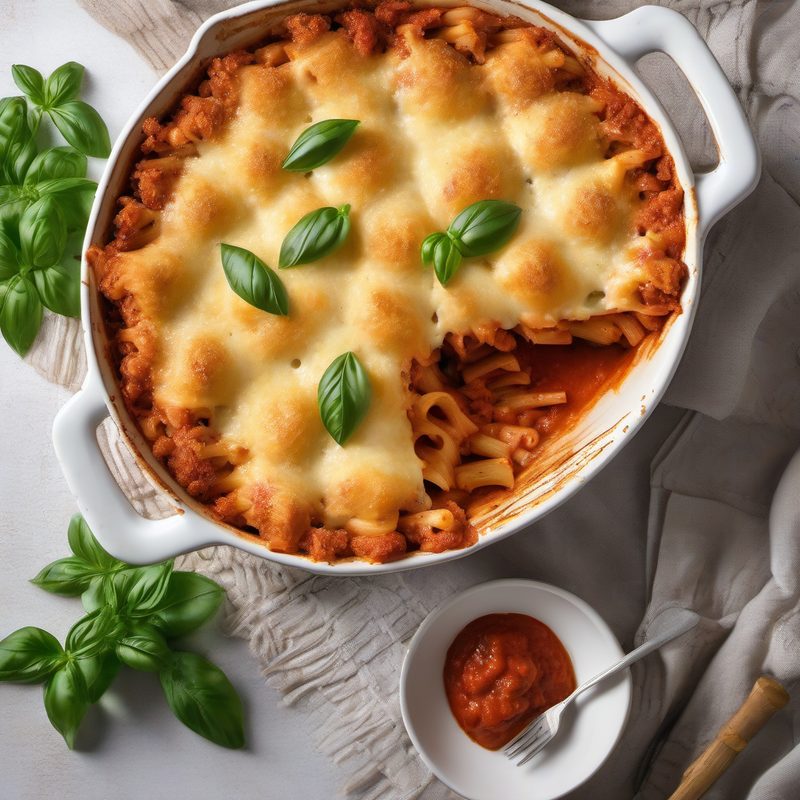
Pasta Primavera
A plate of spring-green linguine twirled into a golden nest, set over a pool of silky Jerusalem artichoke cream and scattered with sweet peas, diamond-cut snow peas, paper-thin raw artichoke slices, and fresh mint — this elegant, creamy-yet-bright vegetarian pasta celebrates the first tender harvest of the season in under an hour.
| Amount | Ingredient |
|---|---|
| 11 oz (320 g) | Linguine |
| 7 oz (200 g) | Snow peas (taccole) |
| ⅔ cup (100 g) | Frozen or fresh peas (pisellini) |
| 1 large (60 g) | Spring onion or scallion (green and pale parts) |
| 1 | Fresh red chili (peperoncino), such as Fresno or cayenne |
| 3 tbsp (45 ml) | Extra-virgin olive oil |
| 1 | Small raw Jerusalem artichoke (for garnish) |
| Handful | Fresh mint leaves |
| Fine sea salt | |
| Freshly ground black pepper |
There is something magical about the first truly spring pasta of the year — the one where the market is suddenly overflowing with peas still in their pods, the first pencil-thin spring onions, and Jerusalem artichokes that taste like sweet, nutty clouds when puréed. This pasta primavera (which simply means "spring pasta" in Italian) is a study in contrasts: a luscious, velvet-smooth Jerusalem artichoke cream forms the base, providing an earthy-sweet foundation that is subtly reminiscent of artichoke hearts but creamier and more delicate. Sitting atop that cream is a nest of al dente linguine — tossed with barely-cooked snow peas cut into sparkling diamond shapes, sweet little peas, and a whisper of fresh chili that warms without dominating. The whole thing is finished with paper-thin slices of raw Jerusalem artichoke (they have a lovely, crisp, water chestnut-like texture when raw) and a scattering of fresh mint leaves. It is refined without being fussy, quick enough for a weeknight, and elegant enough for company — the kind of dish that makes you want to pour a glass of cold white wine and sit down to a slow, grateful dinner.
The Jerusalem artichokes are boiled in their skins ahead of time (30 minutes), then peeled while hot — this can be done a day in advance. The actual assembly is a quick, 20-minute affair of blending the cream, sautéing the vegetables, and tossing the pasta.
For the Jerusalem Artichoke Cream
For the Pasta and Vegetables
Use level tablespoons and standard US measuring cups. All produce is medium unless specified. Jerusalem artichokes (also called sunchokes) are knobby, ginger-like tubers with a sweet, nutty, artichoke-like flavor. Look for firm, smooth-skinned specimens with no soft spots or sprouting eyes.
🥘 Equipment
- Large pot (6 qt / 6 L) for boiling artichokes
- Large pot (6 qt / 6 L) for pasta
- Medium saucepan or small pot
- High-speed blender or immersion blender
- Chef's knife and cutting board
- Vegetable peeler
- Large skillet or sauté pan (12 inch / 30 cm)
- Colander
- Slotted spoon
- Mandoline (optional, for thin artichoke slices)
- Tongs
- Measuring cups and spoons
- Kitchen towel or heatproof bowl (for peeling hot artichokes)
📋 Preparation
Step 1 — Boil the Jerusalem Artichokes (30 minutes)
Scrub the Jerusalem artichokes thoroughly under cold running water — their knobby skin traps dirt and sand. Do not peel them yet. Place them in a medium saucepan and cover with cold water by 2 inches (5 cm). Add 1 teaspoon of fine sea salt.
Bring to a boil over high heat, then reduce to a gentle simmer (medium-low). Cook until the artichokes are completely tender when pierced with a knife — a thin-bladed knife should slide in with no resistance, about 25 to 30 minutes from the time the water comes to a boil.
Boiling the artichokes in their skins keeps them from absorbing too much water and becoming waterlogged. They should be very tender — think of how you'd cook a potato for mashing. If some pieces are still firm in the center after 30 minutes, give them 5 more minutes. Timing varies with size and freshness.
Step 2 — Peel the Artichokes While Hot (5 minutes)
Drain the cooked artichokes in a colander and let them cool just enough to handle — about 2 to 3 minutes. While still hot, slip the skins off using your fingers or a small paring knife. The skins should come away easily, often in a single strip. Discard the skins.
Set the peeled artichokes aside in a bowl to cool slightly. Reserve ½ cup of the cooking water before draining — it contains starch and flavor that will help create a silky cream.
The skins must be removed while the artichokes are hot — they stick stubbornly once cool. Work quickly but carefully, using a folded kitchen towel to hold the hot artichokes if needed. Don't run them under cold water to speed cooling; the starch you want in the cream stays in the artichokes, not the sink drain.
Step 3 — Prepare the Vegetables (10 minutes)
While the artichokes boil, prep the remaining vegetables.
Trim the spring onion: Cut off the root end and the tough dark-green tops (reserve the tender light-green and white parts). Slice the spring onion very thinly crosswise into delicate rings — about ⅛ inch (3 mm) thick.
Prepare the snow peas: Stack several snow peas at a time and cut them crosswise into thin diamond shapes — slice at a sharp diagonal, about ¼ inch (6 mm) wide. The diamonds are both beautiful and practical: they cook quickly and catch the sauce in their angled edges. You should have about 1½ cups of cut snow peas.
Prepare the chili: Slice the fresh red chili in half lengthwise. Remove the seeds and membranes if you prefer a milder heat (keep them for a spicier dish). Slice the chili into thin rings, or leave it whole for easier removal later (the recipe calls for removing it before serving).
If using frozen peas, place them in a small bowl to thaw while you work.
The diamond cut on the snow peas is optional but worth the extra minute — the angled surfaces catch more of the artichoke cream and make the dish look considerably more polished. If you're in a rush, simple crosswise slices work fine.
Step 4 — Make the Jerusalem Artichoke Cream (5 minutes)
Transfer the peeled, cooked Jerusalem artichokes to a high-speed blender (or a deep cup if using an immersion blender). Add 2 tablespoons of extra-virgin olive oil, ½ teaspoon of fine sea salt, a generous grind of black pepper, and ½ cup of the reserved cooking water.
Blend on high until completely smooth and velvety — about 45 to 60 seconds. The cream should be thick but pourable, like a very smooth hummus. If it is too thick (paste-like), add more cooking water 1 tablespoon at a time and blend again until you reach a luscious, spoonable consistency.
If using mint in the cream (optional but recommended), add 6 to 8 fresh mint leaves and blend for another 15 seconds until the cream is a pale, sage-green color with tiny flecks of mint.
Taste and adjust seasoning — the cream should be savory, sweet, and nutty, with a subtle earthiness and a whisper of mint. Set aside at room temperature. The cream will thicken slightly as it cools; you can thin it with a splash of hot pasta water just before serving.
The key to a silky cream is hot blending — the warmer the artichokes and water, the smoother the emulsion. If the cream looks grainy, add 1 more tablespoon of olive oil and blend for 30 seconds longer. The mint version is slightly more complex and herbaceous; the plain version is cleaner and lets the artichoke flavor sing — both are excellent.
Step 5 — Cook the Pasta and Sauté the Vegetables (12 minutes)
Bring a large pot of generously salted water (about 1½ tablespoons kosher salt per 4 quarts of water) to a rolling boil over high heat.
Add the linguine and cook according to package directions until al dente — typically 8 to 10 minutes for dried linguine. Set a timer for 1 minute before the recommended time and start tasting; perfect al dente pasta is the backbone of this dish.
While the pasta cooks, sauté the vegetables:
Place a large skillet or sauté pan (12 inch / 30 cm works best) over medium-high heat. Add 3 tablespoons of extra-virgin olive oil and the sliced fresh chili (whole or cut, depending on your heat preference). Heat until the oil shimmers and the chili begins to sizzle gently — about 30 seconds.
Add the thinly sliced spring onion. Cook, stirring constantly, until wilted and fragrant — about 1 minute. The onion should soften without browning.
Add the diamond-cut snow peas and ¼ teaspoon of fine sea salt. Increase the heat to high and sauté, tossing frequently, for 5 minutes. The snow peas should be bright green, tender-crisp, and beginning to develop a few brown spots where they've hit the pan — this char adds flavor.
The high heat is essential — it gives the snow peas a light sear without turning them limp and sad. They should still have a noticeable snap when bitten. Toss rather than stir: lifting and flipping keeps the pieces separate and prevents steaming.
Step 6 — Finish the Vegetables and Combine (3 minutes)
Remove and discard the whole chili (if you left it whole) or leave the sliced chili in for more heat. Add the peas to the pan and toss to combine. Cook for 1 minute — just long enough to warm them through. The peas should stay bright green and sweet.
Turn off the heat. The vegetables are now ready for the pasta.
When the linguine is al dente, use tongs to lift the pasta directly from the pot into the skillet with the vegetables (reserve about 1 cup of pasta cooking water before draining). This transfers a small amount of starchy pasta water along with the linguine, which helps bind the sauce.
Toss the pasta and vegetables together with tongs, adding a splash of pasta cooking water (about ¼ cup / 60 ml) to create a light, glossy coating. Toss vigorously — the starch from the pasta water and a slick of oil should coat every strand.
Lifting the pasta directly into the skillet (rather than draining and adding) preserves more starch on the pasta surface and lets the residual heat from the vegetables finish cooking the linguine. The pasta water is your secret weapon for the right consistency — add enough so the noodles move freely but aren't swimming.
Step 7 — Plate and Serve (3 minutes)
Warm 4 shallow bowls by filling them with hot water for 30 seconds, then drying them.
Spread 2 to 3 tablespoons of the Jerusalem artichoke cream in the center of each warm bowl, using the back of a spoon to create a smooth, round pool — about 4 inches (10 cm) in diameter.
Using tongs, lift a portion of the linguine and vegetables and twirl it into a neat nest. Place the nest on top of the artichoke cream in each bowl, sitting centered on the cream like a bird in a nest.
Garnish each serving: Using a mandoline or very sharp knife, slice a raw Jerusalem artichoke into paper-thin rounds (about ¹⁄₁₆ inch / 1.5 mm thick). Arrange 3 to 4 slices on top of each pasta nest — they will curl slightly and add a beautiful, crisp contrast. Scatter a few fresh mint leaves (torn if large) over the top. Finish each serving with a final drizzle of extra-virgin olive oil, a pinch of flaky sea salt, and a grind of fresh black pepper.
Serve immediately — the pasta should be hot, the cream warm, and the raw artichoke slices crisp and fresh.
The raw Jerusalem artichoke garnish is a lovely textural surprise — crisp, slightly sweet, and water chestnut-like. If you don't have a mandoline, use a vegetable peeler to shave the artichoke into long, thin ribbons. The mint is not optional here — its cool, bright freshness cuts through the creamy base and ties the whole dish together.
🧑🍳 Chef's Tips
- Boil artichokes in their skins, peel while hot. This is the one non-negotiable technique for silky-smooth cream. Boiling unpeeled keeps the artichokes from absorbing excess water; peeling while hot (within 2-3 minutes of draining) prevents the skins from welding themselves to the flesh. If the skins start sticking, run hot water over the artichokes for a few seconds to loosen them.
- Reserve the cooking water. The starchy water from boiling the Jerusalem artichokes is liquid gold for the cream — it adds flavor and body that plain water cannot match. Save at least ½ cup before draining. If you forget, use the pasta cooking water instead (it's starchy and salty, which works beautifully).
- Diamond-cut the snow peas. The angular cut creates more surface area for the artichoke cream to cling to and looks dramatically more polished than simple cross-slices. Stack 4-5 snow peas at a time and cut at a sharp 45-degree angle. If you're short on time, regular bias cuts (also at 45 degrees) are a good compromise.
- Don't overcook the snow peas. Five minutes on high heat is enough — they should be bright green and tender-crisp, with a few brown char spots. Overcooked snow peas turn olive-drab and floppy, losing their sweet snap. When in doubt, undercook by 30 seconds; residual heat will continue to cook them.
- Use good olive oil — it matters here. With so few ingredients, the olive oil is a primary flavor, not a background player. Use a bright, grassy, medium-intensity extra-virgin olive oil for cooking and a peppery, finishing-quality oil for the final drizzle. The difference is noticeable in every bite.
- Warm the bowls. Cold bowls kill hot pasta in seconds. A 30-second fill with hot tap water is enough — the residual heat keeps the artichoke cream warm and the pasta steaming for the first few minutes at the table.
- Blend the cream while the artichokes are still warm. Warm artichokes emulsify better with the olive oil, producing a smoother, more luxurious cream. If your artichokes have cooled completely, reheat them gently in the microwave (30 seconds at 50% power) or warm them in a small saucepan with a splash of the cooking water before blending.
- Taste the artichoke cream and adjust. Jerusalem artichokes vary in sweetness and earthiness depending on season and storage. Taste after blending and adjust with salt, pepper, and a pinch of sugar if the cream tastes flat. A squeeze of lemon juice can also brighten it if needed.
❌ Common Mistakes
| Mistake | Why It Hurts | The Fix |
|---|---|---|
| Peeling artichokes when cold | Cold skins stick to the flesh, tearing chunks out and wasting the tuber. You end up with ragged, uneven pieces that blend into a lumpy cream | Peel within 2-3 minutes of draining, while the artichokes are still hot enough to burn your fingers (use a kitchen towel) |
| Overcooking the snow peas | The peas turn olive-drab, limp, and watery — they lose their bright snap and sweet flavor | Cook exactly 5 minutes on high heat; they should still be bright green with a few brown spots. Remove from heat before they fully soften |
| Forgetting to reserve cooking water | You're left using plain water or milk for the cream, resulting in a thinner, less flavorful sauce | Boil the artichokes in a separate pot and keep the water. If you forget, use ½ cup of pasta cooking water instead — the starch works beautifully |
| Over-blending the cream | The emulsion breaks and the cream turns grayish and thin instead of silky and pale gold | Stop blending as soon as the mixture is smooth — about 45-60 seconds at high speed. If the cream breaks, add 1 tablespoon of ice water and blend again to re-emulsify |
| Adding all the pasta water at once | The pasta-snow pea mixture becomes soupy and watery, diluting the artichoke cream when plated | Add ¼ cup (60 ml) at a time and toss — the pasta should be glossy, not swimming. You want a light coating that clings to the noodles |
| Skipping the raw artichoke garnish | The dish loses its textural contrast — all soft and creamy, nothing crunchy. The raw slices provide a crisp, refreshing counterpoint | Use a mandoline for paper-thin slices (¹⁄₁₆ inch / 1.5 mm). If you don't have a mandoline, use a vegetable peeler to make long ribbons |
| Using dried mint instead of fresh | Dried mint has a musty, hay-like flavor that overwhelms the delicate spring vegetables. Fresh mint is bright, cool, and essential | Always use fresh mint for this dish. If you can't find mint, substitute fresh basil (it will be different but still delicious) |
| Skipping the chili entirely | The dish lacks the gentle warmth that balances the creamy artichoke base. The chili should provide a whisper of heat, not dominate | Use just ½ chili or remove the seeds for a milder warmth. A pinch of red pepper flakes is an acceptable substitute |
| Plating on cold bowls | The pasta and cream cool in seconds, and the dish goes from restaurant-worthy to lukewarm before you take the first bite | Fill each bowl with hot tap water for 30 seconds, dump, and dry before plating. It takes almost no time and makes a real difference |
| Not letting the artichoke cream come to room temperature | Cold cream straight from the blender chills the hot pasta on contact, and the dish never reaches the right temperature | Make the cream while the pasta cooks, and let it sit at room temperature. If it's been refrigerated, warm it gently in a saucepan over low heat |
💡 Variations
| Variation | How To |
|---|---|
| Add Asparagus | Trim 4 oz (120 g) asparagus, cut into 1-inch (2.5 cm) diagonal pieces, and add to the pan with the snow peas. Cook together — the asparagus adds another spring-green element and a slightly grassy, earthy note |
| Swap Linguine for Fettuccine or Tagliatelle | Use 11 oz (320 g) fresh fettuccine or tagliatelle — cook for just 2-3 minutes. The wider ribbons catch more of the artichoke cream and create a more luxurious, ribbon-y texture |
| Make It Vegan | Replace the artichoke cream with the same recipe (it's already plant-based). Omit any butter or cheese additions. The dish is naturally vegan as written — the cream is purely artichokes, olive oil, and water |
| Add Toasted Pine Nuts | Toast ¼ cup (35 g) pine nuts in a dry skillet over medium heat until golden and fragrant (3-4 minutes). Sprinkle over each serving for a nutty crunch that contrasts beautifully with the creamy artichoke base |
| Try Lemon and Thyme | Add the finely grated zest of ½ lemon and 1 teaspoon of fresh thyme leaves to the artichoke cream before blending. The bright citrus and earthy thyme complement the sweet artichokes beautifully |
| Go Cheesy | Stir ½ cup (40 g) finely grated Parmigiano-Reggiano into the hot pasta and vegetables just before serving (off heat). The cheese adds a savory, umami depth that makes the dish more substantial — though it's not traditional for primavera |
| Spicy Version | Leave the chili seeds in and add a pinch of red pepper flakes along with the spring onion. For extra heat, finish each serving with a drizzle of chili oil instead of plain olive oil |
| Pasta-Free (Low-Carb) | Replace the linguine with 1 lb (450 g) zucchini noodles (zoodles), spiralized from 3 medium zucchini. Sauté the zoodles for 2 minutes in the same pan after removing the vegetables, then toss together. Skip the pasta water step |
| Change the Herb | Replace the mint with fresh basil, fresh chervil, or a combination of basil and mint. Each herb brings a different character: basil is sweeter and more aromatic, chervil is delicate and anise-like |
| Spring Onion Substitute | If you can't find spring onions, use 2 large shallots, thinly sliced, or ½ cup (60 g) finely chopped leek (white and pale green parts only). The flavor will be milder and slightly sweeter |
❄️ Storage & Leftovers
| Method | Details |
|---|---|
| Refrigerator | Store the components separately: artichoke cream in an airtight container (up to 3 days), sautéed vegetables and pasta together in another container (up to 2 days). The assembled dish does not store well — the raw artichoke slices will oxidize and turn brown within hours |
| Reheating Pasta | Reheat the pasta and vegetables in a skillet over medium heat with a splash of water or vegetable broth, tossing until warmed through (3-4 minutes). The artichoke cream can be reheated gently in a small saucepan over low heat, thinning with a splash of water if needed. Assemble fresh on warm plates |
| Reheating Artichoke Cream | Warm the cream in a small saucepan over low heat, stirring frequently. If it has thickened during refrigeration, whisk in warm water 1 tablespoon at a time until it returns to a pourable consistency. Do not microwave — it can cause the emulsion to separate |
| Freezing the Artichoke Cream | The cream freezes well for up to 1 month. Cool completely, transfer to a freezer-safe container, and freeze. Thaw overnight in the refrigerator, then reheat gently. The texture remains smooth after freezing and thawing |
| Freezing the Full Dish | Not recommended — the frozen-then-thawed snow peas and peas become mushy and the pasta turns soft. Only the artichoke cream freezes well |
🍷 Wine Pairing
| Wine | Why |
|---|---|
| Gavi di Gavi (Piedmont) | Made from the Cortese grape, this crisp, mineral-driven white is the classic partner for spring vegetables. Notes of green apple, pear, citrus zest, and crushed stone provide a bright, cleansing acidity that cuts through the creamy artichoke base without overwhelming the delicate snow peas and mint. The subtle floral character echoes the fresh herbs beautifully |
| Soave Classico (Veneto) | A dry, elegant white from the Garganega grape with notes of white peach, bitter almond, lemon zest, and a distinctive saline-mineral finish. The bright acidity and almond note mirror the nuttiness of the Jerusalem artichokes, while the saline finish refreshes the palate between creamy bites. A perfect, restrained pairing |
| Vermentino di Sardegna (Sardinia) | A medium-bodied white with lively acidity, citrus, green apple, wild herbs, and a distinctive briny, sea-salt finish. The herbal character echoes the fresh mint in the dish, while the salinity plays beautifully against the sweet peas and earthy artichoke cream. Serve well-chilled |
| Friulano (Friuli-Venezia Giulia) | A white with remarkable personality — floral, almond-scented, with a hint of sage and a bitter-almond finish. The herbaceous, slightly savory notes make it a natural partner for the Jerusalem artichoke cream and fresh mint, while its medium body and bright acidity won't overwhelm the delicate vegetables |
| Teroldego Rotaliano (Trentino, rosato version) | A pale, dry rosato from the Teroldego grape in northern Italy — light cherry, wild strawberry, alpine herbs, and a crisp, food-friendly acidity. The light red fruit and herbal notes provide an interesting counterpoint to the savory cream and sweet peas, and the slight tannic grip stands up to the olive oil. A playful, unexpected pairing that works surprisingly well |
🥗 Suggested Side Dishes
- Simple arugula salad with lemon vinaigrette — Tender baby arugula tossed with a bright vinaigrette (3 parts extra-virgin olive oil, 1 part fresh lemon juice, a pinch of salt and pepper) and shaved Parmigiano-Reggiano. The peppery arugula and bright acidity cut through the creamy artichoke base perfectly
- Blistered asparagus with lemon and sea salt — Thin asparagus spears blistered in a hot cast-iron skillet with olive oil and a pinch of salt until charred and tender (about 4 minutes), finished with a squeeze of lemon. The char and citrus echo the chili warmth in the pasta
- Crusty ciabatta with herbed olive oil — Warm, crusty ciabatta or sourdough served with a dish of extra-virgin olive oil infused with a sprig of fresh rosemary and a pinch of flaky salt. Essential for sopping up any remaining artichoke cream from the bowl
- Fennel and orange salad — Thinly shaved raw fennel bulb tossed with orange supremes, a splash of white wine vinegar, extra-virgin olive oil, and a few black olives. The crisp, anise-flavored fennel and bright citrus provide a refreshing, palate-cleansing contrast to the rich, creamy pasta
- Grilled or roasted radishes — A bunch of radishes, halved, tossed with olive oil, salt, and pepper, and roasted at 425°F (220°C) for 12-15 minutes until tender and caramelized. Their mild, peppery sweetness is a lovely counterpoint to the artichoke cream
📊 Nutrition (per serving, estimated)
| Calories | Protein | Fat | Carbs | Fiber |
|---|---|---|---|---|
| ~485 | 13 g | 18 g | 68 g | 8 g |
Nutritional values are estimates based on 4 servings with 320 g linguine, 300 g Jerusalem artichokes, 200 g snow peas, 100 g peas, 1 spring onion, 1 fresh chili, 3 tbsp extra-virgin olive oil (for cooking), 2 tbsp extra-virgin olive oil (in the cream), plus a final drizzle. Actual values will vary based on specific brands, the size of your artichokes, and the amount of oil absorbed. Jerusalem artichokes are an excellent source of dietary fiber, potassium, and iron — they contain inulin, a prebiotic fiber that supports gut health and contributes to their naturally sweet, nutty flavor. Snow peas and peas provide vitamins A, C, and K, as well as plant-based protein and additional fiber. To lighten the dish, reduce the finishing olive oil drizzle and use less oil in the vegetables (approximately 420 calories and 14 g fat per serving). This is a moderate-calorie main course; if serving as a primo (first course), it will serve 6 with smaller portions.
❓ Frequently Asked Questions
What are Jerusalem artichokes, and where do I find them?
Jerusalem artichokes (also called sunchokes) are the knobby, ginger-like tubers of a species of sunflower (Helianthus tuberosus). Despite their name, they have no relation to Jerusalem or globe artichokes — their flavor is sweet, nutty, and subtly earthy, reminiscent of artichoke hearts mixed with water chestnuts. Look for them in the produce section of well-stocked grocery stores from late fall through early spring, at farmers' markets (especially in the Northeast and Midwest), and at natural foods stores like Whole Foods. Choose firm, smooth-skinned tubers with no soft spots, shriveling, or sprouting eyes. If you cannot find Jerusalem artichokes, substitute 10 oz (300 g) of celery root (celeriac), peeled, cubed, boiled until tender, and blended with olive oil and water — the flavor is different (more herbal, less sweet) but the creamy texture is similar.
Do I have to peel the artichokes while they're hot?
Yes — this is one of the few non-negotiable steps in the recipe. The skins of Jerusalem artichokes adhere firmly to the flesh when cold but slip off easily when hot. If you let them cool completely, you'll spend frustrating minutes picking tiny bits of skin off the tuber, losing good flesh in the process. Use a folded kitchen towel to hold the hot artichokes, work quickly, and don't worry if a few small patches of skin remain — the blender will break them down.
What if my artichoke cream is too thick or too thin?
If the cream is too thick (paste-like), add more cooking water or pasta water 1 tablespoon at a time and blend again until it reaches a pourable but not runny consistency. If it's too thin, return the cream to a small saucepan and simmer gently over medium-low heat, stirring constantly, until it thickens — about 3-4 minutes. Alternatively, add one more boiled artichoke if you have one.
Can I use a regular potato instead of Jerusalem artichokes?
Technically yes, but the result will be a completely different dish. Russet or Yukon Gold potatoes will create a creamy, mild base but lack the sweet, nutty, artichoke-like flavor that makes this cream special. If you must substitute, use Yukon Gold potatoes and add 1 teaspoon of white truffle oil (optional) to approximate the earthy-nutty character of sunchokes.
Can I use frozen snow peas?
Fresh snow peas are highly recommended for this dish — they remain crisp and bright green when sautéed at high heat. Frozen snow peas (if you can find them) will be softer and release more water into the pan, steaming rather than searing. If frozen is all you have, add them straight from the bag (do not thaw) and cook for 3 minutes instead of 5, as they are already blanched.
The raw artichoke slices are turning brown — what do I do?
Raw Jerusalem artichokes oxidize quickly once cut, similar to potatoes or apples. To prevent browning, place the slices in a small bowl of cold water with a squeeze of lemon juice (about 1 tablespoon per cup of water) as you cut them. Drain and pat dry just before garnishing. If they do brown slightly, the dish will still taste delicious — the browning is purely cosmetic.
Can I make this dish gluten-free?
Yes — simply substitute gluten-free linguine or spaghetti for the regular pasta. Use a high-quality brown rice or chickpea-based pasta for the best texture. Cook according to package directions (usually 1-2 minutes longer than wheat pasta). All other ingredients are naturally gluten-free.
Is this dish keto or low-carb?
No — linguine is wheat pasta, and Jerusalem artichokes, while lower in carbs than potatoes, still contain carbohydrates (primarily inulin and fiber). For a low-carb version, use zucchini noodles (zoodles) as suggested in the Variations section. The artichoke cream itself is relatively low in carbs.
The cream tastes bland — what went wrong?
Jerusalem artichokes vary in sweetness and intensity depending on the season and storage conditions. If the cream tastes flat, it likely needs more salt (the most common fix), a squeeze of lemon juice to brighten it, or a pinch of sugar to enhance the natural sweetness. Taste and adjust in small increments — ¼ teaspoon of salt at a time, ½ teaspoon of lemon juice at a time.
Can I use canned or jarred Jerusalem artichokes?
Canned or jarred Jerusalem artichokes are very rare and usually packed in brine or vinegar, which will make the cream taste pickled and sour. Stick with fresh artichokes for the best result. If you have an abundance of fresh sunchokes, they can be boiled, peeled, and frozen for up to 3 months — thaw and use directly in the cream.
🔗 Related Recipes
- Pasta with Asparagus, Octopus, and Burrata (Pasta con asparagi, polpo e burrata) (page 117)
- Pasta with Fava Bean Pesto (Pasta con pesto di fave) (page 120)
- Pasta with Zucchini, Ricotta, and Mint (Pasta con zucchine, ricotta e menta) (page 104)
- Tagliatelle with Zucchini Flowers and Shrimp (Tagliatelle con fiori di zucca e gamberi) (page 107)
- Raviolone with Egg Yolk, Ricotta, and Asparagus (Raviolone con tuorlo e asparagi) (page 114)
- Asparagus and Pea Risotto (Risotto asparagi e piselli) (page 23)
- Pasta with Rocket Pesto, Eggplant, and Stracciatella (Pasta con pesto di rucola, melanzane e stracciatella) (page 115)
- Pasta with Swordfish and Fava Beans (Pasta con pesce spada e fave) (page 111)
🏷️ Search Tags
📸 Photo Reference
Photo reference: `vol1_125.png` — A top-down or slightly elevated overhead shot of four shallow white ceramic bowls arranged on a light natural wood table, each centered with a pool of pale sage-green Jerusalem artichoke cream. Nestled on top of the cream in each bowl is a perfect twirl of linguine tossed with bright green diamond-cut snow peas, sweet green peas, and subtle red flecks of fresh chili. On top of each pasta nest: 3 to 4 paper-thin, translucent slices of raw Jerusalem artichoke, curling slightly at the edges, scattered with whole and torn fresh mint leaves and a final drizzle of golden extra-virgin olive oil. Soft, diffused natural light from a large window on the left, creating warm highlights on the mint and oil droplets. A shallow depth of field keeps the foreground bowl in crisp focus while the background bowls blur into soft, creamy bokeh. Beside the bowls: a white linen napkin, a fork, and a half-full glass of chilled Gavi di Gavi. The overall mood is fresh, bright, and elegant — spring on a plate.
Recipe from "The Italian Kitchen" by Vita Milanese — Volume 1: Pasta Perfetto
Recipe from The Italian Kitchen by Vita Milanese — Volume 1 · Pasta Perfetto. Discover all volumes on the ebook page.