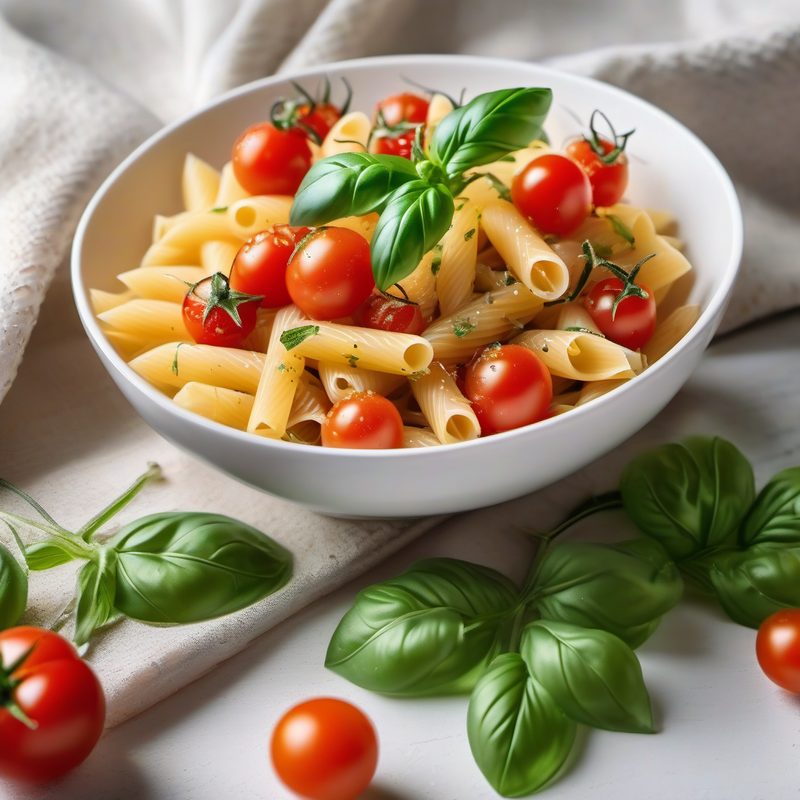
Pasta Kalettes Hazelnuts Cranberries
Category: Primi piatti
| Amount | Ingredient |
|---|---|
| 350 g | Dried pasta (e.g., fusilli) Or another short, curly shape that catches the sauce |
| 200 g | Kalettes (flower sprouts) Trimmed, halved lengthwise if large |
| 200 g | Carrots Peeled |
| 50 g | Hazelnuts Whole, skin-on |
| 30 g | Dried cranberries |
| 1 dl (scant ½ cup) | Semi-fat cream (for sauces) Or single cream, 15–20% fat |
| 1 tbsp | Olive oil Extra virgin |
| 1 tsp | Fine sea salt For the pasta water, plus more to taste |
| — | Black pepper Freshly ground |
Yield: 4 servings
Prep time: 15 min
Cook time: 15 min
Difficulty: Easy
A quick, colorful Italian pasta dish that pairs the gentle brassica sweetness of kalettes (flower sprouts) with toasted hazelnuts, chewy dried cranberries, and a light cream sauce — all tangled around curly fusilli for a satisfying weeknight primo.
Kalettes — those charming crosses between kale and Brussels sprouts — are the unexpected star here. Blanched briefly to tame their edge, they retain a pleasant bite and a mild, nutty flavor that plays beautifully with the toasted hazelnuts and tangy-sweet cranberries. Thin ribbons of carrot, cut with a vegetable peeler, sauté in olive oil until just tender, then everything comes together in a splash of semi-fat cream that coats the pasta without weighing it down. The result is a dish that feels special enough for company yet simple enough for a Tuesday night — proof that bold, balanced flavor doesn't require a long ingredient list or hours at the stove.
Kalettes can be substituted with halved Brussels sprouts or chopped kale (stems removed) if unavailable. If using Brussels sprouts, increase the blanching time to 3 minutes. The semi-fat cream provides enough richness without making the dish heavy — full cream will work but produces a thicker, richer sauce; whole milk can be substituted for a lighter version, though the sauce will be thinner. Dried sour cherries or chopped dried apricots make excellent stand-ins for the cranberries.
🥘 Equipment
- Large pot (for pasta)
- Medium saucepan or small pot (for blanching kalettes)
- Colander
- Large skillet or sauté pan (12-inch / 30 cm)
- Vegetable peeler
- Chef's knife
- Cutting board
- Small dry skillet (for toasting hazelnuts)
- Measuring cups and spoons
- Kitchen timer
📋 Preparation
Step 1 — Prep the Ingredients (10 min)
Bring a large pot of generously salted water to a rolling boil (use about 1 tablespoon of salt per 4 quarts / 4 liters of water — it should taste like the sea). Have a colander ready in the sink.
While the water comes to a boil, prepare the ingredients:
- Kalettes: Trim the very bottom of each stem if dry or woody. Halve any large kalettes lengthwise so all pieces are roughly the same size (about the size of a large grape).
- Carrots: Using a vegetable peeler, peel the carrots, then continue shaving them lengthwise into long, thin ribbons. Stop when you reach the core — the thin inner strip can be finely julienned separately or reserved for another use.
- Hazelnuts: Coarsely chop the hazelnuts — aim for pieces about the size of a pea, with some smaller bits and a few larger ones for varied texture.
- Cranberries: If the dried cranberries are very large or clumped together, roughly chop them so they distribute evenly through the dish.
The carrot ribbons are the trickiest bit: use a Y-shaped vegetable peeler (a swivel peeler will work but takes more effort) and apply steady, even pressure. Long, wide ribbons look beautiful in the finished dish and soften in just minutes of cooking. If the ribbons are very long (longer than the skillet diameter), cut them crosswise into 3–4 inch lengths for easier tossing. 🥕
Step 2 — Blanch the Kalettes (3 min)
Once the salted water is boiling, drop the kalettes into the pot and cook for exactly 2 minutes. They should turn a brighter, deeper green and become just tender — a knife tip should meet slight resistance, not mush.
Immediately transfer the kalettes to the colander using a slotted spoon or small strainer (reserve the boiling water for the pasta). Rinse briefly with cold water to stop the cooking, or spread them out on a plate to cool. Pat dry gently with a clean kitchen towel.
Blanching tames kalettes' raw brassica edge and softens their leaves without destroying their structure. Two minutes is the sweet spot — underblanched and they'll be tough; overblanched and they'll disintegrate when tossed with the pasta. If you're using halved Brussels sprouts instead, give them 3 minutes. 🌿
Step 3 — Cook the Pasta (9–11 min)
Return the same pot of salted boiling water to a vigorous boil. Add the 350 g pasta and cook according to the package directions until al dente — typically 9–11 minutes for dried fusilli.
While the pasta cooks, proceed with the remaining steps. Before draining, reserve about 1 cup (250 ml) of pasta cooking water — the starchy water is invaluable for loosening the sauce if it becomes too thick.
Set a timer for 2 minutes before the recommended cook time and start tasting. Al dente pasta should offer a slight, pleasant resistance at the center — a tiny white dot when you bite a piece in half. The pasta will continue cooking briefly in the hot sauce, so err on the side of slightly underdone. 🍝
Step 4 — Toast the Hazelnuts (3 min)
While the pasta cooks, place the chopped hazelnuts in a small dry skillet over medium heat. Cook, shaking the pan frequently or stirring with a wooden spoon, until the nuts are fragrant and lightly golden — about 2–3 minutes. The color deepens quickly once toasting begins, so watch carefully and remove from heat the moment you smell their nutty aroma.
Transfer the toasted hazelnuts to a small bowl to cool. Toasting brings out their essential oils and transforms flat, raw nuts into crunchy, aromatic jewels for the finished dish.
Hazelnuts go from perfectly toasted to burnt in seconds. When you first smell a warm, nutty fragrance and see a shade darker than raw, remove them immediately. Let them cool completely — they'll crisp up as they cool. If you're in a rush, spread them on a cool plate to speed the process. 🔥
Step 5 — Sauté the Carrots (3 min)
In a large skillet, heat 1 tablespoon of olive oil over medium-high heat until shimmering. Add the carrot ribbons and sauté, tossing gently with tongs or a wooden spoon, until just tender and lightly wilted — about 2 minutes. The carrots should be bright orange, pliable, and slightly softened but not limp. Season with a pinch of salt and a few grinds of black pepper.
Carrot ribbons cook remarkably fast — they need only 2 minutes in a hot pan. Toss them gently to avoid tearing the delicate ribbons. If they clump together, separate them with tongs. The goal is tender-but-structured, not mushy. 🥕
Step 6 — Combine and Finish (3 min)
Reduce the heat to medium-low. Add the blanched kalettes and cooked pasta to the skillet with the carrots. Toss everything together gently to combine and warm through — about 1 minute.
Pour in the cream and dried cranberries, then toss again to coat every strand and piece of pasta evenly. Cook for another 1–2 minutes, stirring gently, until the cream has thickened slightly and everything is heated through. If the sauce seems too thick, add a splash of the reserved pasta cooking water (a tablespoon at a time) until it reaches a silky, flowing consistency that clings to the pasta without pooling.
Taste and adjust seasoning with salt and black pepper. The cream and cranberries will have added some sweetness, so you may want an extra pinch of salt or an extra grind of pepper to brighten the flavors.
The pasta cooking water is your secret weapon — its starch helps bind the cream to the pasta and gives the sauce body without making it gluey. Add it sparingly; you can always add more, but you can't take it away. The finished dish should be creamy but not soupy — every piece of pasta should be lightly coated. 🥣
Step 7 — Plate and Serve (2 min)
Divide the pasta among four warm bowls or plates. Sprinkle each portion generously with the toasted chopped hazelnuts, distributing them evenly so every bite gets a bit of crunch.
Serve immediately, while the pasta is hot and the cream is still silky. This dish does not reheat well — the cream sauce can separate and the kalettes will lose their texture — so enjoy it straight from the pan.
The contrast of textures is what makes this dish sing: tender pasta, soft kalettes and carrots, chewy-sweet cranberries, and crunchy hazelnuts. Garnish with a few extra carrot ribbons or a tiny pinch of flaky sea salt on top if you like — it adds visual appeal and a final pop of flavor. 🍽️
🧑🍳 Chef's Tips
- Cut the kalettes to size. Halve large kalettes lengthwise so they cook evenly and fit comfortably on a fork. Tiny kalettes can stay whole — they look charming and make the dish feel more rustic.
- Reserve pasta water generously. Even if you think you won't need it, save a full cup. Pasta water is the single best tool for adjusting sauce consistency — it's already salted and full of starch, so it seasons and thickens simultaneously.
- Don't skip the hazelnut toasting. Raw hazelnuts are bland and slightly chewy; toasted hazelnuts are fragrant, crunchy, and exponentially more flavorful. This is a non-negotiable step that takes just 2 minutes.
- Use a Y-peeler for the carrots. A Y-shaped (speed) peeler produces wider, more even ribbons than a straight swivel peeler. The wider ribbons look more elegant and have a better texture in the finished dish.
- Warm the bowls. Cold bowls will cool this pasta down in seconds. Warm your serving bowls in a low oven (150°F / 65°C) or fill them with hot water while you finish cooking, then dry just before plating.
- Cranberries add acid-sweetness. Dried cranberries are not just sweet — they have a pleasant tartness that cuts through the cream and balances the earthy kalettes. If your cranberries are very sweet (some brands sugar-pack them), use a little less and finish with a squeeze of lemon juice for brightness.
- Try different pasta shapes. Fusilli's spirals are ideal for catching the cream and small bits of kalette and cranberry, but this dish also works beautifully with orecchiette, conchiglie (shells), gemelli, or farfalle.
❌ Common Mistakes
| Mistake | Why It Happens | How to Avoid |
|---|---|---|
| Kalettes are bitter or tough | Overcooked or undercooked during blanching | Blanch for exactly 2 minutes — they should be tender but al dente; shock in cold water to stop cooking |
| Sauce is thin and watery | Not enough reduction, or pasta dripped water into the pan | Drain pasta well before adding; let the cream simmer briefly to thicken; use reserved pasta water sparingly |
| Sauce is thick and gluey | Too much starch from pasta water, or cream reduced too far | Add pasta water 1 tablespoon at a time; keep the heat medium-low; the sauce should coat, not clump |
| Cranberries are hard and chewy | Added dry without any liquid to rehydrate them | The cream and residual pasta water will soften them during the brief cooking — if they're still too firm, soak them in warm water for 5 minutes before using |
| Hazelnuts are burnt or raw | Not watched carefully during toasting | Toast over medium heat, shake the pan frequently, and remove at first whiff of nutty fragrance |
| Carrot ribbons tear during cooking | Overcooked or handled too aggressively | Sauté for only 2 minutes; use tongs gently for tossing; cut very long ribbons in half crosswise |
| Pasta is gluey or clumpy | Overcooked, or not tossed immediately with sauce | Cook to al dente; drain well; toss with sauce immediately while everything is hot |
| Dish is bland | Not enough salt in pasta water or final seasoning | Salt the pasta water generously (1 tbsp per 4 quarts); taste and adjust before serving |
🔗 Related Recipes
- Pasta with Brussels Sprouts, Pancetta, and Pecorino (#101) — Another brassica-centric pasta, this one with crispy pancetta, garlic, and sharp pecorino for a savory, umami-forward alternative
- Creamy Walnut and Gorgonzola Pasta (#175) — A rich, nutty cream-sauce pasta that shares the same warming, autumnal spirit
- Orecchiette with Broccoli Rabe and Sausage (#87) — A classic Pugliese pasta with the bitter greens family, spicy sausage, and breadcrumbs
- Pasta alla Norma (#108) — Sicilian pasta with eggplant, tomatoes, and ricotta salata — another quick, vegetable-forward primo
🍷 Wine Pairing
- Verdicchio dei Castelli di Jesi — A crisp, mineral-driven white from the Marche region with notes of green apple, almond, and a characteristic bitter-almond finish. Its bright acidity cuts through the cream while its nutty undertones echo the toasted hazelnuts. Serve slightly chilled (8–10°C / 46–50°F).
- Soave Classico (Inama or Pieropan) — A classic Veneto white with delicate notes of white flowers, pear, and flinty minerality. The wine's moderate body and clean finish complement the cream sauce without overpowering the delicate kalettes and carrots.
- Pinot Grigio (Alto Adige) — A more mineral, structured Pinot Grigio with notes of white peach, citrus zest, and a saline finish. The wine's acidity and minerality provide a refreshing contrast to the creamy, nutty pasta.
- Gavi di Gavi (La Scolca) — A Piedmontese white made from Cortese grapes, offering lemon zest, green melon, and almond notes with a crisp, persistent finish. Its freshness balances the richness of the cream.
- Franciacorta Brut (non-vintage) — For a celebratory pairing, the fine bubbles and crisp acidity of Franciacorta cut through the cream beautifully while the wine's almond and brioche notes harmonize with the toasted hazelnuts. The bubbles also refresh the palate between bites.
- Alternative: Dry Riesling (Pfälz or Clare Valley) — A dry, steely Riesling with pronounced citrus and green apple flavors provides a bracing counterpoint to the creamy sauce and matches the dish's vibrant, fresh character. Avoid off-dry or sweet Rieslings — the cranberries already add a touch of sweetness.
🏷️ Search Tags
📸 Photo Reference
Photo reference: `vol1_298.png` — An overhead or slightly angled shot of a wide, shallow white ceramic bowl filled with fusilli pasta in a light cream sauce. The pasta is loosely tangled with bright green kalettes (their layered leaves visible and lightly coated in sauce), delicate orange carrot ribbons, and scattered deep-red dried cranberries. A generous scattering of golden-brown toasted hazelnut pieces sits on top, catching the light. The cream sauce pools slightly at the bottom of the bowl — pale ivory with faint green and orange traces from the vegetables. The pasta is piled in a relaxed, natural mound, not tightly arranged. Beside the bowl: a small linen napkin, a few whole raw kalettes and a single carrot with peeler resting on the wooden surface, and a small ramekin of extra toasted hazelnuts. A fork with a twirl of pasta rests on the bowl's rim. The lighting is warm and natural — late afternoon sun from a large window, casting gentle shadows across the table. The mood is cozy, rustic, and inviting — an Italian autumnal supper, simple and nourishing.
Recipe from "The Italian Kitchen" by Vita Milanese — Volume 1: Pasta Perfetto 🍝
Recipe from The Italian Kitchen by Vita Milanese — Volume 1 · Pasta Perfetto. Discover all volumes on the ebook page.