Frittatine Pasta Napoletane
Crispy, golden, and gloriously indulgent—these Neapolitan street-food croquettes transform leftover pasta into the most irresistible handheld snack you've never made. Tender short pasta is bound with eggs, Parmigiano, and milk, studded with ham, sweet peas, and cubes of fresh mozzarella, then breaded and fried to a shatteringly crisp exterior that gives way to a warm, cheesy, pull-apart center. They're the pasta frittata's sophisticated cousin—and the reason Neapolitans know that yesterday's spaghetti makes the best possible tomorrow's lunch.
| Amount | Ingredient |
|---|---|
| 10 oz (300 g) | Mixed short pasta (such as mezze rigatoni, penne, fusilli, or farfalle) |
| 5 oz (150 g) | Deli-sliced cooked ham, cut into ¼-inch (6 mm) dice |
| ¾ cup (100 g) | Frozen peas, thawed |
| 7 oz (200 g) | Fresh whole-milk mozzarella, drained and cut into ¼-inch (6 mm) dice |
| 3 large | Eggs |
| ½ cup (50 g) | Freshly grated Parmigiano-Reggiano |
| ⅓ cup (80 ml) | Whole milk |
| 1½ cups | Fine dried breadcrumbs (plain, not seasoned) |
| Kosher salt and freshly ground black pepper | |
| About 4 cups (1 L) | Vegetable or peanut oil, for frying |
These frittatine are a beloved fixture of Neapolitan friggitorie—the small fried-food shops that dot the alleyways of Naples, where glass cases overflow with arancini, zeppole, and these golden pasta cakes. Born from the thrifty Italian tradition of riciclo (kitchen recycling), they elevate leftover pasta into something worthy of its own occasion. The formula is brilliantly simple: cook fresh pasta just shy of al dente, bind it with a custard-like mixture of eggs, Parmigiano, and milk, and stud it with ham, peas, and mozzarella before shaping, breading, and frying to a deep golden brown. The result is a crisp, craggly crust that shatters at the first bite, revealing a tender, cheesy, steaming interior where the mozzarella has melted into hidden pockets of stretchy goodness. Serve them as an antipasto, a party appetizer, a game-day snack, or a main course with a bright salad—they disappear in minutes, no matter the occasion.
Use level tablespoons and standard US measuring cups. All produce is medium unless specified. The mozzarella must be fresh, whole-milk mozzarella packed in water—not the low-moisture, part-skim blocks used for pizza, which won't melt into the same creamy, stretchy pockets.
🥘 Equipment
- Large pot (6 qt / 6 L minimum) for boiling pasta
- Colander
- Large mixing bowl
- Chef's knife and cutting board
- Measuring cups and spoons
- Microplane or fine grater (for Parmigiano)
- Small skillet or saucepan (for testing oil temperature)
- Dutch oven, deep sauté pan, or high-sided skillet (for frying)
- Spider skimmer or slotted spoon
- Sheet pan lined with paper towels
- Wire rack set over a baking sheet (optional, for draining)
- Instant-read or deep-fry thermometer (highly recommended)
📋 Preparation
Step 1 — Cook the Pasta (8–10 minutes)
Bring a large pot of generously salted water (about 1½ tablespoons kosher salt per 4 quarts of water) to a rolling boil over high heat.
Add the mixed short pasta and cook until al dente according to the package directions—typically 8 to 10 minutes, depending on the shape. You want the pasta tender but still firm to the bite, since it will absorb more liquid from the egg mixture and soften slightly as it cools.
Drain the pasta well in a colander. Do not rinse. Spread it out on a large baking sheet or platter in a thin, even layer and let it cool until warm but no longer steaming—10 to 15 minutes. Toss it once or twice with a fork to prevent clumping.
Cooling the pasta before mixing is essential. If you combine hot pasta with the eggs, the eggs will begin to cook on contact, creating scrambled-egg clumps throughout the mixture instead of a smooth, cohesive binder. Let it cool to just barely warm—like a comfortable bath temperature.
Step 2 — Prepare the Mix-Ins (5 minutes)
While the pasta cools, prep your add-ins:
Dice the ham: Stack the deli-sliced cooked ham slices, cut them into ¼-inch-wide strips, then crosswise into ¼-inch dice. You should have about 1 cup.
Dice the mozzarella: Drain the fresh mozzarella and pat it dry with paper towels. Cut it into ¼-inch dice. If the mozzarella is very wet, let the diced pieces rest on a paper towel-lined plate for a few minutes to absorb excess moisture.
Thaw the peas: If using frozen peas (recommended), place ¾ cup of frozen peas in a fine-mesh strainer and run warm tap water over them for 30 seconds. Shake off excess water and set aside.
Dry mozzarella is crucial. Wet mozzarella releases water into the pasta mixture during shaping and especially during frying, creating steam pockets that can cause the croquettes to burst open in the oil. Pat, press, and blot until your diced mozzarella feels dry to the touch.
Step 3 — Make the Pasta Mixture (5 minutes)
In a large mixing bowl, whisk together 3 large eggs, ½ cup of freshly grated Parmigiano-Reggiano, and ⅓ cup of whole milk until smooth and well combined. Season with ½ teaspoon of kosher salt and ¼ teaspoon of freshly ground black pepper.
Add the cooled pasta, diced ham, thawed peas, and diced mozzarella to the bowl. Using a rubber spatula or large wooden spoon, fold everything together gently but thoroughly until every piece of pasta is coated in the egg mixture and the ham, peas, and mozzarella are evenly distributed. The mixture should look like a cohesive, slightly sticky, custard-coated pasta salad.
Fold gently—you want to keep the mozzarella cubes intact. If you stir too aggressively, the mozzarella will break into smaller pieces and disappear into the mixture instead of remaining as distinct melty pockets. The goal is every croquette to contain a few visible cubes of mozzarella.
Step 4 — Shape the Croquettes (5 minutes)
Line a large baking sheet or platter with parchment paper.
Using slightly moistened hands (to prevent sticking), scoop about a generous ⅓ cup (about 3 oz / 85 g) of the pasta mixture. Gently shape it into a thick, slightly flattened patty—about 3 inches (7.5 cm) wide and ¾ inch (2 cm) thick. The shape should resemble a small crab cake or a thick, round cookie. Repeat with the remaining mixture.
You should get about 12 croquettes. Arrange them on the prepared baking sheet in a single layer without touching.
Moist hands are the trick. The eggy mixture is sticky, and dry hands will have you fighting with the pasta. Keep a small bowl of cool water nearby and dip your palms between each croquette. A gentle hand is important, too—pack the croquettes firmly enough that they hold their shape, but not so tightly that they become dense and heavy.
Step 5 — Bread the Croquettes (5 minutes)
Place 1½ cups of fine dried breadcrumbs in a shallow dish or pie plate.
Working one at a time, gently place each croquette into the breadcrumbs. Using your fingers, sprinkle breadcrumbs over the top, then gently press to adhere. Carefully flip the croquette and repeat on the other side. Gently pat the sides to coat the edges. The goal is a thin, even, all-over coating—not a thick, clumpy crust.
Return each breaded croquette to the parchment-lined baking sheet. Once all croquettes are breaded, refrigerate, uncovered, for at least 15 minutes (or up to 2 hours). This firms up the coating and helps it stay on during frying.
The cold rest is non-negotiable. Chilling the breaded croquettes sets the egg binder and allows the breadcrumbs to adhere firmly. Croquettes fried straight from shaping are prone to shedding their breading in the oil. Fifteen minutes in the fridge makes all the difference between a clean, golden crust and a greasy, breadcrumb-clouded frying experience.
Step 6 — Fry the Croquettes (8–10 minutes)
Pour about 1½ inches (4 cm) of vegetable or peanut oil into a Dutch oven or high-sided heavy skillet—enough to come about halfway up the sides of the croquettes. Heat the oil over medium-high heat until it reaches 350°F (175°C) on an instant-read thermometer.
If you don't have a thermometer, drop a single breadcrumb into the oil. If it sizzles vigorously and floats to the surface within 2 seconds, the oil is ready. If it sinks and sits silently, wait longer. If it burns immediately, lower the heat and let the oil cool slightly.
Working in two batches (6 croquettes per batch), carefully lower each croquette into the hot oil using a spider skimmer or slotted spoon. Do not crowd the pan—the croquettes need room to brown evenly and the oil temperature will drop too much if the pan is overloaded.
Fry, turning once halfway through with a slotted spoon or tongs, until the croquettes are deep golden brown and crisp on all sides—4 to 5 minutes per batch. The internal temperature should reach 165°F (74°C)—the mozzarella inside will be fully melted and the pasta heated through.
Using the spider skimmer or slotted spoon, transfer the fried croquettes to a paper towel-lined sheet pan or, better yet, a wire rack set over a baking sheet. Immediately season with a light sprinkle of flaky sea salt. Let them rest for 2 minutes before serving—the mozzarella inside is molten-hot.
The wire rack is better than paper towels: it prevents the bottoms from steaming and getting soggy as they cool. If you must use paper towels, flip the croquettes after 30 seconds so both sides get a chance to drain. And don't skip salting them immediately out of the oil—that moment is the only time the salt will stick to the hot, oily surface.
Step 7 — Serve
Arrange the croquettes on a warm platter or individual plates. Serve immediately, while the exterior is shatteringly crisp and the mozzarella interior is still hot and stretchy.
A light dusting of additional freshly grated Parmigiano-Reggiano and a scattering of freshly cracked black pepper just before serving adds a final flourish. Lemon wedges on the side are traditional and welcome—a squeeze of bright acidity cuts through the richness beautifully.
🧑🍳 Chef's Tips
- Use the right pasta shape. Short, sturdy shapes with ridges or holes—mezze rigatoni, penne, fusilli, farfalle, or cavatappi—hold the egg mixture and create a craggly, textured surface that breadcrumbs cling to beautifully. Spaghetti and other long strands are too slippery and difficult to shape. The "mista" (mixed) pasta traditional in Naples is exactly that—whatever odds and ends you have in the pantry, as long as they're short shapes.
- Drain the mozzarella thoroughly and dice it small. Excess moisture from wet mozzarella is the single most common cause of croquettes that burst open in the fryer. Pat the mozzarella dry with paper towels before and after dicing, then let the diced pieces rest on a paper towel while you prepare everything else. The drier the mozzarella, the cleaner the fry.
- Don't skip the cold rest after breading. Fifteen minutes in the refrigerator sets the egg binder, firms up the croquettes for easier handling, and makes the breadcrumb coating adhere through the violent agitation of hot oil. Breading that falls off in the oil is almost always due to skipping this step.
- Keep the oil at a steady 350°F (175°C). Too cool, and the croquettes absorb oil like sponges, emerging greasy and heavy. Too hot, and the breadcrumbs burn before the mozzarella inside has a chance to melt. Use a thermometer, and let the oil come back up to temperature between batches.
- Make extra—they disappear fast. These croquettes are wildly popular with both kids and adults. The batch of 12 may serve 4 as a main course, but if you're serving them as appetizers or at a party, double the recipe. Cold, leftover frittatine are rare, but those that survive can be reheated in a 375°F oven for 8 minutes—they'll crisp right back up.
❌ Common Mistakes
| Mistake | Why It Hurts | The Fix |
|---|---|---|
| Using hot pasta in the egg mixture | The eggs begin to cook on contact, creating clumps of scrambled egg throughout the mixture instead of a smooth, cohesive binder | Let the cooked pasta cool until just barely warm (like a comfortable bath temperature) before mixing — spread it on a baking sheet to speed cooling |
| Overcrowding the frying pan | The oil temperature plummets, the croquettes steam instead of fry, and they absorb excess oil, becoming greasy and heavy | Fry in batches of 6 or fewer — the croquettes need room to swim freely without touching |
| Shaping the croquettes too thick | The outside browns and burns before the mozzarella in the center has time to melt | Shape into flat, disc-like patties about ¾ inch (2 cm) thick — they'll cook through evenly |
| Using low-moisture mozzarella | It doesn't melt into those irresistible gooey pockets — it turns into tough, rubbery bits inside the croquette | Use fresh whole-milk mozzarella packed in water — the kind sold in balls or logs at the deli counter |
| Packing the mixture too tightly | The croquettes become dense, heavy, and cake-like instead of light and tender | Shape gently — the pasta pieces should be bound but not compressed; a light hand keeps the texture delicate |
| Frying at too low a temperature | The breadcrumb coating absorbs oil instead of crisping, resulting in pale, greasy croquettes | Maintain a steady 350°F (175°C) — use a thermometer and allow the oil to recover between batches |
| Skipping the cold rest after breading | The breadcrumb coating slides off during frying, clouding the oil and leaving bare patches on the croquettes | Refrigerate the breaded, uncooked croquettes for at least 15 minutes (up to 2 hours) uncovered |
| Not salting immediately after frying | The salt has nothing to stick to once the croquettes cool — they taste under-seasoned no matter how much you add later | Sprinkle flaky sea salt on the croquettes within 10 seconds of them coming out of the oil |
💡 Variations
| Variation | How To |
|---|---|
| Swap the Ham for Salami | Substitute 5 oz (150 g) of finely diced soppressata, Genoa salami, or spicy capicola for the cooked ham. The bold, peppery, cured flavor adds a punchy, Southern Italian character that pairs beautifully with the mozzarella |
| Add Sautéed Mushrooms | Finely dice 4 oz (115 g) of cremini mushrooms and sauté them in 1 tablespoon of olive oil over medium-high heat until all their moisture evaporates and they begin to brown, about 5 minutes. Let cool, then fold into the pasta mixture for an earthy, umami-rich variation |
| Make it Vegetarian | Omit the ham entirely and add an extra ½ cup of thawed frozen peas plus ¼ cup of finely chopped sun-dried tomatoes (oil-packed, drained). The sweet peas and tangy, concentrated tomatoes create a vibrant, meatless version that's every bit as satisfying |
| Spicy Arrabbiata Version | Add 1 teaspoon of red pepper flakes and 2 tablespoons of finely chopped fresh parsley to the pasta mixture. Serve with warm marinara sauce for dipping. The heat cuts through the richness and adds a Calabrian-inspired kick |
| Baked Version (Lighter) | Instead of frying, arrange the breaded croquettes on a parchment-lined baking sheet, brush or spray generously with olive oil, and bake at 400°F (200°C) for 18 to 22 minutes, flipping halfway through, until golden and crisp. They won't be quite as shatteringly crunchy as the fried version, but they're substantially lighter at about 320 calories per serving |
| Go Gluten-Free | Use gluten-free short pasta (rice or corn-based shapes work best) and substitute gluten-free breadcrumbs or crushed gluten-free crackers for the breadcrumb coating. Handle the croquettes gently — GF pasta is more fragile and the shapes may be less cohesive |
| Add Aromatic Herbs | Fold 2 tablespoons of finely chopped fresh parsley, 1 tablespoon of fresh basil, and 1 teaspoon of fresh oregano into the pasta mixture. The herbs brighten the rich, eggy, cheesy base and add a fresh, garden-like dimension |
| Smoked Mozzarella | Replace half the fresh mozzarella with smoked mozzarella (scamorza affumicata). The subtle, woodsy smokiness transforms the flavor profile into something closer to a sophisticated appetizer |
| Ricotta & Spinach Variation | Reduce the mozzarella to 4 oz (115 g) and add ½ cup of whole-milk ricotta and ½ cup of thawed, squeezed-dry frozen chopped spinach. The ricotta adds creaminess and the spinach adds color and nutrition |
❄️ Storage & Leftovers
| Method | Details |
|---|---|
| Refrigerator (Uncooked) | Breaded, uncooked croquettes can be refrigerated on a parchment-lined baking sheet, tightly wrapped in plastic wrap, for up to 24 hours. Fry directly from the refrigerator — no need to bring to room temperature |
| Refrigerator (Cooked) | Store leftover fried croquettes in an airtight container for up to 2 days. The breading will soften over time, but gentle reheating can restore much of the crunch |
| Reheating | The oven method is far superior to the microwave. Arrange leftover croquettes on a wire rack over a baking sheet and reheat at 375°F (190°C) for 8 to 10 minutes, flipping once, until the exterior is crisp again and the interior is hot. An air fryer also works beautifully: 375°F (190°C) for 4 to 5 minutes. Avoid the microwave — it turns the breading soggy and the mozzarella rubbery |
| Freezing (Uncooked) | Breaded, uncooked croquettes freeze exceptionally well. Arrange them in a single layer on a parchment-lined baking sheet and freeze until solid, about 2 hours. Transfer to a freezer-safe bag or container, layered with parchment paper to prevent sticking, for up to 3 months. Fry directly from frozen, adding 1 to 2 minutes to the frying time and keeping the oil temperature steady |
| Freezing (Cooked) | Not recommended. The breading loses its crunch upon thawing, and the reheated texture is significantly inferior to freshly fried or frozen-uncooked croquettes |
🍷 Wine Pairing
| Wine | Why |
|---|---|
| Greco di Tufo (Campania) | A crisp, mineral-driven white from the same region as these frittatine. Its bright acidity, subtle almond notes, and hints of green apple cut through the richness of the fried breading and melted mozzarella like a palate-cleansing ray of sunshine. The perfect pairing for the purist — and it's practically from Naples' backyard |
| Falanghina del Sannio (Campania) | Rounder and more fruit-forward than Greco, with ripe pear, white peach, and a touch of honeyed richness. Its generous body stands up to the eggs and Parmigiano without being overwhelmed, while its refreshing finish keeps each bite feeling light |
| Gragnano (Red Wine from Campania) | A light, slightly fizzy, chillable red from the Sorrento peninsula — the traditional pairing for Neapolitan street food. Served slightly cool (55°F / 13°C), its low tannins, bright cherry fruit, and gentle spritz make it the single best red-wine match for fried food in all of Italy |
| Lacryma Christi del Vesuvio Rosso (Campania) | A medium-bodied red with notes of dark cherry, volcanic minerality, and a subtly smoky finish that echoes the golden-brown crust of the croquettes. The earthy, savory character complements the ham and Parmigiano without overpowering the delicate pasta interior |
| Franciacorta Brut (Lombardy) | Italy's answer to Champagne is a spectacular pairing for fried anything. The fine, persistent bubbles and bracing acidity scrub the palate clean of fat between each bite, resetting you for the next perfect, crispy mouthful. Serve well-chilled |
| Verdicchio dei Castelli di Jesi (Marche) | A medium-bodied white with a distinctive bitter-almond finish that stands up beautifully to the fried breading. Its savory, saline character and lively acidity make each sip a palate refresher |
🍺 Beer Pairing
| Beer | Why |
|---|---|
| Italian Pilsner (Peroni, Moretti) | A cold, crisp Italian lager is the simplest and most satisfying pairing. The clean, dry finish and gentle hop bitterness cut through the richness of the fried breading and melted cheese like a culinary eraser. Serve ice-cold — the lower the temperature, the better the contrast |
| Neapolitan-Style Pale Ale | A lightly hopped American or Italian pale ale with moderate bitterness complements the salty ham and nutty Parmigiano. The subtle citrus notes play off the peas and add a fresh dimension. Avoid heavily hopped IPAs — they overwhelm the delicate interior |
| Belgian Witbier or Hefeweizen | The cloudy, spicy, citrusy character of a witbier or hefeweizen is a surprisingly excellent match. The coriander and orange peel notes in a witbier echo the sunny flavors of Southern Italy, while the creamy body and low bitterness let the croquettes stay the star |
| Vienna Lager (Dos Equis Amber or Negra Modelo) | A maltier lager with toasted bread and caramel notes that harmonize with the golden-brown breadcrumb crust. The moderate body and smooth finish make it an easy-drinking companion for a plate of frittatine |
🥗 Suggested Side Dishes
- Simple arugula salad with lemon vinaigrette — Peppery wild arugula tossed with fresh lemon juice, good olive oil, flaky salt, and shaved Parmigiano. The sharp, peppery greens cut through the richness of the fried croquettes like a palate reset between every bite
- Marinated cherry tomatoes with basil and garlic — Halved cherry tomatoes marinated at room temperature with extra-virgin olive oil, thinly sliced garlic, fresh basil, and a splash of red wine vinegar. The bright, acidic, garlicky tomatoes offer a fresh, uncooked counterpoint to the crispy, fried croquettes
- Lemon wedges and flaky salt — Sometimes the simplest side is the best. A plate of lemon wedges for squeezing and a small bowl of flaky sea salt for sprinkling let each person customize every bite. The acid and salt are transformative
- Giardiniera (pickled Italian vegetables) — The tangy, spicy, vinegary crunch of giardiniera — pickled cauliflower, carrots, celery, and peppers — is a classic Neapolitan accompaniment to fried foods. The acidity cuts through the oil and refreshes the palate
- Roasted bell peppers with anchovy vinaigrette — Strips of roasted red and yellow bell peppers dressed with a simple anchovy-garlic vinaigrette. The sweet, smoky peppers and salty, umami-packed dressing create a perfect savory contrast
- Warm marinara sauce for dipping — A simple, quick marinara (canned San Marzano tomatoes crushed by hand and simmered with garlic, olive oil, and basil) served on the side for dipping turns these croquettes into a full meal
- Fennel and orange salad — Thinly sliced raw fennel bulb tossed with orange segments, extra-virgin olive oil, flaky salt, and black olives. Crunchy, bright, and refreshing, it offers a clean, palate-cleansing note between each rich, cheesy croquette
📊 Nutrition (per serving, estimated)
| Calories | Protein | Fat | Carbs | Fiber |
|---|---|---|---|---|
| 455 | 22 g | 24 g | 38 g | 3 g |
Nutrition values are estimates based on 4 servings (3 croquettes each) using 10 oz dried short pasta, 5 oz ham, 7 oz fresh mozzarella, 3 large eggs, ½ cup Parmigiano-Reggiano, ⅓ cup whole milk, 1½ cups breadcrumbs, and assuming approximately 2 tablespoons of oil absorption during frying. Actual values will vary based on specific ingredients, oil absorption, and portion sizes. The baked variation reduces calories to approximately 320 per serving.
❓ Frequently Asked Questions
Can I make these with leftover pasta?
Absolutely — this is the traditional use. Leftover spaghetti, linguine, or any short pasta from the night before works beautifully. The pasta should be at room temperature, not refrigerator-cold. If using long pasta like spaghetti, roughly chop it into 2-inch lengths with kitchen shears before mixing — it makes shaping much easier. And since leftover pasta is already fully cooked, skip Step 1 and proceed directly to Step 2.
Why did my croquettes fall apart in the oil?
This usually happens for one of three reasons: (1) the pasta mixture was too dry — the eggs and milk are the binder, so make sure every piece of pasta is well coated; (2) the croquettes weren't chilled after breading — the 15-minute cold rest is essential for setting the binder; (3) the oil wasn't hot enough — at 350°F (175°C), the breadcrumbs set almost instantly, forming a protective shell; below 325°F, the coating absorbs oil and softens instead of crisping.
Can I use gluten-free breadcrumbs?
Yes. Gluten-free breadcrumbs work well as a coating. Panko-style gluten-free breadcrumbs (made from rice flour or corn) create an especially crispy crust. Handle the croquettes gently — gluten-free breadcrumbs are more fragile and may shed more easily. The 15-minute cold rest is even more important with GF breadcrumbs.
Can I air-fry these instead of deep-frying?
Yes. Preheat your air fryer to 375°F (190°C). Lightly spray or brush the breaded croquettes with olive oil on all sides. Arrange them in a single layer in the air fryer basket (work in batches if needed—don't overcrowd). Cook for 10 to 12 minutes, flipping halfway through, until golden and crisp. The crust won't be quite as shatteringly crunchy as deep-fried, but the result is still excellent and substantially lighter at about 320 calories per serving.
Can I use shredded mozzarella from a bag?
Technically yes, but the result will be different. Low-moisture, part-skim shredded mozzarella doesn't melt into those soft, stretchy, creamy pockets — it turns into small, rubbery beads inside the croquette. If that's all you have, use it, but fresh whole-milk mozzarella in water is one of the few cases where the premium ingredient genuinely transforms the final dish.
My croquettes came out greasy. What went wrong?
Greasy croquettes are almost always a temperature issue. If the oil is below 340°F (170°C), the breadcrumbs absorb oil instead of crisping. Use a thermometer and maintain a steady 350°F (175°C). Also make sure you're not crowding the pan — overcrowding drops the oil temperature dramatically. Finally, drain the fried croquettes on a wire rack rather than paper towels, which can trap steam and make the bottoms soggy.
What's the best pasta shape to use?
Short, chunky shapes with ridges or texture — mezze rigatoni, penne, fusilli, cavatappi, or farfalle — are ideal. Their nooks, crannies, and holes trap the egg mixture and create a naturally craggly surface for the breadcrumbs to grab onto. Avoid long strands (spaghetti, linguine) and tiny shapes (orzo, ditalini) — the former are impossible to shape and the latter don't provide enough texture.
🔗 Related Recipes
- Arancini (Sicilian Fried Rice Balls) (page 78)
- Crispy Baked Pasta Frittata (Frittata di Pasta al Forno) (page 89)
- Suppli al Telefono (Roman Fried Rice Croquettes) (page 76)
- Neapolitan Eggplant Parmigiana (Parmigiana di Melanzane alla Napoletana) (page 210)
- Mozzarella in Carrozza (Fried Mozzarella Sandwiches) (page 212)
- Calzone Fritto Napoletano (Fried Stuffed Pizza) (page 180)
- Pasta and Potatoes with Provolone (Pasta e Patate con Provola) (page 42)
- Zucchini and Mozzarella Fritters (Frittelle di Zucchine e Mozzarella) (page 215)
🏷️ Search Tags
📸 Photo Reference
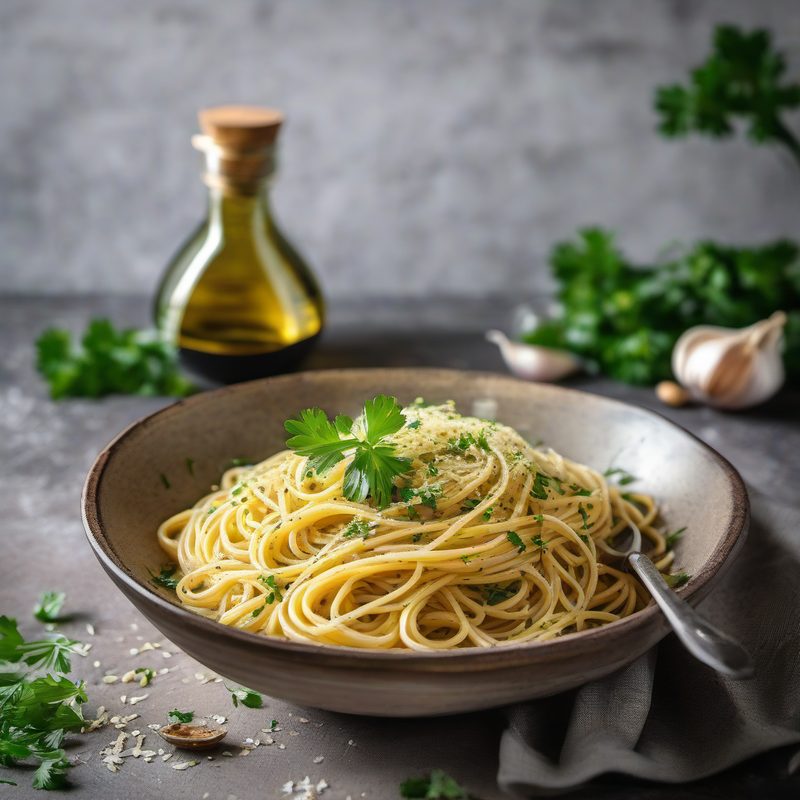
Photo reference: `vol1_102.png` — A warm ceramic platter piled high with a dozen golden-brown, craggly fried pasta croquettes. The exterior is deeply golden and shatteringly crisp, with visible breadcrumb texture. One croquette is halved to reveal the tender pasta interior studded with pink ham dice, green peas, and a molten, stretchy pocket of white mozzarella. A small bowl of bright red marinara sauce sits beside the platter for dipping. A few lemon wedges, a scattering of fresh basil leaves, and a light dusting of grated Parmigiano-Reggiano finish the composition. Shot at a 45-degree overhead angle in warm natural daylight on a rustic wooden table. Rustic, inviting trattoria-style presentation — the kind of dish that makes you reach for it before the photo is taken.
Recipe from "The Italian Kitchen" by Vita Milanese — Volume 1: Pasta Perfetto
Recipe from The Italian Kitchen by Vita Milanese — Volume 1 · Pasta Perfetto. Discover all volumes on the ebook page.