Cold Pasta Ricotta Avocado
A cool, creamy summer pasta that needs no stove-top sauce—just ripe avocado, fresh ricotta, and the brightest cherry tomatoes tossed with al dente pasta and crisp-tender green beans. It comes together in 30 minutes, requires no cooking beyond boiling pasta, and delivers a surprisingly luscious, spoonable sauce thanks to the emulsive power of avocado blended with creamy ricotta. The yellow and red cherry tomatoes add pops of sweetness and acidity, while fresh basil keeps everything bright. It's the ultimate no-sweat summer lunch.
| Amount | Ingredient |
|---|---|
| 12 oz (340 g) | Short pasta (fusilli, rotini, farfalle, or penne) |
| 1 cup (240 g) | Fresh whole-milk ricotta |
| 1 large | Ripe avocado |
| 1 cup (100 g) | Fresh green beans, trimmed and cut into 1-inch pieces |
| ½ cup (80 g) | Yellow cherry tomatoes, halved |
| ½ cup (80 g) | Red cherry or grape tomatoes, halved |
| 8–10 large leaves | Fresh basil, thinly sliced or torn, plus more for garnish |
| 3 tbsp (45 ml) | Extra-virgin olive oil, plus more for drizzling |
| Kosher salt and freshly ground black pepper |
This is the pasta salad you make when you want something that feels substantial—not like a sad desk lunch—but doesn't require you to stand over a hot stove. The technique is refreshingly simple: you boil the pasta and blanch the green beans in the same pot, then let cold water do the work. While everything cools, you mash a ripe avocado with fresh ricotta, olive oil, salt, and pepper into a silky, pale-green cream that clings to every piece of pasta. Halved cherry tomatoes—a mix of yellow and red for color and varying sweetness—add little bursts of juice, and the blanched green beans contribute a clean, vegetal crunch. Tossed together and finished with fresh basil, it's a cold pasta that actually excites the palate, not a mayonnaise-logged afterthought from a deli counter.
Use level tablespoons and standard US measuring cups. All produce is medium unless specified. Look for a California or Hass avocado that yields to gentle pressure at the stem end.
🥘 Equipment
- Large pot (6 qt / 6 L minimum) for boiling pasta
- Medium bowl for the ricotta-avocado cream
- Chef's knife and cutting board
- Colander
- Large serving bowl
- Fork or potato masher
- Measuring cups and spoons
- Salad servers or tongs
📋 Preparation
Step 1 — Cook the Pasta and Blanch the Green Beans (15 minutes, concurrent)
Bring a large pot of generously salted water (about 1½ tablespoons kosher salt per 4 quarts of water) to a rolling boil over high heat.
Add the pasta and cook according to package directions until al dente—typically 8 to 11 minutes depending on shape.
While the pasta cooks, add the green bean pieces to the boiling water during the last 5 minutes of the pasta cooking time. They should be bright green and tender-crisp—cooked through but still offering a clean snap when bitten.
Reserve ½ cup of the starchy pasta cooking water before draining. Drain the pasta and green beans together into a colander, then rinse immediately under cold running water until the pasta is cool to the touch (30 to 45 seconds). Shake off excess water and set aside.
Rinsing the pasta stops the cooking instantly and washes away surface starch, which is exactly what you want for a cold pasta salad—it keeps the strands separate and prevents them from clumping into a sticky mass as they cool. Reserve a little pasta water anyway; you may need a splash to thin the ricotta-avocado cream to a spoonable consistency.
Step 2 — Prepare the Green Beans and Tomatoes (5 minutes, concurrent with Step 1)
Trim and cut the green beans: If not already trimmed, snap or cut off the stem ends of the green beans. Cut the beans into 1-inch (2.5 cm) pieces. You should have about 1 cup.
Halve the tomatoes: Wash and dry the yellow cherry tomatoes and red cherry (or grape) tomatoes. Cut each tomato in half through the equator. Leave any tiny tomatoes whole—they'll burst pleasantly when bitten.
Using two colors of tomato isn't just for looks—yellow cherry tomatoes are milder and slightly sweeter than red ones, adding a subtle layering of acidity. If you can only find one color, any cherry or grape tomato works beautifully.
Step 3 — Make the Ricotta-Avocado Cream (3 minutes)
Cut the avocado in half lengthwise around the pit. Twist to separate, remove the pit, and scoop the flesh into a medium bowl.
Add the ricotta, 3 tablespoons of olive oil, ½ teaspoon of kosher salt, and a generous pinch of freshly ground black pepper.
Using a fork or potato masher, mash and stir until the mixture is smooth, creamy, and uniform in color—pale green with no large avocado chunks remaining. Taste and adjust salt—it should be well-seasoned enough to season the pasta.
The ricotta-avocado cream should be luscious and spoonable, like a thick dressing. If it seems too stiff, stir in 1 to 2 tablespoons of the reserved pasta water to loosen it. The starchy water helps the cream cling to the pasta.
Step 4 — Assemble the Salad (3 minutes)
In a large serving bowl, combine the cooled pasta and green beans with the ricotta-avocado cream. Toss gently with salad servers or tongs until every piece of pasta is coated in the creamy green sauce.
Add the halved cherry tomatoes and sliced or torn basil. Toss once more to distribute evenly.
Taste and adjust seasoning with additional kosher salt and a crack of freshly ground black pepper as needed.
The key here is gentle tossing—you want the ricotta-avocado cream to coat everything evenly without crushing the tender tomatoes or breaking the pasta. Use a folding motion rather than vigorous stirring.
Step 5 — Serve
Divide among chilled or room-temperature shallow bowls. Garnish each serving with extra basil leaves and a final drizzle of good extra-virgin olive oil over the top.
Serve immediately, at room temperature or slightly chilled—this salad is at its best within an hour of assembly.
Unlike mayonnaise-based pasta salads, this one doesn't improve with long chilling—the avocado can brown slightly and the ricotta can firm up. Serve it fresh for the brightest color, creamiest texture, and most vibrant flavor.
🧑🍳 Chef's Tips
- Use a perfectly ripe avocado—not too firm, not too soft. Underripe avocados won't mash into a creamy sauce; they'll leave gritty, hard chunks. Overripe ones can turn gray and develop off-flavors. The avocado should yield to gentle pressure at the stem end without feeling mushy. If it's slightly underripe, let it sit at room temperature for a day.
- Rinse the pasta thoroughly with cold water. Unlike hot pasta dishes where you want surface starch to help sauce cling, a cold pasta salad needs clean, separate strands that won't clump. Rinsing under cold running water also stops the cooking instantly, keeping the pasta perfectly al dente.
- Don't skip the reserved pasta water. Even though it's a cold dish, the starchy water helps thin the ricotta-avocado cream to exactly the right consistency so it coats the pasta instead of sitting in globs. Add it a tablespoon at a time until the cream looks glossy and spoonable.
- Fresh whole-milk ricotta makes a difference. The low-fat or part-skim versions are drier and grainier, and they won't blend into a smooth, luscious cream. Splurge on a good-quality whole-milk ricotta—it's the backbone of this sauce. Avoid ricotta from a tub labeled "ricotta impastata" (it's too dense and used for baking).
- Yellow and red tomatoes add more than just color. Yellow cherry tomatoes are milder, sweeter, and lower in acid than red ones—using both creates a subtle layering of flavor. If you can only find one variety, a full cup of either works perfectly.
- Blanch the green beans with the pasta, not separately. Dropping them into the same boiling water during the pasta's final 5 minutes saves you a pot and an extra step. The timing works beautifully for most pasta shapes.
- Chill the bowls for a summer presentation. Placing your serving bowls in the refrigerator for 15 minutes before plating keeps the pasta salad cool longer on a warm day—a small touch that makes a noticeable difference.
❌ Common Mistakes
| Mistake | Why It Hurts | The Fix |
|---|---|---|
| Using an underripe avocado | Won't mash into a creamy sauce; leaves hard, gritty chunks that ruin the texture | The avocado should yield gently to pressure at the stem end—firm but not rock-hard |
| Not rinsing the pasta | Surface starch makes the cold pasta clump together into sticky, unappealing clumps | Rinse thoroughly under cold running water immediately after draining; shake off excess |
| Overcooking the green beans | They turn olive-green, limp, and flavorless instead of bright and snappy | Add to the pasta water with 5 minutes left on the timer, then drain and rinse with the pasta |
| Making the salad too far in advance | The avocado can oxidize and turn brown; the ricotta firms up as it chills; the tomatoes release water and make the dish watery | Assemble within 1 hour of serving—this salad is best fresh, not made-ahead |
| Using low-fat ricotta | Watery, grainy texture that won't blend into a smooth cream | Use fresh whole-milk ricotta—the fat is essential for a luscious, clinging sauce |
| Skipping the salt in the ricotta-avocado cream | The cream tastes flat; pasta needs well-seasoned sauce since you rinsed away the cooking water's salt | Season the cream generously with ½ teaspoon kosher salt before mixing with the pasta |
| Adding the tomatoes before tossing | They get crushed by the vigorous tossing and release their juices, turning the cream pink and watery | Add the tomatoes after the cream is evenly distributed; fold them in with a gentle final toss |
| Dressing the pasta while it's still warm | The ricotta-avocado cream will melt and slide off the pasta instead of clinging to it | Make sure the pasta is fully cooled to room temperature before adding the cream |
💡 Variations
| Variation | How To |
|---|---|
| Add Grilled Chicken | Season 1 lb (455 g) boneless skinless chicken breasts with salt, pepper, and olive oil. Grill over medium-high heat for 5–6 minutes per side until internal temperature reaches 165°F (74°C). Let rest 5 minutes, then slice thinly and fold into the assembled pasta. Adds protein for a complete one-bowl dinner |
| Make it Spicy | Add ½ teaspoon of red pepper flakes to the ricotta-avocado cream along with the salt and pepper. The gentle heat contrasts beautifully with the cool, creamy sauce and bright tomatoes |
| Add Toasted Pine Nuts | Toast ¼ cup of pine nuts in a dry skillet over medium heat, stirring constantly, until fragrant and golden, about 3 minutes. Sprinkle over each serving for a nutty crunch that adds texture against the creamy pasta |
| Go Gluten-Free | Use your favorite gluten-free short pasta (brown rice, chickpea, or lentil pasta all work). Cook according to package directions, rinse well, and proceed as written. Handle gently, as gluten-free pasta is more delicate |
| Add Crispy Prosciutto | Lay 4 oz (115 g) thinly sliced prosciutto on a parchment-lined baking sheet. Bake at 375°F (190°C) for 8–10 minutes until crisp. Cool, crumble, and sprinkle over each serving for a salty, savory crunch that echoes the Italian roots of the dish |
| Swap in Lemon and Mint | Replace the basil with ¼ cup of fresh mint leaves, thinly sliced. Add the zest and juice of ½ lemon to the ricotta-avocado cream. The bright, citrusy-mint profile is refreshing and unexpected—think summer garden party |
| Add Corn Kernels | Cut the kernels from 1 ear of fresh corn and blanch them with the green beans in the last 3 minutes of cooking. The sweet, crunchy corn adds texture, color, and a natural sweetness that pairs perfectly with the avocado and ricotta |
| Use Arugula Instead of Basil | Replace the basil with 2 cups of fresh arugula, roughly chopped. Fold it in just before serving—its peppery, slightly bitter edge cuts through the rich, creamy sauce and adds a vibrant green layer |
| Add Smoked Salmon | Omit the green beans and fold in 4 oz (115 g) of thinly sliced smoked salmon, cut into ribbons, after tossing the pasta with the cream. The smoky, salty salmon is a luxurious contrast to the cool, creamy avocado-ricotta sauce—serve with a squeeze of lemon |
| Herb Swap | Use fresh chives and dill instead of basil. The delicate onion of chives and the bright, slightly anise-like dill create a completely different flavor profile that's still delicious with avocado and ricotta |
❄️ Storage & Leftovers
| Method | Details |
|---|---|
| Refrigerator | Store in an airtight container for up to 24 hours. The avocado may oxidize slightly (turning a bit brown on the surface) and the texture will firm up as the ricotta chills. Stir well before serving and add a fresh squeeze of lemon juice and a drizzle of olive oil to revive it |
| Reheating | Not recommended. This is a cold pasta dish meant to be served at room temperature or chilled. If the leftovers have been refrigerated, let them sit at room temperature for 20 minutes before serving, then stir in a tablespoon of olive oil and a teaspoon of lemon juice to refresh the cream |
| Freezing | Not recommended. The ricotta will separate into a watery, grainy mess upon thawing, and the avocado will turn brown and slimy. The tomatoes will collapse into mush. Make only what you'll eat within 24 hours |
🍷 Wine Pairing
| Wine | Why |
|---|---|
| Soave Classico (Veneto) | Garganega's signature almond blossom, white peach, and lemon-citrus notes mirror the creamy, herbaceous profile of the ricotta-avocado sauce. Medium-bodied with enough texture to carry the richness, while bright acidity cuts through the creaminess |
| Vermentino di Sardegna | Crisp, herbal, and saline with notes of green apple and white flowers. The bright acidity and subtle bitterness cut through the creamy avocado richness and echo the fresh basil—a perfect match for the green-bean-and-herb elements |
| Grillo (Sicily) | A full-bodied Sicilian white with ripe citrus, stone fruit, and a subtle almond finish. Its generous body stands up to the ricotta and avocado while its acidity keeps things fresh. The almond note is a lovely echo of the nutty ricotta |
| Pinot Grigio (Alto Adige) | Delicate, unoaked, and mineral-driven with notes of white peach and pear. A classic, crowd-pleasing pairing that doesn't compete with the delicate flavors of the dish. Its clean, precise finish refreshes the palate between creamy bites |
| Gavi di Gavi (Piedmont) | Light-bodied with green apple, citrus, and wet stone—clean and precise. The steely, mineral acidity refreshes the palate between each creamy, olive-oil-rich bite. Elegant and understated |
| Sauvignon Blanc (Friuli or New Zealand) | Aromatic, herbaceous, and zesty with notes of grass, green bell pepper, and passion fruit. The herbaceous green notes mirror the basil and green beans, while the bracing acidity cuts through the creamy avocado |
| Franciacorta Brut (Lombardy) | Italy's sparkling answer to Champagne—fine, persistent bubbles and brioche notes that scrub the palate clean. Perfect for a summer lunch when you want something celebratory—the bubbles lift the creamy texture beautifully |
| Provence Rosé | Dry, pale, and bone-dry with subtle strawberry, herb, and melon notes. The chill and delicate red fruit are a natural, refreshing match for a creamy cold pasta on a warm summer afternoon |
🍺 Beer Pairing
| Beer | Why |
|---|---|
| Italian Pilsner (Moretti, Peroni) | A crisp, cold lager with clean carbonation and a dry finish. The bubbles and bitterness cut through the creamy avocado-ricotta sauce, resetting the palate with each sip—simple, effective, and perfect for summer |
| Belgian Witbier (Blue Moon, Hoegaarden) | Cloudy, spiced, and citrusy with notes of coriander and orange peel. The gentle spice and bright citrus complement the fresh basil and tomatoes while the creamy body mirrors the texture of the pasta |
| American Pale Ale | A moderate hop bitterness and citrus-forward notes cut through the richness of the avocado and ricotta. Choose one with lower bitterness (30–40 IBU) so it doesn't overwhelm the delicate flavors of the dish |
| Dry Hard Cider | Crisp, apple-forward, and bone-dry with lively carbonation. The tart apple acidity cuts through the creaminess beautifully, and the lack of sweetness keeps it refreshing rather than cloying |
🥗 Suggested Side Dishes
- Simple arugula salad with lemon vinaigrette — Peppery arugula tossed with lemon juice, good olive oil, flaky salt, and shaved Parmigiano. The sharp, peppery greens cut through the creamy, rich pasta and provide a crisp, bright contrast
- Grilled vegetables with balsamic glaze — Thick slices of eggplant, zucchini, and bell peppers grilled until smoky and tender, drizzled with aged balsamic vinegar. The smoky char and sweet-tart balsamic echo the summer garden theme and add another layer of texture
- Crusty ciabatta or focaccia with olive oil — Essential for sopping up any leftover ricotta-avocado cream from the bottom of the bowl. Choose a rustic loaf with a good crust and airy crumb
- Melon and prosciutto — Thin slices of sweet cantaloupe or honeydew wrapped with prosciutto di Parma. The classic sweet-salty combination is the perfect light starter before a creamy pasta—refreshing, elegant, and no-cook
- Roasted asparagus with lemon and parmesan — Asparagus spears roasted at 425°F (220°C) for 12 minutes until tender and lightly charred, finished with lemon zest and shaved Parmigiano. A warm side that contrasts nicely with the cold pasta
- Tomato and cucumber salad with red onion — Chunks of ripe tomato, crisp cucumber, and thin red onion rings dressed with red wine vinegar, olive oil, oregano, and flaky salt. A classic Italian contorno that doubles down on the fresh, uncooked summer produce theme
- White bean and rosemary crostini — Cannellini beans mashed with olive oil, garlic, and chopped rosemary, spread on toasted baguette slices and drizzled with olive oil. The creamy, garlicky beans echo the texture of the pasta while adding protein and a different form of creaminess
📊 Nutrition (per serving, estimated)
| Calories | Protein | Fat | Carbs | Fiber |
|---|---|---|---|---|
| 485 | 14 g | 24 g | 55 g | 6 g |
Nutrition values are estimates based on 4 servings using 12 oz dried short pasta, 1 cup whole-milk ricotta, 1 large Hass avocado, 1 cup green beans, 1 cup mixed cherry tomatoes, and 3 tablespoons olive oil. Actual values will vary based on specific brands, avocado size, and portion sizes. This dish is vegetarian and provides 6 g of fiber per serving thanks to the avocado, beans, and whole-grain pasta potential. To lower the fat content, reduce the olive oil to 2 tablespoons and use part-skim ricotta—the avocado provides enough creamy richness on its own.
❓ Frequently Asked Questions
Can I make this the night before?
Not ideally—this salad is best served within an hour of assembly. The avocado can oxidize and turn brown, and the ricotta firms up in the fridge, making the sauce less creamy and harder to toss. If you must prep ahead, cook the pasta and blanch the green beans up to 24 hours in advance (toss with a drizzle of olive oil to prevent sticking), and make the ricotta-avocado cream separately. Combine them just before serving, adding a squeeze of lemon juice to the cream to slow oxidation.
My avocado-ricotta cream turned brown. What happened?
Avocado oxidizes when exposed to air—it's a natural enzymatic reaction. To slow it, press a piece of plastic wrap directly onto the surface of the cream if you're not using it immediately, or add a squeeze of fresh lemon or lime juice to the cream. The acid slows oxidation. A little browning on the surface is harmless—just stir it in before serving.
What pasta shape works best for this salad?
Short, textured shapes are ideal—fusilli, rotini, farfalle, gemelli, or penne. The ridges and curves of short pasta grab onto the creamy ricotta-avocado sauce and hold the green bean pieces and tomato halves. Long strand pasta like spaghetti or linguine works but is harder to toss evenly with the chunky add-ins and doesn't hold the cream as well.
Can I use Greek yogurt instead of ricotta?
You can substitute full-fat Greek yogurt for part of the ricotta—use ½ cup ricotta + ½ cup Greek yogurt. The yogurt adds tang and protein but makes the sauce thinner and more tart. Avoid using all yogurt; you'll lose the rich, milky creaminess that defines this dish. Do not use non-fat or low-fat yogurt—it will be watery and curdle slightly.
Can I use frozen green beans instead of fresh?
Frozen green beans are a fine substitute and often more consistent in quality. Add them directly to the boiling pasta water in the last 4 minutes (no need to thaw). They won't be quite as snappy as fresh, but they're perfectly acceptable in this preparation.
What if my avocado is too firm to mash?
An underripe avocado is the most common pitfall of this recipe. If yours is too firm, try this trick: wrap it in foil and bake at 200°F (95°C) for 10–15 minutes. It won't taste quite the same as a naturally ripened avocado, but it will soften enough to mash. Alternatively, use ½ cup of prepared guacamole (check ingredients—it should be just avocado, onion, lime, and salt) blended with the ricotta as an emergency substitute.
Is this gluten-free? Can I use chickpea pasta?
Yes—any gluten-free short pasta works beautifully. Chickpea or lentil pasta is an excellent choice here because its nutty, earthy flavor complements the creamy ricotta-avocado sauce. Cook according to package directions (usually 6–8 minutes), rinse well, and proceed as written. Handle the pasta gently during tossing, as legume-based pasta is more fragile than wheat pasta.
Can I add lemon juice to the cream?
Absolutely. The juice of ½ lemon stirred into the ricotta-avocado cream adds brightness and helps slow avocado oxidation. It's a classic addition that many Italian cooks make—the acidity cuts through the richness and lifts the entire dish. Add it along with the olive oil and salt in Step 3.
🔗 Related Recipes
- Pasta with Zucchini and Cherry Tomatoes (Pasta zucchine e pomodorini) (page 100)
- Pasta Cream Ham (Pasta crema prosciutto) (page 96)
- Orzotto with Pumpkin and Zucchini Flowers (Orzotto zucca e fiori di zucca) (page 97)
- Pasta with Zucchini, Shrimp, and Tomatoes (Pasta zucchine e gamberetti) (page 98)
- Spaghetti Squid Ink with Mussels and Shrimp (Spaghetti nero seppie cozze e gamberetti) (page 103)
- Linguine with Shrimp, Cherry Tomatoes, and Lemon Bisque (page 38)
- Pasta alla Nerano (Zucchini and Provolone Pasta) (page 52)
- Creamy Zucchini and Shrimp Pasta (Pasta zucchine e gamberetti cremosa) (page 93)
🏷️ Search Tags
📸 Photo Reference
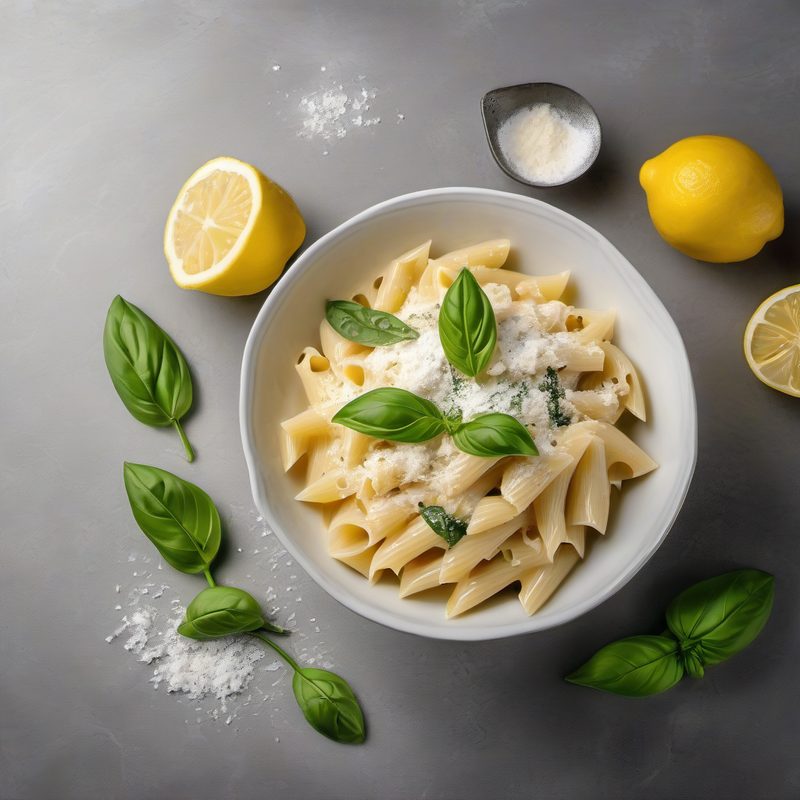
Photo reference: `vol1_101.png` — A wide, shallow ceramic bowl filled with fusilli or rotini coated in a pale-green ricotta-avocado cream. Bright green green bean pieces and halved cherry tomatoes in golden yellow and deep red are scattered throughout. Fresh basil leaves are tucked between the pasta, and a glossy drizzle of green-gold olive oil catches the light. The pasta is mounded slightly in the center with the sauce pooled around the edges. Shot from a 45-degree overhead angle in soft, natural daylight on a light wooden or marble surface. Rustic Italian summer presentation—fresh, creamy, vibrant, and inviting. A small fork resting beside the bowl suggests it's ready to eat.
Recipe from "The Italian Kitchen" by Vita Milanese — Volume 1: Pasta Perfetto
Recipe from The Italian Kitchen by Vita Milanese — Volume 1 · Pasta Perfetto. Discover all volumes on the ebook page.