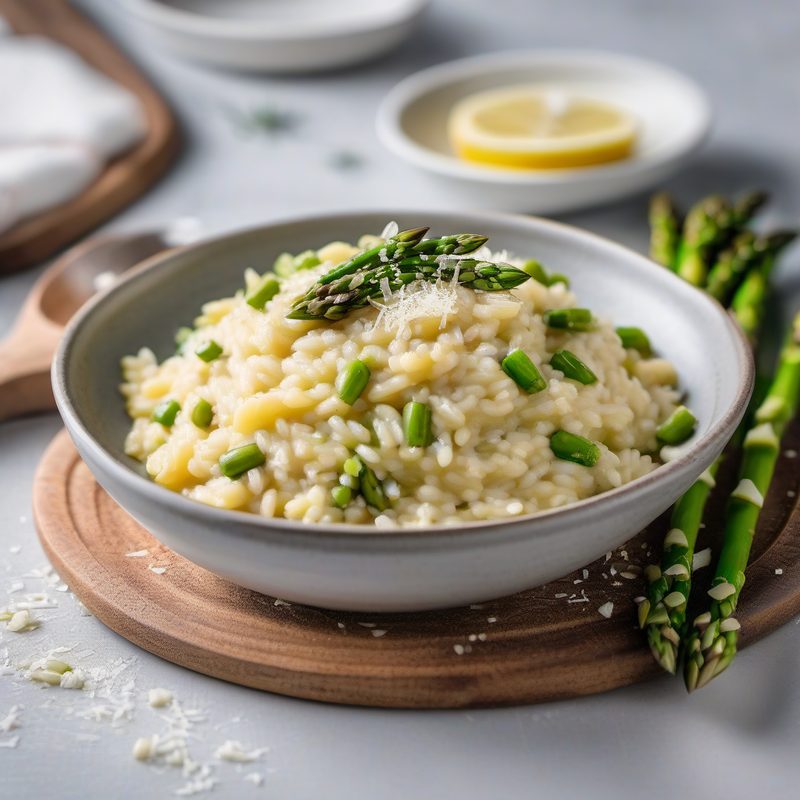
Ricotta Lemon Pasta
Creamy, bright, and impossibly quick — a silky ricotta and lemon sauce that comes together in the time it takes to boil pasta, delivering pure Italian comfort in under 20 minutes.
| Amount | Ingredient |
|---|---|
| 400 g (14 oz) | Fusilli (or other short pasta) |
| 400 g (14 oz) | Sheep's milk ricotta (fresh, high-quality) |
| 2 | Organic lemons (zest only) |
| 30 g (¼ cup) | Grated Parmesan cheese |
| 20 g (2 tbsp) | Pistachios (shelled, unsalted) |
| — | Salt, to taste |
| — | Freshly ground black pepper, to taste |
🥘 Equipment
- Large pot (6-qt) for pasta
- Large mixing bowl
- Colander
- Microplane or fine zester
- Small skillet (for toasting pistachios)
- Chef's knife
- Cutting board
- Wooden spoon or tongs
📋 Preparation
Step 1 — Zest the Lemons
Using a microplane, zest both lemons. Be careful to avoid the white pith — it's bitter. Set the zest aside.
Organic lemons are essential here since you're using the zest. Non-organic lemons are often waxed, which can dull the flavor.
Step 2 — Chop and Toast the Pistachios
Roughly chop the pistachios. In a small, dry skillet over medium heat, toast them for 1–2 minutes, shaking the pan frequently, until fragrant and lightly golden. Transfer to a small bowl and set aside.
Toasting brings out the pistachios' natural oils and deepens their flavor — a little extra step that makes a big difference.
Step 3 — Make the Ricotta Cream
In a large mixing bowl, combine the sheep's milk ricotta, lemon zest (reserve a pinch for garnish), grated Parmesan, salt, and a generous grind of black pepper. Stir well with a fork or wooden spoon until smooth and creamy. Taste and adjust seasoning.
Sheep's milk ricotta is creamier and richer than cow's milk ricotta, with a slightly tangy, nutty flavor that pairs beautifully with lemon. If you can only find cow's milk ricotta, drain it in a fine-mesh strainer for 30 minutes before using to remove excess liquid.
Step 4 — Cook the Pasta
Bring a large pot of generously salted water to a rolling boil. Add the fusilli and cook according to package directions until al dente. Before draining, reserve about 1 cup (240 ml) of pasta cooking water.
Step 5 — Toss and Serve
Add the hot, drained fusilli directly to the bowl with the ricotta cream. Toss vigorously, adding the reserved pasta water a little at a time — about ¼ cup (60 ml) to start — until the ricotta transforms into a silky, creamy sauce that coats every piece of pasta.
The heat from the pasta is crucial — it warms the ricotta, allowing it to melt into a smooth, creamy sauce. The starchy pasta water helps thin the ricotta to the perfect consistency and helps it cling to the pasta.
Step 6 — Garnish and Serve
Divide among warm bowls. Top each portion with chopped toasted pistachios, a pinch of reserved lemon zest, and an extra grind of black pepper. Serve immediately.
🧑🍳 Chef's Tips
- Sheep's milk ricotta is the star: It's creamier, richer, and has a more complex flavor than cow's milk ricotta. Seek it out at an Italian market or specialty grocer.
- Drain your ricotta if needed: If your ricotta seems watery, drain it in a cheesecloth-lined strainer over a bowl for 30 minutes before using. Excess liquid will make the sauce thin.
- Use pasta water generously: The starchy water is the secret weapon — it loosens the ricotta to a silky, coatable consistency without making it watery.
- Don't skip the pistachios: Their crunchy texture and slightly sweet, nutty flavor provide the perfect contrast to the creamy, tangy ricotta and bright lemon.
- Work quickly: The dish comes together in seconds once the pasta is drained. Have everything ready at the stove so the pasta goes directly from colander to bowl.
❌ Common Mistakes
| Mistake | Why It Happens | How to Avoid |
|---|---|---|
| Ricotta is grainy or clumpy | Ricotta too cold when mixed, or not enough pasta water | Let ricotta come to room temperature; add pasta water gradually while tossing vigorously |
| Sauce is watery | Ricotta had too much liquid, or too much pasta water added | Drain watery ricotta; add pasta water a little at a time |
| Sauce is bland | Not enough salt or Parmesan | Season the ricotta cream well before adding pasta; taste and adjust |
| Lemon flavor is harsh or bitter | Zested too deeply into the pith | Use a microplane and zest only the yellow surface |
| Pistachios are soft, not crunchy | Added too early or not toasted | Toast and add as a topping just before serving |
💡 Variations
- Add spinach: Fold in a handful of fresh baby spinach with the hot pasta — it will wilt from the heat.
- Make it savory: Add a pinch of red pepper flakes or a clove of grated garlic to the ricotta cream.
- Swap the nuts: Toasted pine nuts or slivered almonds work beautifully instead of pistachios.
- Add peas: Fold in ½ cup of thawed frozen peas with the hot pasta for sweetness and color.
- Try different pasta: Orecchiette, conchiglie (shells), or gemelli all work wonderfully — the sauce clings to any short, ridged shape.
- Go herbaceous: Stir in fresh basil or mint ribbons just before serving.
❄️ Storage
Best eaten immediately — this is a pasta that waits for no one. Leftovers can be refrigerated in an airtight container for up to 2 days. Reheat gently in a pan with a splash of water or milk to restore creaminess. The pistachios should be added fresh.
🍷 Wine Pairing
| Wine | Why |
|---|---|
| Gavi di Gavi | Crisp, mineral-driven white with citrus notes — a perfect match for the lemon-ricotta duo |
| Vermentino di Sardegna | Bright acidity and a hint of almond that echoes the pistachios |
| Pinot Grigio (Alto Adige) | Clean, precise, and refreshing — lets the ricotta and lemon shine |
| Franciacorta Brut | The bubbles and acidity cut through the creamy ricotta beautifully |
🥗 Suggested Sides
- Arugula salad with lemon vinaigrette and shaved Parmesan
- Grilled zucchini with olive oil and oregano
- Crusty bread for sopping up any lingering ricotta cream
📊 Nutrition (per serving)
| Calories | Protein | Fat | Carbs | Fiber |
|---|---|---|---|---|
| 560 | 24 g | 18 g | 72 g | 3 g |
❓ FAQ
Can I use cow's milk ricotta instead of sheep's milk?
Yes, but drain it first. Cow's milk ricotta is usually wetter. Place it in a fine-mesh strainer lined with cheesecloth over a bowl for 30 minutes before using.
Can I use lemon juice instead of zest?
Zest is preferred here — it provides intense lemon aroma without the acidity that could curdle the ricotta. If you want a touch of juice, add just a squeeze at the very end, not into the ricotta mixture.
Is this dish vegetarian?
Yes! Ricotta, Parmesan, and pasta are all vegetarian-friendly. For a fully vegetarian version, ensure your Parmesan uses vegetable rennet.
🔗 Related Recipes
- Lemony Pasta (#203) — A butter-and-cream based lemon pasta, richer and more indulgent
- Pasta Ricotta Avocado (#101) — Another creamy, ricotta-based pasta with avocado
- Pasta Zucchini Ricotta (#104) — Ricotta pasta with fresh zucchini
- Pasta Rocket Pesto Eggplant Stracciatella (#115) — A creamy, cheesy pasta with arugula pesto
🏷️ Search Tags
📸 Photo Reference
Photo reference: `vol1_258.png` — An overhead or slightly angled shot of a wide, shallow white ceramic bowl filled with fusilli in a creamy, pale ivory sauce. The pasta is generously coated, with visible flecks of bright yellow lemon zest and dark specks of black pepper. A generous crumble of chopped toasted pistachios is scattered across the top, with a final pinch of lemon zest and a drizzle of extra-virgin olive oil. Beside the bowl: a small ramekin of extra toasted pistachios, a halved organic lemon on a wooden cutting board, and a sprig of fresh mint. The lighting is bright and natural, evoking a sunny spring afternoon. The overall mood is fresh, creamy, bright, and effortlessly elegant.
Recipe from "The Italian Kitchen" by Vita Milanese — Volume 1: Pasta Perfetto 🍋
Recipe from The Italian Kitchen by Vita Milanese — Volume 1 · Pasta Perfetto. Discover all volumes on the ebook page.