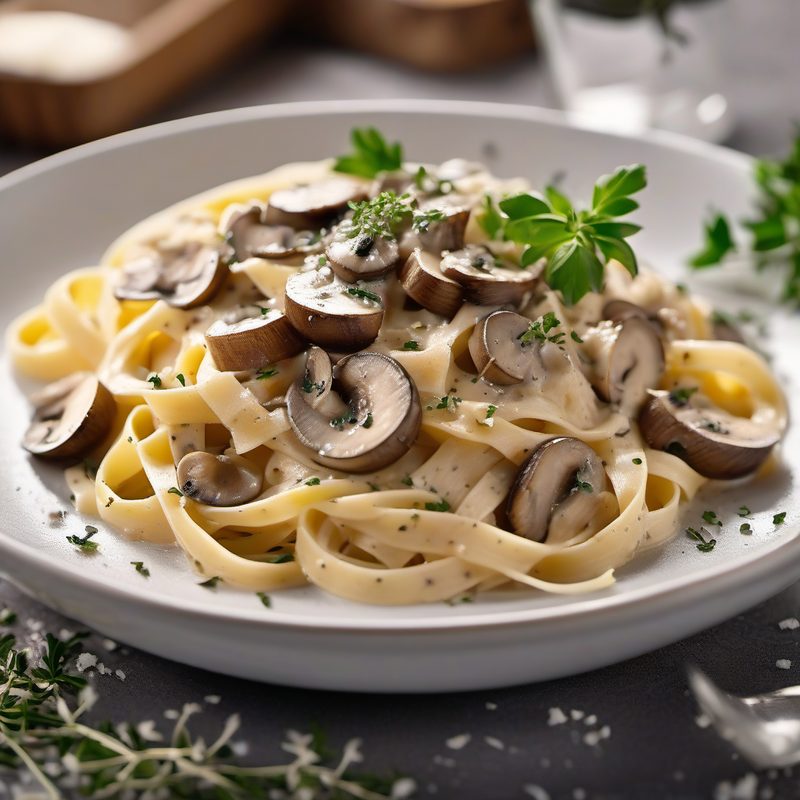
Pugliese Carbonara
A Puglian twist on the Roman classic — richer, eggier, and unapologetically indulgent, with crispy guanciale and a velvety emulsion of eggs, pecorino, and Parmigiano that clings to every strand of spaghetti.
| Amount | Ingredient |
|---|---|
| — | Salt, for pasta water only |
🥘 Equipment
- Large pot (6-qt) for pasta
- Large sauté pan or skillet (12-inch)
- Large mixing bowl
- Chef's knife
- Cutting board
- Colander
- Wooden spoon or tongs
- Fine grater (Microplane or box grater)
- Whisk or fork
📋 Preparation
Step 1 — Grate the Cheeses
Finely grate the Pecorino Romano and Parmigiano Reggiano into a bowl. Combine them and set aside.
Grate fresh, never use pre-shredded cheese — pre-grated cheeses contain anti-caking agents that prevent smooth emulsification.
Step 2 — Make the Egg Mixture
In a large mixing bowl, combine the egg yolks (or whole eggs + yolks) with the grated cheese mixture and a generous amount of freshly ground black pepper. Whisk vigorously until smooth, pale, and well combined. Set aside.
The Pugliese version uses more yolks than the classic Roman carbonara, resulting in an even richer, creamier sauce. Using 3 whole eggs + 3 yolks gives the best balance of richness and structure — the whites add body while the yolks deliver velvety creaminess.
Step 3 — Cook the Guanciale
Cut the guanciale into small strips or lardons — about ½-inch (1 cm) wide and 1-inch (2.5 cm) long.
Place the guanciale in a cold sauté pan. Cook over medium heat, stirring occasionally, until the fat has rendered and the meat is golden and crispy — about 5–7 minutes.
Starting from a cold pan allows the fat to render slowly and evenly, giving you crispy guanciale without burning. Do not add oil — guanciale releases plenty of its own fat.
Step 4 — Cook the Pasta
While the guanciale cooks, bring a large pot of generously salted water to a rolling boil. Add the spaghetti and cook according to package directions until al dente.
Remember: the pasta water should taste like the sea. This is the only salt in the dish — the guanciale and cheeses provide plenty of saltiness on their own.
Step 5 — Temper the Egg Mixture
Just before draining the pasta, ladle about ½ cup (120 ml) of hot pasta water into the egg and cheese mixture, whisking constantly. This tempers the eggs, raising their temperature gradually so they don't scramble when they hit the hot pasta.
This step is the secret to a silky, foolproof carbonara. The hot pasta water gently warms the eggs while the starch helps create a stable emulsion.
Step 6 — Combine Off Heat
Remove the guanciale pan from the heat. Drain the spaghetti (do not rinse!) and add it directly to the pan with the guanciale and its rendered fat. Toss well to coat every strand in the savory fat.
Let the pan cool for about 30 seconds — this is crucial. If the pan is too hot, the eggs will scramble.
Step 7 — Create the Emulsion
Pour the egg-cheese mixture over the spaghetti and toss vigorously with tongs — lift, turn, and toss continuously. The residual heat from the pasta and pan will cook the eggs into a silky, creamy sauce that coats every strand. If the sauce seems too thick, add a splash of reserved pasta water (about 1–2 tablespoons at a time) and toss again.
The tossing is the most important step. Work fast and confidently — the emulsion comes together in about 30–60 seconds. You're looking for a glossy, creamy sauce that flows but isn't runny.
Step 8 — Serve Immediately
Divide among warm bowls. Top each with an extra grind of black pepper and a generous shower of grated Pecorino or Parmigiano. Serve immediately — carbonara waits for no one.
🧑🍳 Chef's Tips
- Guanciale is non-negotiable: Cured pork jowl has a higher fat content and more complex flavor than pancetta. If you absolutely cannot find it, use pancetta — but never bacon, which is smoked and will overpower the dish.
- Cream is not Italian: Authentic carbonara contains no cream. The creaminess comes entirely from the emulsion of eggs, cheese, and pasta water. Trust the process.
- Use high-quality eggs: The eggs are the star of this dish. Use the freshest, highest-quality eggs you can find — pasture-raised if possible. The yolks should be deep orange and stand tall.
- Work off heat: The key to silky carbonara is never putting the eggs over direct heat. The residual heat of the pasta and pan is all you need.
- Pepper is not optional: Carbonara should be generously peppered — it's not just a garnish, it's a fundamental flavor. Use freshly ground black pepper, and don't be shy.
❌ Common Mistakes
| Mistake | Why It Happens | How to Avoid |
|---|---|---|
| Scrambled eggs (spaghetti alla carbonara frittata!) | Pan too hot when eggs are added | Remove pan from heat and let cool 30 seconds; temper eggs with hot pasta water first |
| Sauce is thin and watery | Too much pasta water, or not enough egg yolk | Add pasta water 1 tablespoon at a time; use 6 yolks or 3 whole + 3 yolks |
| Sauce is clumpy and stringy | Eggs curdled from heat | Tempering the eggs first prevents this; work off heat |
| Greasy, separated sauce | Too much guanciale fat or not enough tossing | Use about 3 tablespoons of rendered fat; toss vigorously to emulsify |
| Bland, flat flavor | Not enough cheese or pepper, or guanciale not crispy enough | Be generous with Pecorino and black pepper; render guanciale until truly crispy |
💡 Variations
- Pasta shape: While spaghetti is traditional, this Pugliese version works beautifully with bucatini, rigatoni, or paccheri.
- Extra crispy guanciale: Cook the guanciale a little longer and reserve some crispy pieces to sprinkle on top as a garnish.
- Add a touch of lemon: A pinch of lemon zest added with the eggs brightens the richness.
- Herb finish: A few fresh parsley leaves or chives scattered on top add color and freshness.
- Cacio e pepe fusion: Increase the pepper dramatically and use all Pecorino for a carbonara-cacio e pepe hybrid.
❄️ Storage
Carbonara does not store well — the egg-based sauce will separate and become oily upon reheating. This is a dish to be made and eaten immediately. If you have leftovers, they can be refrigerated for up to 1 day and eaten cold (like a pasta salad) or gently reheated in a pan with a tablespoon of water, though the texture will never be the same.
🍷 Wine Pairing
| Wine | Why |
|---|---|
| Frascati Superiore | Crisp, slightly honeyed white from the Roman hills — traditional pairing |
| Gavi di Gavi | Mineral-driven white with enough body for the rich egg and guanciale |
| Chianti Classico | Medium-bodied red with bright acidity that cuts through the richness |
| Montepulciano d'Abruzzo | Soft tannins and dark fruit — a surprisingly good match for the peppery, savory sauce |
| Franciacorta Brut | Sparkling bubbles and acidity — a luxurious pairing |
🥗 Suggested Sides
- Simple green salad with lemon vinaigrette — the acidity balances the rich carbonara
- Grilled asparagus or broccolini with olive oil
- Focaccia or grilled bread — though honestly, you may not need it
📊 Nutrition (per serving)
| Calories | Protein | Fat | Carbs | Fiber |
|---|---|---|---|---|
| 680 | 30 g | 32 g | 65 g | 2 g |
❓ FAQ
Why is this called "Pugliese Carbonara"?
The Pugliese version uses a higher yolk-to-white ratio than the classic Roman carbonara, and sometimes incorporates both Pecorino Romano and Parmigiano Reggiano. The result is an even richer, creamier sauce that reflects Puglia's love for abundant, high-quality ingredients.
Can I use all Pecorino instead of mixing with Parmigiano?
Yes! The classic Roman carbonara uses only Pecorino Romano. The Pugliese version adds Parmigiano for a milder, nuttier finish. Use all Pecorino if you prefer a sharper, saltier result.
Can I make this without guanciale?
Pancetta is the best substitute — it's cured pork belly, not smoked like bacon. If you use pancetta, the flavor will be less complex but still delicious. Do not use bacon — its smokiness will overpower the delicate egg and cheese.
Can I use whole eggs instead of just yolks?
The recipe gives two options: 6 yolks (ultra-rich and silky) or 3 whole eggs + 3 yolks (more body, slightly less rich). The whole egg version is more forgiving and less likely to scramble. Choose based on your confidence level.
🔗 Related Recipes
- Carcerata Pasta (#179) — Another Puglian pasta specialty, layered and baked
- Poveriello Spaghetti (#187) — A rustic, poor-man's pasta from Southern Italy
- Cacio e Pepe Cheese Balls (#78) — A fun, crispy twist on the Roman classic cacio e pepe
- Carbonara Tortelli (#61) — A stuffed pasta variation on the carbonara theme
🏷️ Search Tags
📸 Photo Reference
Photo reference: `vol1_259.png` — An overhead or slightly angled shot of a wide, shallow ceramic bowl filled with spaghetti carbonara in the Pugliese style. The spaghetti is glossy and golden, each strand evenly coated in a velvety, creamy emulsion of eggs and cheese. Small, crispy pieces of guanciale (cured pork jowl) are scattered throughout, their golden-brown edges catching the light. A generous crack of fresh black pepper is visible across the top, alongside a final shower of finely grated Pecorino Romano and Parmigiano Reggiano. Beside the bowl: a wooden cutting board with a remnant of guanciale, a wire whisk, a few whole black peppercorns, and a glass of Frascati Superiore or Chianti Classico. The lighting is warm and inviting, suggesting a cozy trattoria setting. The overall mood is rich, indulgent, and deeply satisfying.
Recipe from "The Italian Kitchen" by Vita Milanese — Volume 1: Pasta Perfetto 🥚
Recipe from The Italian Kitchen by Vita Milanese — Volume 1 · Pasta Perfetto. Discover all volumes on the ebook page.