Tortelli Carbonara
Tender, egg-rich tortelli stuffed with a silky carbonara filling of Pecorino, Parmigiano, and crispy guanciale, finished with a velvety warm egg-and-cheese sauce and more crackling pork — this is carbonara reimagined as stuffed pasta, and it is every bit as decadent as it sounds.
| Amount | Ingredient |
|---|---|
| 1½ tbsp | Kosher salt (for pasta water) |
| 1 cup (240 ml) | Reserved pasta cooking water |
| Extra | Pecorino or Parmigiano, for serving |
Tortelli alla carbonara
This recipe takes the soul of classic Roman carbonara — the porky sizzle of rendered guanciale, the sharp salinity of aged Pecorino, the luscious richness of raw egg yolks — and translates it into a filled pasta dish that is somehow even more indulgent. The filling comes first: guanciale is rendered until golden and crisp, then finely chopped and mixed with egg yolks, Pecorino, Parmigiano, and a touch of the rendered fat into a smooth, spreadable paste that chills for 30 minutes to firm up. Meanwhile, a simple fresh pasta dough of flour and eggs is kneaded, rested, and rolled thin. The tortelli are formed by placing small dollops of filling onto discs or squares of dough, folding, and sealing into neat little parcels. The sauce is essentially a carbonara emulsion — egg yolks whisked with Pecorino, Parmigiano, black pepper, and warm guanciale fat — into which the just-boiled tortelli are tossed with a splash of starchy pasta water to create a creamy, clinging coat. A final shower of crispy guanciale and extra grated cheese, and you have a first course that stops conversation. At roughly 480 calories per serving, it is a special-occasion dish that demands — and rewards — every minute of effort.
For the Filling
For the Fresh Pasta Dough
For the Sauce
For Cooking and Assembly
Use level tablespoons and standard US measuring cups. All produce is medium unless specified.
🥘 Equipment
- Large chef's knife
- Cutting board
- Large skillet or sauté pan (12-inch, for rendering guanciale)
- Slotted spoon or spider strainer
- Paper towels
- 2 medium mixing bowls (for filling and sauce)
- Box grater or Microplane
- Whisk
- Plastic wrap
- Large mixing bowl (for pasta dough)
- Fork or dough scraper
- Rolling pin or pasta machine
- 3-inch (7 cm) round cutter, pastry wheel, or knife (for cutting tortelli shapes)
- Small bowl of water (for sealing)
- Baking sheet (for holding filled tortelli)
- Kitchen towel (not terry cloth)
- Large pot (6-quart or larger, for cooking tortelli)
- Large bowl (for serving or tossing)
- Measuring cups and spoons
📋 Preparation
Step 1 — Render the Guanciale and Prepare the Cracklings (10 minutes)
Place the guanciale strips in a cold large skillet. Set over medium heat and cook, stirring occasionally, until the fat renders and the meat is deep golden brown and crispy — 6 to 8 minutes.
Using a slotted spoon, transfer the crispy guanciale to a paper-towel-lined plate to drain and cool. Reserve 2 tablespoons of the rendered fat for the sauce; save any additional fat for another use (it freezes beautifully for future carbonara projects).
Once cooled, finely chop the crispy guanciale. You should have about ½ cup of finely chopped cracklings.
Starting the guanciale in a cold pan allows the fat to render gradually and evenly. If you start it in a hot pan, the exterior browns before the fat has a chance to melt, leaving you with chewy, under-rendered meat and less liquid fat.
Step 2 — Make the Filling (10 minutes, plus 30 minutes chill)
In a medium bowl, combine 6 egg yolks, 1 cup Pecorino Romano, ½ cup Parmigiano-Reggiano, and 1 teaspoon black pepper. Add the finely chopped crispy guanciale and 1 tablespoon of the reserved rendered fat. Stir with a fork until smooth, uniform, and spreadable — the mixture should resemble a thick, gritty paste.
Cover the bowl with plastic wrap and refrigerate for 30 minutes. Chilling firms the filling, making it much easier to handle when forming the tortelli.
The filling paste will look loose and oily at first — that's correct. The cold rest allows the fat to re-solidify slightly, giving you a filling that pipes cleanly and holds its shape inside the pasta.
Step 3 — Make the Fresh Pasta Dough (15 minutes, plus 20 minutes rest)
On a clean work surface, mound the flour and form a wide well in the center. Crack the 4 eggs into the well and add the ½ teaspoon salt.
Using a fork, gently beat the eggs, gradually incorporating flour from the inner walls of the well. When the mixture becomes too stiff to stir with the fork — about 2 minutes — use your hands to bring the dough together into a shaggy mass.
Knead the dough on a lightly floured surface until smooth, elastic, and slightly springy — 8 to 10 minutes. The dough should be supple, not sticky; if it feels tacky, dust with a little more flour; if dry and crumbly, add water ½ teaspoon at a time.
Wrap tightly in plastic wrap and let rest at room temperature for 20 minutes.
Resting is essential. It relaxes the gluten so the dough rolls out without snapping back and makes the final tortelli tender rather than tough.
Step 4 — Roll Out the Pasta and Form the Tortelli (25 minutes)
After resting, divide the dough into 4 equal pieces. Work with one piece at a time, keeping the rest covered under plastic wrap or a damp towel.
Using a pasta machine or rolling pin, roll the dough to a thickness of about 2 mm (setting 6 on most Atlas machines). The sheet should be thin enough to see your hand through but not so thin it tears easily.
Lay the rolled sheet on a lightly floured work surface. Cut into 3-inch (7 cm) rounds with a cutter, or into 3-inch squares with a knife or pastry wheel. Gather the scraps, re-roll, and cut more shapes until all the dough is used.
Working one at a time: place a disc (or square) on your work surface. Spoon or pipe 1 heaping teaspoon of the chilled filling in the center, leaving a ½-inch border. Lightly brush the edge of the dough with water. Fold the dough over to form a half-moon (or triangle for squares), pressing firmly around the filling to expel any air pockets. Press the edges to seal, then crimp with a fork for a decorative finish and a stronger seal.
Place finished tortelli in a single layer on a floured baking sheet, not touching each other. Cover loosely with a clean kitchen towel.
Sealing is everything. Press every bubble of air out — trapped air expands during boiling and can burst the tortelli open. A fork crimp not only looks beautiful but creates a mechanical seal that's far more reliable than finger-pressure alone.
Step 5 — Make the Carbonara Sauce (5 minutes, while the pasta water comes to a boil)
In a large serving bowl (big enough to hold all the tortelli), combine 4 egg yolks, ¾ cup Pecorino Romano, ½ cup Parmigiano-Reggiano, 1 teaspoon black pepper, and the 2 tablespoons of reserved rendered guanciale fat. Whisk until smooth and uniform. Set aside at room temperature.
Do not make this sauce ahead and refrigerate it — cold sauce won't emulsify properly when the hot pasta is added. Keep it at room temperature and work quickly once the tortelli are cooked.
Step 6 — Cook the Tortelli and Finish the Dish (5 minutes)
Bring a large pot of water to a rolling boil. Add 1½ tablespoons kosher salt — the water should taste like the sea.
Gently drop the tortelli into the boiling water in batches — do not overcrowd. Cook until they float to the surface and the pasta is tender but still offers a gentle bite, 2 to 3 minutes. Fresh pasta cooks fast; test one at the 2-minute mark.
Before draining, reserve at least 1½ cups of the pasta cooking water.
Using a slotted spoon or spider strainer, transfer the cooked tortelli directly to the bowl with the carbonara sauce. Add ½ cup of the reserved pasta water and toss gently but thoroughly with a rubber spatula or wooden spoon — the hot pasta and starchy water will cook the egg yolks just enough to create a creamy, emulsified sauce that clings to every tortello. If the sauce seems thick, add more pasta water 1 tablespoon at a time until it falls in silky ribbons.
The residual heat of the pasta is what cooks the sauce — you are not returning the bowl to the stove. Work quickly and toss confidently; the yolks should thicken into a velvety cream, not scramble into lumps. If you're nervous, temper the egg yolks by drizzling in ¼ cup of hot pasta water while whisking before adding the tortelli.
Step 7 — Serve (1 minute)
Divide the tortelli among warm bowls. Top each serving with a generous pinch of the reserved crispy guanciale cracklings and a final dusting of extra grated Pecorino or Parmigiano. Serve immediately — carbonara waits for no one.
🧑🍳 Chef's Tips
- Guanciale is non-negotiable. Guanciale (cured pork jowl) has a higher fat content and a more intense, porky flavor than pancetta or bacon. Its fat renders into liquid gold that flavors the filling, the sauce, and every bite of the final dish. If you absolutely cannot find it, use thick-cut pancetta, but know that the result will be less decadent.
- Chill the filling thoroughly. A 30-minute chill makes the filling firm enough to scoop and shape without smearing. If it's still too soft after 30 minutes, give it another 10. A firm filling is the difference between neat tortelli and a sticky mess.
- Don't overfill. One heaping teaspoon per tortello is the sweet spot. Too much filling makes sealing difficult and causes the tortelli to burst during cooking.
- Reserve plenty of pasta water. The starchy, salted water is what emulsifies the egg yolks into a creamy sauce without scrambling them. Reserve a full 1½ cups — having extra is always better than running short.
- Work quickly when saucing. The hot tortelli and pasta water cook the egg yolks through residual heat. Toss immediately and vigorously. If you dawdle, the yolks won't reach the right temperature and you'll get a thin, raw-tasting sauce instead of a creamy emulsion.
- Warm your bowls. This dish loses heat fast. Warm serving bowls in a 200°F (93°C) oven for 5 minutes, or fill them with hot tap water while the pasta cooks.
❌ Common Mistakes
| Mistake | Why It Hurts | The Fix |
|---|---|---|
| Using bacon instead of guanciale | Bacon is smoked and sweet; guanciale is pure porky, salty richness. Smoked flavor overpowers the delicate egg-and-cheese balance. | Seek out guanciale at Italian markets or specialty grocers. Order online if needed. |
| Making the sauce ahead and refrigerating | Cold sauce won't emulsify — the fat solidifies and the eggs separate. You'll get greasy, lumpy tortelli instead of a creamy coat. | Make the sauce just before cooking the pasta and keep it at room temperature. |
| Not reserving enough pasta water | The starch in the water is what binds the egg yolks, cheese, and fat into a silky emulsion. Without enough, the sauce breaks into a greasy mess. | Always reserve at least 1½ cups. No exceptions. |
| Overcooking the tortelli | Fresh pasta cooks in 2 to 3 minutes. Overcooking turns the delicate parcels into mushy, doughy packets that fall apart when tossed. | As soon as the tortelli float (about 90 seconds), test one. They're done within 30 seconds of floating. |
| Scrambling the eggs | Adding cold eggs to a hot pan or using too little pasta water causes the yolks to cook into curds instead of forming a smooth sauce. | The hot pasta and starchy water provide enough heat — never return the saucing bowl to the stove. If nervous, temper the yolks with ¼ cup of hot pasta water first. |
| Forgetting the pepper | Carbonara without enough black pepper is just fatty pasta. The pepper is not a garnish — it's a structural element that cuts through the richness. | Be generous: a full teaspoon in the sauce and more at the table. Use freshly ground, not pre-ground. |
💡 Variations
| Variation | How To |
|---|---|
| Spaghetti alla Carbonara Tortelli | Double the Pecorino in both filling and sauce, reduce the Parmigiano to zero, and add an extra egg yolk to the sauce. This tilts toward the classic Roman spaghetti carbonara flavor profile. |
| Herb-Infused Filling | Add 1 tablespoon of finely chopped fresh parsley and 1 teaspoon of fresh thyme leaves to the filling before chilling. The herbs lighten the richness and add a subtle aromatic layer. |
| Spicy Carbonara Tortelli | Add ½ teaspoon of red pepper flakes to the filling and another ½ teaspoon to the sauce. The heat cuts through the pork fat beautifully. |
| Truffle Carbonara Tortelli | Add 1 tablespoon of white truffle oil or 1 teaspoon of finely shaved fresh black truffle to the filling. Serve with a few shavings of fresh truffle on top. |
| Smoked Cheese Twist | Replace half the Pecorino with smoked scamorza (finely grated) in both filling and sauce. The smoky notes complement the porky guanciale. |
| Lighter Version (Less Rich) | Use 5 egg yolks instead of 6 in the filling, and 3 egg yolks instead of 4 in the sauce. Substitute 2 tablespoons of the rendered fat with olive oil in the sauce. The result is still rich, but less unctuous. |
| Agnolotto Shape | Instead of rounds or squares, cut the pasta into 2½-inch (6 cm) wide strips and fold the filling into small, pillow-like agnolotti by pinching the dough at regular intervals. Cook time remains the same. |
❄️ Storage & Leftovers
| Method | Details |
|---|---|
| Refrigerator (Uncooked Tortelli) | Arrange uncooked tortelli in a single layer on a floured baking sheet, cover loosely with plastic wrap, and refrigerate for up to 24 hours. They may darken slightly — this is harmless oxidation. |
| Freezer (Uncooked Tortelli) | Freeze tortelli in a single layer on a floured baking sheet until solid (about 2 hours), then transfer to a freezer-safe bag or container. Freeze for up to 1 month. Cook directly from frozen, adding 1 extra minute to the cooking time. |
| Refrigerator (Cooked Tortelli) | Store cooked tortelli and sauce separately in airtight containers for up to 1 day. The egg-based sauce will not re-emulsify well, making leftovers a compromise. |
| Reheating | Reheat tortelli in a skillet over low heat with a splash of cream or pasta water and a pat of butter, gently tossing until warmed through — about 3 minutes. Do not microwave — it will scramble the egg sauce and toughen the pasta. |
🍷 Wine Pairing
| Wine | Why |
|---|---|
| Frascati Superiore (Lazio) | A crisp, slightly nutty white from the Roman hills. Its bright acidity and subtle almond notes cut through the pork fat and cheese, while the light body doesn't overwhelm the delicate pasta. The quintessential Roman pairing for carbonara. |
| Gavi di Gavi (Piedmont) | Steely, mineral-driven, with lemon zest and green apple. The searing acidity slices through the richness and cleans the palate between each bite — an elegant partner for an elegant dish. |
| Falanghina (Campania) | A medium-bodied white with white flowers, pear, and a gentle saline finish. The subtle fruit and bright acid balance the salty guanciale and aged Pecorino. |
| Cesanese del Piglio (Lazio) | A light, fruity red from Lazio with red cherry, violet, and a hint of spice. Serve slightly cool (55°F / 13°C) — its low tannins and bright acidity are a match made in Rome for carbonara in any form. |
| Franciacorta Brut (Lombardy) | A sparkling wine with fine bubbles, green apple, and citrus — the acidity and effervescence cut through the rich egg-and-cheese sauce and refresh the palate. Perfect for special occasions. |
🍺 Beer Pairing
| Beer | Why |
|---|---|
| Italian Pilsner (e.g., Birrificio Italiano Tipopils) | Clean, crisp, and lightly bitter — the noble hop bitterness cuts through the richness while the crackery malt lets the pork and cheese flavors take center stage. |
| Belgian Tripel | The fruity, slightly spicy yeast character and moderate alcohol provide enough body to stand up to the guanciale and aged cheese, while the high carbonation scours the palate clean. |
| Vienna Lager | Malty, smooth, and slightly sweet — the caramel notes echo the rendered pork fat and provide a warming, comforting backdrop. |
🥗 Suggested Side Dishes
- A crisp arugula and endive salad with lemon vinaigrette and shaved Parmigiano — the bitterness cuts the richness
- Sautéed broccoli rabe (rapini) with garlic and chili flakes — the bitter, earthy greens are a classic Roman counterpoint to carbonara
- Grilled radicchio wrapped in prosciutto — the charred bitterness and saltiness balance the unctuous pasta
- Roasted asparagus with olive oil, sea salt, and lemon zest — bright and clean against the rich tortelli
- A simple fennel and orange salad with black olives — the citrus and licorice notes refresh the palate between bites
- Warm crusty bread or grissini (breadsticks) — for sopping up every last bit of carbonara sauce
📊 Nutrition (per serving, estimated)
| Calories | Protein | Fat | Carbs | Fiber |
|---|---|---|---|---|
| 480 | 22 g | 26 g | 42 g | 2 g |
Nutrition calculated for 6 servings. Based on 80 tortelli total.
❓ Frequently Asked Questions
What are tortelli, and how are they different from ravioli?
Tortelli are a type of stuffed pasta from Emilia-Romagna and Lombardy, similar to ravioli but typically larger and often round or rectangular rather than square. The key difference is shape and filling-to-pasta ratio: tortelli tend to have a thinner pasta wrapper and a more prominent, often richer filling. In this recipe, we're making half-moon tortelli, which are essentially a larger, more generously filled cousin of the classic raviolo.
Do I have to use guanciale, or can I substitute pancetta or bacon?
Guanciale is not optional in name of the dish — it defines the flavor. Cured pork jowl has a higher fat content and a much more intense, pure pork flavor than pancetta (cured pork belly) or bacon (smoked, cured pork belly). Pancetta will work in a pinch but will be less rich and flavorful. Bacon adds an unwanted smokiness that competes with the delicate egg-and-cheese balance. Seek out guanciale at Italian specialty stores, deli counters, or online.
Can I use store-bought fresh pasta sheets instead of making my own?
Yes. Look for fresh egg pasta sheets in the refrigerated section of a good grocery store. You'll need about 1 lb (450 g) of pasta sheets. Cut them into shapes and proceed with filling and forming. The texture won't be quite as tender as homemade, but the filling is so good it will still be a memorable dish. Avoid dried lasagna sheets — they are too stiff and will not seal properly.
Why does the sauce call for raw egg yolks? Is it safe?
The egg yolks in the sauce are not truly raw — they are gently cooked by the residual heat of the just-boiled tortelli and the hot pasta water. When the hot pasta (fresh from boiling water at around 212°F / 100°C) is tossed with the egg yolks and the starchy water, the yolks reach a safe temperature of roughly 160°F (71°C) — hot enough to thicken into a creamy emulsion and well above the 140°F (60°C) needed for pasteurization. Use the freshest eggs you can find (farm-fresh or pasteurized-in-shell eggs are ideal).
My tortelli burst during cooking. What went wrong?
Three common causes: (1) Too much filling — stick to 1 heaping teaspoon per tortello. (2) Trapped air — press firmly from the center outward when sealing. (3) The seal wasn't tight enough — wet the edges thoroughly, press firmly, and always crimp with a fork. Also ensure the water is at a gentle rolling boil, not a furious one — violent boiling can tear delicate fresh pasta.
The egg sauce turned out lumpy instead of creamy. What happened?
This is almost always because the sauce wasn't at room temperature when the hot pasta was added, or not enough pasta water was used. If the bowl is cold, the egg yolks seize up and scramble on contact with the hot tortelli instead of emulsifying. Fix: make the sauce in a room-temperature or slightly warmed bowl (run it under hot tap water and dry it), and always reserve at least 1½ cups of pasta water. If you see lumps forming, add another tablespoon of hot pasta water and whisk vigorously — you may be able to rescue the emulsion.
Can I make these tortelli ahead for a dinner party?
Absolutely. Make and fill the tortelli up to 24 hours in advance (refrigerate on a floured baking sheet, covered loosely with plastic wrap). Freeze for longer storage. Make the guanciale cracklings earlier in the day and keep them at room temperature in an airtight container. Do NOT make the sauce ahead — it must be made just before serving and kept at room temperature. On the night of your party, all you need to do is boil water, cook the tortelli, toss with the sauce, and serve.
Can I double this recipe?
Yes. The dough, filling, and sauce all double cleanly. Fry the guanciale in batches to avoid overcrowding the pan. The tortelli assembly will take longer, so recruit a helper: one person pipes and folds while the other cuts and seals. Cook in batches and keep finished tortelli warm in a 200°F (93°C) oven while the rest cook.
🔗 Related Recipes
- Pasta with Black Kale Cream, Guanciale, and Pecorino — page 56
- Pasta del Carcerato (Prison-Style Pasta with Caciocavallo and Guanciale) — page 44
- Spaghetti with Fresh Tomato and Stracciatella — page 48
- Pasta with Potato Cream, Brie, and Guanciale — page 47
- Ricotta and Spinach Ravioli with Sage Brown Butter — page 52
- Pumpkin and Amaretti Ravioli with Gorgonzola Sauce — page 48
- Potato and Onion Ravioli with Castelmagno Cheese Cream — page 50
🏷️ Search Tags
| Photo | Notes |
|---|---|
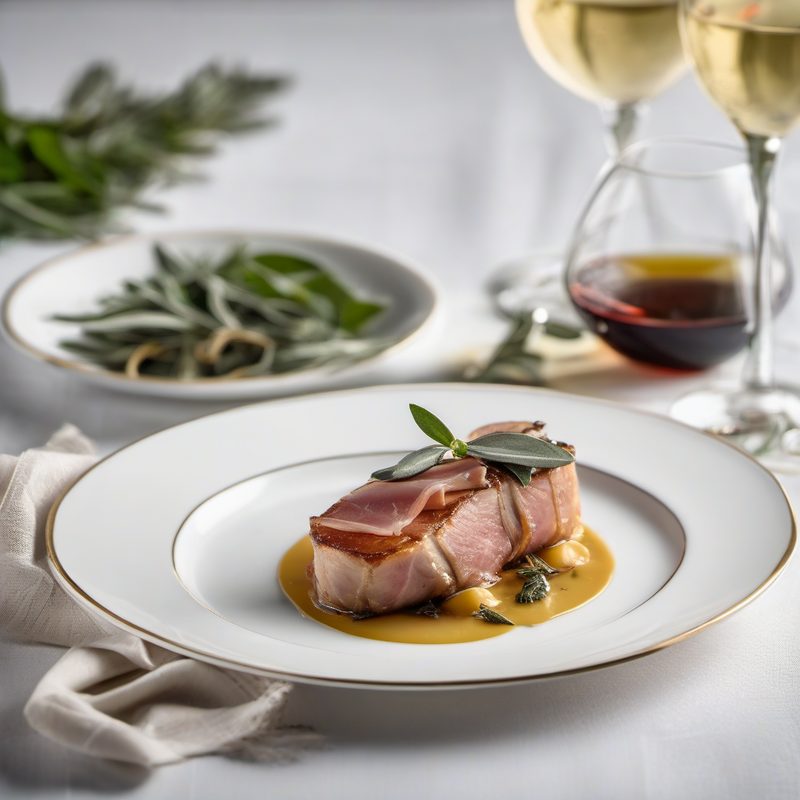
| `vol1_61.png` | A close-up of golden half-moon tortelli arranged in a shallow ceramic bowl, each parcel glistening with a creamy, pale-ivory carbonara sauce. A generous scatter of crispy golden guanciale cracklings sits on top, with fine shavings of Pecorino and a final crack of black pepper. One tortello is cut open to reveal the smooth, pale-yellow filling studded with tiny specks of guanciale and black pepper. Warm, golden overhead lighting, steam rising gently, a fork resting on the rim of the bowl. |
Recipe from "The Italian Kitchen" by Vita Milanese — Volume 1: Pasta Perfetto
Recipe from The Italian Kitchen by Vita Milanese — Volume 1 · Pasta Perfetto. Discover all volumes on the ebook page.