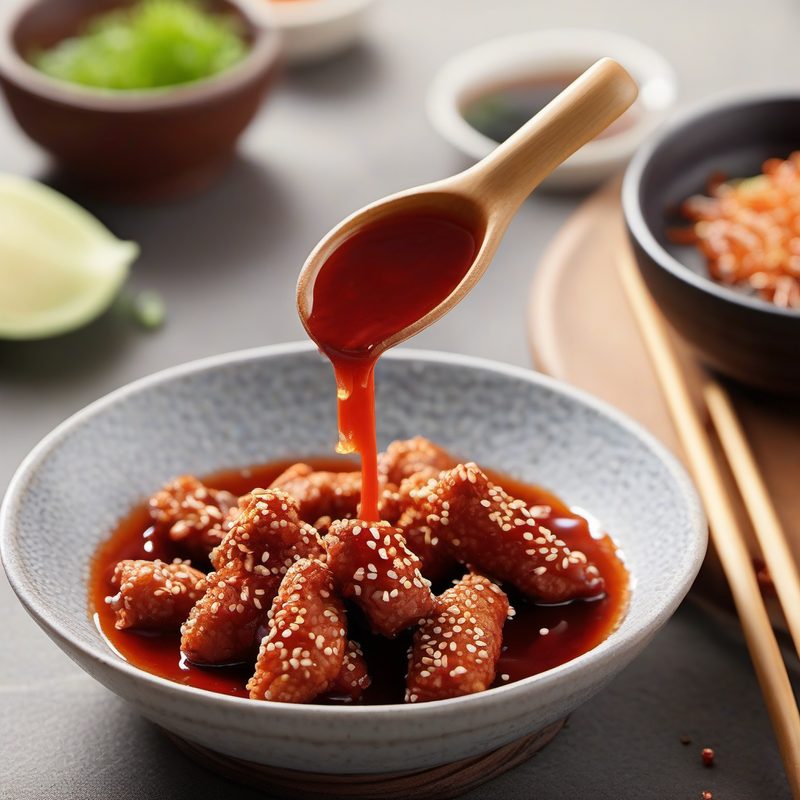
Basic Gochujang Sauce
A bold, balanced, all-purpose Korean dipping sauce that delivers sweet, spicy, savory, and tangy notes in perfect harmony — gochujang is mellowed with water, enriched with sesame oil, brightened with rice vinegar, and sweetened with a touch of sugar, creating a glossy, versatile sauce ready in under 2 minutes.
| Amount | Ingredient |
|---|---|
| Not tasting before serving | The sauce may be unbalanced — too sweet, too tangy, too salty, or not spicy enough — and you won't know until it's on the table Always taste and adjust before serving; it takes 10 seconds and can transform the final result |
This is the Korean pantry staple you did not know you needed: a simple, five-ingredient sauce that unlocks the distinctive sweet-heat-savory profile of Korean cuisine in seconds. Gochujang provides the fermented chili backbone — complex, funky, and deeply savory — while sesame oil adds nutty richness, rice vinegar contributes brightness, and a touch of sugar rounds out the edges and balances the heat. A splash of water thins the paste to a dippable, drizzleable consistency that clings perfectly to everything it touches. The result is a sauce that is simultaneously sweet and spicy, rich and bright, bold and balanced — infinitely more complex than its short ingredient list would suggest. Use it as a dipping sauce for spring rolls, chicken, dumplings, or fresh vegetables, drizzle it over rice bowls, or stir it into noodles for an instant flavor boost. This is the sauce that will earn a permanent spot in your refrigerator door.
Ingredient notes: Use a good-quality gochujang from the refrigerated section of an Asian market or well-stocked supermarket — brands like Tae Kyung, Chung Jung One, or Sempio are reliable. Toasted sesame oil is essential for its deep, nutty aroma; untoasted sesame oil will not provide the same character. Rice vinegar provides the cleanest, most neutral acidity — unseasoned (not seasoned/sushi vinegar) is what you want. Lemon juice can substitute in a pinch but will add a slightly different, fruitier note. Honey can replace the sugar for a slightly more complex sweetness, though the sauce will be marginally thinner. Use a neutral-tasting honey.
- Small bowl
- Whisk or small fork
- Measuring spoons
- Rubber spatula (for scraping)
- Small serving bowl or squeeze bottle
- Combine all ingredients (30 seconds). In a small bowl, add the gochujang, water, toasted sesame oil, rice vinegar, and sugar (or honey).
- Whisk until smooth (60 seconds). Whisk vigorously until the gochujang is fully dissolved and the sauce is glossy, smooth, and a uniform deep red-brown color. Pay special attention to scraping the sides and bottom of the bowl — gochujang can hide in corners. The sauce should have a consistency similar to a thick glaze or a slightly runny honey — pourable but not watery.
- Taste and adjust (30 seconds). Taste the sauce and adjust the balance to your preference. For more heat, add a pinch of gochugaru (Korean red pepper flakes) or an extra ¼ teaspoon of gochujang. For more sweetness, add another ½ teaspoon of sugar or honey. For more tang, add a few more drops of rice vinegar. For more sesame richness, add ¼ teaspoon more sesame oil. The sauce should be balanced — no single element should dominate.
- Serve immediately or chill. Transfer to a serving bowl and serve immediately, or store in an airtight container in the refrigerator. The sauce can be used at room temperature or chilled. It thickens slightly upon refrigeration; stir in a few drops of warm water to restore the desired consistency if needed.
- Serving Suggestions. Use as a dipping sauce for Korean fried chicken, spring rolls, dumplings (mandu), or crispy tofu; drizzle over bibimbap, rice bowls, or grain bowls; use as a sauce for Korean-style lettuce wraps (ssam) with grilled beef or pork; stir into warm noodles (soba, udon, or ramen) with a splash of noodle water for an instant sauce; brush over grilled chicken, beef, or pork during the last minute of grilling as a glaze; toss with roasted vegetables (broccoli, cauliflower, sweet potatoes, Brussels sprouts); spread on tacos or wraps for a Korean-Mexican fusion kick; or use as a marinade base by doubling the recipe and adding minced garlic and grated ginger.
- Whisk thoroughly — no shortcuts. Gochujang is a thick, sticky paste that requires vigorous whisking to fully dissolve into the liquid ingredients. If you see specks of unmixed paste, keep whisking. A uniform, glossy sauce is the goal.
- Use toasted sesame oil, not regular. Toasted (Asian) sesame oil is dark amber and intensely fragrant. Regular (untoasted) sesame oil is pale and mild — it will not provide the signature nutty richness that defines this sauce.
- Start with the full amount of water. The water is what transforms gochujang from a paste into a sauce. If you prefer a thicker, more concentrated sauce (for glazing or brushing), use only 1 teaspoon of water. For a thinner sauce (for drizzling or dressing), add 1 to 2 teaspoons more.
- Let the sauce rest briefly. Even 5 minutes allows the sugar to fully dissolve and the flavors to meld. The sauce is excellent immediately but even better after a short rest.
- Scale up easily. This recipe multiplies effortlessly. For a larger batch, use the ratio: 3 parts gochujang : 2 parts water : 2 parts sesame oil : 1 part acid : 1 part sweetener.
- Serve at room temperature for the best flavor. Cold temperatures mute the aromatics of the sesame oil and dull the complexity of the gochujang. If refrigerated, let the sauce sit at room temperature for 10 minutes before serving.
- Use rice vinegar for the cleanest flavor. Rice vinegar is milder and slightly sweeter than white distilled vinegar, with a clean acidity that does not compete with the gochujang. White wine vinegar or apple cider vinegar can be substituted but will add their own flavor notes.
| Mistake | Why It Hurts | The Fix |
|---|---|---|
| Using untoasted sesame oil | The sauce lacks the deep, nutty, toasty aroma that is the hallmark of Korean sauces — it tastes flat and one-dimensional | Always use toasted (Asian) sesame oil for its rich, aromatic character |
| Not whisking thoroughly | Undissolved gochujang creates gritty, salty pockets of concentrated paste in an otherwise smooth sauce | Whisk vigorously for a full 60 seconds, scraping the sides and bottom of the bowl |
| Over-sweetening | Too much sugar or honey makes the sauce cloying and masks the complex fermented notes of the gochujang | Start with 1 teaspoon of sweetener; taste and add only if needed |
| Using seasoned rice vinegar | Seasoned rice vinegar contains added sugar and salt, which throws off the sauce's balance and makes it overly sweet or salty | Use plain, unseasoned rice vinegar for precise control over the seasoning |
| Making it too thin | Too much water creates a watery, runny sauce that slides off food instead of clinging to it | Stick to the 2:1 water-to-gochujang ratio, or use less water for a thicker glaze |
- Garlic Gochujang Sauce: Add ½ small clove of garlic, grated on a Microplane or finely minced. The garlic adds a pungent, savory depth that is spectacular with grilled meats or dumplings. Let rest for 5 minutes for the garlic to meld.
- Ginger Gochujang Sauce: Add ½ teaspoon of freshly grated ginger for a bright, zesty kick that cuts through rich, fatty dishes. Perfect with pork belly or fried chicken.
- Sesame Gochujang Sauce: Stir in 1 teaspoon of toasted white sesame seeds and ¼ teaspoon of gochugaru (Korean red pepper flakes) for added texture, visual appeal, and a gentle extra layer of heat.
- Spicy Gochujang Sauce: Add ½ teaspoon of gochugaru (Korean red pepper flakes) or a pinch of cayenne for a noticeably spicier sauce that still maintains its balance.
- Sweet Soy Gochujang Sauce: Stir in 1 teaspoon of soy sauce and reduce the salt-free seasonings slightly for a deeper, more umami-rich sauce with a darker color.
- Creamy Gochujang Sauce: Whisk in 1 tablespoon of mayonnaise or Greek yogurt for a creamy, pale orange sauce that is incredible as a dip for fries, chicken tenders, or vegetables.
- Gochujang Vinaigrette: Double the rice vinegar, reduce the water to 1 teaspoon, and whisk in 2 tablespoons of neutral oil (canola or grapeseed) for a bright, emulsified dressing perfect for Asian slaws or salad bowls.
| Storage Method | Details |
|---|---|
| Refrigerator | Store in an airtight container or small jar for up to 2 weeks. The flavors will continue to meld and deepen over time. Stir well before each use and let come to room temperature for 10 minutes before serving. |
| Freezer | Not recommended — the sesame oil can separate upon thawing, and the small batch size is quick enough to make fresh. |
| Shelf life | If stored properly in the refrigerator, the sauce will remain good for at least 2 weeks. If you notice any off-odors or mold, discard and make a fresh batch. |
This versatile sauce pairs beautifully with the dishes it accompanies:
- With Korean fried chicken or wings: A crisp, off-dry Riesling (Kabinett) or a cold, hoppy IPA — the slight sweetness balances the chili heat, while the bubbles or bitterness refresh the palate.
- With dumplings or spring rolls: A dry, mineral-driven Sauvignon Blanc (Loire or Sancerre) or a light, crisp Pilsner. The bright acidity cuts through the sauce's richness.
- With bibimbap or rice bowls: A fruity, low-tannin red like a chilled Beaujolais or a Korean rice lager (Hite, Cass). Clean and refreshing to balance the savory sweetness.
- With grilled beef (bulgogi or ssam): A juicy, medium-bodied red like a Dolcetto d'Alba or a Barbera — the fruit-forward character complements the gochujang's fermented depth.
- As a sauce for noodles: A dry, crisp Chenin Blanc (Vouvray Sec) or a sparkling water with lemon. The acidity keeps each bite fresh.
- Beer pairing: A Korean rice lager (Hite, Cass, or OB Premier) is the most natural and satisfying pairing — clean, crisp, and perfectly refreshing against the sweet-spicy-savory sauce.
| Per Serving (about 2 teaspoons / 10 g) | |
|---|---|
| Calories | 24 |
| Protein | 0 g |
| Fat | 1.5 g |
| Carbohydrates | 3 g |
| Fiber | 0 g |
| Sugar | 2 g |
Nutrition values are approximate and based on standard gochujang, toasted sesame oil, rice vinegar, and granulated sugar. Actual values will vary based on specific brands and measurements.
Can I use this as a marinade?
Absolutely. Double the recipe and add 1 minced garlic clove and ½ teaspoon of grated ginger. Marinate chicken thighs, pork chops, or beef strips for 30 minutes to 2 hours before grilling or pan-searing. Reserve some fresh sauce for serving alongside the cooked meat.
What is the difference between gochujang and gochugaru?
Gochujang is a fermented chili paste — thick, complex, and savory with a sweet-spicy profile. Gochugaru is Korean red pepper flakes — coarsely ground, brightly colored, and primarily hot without the fermented depth. They are not interchangeable, but gochugaru can be added to gochujang sauce for extra heat and visual appeal.
How do I adjust the spice level?
Gochujang brands vary significantly in heat. Start with 1 tablespoon and taste the sauce. If you want more heat, add gochugaru (Korean pepper flakes) or a pinch of cayenne rather than more gochujang, which would also increase the salt and sweetness.
Is this sauce gluten-free?
Traditional gochujang is made from glutinous rice, fermented soybeans, and chili powder — it does not contain wheat. However, some commercial brands may add wheat flour as a thickener or stabilizer. Check the label carefully if gluten-free certification is important to you.
Can I make a larger batch to keep on hand?
Yes — this sauce keeps beautifully in the refrigerator for up to 2 weeks. Make a quadruple batch and store it in a squeeze bottle for easy use throughout the week. Stir or shake well before each use, as the sesame oil may separate slightly.
What if I don't have rice vinegar?
Fresh lemon juice is the best substitute — use the same amount (1 teaspoon). The sauce will be slightly fruitier and brighter, but still delicious. Apple cider vinegar is also an acceptable substitute, though it will add a mild apple note.
- Yogurt Gochujang Fusion Sauce (Volume 2)
- Korean Fried Chicken Nuggets (Volume 3)
- Bulgogi Beef Bowl (Volume 3)
- Soy-Ginger Dipping Sauce (Volume 1)
- Smashed Cucumber Salad with Gochujang (Volume 2)
Recipe from "The Italian Kitchen" by Vita Milanese — Volume 2: Sunday Sauce
Recipe from The Italian Kitchen by Vita Milanese — Volume 2 · Sunday Sauce. Discover all volumes on the ebook page.