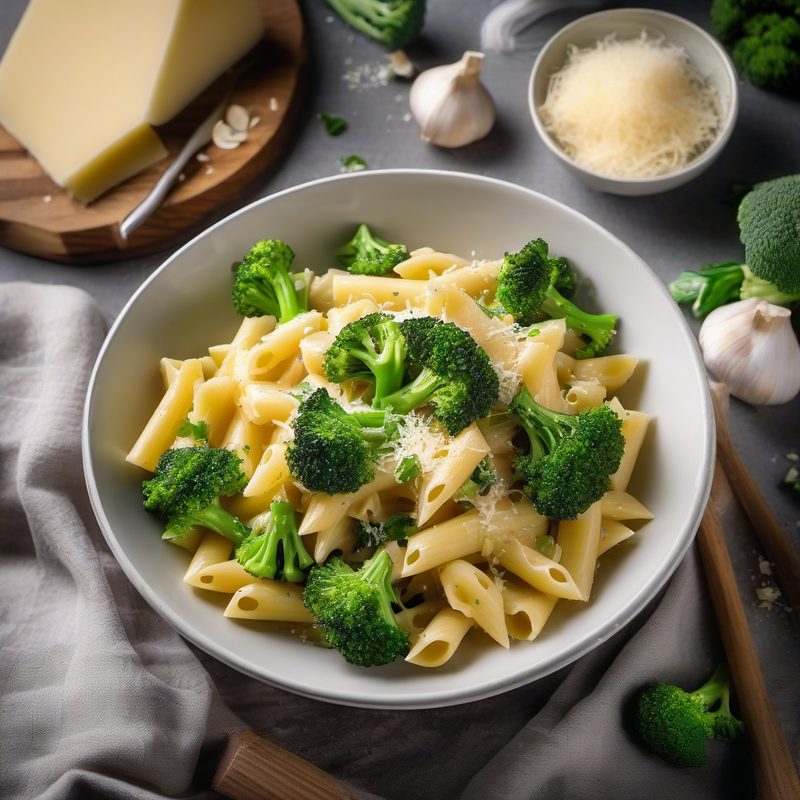
Asparagus Alfredo
A creamy, spring-forward twist on the Roman classic — em-dash this recipe swaps tradition for tender green asparagus, proving that Alfredo can be as bright and verdant as it is indulgent.
| Amount | Ingredient |
|---|---|
| :--- | :------- :----------- |
| 10 oz | 300 g green asparagus, woody ends trimmed, cut into 2-inch pieces |
| 1 tbsp | 15 g butter, for sautéing |
| 2 tbsp | 30 g butter, for the sauce |
| 3 oz | 80 g Parmesan cheese, finely grated |
| 10 oz | 300 g pasta (tagliatelle, fettuccine, or spaghetti) |
| — | — salt, for pasta water and seasoning |
| — | — freshly ground black pepper |
The original Alfredo — born in a Roman trattoria in the early 1900s — relies solely on butter, Parmesan, and pasta water for its signature silkiness. This asparagus-forward version honors that emulsion technique while introducing layers of vegetal sweetness and a whisper of black pepper. Thin stalks work best here; they cook quickly and blend seamlessly into the sauce without overwhelming the pasta. The key is reserving ample pasta water, whose starch binds the butter and cheese into a luscious, non-separating cream.
Whether you use fresh tagliatelle (the classic Alfredo vehicle) or dried spaghetti, the method remains the same: a hot pan, a swift toss, and confidence that the sauce will come together in seconds. Serve immediately — this dish waits for no one.
> Ingredient notes: Use a good aged Parmigiano-Reggiano — pre-grated shelf cheese contains anti-caking agents that prevent a smooth emulsion. Reserve the woody asparagus ends for stock.
Equipment
- Large pot for boiling pasta
- Large skillet or sauté pan
- Box grater or Microplane (for Parmesan)
- Kitchen spider or tongs (for transferring pasta)
- Liquid measuring cup
Prep
Step 1 — Cook the Pasta (10 minutes)
Bring a large pot of generously salted water to a rolling boil. Add the pasta and cook until al dente — about 2 minutes less than the package directions. Reserve a full 1½ cups of the starchy pasta water before draining. Do not rinse the pasta; the surface starch helps the sauce cling.
Step 2 — Sauté the Asparagus (5 minutes)
While the pasta cooks, melt 1 tbsp butter in a large skillet over medium heat. Add the asparagus pieces and sauté, stirring occasionally, until tender-crisp and bright green — about 5 minutes. If the stalks are very thin, reduce time to 3 minutes to avoid mush. Season with a pinch of salt.
Step 3 — Build the Alfredo Sauce (2 minutes)
Add the reserved pasta water (start with 1 cup) and the remaining 2 tbsp butter to the skillet with the asparagus. Bring to a vigorous boil. Using tongs or a spider, transfer the drained pasta directly into the skillet. Sprinkle over the grated Parmesan and toss vigorously for 45–60 seconds, until the butter melts, the cheese emulsifies, and the sauce coats every strand. The sauce will look thin at first — keep tossing; it tightens as it cools. Add more pasta water 1 tablespoon at a time if needed.
Step 4 — Finish and Serve (1 minute)
Remove from heat. Season generously with freshly ground black pepper and additional salt to taste. Serve immediately in warmed bowls. Garnish with a few extra asparagus tips and a final dusting of Parmesan if desired.
Chef's Tips
- Starchy water is your emulsifier. Don't skimp on the reserved pasta water — the starch is what keeps the butter and cheese from breaking into a greasy puddle.
- Toss, don't stir. Use tongs or a pair of forks to lift and turn the pasta repeatedly. This aerates the sauce and builds the creamy texture that Alfredo is famous for.
- Temperature matters. Have everything ready before you start Step 3 — the sauce comes together in under a minute and should be served the instant it's ready.
- Dial in your asparagus. Thick stalks benefit from halving lengthwise before cutting; pencil-thin asparagus can go in whole or in 1-inch pieces.
Common Mistakes
| Mistake | Why It Happens | How to Avoid |
|---|---|---|
| :-------- | :--------------- | :------------- |
| Sauce breaks / looks greasy | Too much heat, not enough starch, or pre-grated cheese | Use low heat for the final toss, always reserve 1½ cups pasta water, and grate Parmesan fresh |
| Asparagus is mushy | Overcooked or added too early | Sauté only until tender-crisp; finish cooking in the hot sauce at the last moment |
| Pasta is gummy | Overcooked or under-tossed | Cook shy of al dente; toss aggressively to coat every strand without clumping |
| Sauce is too thin | Not enough cheese or insufficient tossing | Add more Parmesan and toss longer — the emulsion needs both fat and motion |
Related Recipes
Fettuccine Alfredo (#126) · Penne Creamy Garlic Sauce (#123) · Pasta Asparagus Cream Stracciatella Bottarga (#122) · Tagliatelle Artichokes (#170)
Search Tags
> 📷 Suggested photo: A close overhead shot of tagliatelle coated in a silky pale-green Alfredo sauce, with bright asparagus spears peeking through, styled on a warm ceramic plate.
Recipe 184 — Converted for the Hermes Cookbook
Recipe from The Italian Kitchen by Vita Milanese — Volume 1 · Pasta Perfetto. Discover all volumes on the ebook page.