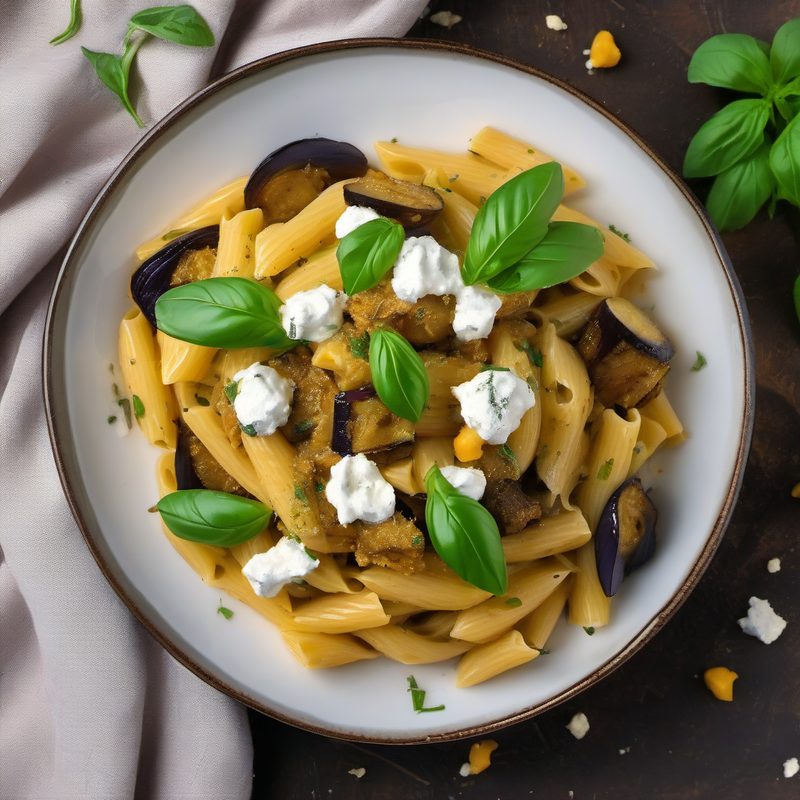
Pasta Asparagus Octopus Burrata
A stunning spring pasta that brings together tender braised octopus, a velvety asparagus cream, and luscious fresh burrata — rich, elegant, and surprisingly achievable at home. The octopus is simmered with wine and aromatics until fork-tender, then seared to a crispy golden crust before being diced and tossed with orecchiette and fricelli in a creamy asparagus sauce. A heart of burrata on top melts into every bite, making this one of the most impressive pasta dishes you'll ever serve from your own kitchen.
| Amount | Ingredient |
|---|---|
| 5 oz (150 g) | Fresh orecchiette |
| 5 oz (150 g) | Fresh fricelli (or substitute with cavatelli or small shells) |
| 2¼ lb (1 kg) | Octopus, cleaned (tentacles and body, head removed) |
| 1 lb (500 g) | Asparagus, tough ends trimmed |
| 7 oz (200 g) | Fresh burrata, at room temperature |
| 1 clove | Garlic, smashed |
| ½ cup (120 ml) | Dry red wine (such as Primitivo or Nero d'Avola) |
| 2 | Bay leaves |
| 1 tsp | Black peppercorns |
| Fine sea salt | |
| Extra-virgin olive oil |
This is the kind of pasta that stops conversation when you bring it to the table — and it starts with octopus, which intimidates many home cooks but actually demands nothing more than patience and a single pot. Here's the secret: you simmer it gently in water infused with red wine, bay leaves, and peppercorns until it's meltingly tender (the classic three-dip method before full submersion curls the tentacles into their characteristic shape). While the octopus cooks, you transform a bundle of asparagus into two components: a silky, brilliant green cream from the stalks, and crisp-tender tips for garnish. Everything comes together in a single pan: the asparagus cream forms the sauce base, the seared octopus lends its deep, savory flavor, and handfuls of orecchiette and fricelli catch every bit of sauce in their ridges and curls. The final flourish — a whole burrata nestled on top — turns this into a dish of extraordinary richness and luxury, where cool, creamy cheese meets warm, savory pasta in every forkful. It looks like a chef's creation, tastes like one too, and the only secret is giving the octopus the time it deserves.
Use level tablespoons and standard US measuring cups. Octopus should be fully cleaned — ask your fishmonger to remove the beak, eyes, and ink sac. If using frozen octopus (which is often more tender), thaw completely in the refrigerator overnight. Fresh fricelli are small, hollow, curled pasta shapes from Puglia; if unavailable, substitute cavatelli, orecchiette, medium shells, or gemelli. The burrata should be at room temperature so its creamy heart flows when cut — take it out of the refrigerator 30 minutes before serving.
🥘 Equipment
- Large pot (8 qt / 8 L minimum) for cooking octopus
- Large skillet or sauté pan (12-inch / 30 cm)
- Chef's knife and cutting board
- Vegetable peeler (for peeling asparagus stalks)
- Immersion blender or standard blender (for asparagus puree)
- Colander
- Tongs
- Slotted spoon
- Measuring cups and spoons
- Wooden spoon or heat-resistant spatula
- Paper towels (for patting octopus dry)
- Large bowl
- Small bowl for asparagus puree
📋 Preparation
Step 1 — Braise the Octopus (5 minutes active + 30–40 minutes simmering)
Prepare the poaching liquid: Fill the large pot with enough water to fully submerge the octopus (about 3 to 4 quarts / 3 to 4 L). Add the red wine, bay leaves, black peppercorns, and 1 heaping tablespoon of fine sea salt. Bring to a rolling boil over high heat.
The three-dip method: Using tongs, grip the octopus by the head end and lower the tentacles into the boiling water for 5 seconds. Lift it out completely. Repeat this lowering-and-lifting process two more times (three dips total). This technique, classic in Italian coastal cooking, causes the tentacles to curl into their signature graceful shape and helps the skin stay intact during cooking.
Submerge and simmer: After the third dip, fully submerge the octopus in the water. Reduce the heat to medium-low so the liquid is at a gentle simmer — small bubbles rising, not a vigorous boil. Cover the pot and cook for 30 to 40 minutes. The octopus is ready when a knife slides into the thickest part of a tentacle with no resistance — the flesh should feel tender, almost gelatinous.
Boiling octopus aggressively will make it tough and rubbery — the key is a gentle, lazy simmer. The red wine isn't just for flavor; its acidity helps break down the octopus's collagen, making the flesh more tender. Red wine also gives the octopus a beautiful deep color that contrasts with the green asparagus cream. When properly cooked, octopus transforms from something potentially chewy into something luxuriously tender — it should yield to gentle pressure like a perfectly braised piece of meat.
Step 2 — Prepare the Asparagus (10 minutes, concurrent with Step 1)
Trim and peel: Rinse the asparagus under cold water. Snap off the woody ends — they'll naturally break where the tender part begins (usually about 1 to 2 inches / 2.5 to 5 cm from the bottom). Using a vegetable peeler, peel the lower half of each stalk; this removes the fibrous outer layer without wasting the tender spear. Reserve the tips (the top 2 inches / 5 cm) separately from the stalks.
Cut the stalks: Slice the peeled asparagus stalks into ½-inch (1 cm) pieces. Leave the asparagus tips whole — they'll be sautéed separately for a crisp-tender garnish.
Cook the stalks: Place the large skillet over high heat and add 2 tablespoons of extra-virgin olive oil. Add the smashed garlic clove and cook, stirring, until fragrant — about 30 seconds. Add the sliced asparagus stalks and a splash of hot water (about ¼ cup / 60 ml). Cook, stirring occasionally, until the asparagus stalks are very tender and starting to break down, about 10 minutes. The water helps steam them while the oil prevents sticking.
Blend into cream: Transfer the cooked asparagus stalks (discard the garlic clove) to a blender or use an immersion blender in a deep cup. Blend until completely smooth and velvety, adding 1 to 2 tablespoons of hot water if needed to achieve a thick, creamy consistency. Season with ¼ teaspoon of fine sea salt. Set aside. Wipe out the skillet.
Peeling the asparagus stalks might seem fussy, but it's essential — the outer skin of the lower stalk is fibrous and stringy, and peeling it reveals the tender, sweet interior that blends into a supremely silky puree. The peeled asparagus cream is the secret heart of this sauce: it provides body, color, and a sweet, grassy flavor that pairs beautifully with the rich octopus and creamy burrata. Don't skimp on the cooking time — the stalks need the full 10 minutes to become soft enough to blend into a truly creamy puree.
Step 3 — Sauté the Asparagus Tips (3 minutes, concurrent with Step 1)
Cook the tips: Return the skillet to medium-high heat and add 1 tablespoon of extra-virgin olive oil. Add the asparagus tips and cook, undisturbed, for 1 minute. Toss and continue cooking until they're crisp-tender and bright green with a few charred spots — about 2 minutes more. Transfer to a plate and set aside.
The tips cook quickly and should retain a slight crunch — they provide textural contrast against the creamy sauce and tender octopus. Overcooking will make them limp and drab.
Step 4 — Sear and Dice the Octopus (5 minutes)
Drain and cool: When the octopus is tender, use tongs or a slotted spoon to transfer it to a large bowl or cutting board. Let it cool for 2 to 3 minutes until cool enough to handle. Reserve ½ cup of the cooking liquid.
Sear: Pat the octopus very dry with paper towels — moisture is the enemy of a good sear. Heat the skillet over high heat and add 2 tablespoons of extra-virgin olive oil. When the oil is shimmering, add the whole octopus tentacles (work in batches if necessary). Sear without moving for 2 to 3 minutes per side until a deep golden-brown, crispy crust forms. The contrast between the crisp exterior and the tender interior is one of the dish's great pleasures.
Dice: Transfer the seared octopus to a cutting board. When cool enough to handle (about 1 minute), cut the tentacles into ½-inch (1 cm) pieces. Cut the body/head portion similarly. You should have about 2½ cups of diced octopus.
The searing step is non-negotiable — it transforms bland, braised octopus into something compelling. The crust adds texture and concentrated savory flavor. Pat the octopus very dry before searing; any residual moisture will cause it to steam instead of brown. Don't rush this step — a proper golden crust takes the full 2 to 3 minutes per side.
Step 5 — Cook the Pasta (8–10 minutes, concurrent with Step 4)
Boil the pasta water: While the octopus sears, bring a large pot of generously salted water (about 1½ tablespoons kosher salt per 4 quarts of water) to a rolling boil over high heat.
Cook the pasta: Add the orecchiette and fricelli and cook until al dente — fresh pasta will cook faster than dried, typically 3 to 5 minutes, but follow the package timing as a guide. The pasta should be tender but still offer slight resistance when bitten.
Reserve pasta water: Before draining, scoop out 1½ cups of the starchy pasta cooking water and set it aside.
Drain the pasta: Drain well but do not rinse — the surface starch is essential for helping the sauce cling.
Step 6 — Assemble the Dish (3 minutes)
Combine the sauce: Return the skillet to medium heat. Add the asparagus cream and ½ cup of the reserved octopus cooking liquid. Stir to combine and warm through, about 1 minute.
Add the pasta: Add the drained orecchiette and fricelli to the skillet. Toss to coat each piece in the vibrant green sauce. If the mixture seems thick, add reserved pasta water 1 tablespoon at a time until the sauce flows freely and coats the pasta.
Add the octopus and tips: Add most of the diced octopus (reserve a handful for garnish) and most of the asparagus tips (reserve a few for garnish). Toss gently to distribute. Cook for 1 minute to let the flavors meld.
The sauce should be silky and generous, coating every piece of pasta. Add pasta water a little at a time — the starch helps the sauce cling, but too much will thin it out.
Step 7 — Serve (immediately)
Plate: Divide the pasta among 4 warmed shallow bowls. Make a small well in the center of each serving.
Add the burrata: Place half a burrata (about 2.5 oz / 75 g — tear it in half with your hands) in the center of each bowl. The creamy heart will begin to melt into the warm pasta immediately.
Garnish: Top each serving with the reserved diced octopus and asparagus tips. Drizzle with a final swirl of good extra-virgin olive oil. Finish with a few grinds of fresh black pepper and a pinch of flaky sea salt (such as Maldon). Serve at once.
The burrata should be added just before serving — its cool, creamy interior is meant to melt into the hot pasta at the table, creating a luxurious sauce of its own. Don't stir it in; let your guests break it open themselves. The contrast between the warm, savory pasta and the cool, lush burrata is the moment this dish comes into its own.
🧑🍳 Chef's Tips
- Don't fear the octopus. Cooking octopus from scratch is far easier than most people think. The three-dip method ensures tender, curled tentacles, and the gentle simmer with wine and aromatics infuses it with flavor. If you're still nervous, ask your fishmonger if they carry frozen, pre-cleaned octopus — freezing actually breaks down the collagen and makes the octopus even more tender. Thaw completely in the refrigerator overnight before cooking.
- Peel the asparagus stalks thoroughly. The lower half of each asparagus stalk has a tough, fibrous outer skin that won't break down during cooking. A vegetable peeler quickly removes this layer, revealing the sweet, tender interior. The peeled stalks blend into a silkier, more luxurious puree — this one step separates a good sauce from a great one.
- Bring the burrata to room temperature before serving. Cold burrata straight from the refrigerator is firm and less flavorful, and it won't melt into the pasta the way room-temperature burrata does. Take it out of the fridge 30 to 45 minutes before serving. When it's ready, the outer shell should feel soft and the interior should be liquid-creamy.
- Warm your serving bowls. This dish is all about contrasting temperatures — warm pasta, cool burrata — and cold bowls will steal heat from the pasta instantly. Run the bowls under hot tap water for 30 seconds, dry them, and serve immediately. The burrata needs the ambient heat of the warm pasta to melt properly.
- Reserve extra pasta water. Even after the sauce looks perfect, the pasta will continue absorbing liquid as it sits. Keep that extra cup of pasta water on hand to revive the dish before serving leftovers.
❌ Common Mistakes
| Mistake | Why It Hurts | The Fix |
|---|---|---|
| Boiling the octopus at a full boil | Aggressive boiling makes octopus flesh tough and rubbery — the proteins contract violently and squeeze out moisture | Maintain a gentle simmer (small bubbles rising to the surface, not a vigorous boil) for the entire cooking time |
| Skipping the three-dip method | Without the pre-boil dips, the tentacles may not curl into their signature shape and the skin can peel off during cooking | Dip the octopus into the boiling water three times, 5 seconds each, before fully submerging. This sets the skin and curls the tentacles |
| Not peeling the asparagus stalks | Unpeeled stalks produce a stringy, fibrous puree — the tough outer skin doesn't break down in the blender | Always peel the lower half of each asparagus stalk with a vegetable peeler before cooking |
| Searing the octopus while still wet | Any moisture on the octopus surface will cause it to steam instead of sear, resulting in pale, leathery flesh with no crust | Pat the cooked octopus very dry with paper towels before adding it to the hot oil |
| Overcooking the asparagus tips | Tips become limp, mushy, and lose their bright green color — the texture contrast between crisp tips and creamy sauce is lost | Cook tips over high heat for just 2 to 3 minutes total; they should be crisp-tender with bright green color and a few charred spots |
| Adding cold burrata | Cold burrata stays firm and separate from the pasta, failing to create the creamy melt that defines this dish | Bring burrata to room temperature for 30 to 45 minutes before serving; its creamy heart should flow when cut |
| Using too much pasta water in the sauce | An overly thin sauce won't cling to the pasta and will pool at the bottom of the bowl | Add pasta water 1 tablespoon at a time, tossing after each addition, until the sauce coats the pasta without pooling |
| Rinsing the cooked pasta | Rinsing washes away the surface starch that helps the asparagus cream sauce adhere to the pasta | Drain the pasta without rinsing — the starch is your ally in creating a silky, cohesive sauce |
| Stirring the burrata into the pasta | The burrata should be experienced as separate creamy pockets that meld with each bite, not a uniform creamy sauce | Nestle the burrata in the center of each serving and let diners break it open themselves at the table |
💡 Variations
| Variation | How To |
|---|---|
| Add Chili Heat | Add ½ teaspoon of red pepper flakes (or 1 small dried Calabrian chili, crumbled) to the oil when sautéing the asparagus stalks. The gentle heat cuts through the richness of the burrata and complements the savory octopus |
| Lemon and Herb Finish | Add the zest of 1 lemon and 2 tablespoons of chopped fresh parsley to the pasta in the final tossing step. A squeeze of lemon juice over each serving brightens the dish and balances the creamy burrata |
| Substitute Squid or Calamari | If octopus is unavailable or too expensive, substitute 1 lb (450 g) of cleaned squid bodies and tentacles. Braise for only 20 minutes, then sear and dice as directed. Squid is more delicate — don't overcook |
| Asparagus and Pea Cream | Replace ¼ of the asparagus with shelled fresh or frozen peas (½ cup / 75 g). Cook the peas alongside the asparagus stalks and blend together for a sweeter, even more vibrantly green cream. Peas and asparagus are a classic spring combination |
| Add Pancetta or Guanciale | Render 4 oz (115 g) of diced pancetta or guanciale in the skillet before sautéing the asparagus stalks. Remove the crispy pieces, then proceed with the recipe. Sprinkle the rendered meat over the finished pasta alongside the reserved octopus. The salty, porky crunch adds another layer of richness |
| Pasta Swap | Use any short, rugged pasta shape that catches sauce: rigatoni, gemelli, mezze maniche, or medium shells all work beautifully. Avoid long, thin pastas — the octopus pieces and asparagus will slide off |
| Make it Dairy-Free | Omit the burrata entirely — the asparagus cream is already rich enough to stand on its own. Add a final splash of extra-virgin olive oil and a squeeze of lemon to replace the creaminess of the cheese |
| Grilled Octopus Version | Instead of braising, grill the octopus. Simmer in wine water for 20 minutes (not full tenderness — it will finish on the grill). Then pat dry, brush with olive oil, and grill over high heat for 3 to 4 minutes per side until charred and tender. Dice and proceed. The smoky char adds a spectacular depth of flavor |
❄️ Storage & Leftovers
| Method | Details |
|---|---|
| Refrigerator | Store in an airtight container for up to 2 days. The asparagus cream will stay vibrant, but the octopus will lose its crispy crust and soften. The burrata should never be stored in the assembled dish — remove any leftover burrata before refrigerating and add fresh burrata when serving leftovers |
| Reheating | The best method is in a skillet over medium-low heat with 2 tablespoons of water or reserved pasta water per serving. Toss gently for 2 to 3 minutes until heated through. The steam rehydrates the pasta. Finish with fresh burrata (room temperature) and a drizzle of olive oil. Avoid the microwave — it turns the octopus rubbery and the asparagus cream drab |
| Freezing | Not recommended. The asparagus cream will separate upon thawing, the octopus becomes tough, and the pasta will turn to mush. This dish is at its absolute best fresh. If you must, freeze only the diced cooked octopus (without the sauce or pasta) for up to 1 month — thaw overnight in the refrigerator and use in a fresh batch of pasta |
| Reviving leftovers | If the refrigerated sauce seems thick, add a splash of water or pasta water before reheating. The asparagus cream may darken slightly — a squeeze of fresh lemon juice brightens both the color and the flavor. Always finish with fresh burrata, not leftover pieces |
🍷 Wine Pairing
| Wine | Why |
|---|---|
| Etna Rosso (Sicily) | The classic Sicilian pairing — a light-to-medium red made from Nerello Mascalese grapes grown on the volcanic slopes of Mount Etna. Expect bright red cherry, dried strawberry, volcanic minerality, and a distinct herbal, almost smoky note that echoes the seared octopus. The moderate tannins and bright acidity cut through the creamy burrata and asparagus while complementing the red wine the octopus was braised in. An extraordinary, terroir-driven match |
| Primitivo di Manduria (Puglia) | From the same region where orecchiette and fricelli are traditional, Primitivo (the Italian cousin of Zinfandel) offers ripe blackberry, plum, black cherry, and a warm, spicy finish. The generous fruit and medium tannins stand up to the rich burrata and savory octopus, while the ripe, sun-drenched character echoes the asparagus cream's sweet, grassy notes. A more approachable, fruit-forward choice that works beautifully with the dish's richness |
| Verdicchio dei Castelli di Jesi (Marche) | If you prefer white wine, this is the one — a medium-bodied, savory white with lemon zest, green almond, white flowers, and a distinctive bitter-almond finish. The bright acidity and saline minerality cut through the burrata's creaminess like a knife, while the savory, nutty character harmonizes with the asparagus and octopus. A stunning, unexpected pairing from one of Italy's most underrated white wine regions |
| Vermentino di Sardegna (Sardinia) | Crisp, zesty, and mineral-driven with notes of green apple, white peach, and crushed stone. The bright acidity and saline finish cut through the burrata and olive oil, while the citrusy character lifts the asparagus cream. A perfect white-wine alternative that won't overwhelm the delicate balance of the dish |
| Cerasuolo d'Abruzzo (Abruzzo) | A dry, vibrant rosé with red berry, herb, and citrus notes. The crisp acidity and medium body provide a beautiful middle ground between red and white — substantial enough for the octopus and burrata, bright enough for the asparagus. The subtle red fruit doesn't compete with the dish's flavors. Particularly lovely when served slightly chilled on a warm spring evening |
| Nero d'Avola (Sicily) | Sicily's most widely planted red grape, Nero d'Avola offers dark cherry, plum, black pepper, and Mediterranean herbs. Full-bodied with moderate tannins and a warm, sun-baked character, it's an excellent match for the richness of the burrata and the savory depth of the octopus. The wine's natural acidity keeps things fresh against the creamy asparagus sauce |
🍺 Beer Pairing
| Beer | Why |
|---|---|
| Italian Pilsner (such as Birrificio Italiano Tipopils or Moretti La Rossa) | A crisp, clean Italian pilsner with moderate bitterness and a dry finish cuts through the creamy burrata and olive oil without overwhelming the delicate asparagus and octopus. The light body and bright carbonation refresh the palate between each rich, savory bite. Perfect as a table beer throughout the meal |
| Belgian Saison or Farmhouse Ale | The characteristic peppery, spicy, and slightly fruity notes of a saison complement the herbal character of the asparagus and the black pepper finish. The moderate carbonation and dry finish cut through the richness, while the earthy, funky undertones create an intriguing counterpoint to the briny octopus. A Saison Dupont or a local farmhouse ale would work beautifully |
| Italian Grape Ale (such as Birra del Borgo L'Equilibrista or Baladin Nazionale) | IPA—Italian Grape Ale—is a uniquely Italian style that blends beer with wine grapes or grape must. The resulting brew has wine-like acidity, fruity esters, and beer's carbonation and body. The grape character echoes the red wine used in braising the octopus, while the beer's structure stands up to the burrata. A brilliant, conversation-starting pairing |
🥗 Suggested Side Dishes
- Simple arugula and shaved fennel salad with lemon vinaigrette — Peppery arugula and thinly shaved fennel tossed with a bright lemon vinaigrette (2 parts olive oil, 1 part lemon juice, a pinch of salt and pepper). The crisp, anise-flavored fennel and sharp arugula cut through the richness of the burrata and octopus, providing a clean, refreshing contrast
- Warm crusty bread with olive oil — A crusty ciabatta or sourdough loaf with a dish of good extra-virgin olive oil for dipping. Essential for sopping up the last traces of asparagus cream and melted burrata from the bottom of the bowl
- Blistered cherry tomatoes with garlic and basil — Halved cherry tomatoes, quickly blistered in a hot skillet with olive oil, garlic, and torn basil until just softened. The sweet acidity of the tomatoes provides a bright counterpoint to the creamy burrata and rich octopus, and they add a pop of color to the table
- Grilled radicchio with balsamic glaze — Halved heads of radicchio, grilled or roasted until wilted and slightly charred, then drizzled with balsamic glaze. The bitter, smoky notes balance the richness of the pasta and add a bitter- greens complexity that's very Italian
- Sautéed spinach with garlic and lemon — A quick sauté of fresh spinach with olive oil, garlic, and a squeeze of lemon juice. Light, bright, and ready in minutes — the lemon cuts through the burrata and complements the asparagus beautifully
- Fennel and orange salad with black olives — Thinly sliced raw fennel bulb tossed with orange segments, extra-virgin olive oil, flaky sea salt, and a few pitted black olives. Bright, crisp, and refreshing — the citrus and anise notes cleanse the palate between bites of the rich pasta. Particularly good with the white wine pairings
📊 Nutrition (per serving, estimated)
| Calories | Protein | Fat | Carbs | Fiber |
|---|---|---|---|---|
| 590 | 42 g | 22 g | 52 g | 5 g |
Nutrition values are estimates based on 4 servings using 5 oz fresh orecchiette, 5 oz fresh fricelli, 2¼ lb cleaned octopus (loses ~40% weight during cooking), 1 lb asparagus, 7 oz burrata, ½ cup red wine (most evaporates), and 3 tablespoons extra-virgin olive oil for cooking plus 1 tablespoon for finishing. Actual values will vary based on specific brands, the actual yield from cooking the octopus, and the amount of olive oil absorbed. Octopus is an excellent source of high-quality protein, selenium, vitamin B12, and iron, with very little saturated fat. Asparagus is rich in fiber, folate, and vitamins A, C, and K. Burrata adds calcium and protein but is also the primary source of saturated fat in the dish. To reduce calories, use half the burrata (about 1 oz / 28 g per serving) or substitute with fresh mozzarella, and reduce the finishing olive oil drizzle. Note: octopus is a lean, heart-healthy protein source low in mercury compared to many larger predatory fish.
❓ Frequently Asked Questions
Is cooking octopus from scratch really worth it?
Absolutely — and it's much easier than you think. Pre-cooked octopus is sometimes available at fish counters, but it's almost always overcooked, rubbery, and lacks the flavor that comes from braising in wine and aromatics. The active work is minimal: you simply simmer it gently for 30 to 40 minutes, then sear it briefly before serving. The three-dip method (low, hold, repeat) is a simple ritual that ensures perfectly curled tentacles and tender flesh. The difference between homemade and pre-cooked is night and day — the texture is tender and juicy, not rubbery.
Can I use frozen octopus?
Yes, and in many cases frozen octopus is actually preferred. The freezing process breaks down the muscle fibers and collagen, resulting in even more tender octopus after cooking. Many top Italian seafood restaurants use high-quality frozen octopus for this reason. Thaw it completely in the refrigerator overnight (never at room temperature), then cook it exactly as directed. If the package says "pre-tenderized" or "pre-frozen for tenderness," you're in for particularly good results. Reduce the simmering time by about 5 to 10 minutes — test for doneness with a knife at the 25-minute mark.
How do I know when the octopus is done?
The best test is the knife test: insert a sharp knife into the thickest part of a tentacle (near where it attaches to the head). It should slide in with little to no resistance — the flesh should feel tender, almost like a perfectly cooked piece of braised meat. Another test: pinch a tentacle between your thumb and forefinger; properly cooked octopus is tender and yields easily. If the knife meets resistance, continue simmering and check again in 5-minute intervals. Overcooking (leaving it in too long at a strong boil) will make it tough; undercooking will make it rubbery. The gentle simmer is the key.
What can I substitute for fricelli?
Fricelli are a traditional Pugliese pasta shape — small, hollow, curled crescents that catch sauce beautifully. If you can't find them, excellent substitutes include cavatelli (also from Puglia, similar shape), orecchiette (the classic Pugliese ear shape), medium shell pasta (conchiglie), or gemelli (twisted spirals). Any short, textured pasta shape that holds onto sauce will work. The total weight of fresh pasta should remain 10 oz (300 g). If using dried pasta, use about 8 oz (225 g) total.
What's the best substitute for burrata?
If you can't find fresh burrata, fresh mozzarella is the closest substitute — but it won't have the same creamy, flowing center. Look for "burrata" at well-stocked supermarkets, Italian delis, or specialty cheese counters; it has become widely available in recent years. For a similar effect, you could use stracciatella (the creamy interior of burrata, sometimes sold separately) or a high-quality fresh mozzarella di bufala, torn into pieces and nested in the center of the pasta. The dish will still be delicious — just less extravagantly creamy.
Can I use green asparagus instead of white?
The recipe calls for standard green asparagus, which is what's widely available in US supermarkets. If you find white asparagus (common in European spring markets), it will work as well — the flavor is slightly milder and more delicate, and the color will be paler. You may want to peel white asparagus more aggressively, as the skin is tougher. Do not use purple asparagus, which turns an unappealing gray-green when cooked.
The sauce seems thin — how do I thicken it?
The asparagus cream should be thick enough to coat the back of a spoon after blending. If it's too thin after cooking the stalks, you may have added too much water. Simmer the blended puree in the skillet over medium heat for 1 to 2 minutes, stirring constantly, to reduce it. Alternatively, you can add an extra ½ cup of drained, diced asparagus stalks from a second bunch (if you have one). The sauce will also thicken naturally as it combines with the pasta water and coats the pasta — don't judge the final consistency until everything is tossed together.
Can I make the asparagus cream ahead of time?
Yes — the asparagus cream can be made up to 1 day in advance. Blend it as directed, let it cool completely, and store it in an airtight container in the refrigerator. The color may darken slightly overnight (this is natural oxidation — a squeeze of lemon juice helps preserve the bright green color). When ready to use, warm it gently in the skillet over medium heat, adding a splash of water if it has thickened too much in the fridge. Cook the octopus, pasta, and asparagus tips fresh the day of serving.
🔗 Related Recipes
- Orecchiette with Broccoli Rabe and Anchovy (Orecchiette con cime di rapa) (page 34)
- Spaghetti with Squid Ink, Mussels, and Shrimp (Spaghetti alla chitarra al nero di seppia) (page 14)
- Pasta with Swordfish and Fava Beans (Pasta con pesce spada e fave) (page 111)
- Tagliatelle with Zucchini Flowers and Shrimp (Tagliatelle con fiori di zucca e gamberi) (page 107)
- Pasta with Zucchini and Shrimp (Pasta con zucchine e gamberi) (page 98)
- Bucatini with Sardines, Fennel, and Raisins (Bucatini con le sarde) (page 94)
- Raviolone with Egg Yolk, Ricotta, and Asparagus (Raviolone con tuorlo e asparagi) (page 114)
- Spaghetti with Chue Chue and Bottarga (page 110)
🏷️ Search Tags
📸 Photo Reference
Photo reference: `vol1_117.png` — A wide, shallow ceramic bowl filled with orecchiette and fricelli tossed in a vibrant, velvety green asparagus cream sauce. Golden-brown, crispy-edged pieces of seared octopus are scattered throughout the pasta, along with bright green crisp-tender asparagus tips. In the center of the bowl, a whole burrata is nestled into the warm pasta, its creamy heart just beginning to flow and pool around the edges. The octopus pieces are deeply bronzed on one side, showing the contrast between the seared crust and the tender interior. Scattered asparagus tips in bright emerald green add pops of color. A final drizzle of golden-green extra-virgin olive oil catches the warm daylight. Shot from a 45-degree overhead angle on a weathered wooden table with a linen napkin and a glass of ruby-red Etna Rosso in the background. Warm, golden afternoon light — rich, inviting, and rustic-elegant. A small dish of flaky sea salt and a cracked pepper mill complete the scene on the side.
Recipe from "The Italian Kitchen" by Vita Milanese — Volume 1: Pasta Perfetto
Recipe from The Italian Kitchen by Vita Milanese — Volume 1 · Pasta Perfetto. Discover all volumes on the ebook page.