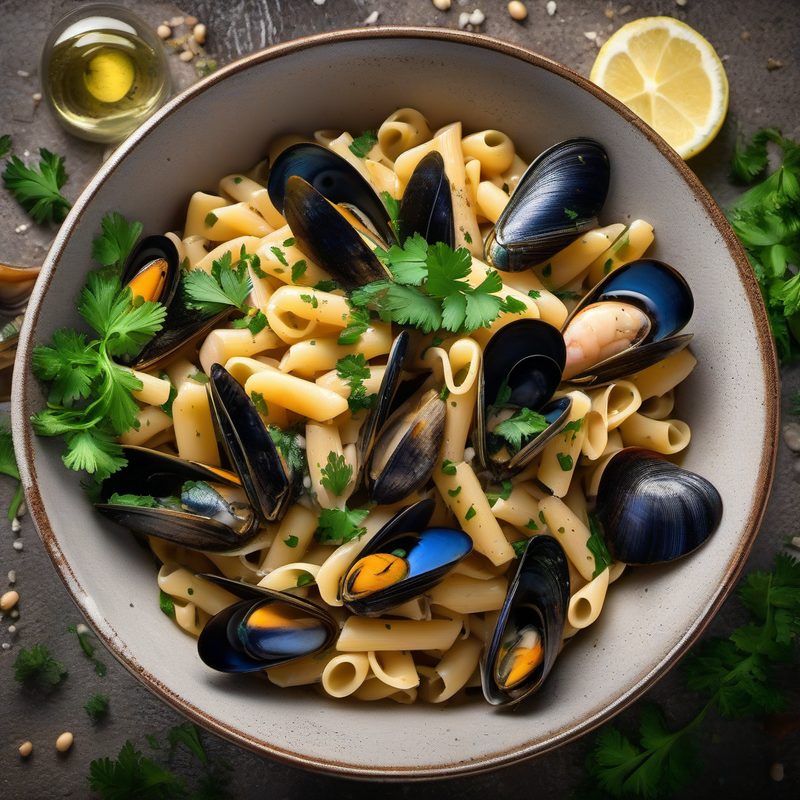
Pasta Mantis Shrimp Prawns
A stunning Adriatic seafood pasta where sweet mantis shrimp and tender prawn tails mingle with a bright, garlicky tomato sauce — proof that the most memorable pasta dishes come from the sea's most curious creatures.
| Amount | Ingredient |
|---|---|
| Spaghetti Alle Canoce (Shell-On Style) | Cook the mantis shrimp whole (shell on) after scoring the shells with kitchen shears. Toss the finished spaghetti with the whole shrimp and let diners extract the meat at the table — messy, interactive, and deeply traditional |
Along the Adriatic coast, from the lagoons of Veneto down to the sandy shores of Puglia, canoce (mantis shrimp) are a prized delicacy — fierce little crustaceans with iridescent shells and sweet, lobster-like meat. Known also as pannocchie or cicale di mare (sea cicadas) for the buzzing sound they make, these remarkable creatures are the soul of this dish. Paired with plump prawn tails, their natural sweetness is enhanced by a simple soffritto of garlic and chili, then brightened with white wine and halved cherry tomatoes that collapse into a light, flavourful sauce. The pasta — traditionally a mista blend of short shapes, though spaghetti works beautifully — catches every bit of the sauce, while fresh parsley adds a clean, herbaceous finish. This is coastal Italian cooking at its most honest: few ingredients, bold flavours, and a deep reverence for the catch of the day.
Mantis shrimp have a hard, jointed exoskeleton that needs to be removed before eating. You can buy them already peeled from a good fishmonger, or cook them whole-shell-on (which adds flavour to the sauce) and let diners extract the meat at the table. If using whole mantis shrimp, increase the quantity to 400 g (14 oz) to account for shell weight.
🥘 Equipment
- Large pasta pot (6-qt / 6 L)
- Large skillet or sauté pan (12-inch / 30 cm)
- Chef's knife and cutting board
- Kitchen shears (for cleaning mantis shrimp)
- Wooden spoon or spatula
- Colander
- Measuring spoons and cup
📋 Preparation
Step 1 — Clean the Seafood (10 min)
Clean the mantis shrimp: If your mantis shrimp are whole and unpeeled, rinse them under cold water. Using kitchen shears, snip along both sides of the tail shell and lift it off. Remove the head (it can be reserved for stock). Pull off the carapace and the small walking legs. You should be left with a strip of tender, translucent meat. If you prefer to cook them shell-on, simply rinse well and snip the shell edges with shears a few times to allow the flavour to penetrate — your guests will need to peel them at the table.
Prepare the prawns: If the prawn tails have shells, peel them, leaving the very last tail segment on if you like for presentation. Devein each prawn by running a sharp knife along the back and pulling out the dark intestinal thread with the tip of the knife. Pat all seafood very dry with paper towels.
Why dry the seafood thoroughly? Moisture creates steam in the pan, which prevents the browning (the Maillard reaction) that builds deep, savoury flavour. The drier the seafood, the better the sear.
Step 2 — Prepare the Aromatics and Produce (5 min)
Slice the garlic thinly. Halve the chili lengthwise, remove seeds and white membrane for less heat (or leave them in for more spice), then slice into thin half-rings. Halve the cherry tomatoes. Finely chop the parsley. Set everything within arm's reach — this dish moves fast once the pan is hot.
Step 3 — Bring the Pasta Water to a Boil
Fill the large pot with generously salted water (about 1½ tablespoons of salt per 5 L / 5 qt) and bring to a rolling boil.
Step 4 — Sauté Garlic and Chili (2 min)
While the water comes to a boil, heat the olive oil in the large skillet over medium heat. Add the sliced garlic and chili (or red pepper flakes) and cook, stirring constantly, for 45 to 60 seconds until the garlic is fragrant and just beginning to turn pale gold around the edges. Do not let the garlic brown — it will continue cooking as the seafood is added.
The goal here is to infuse the oil with garlic and chili without burning either. Burnt garlic turns bitter; burnt chili turns acrid. If the pan seems too hot, lift it off the heat briefly before adding the seafood.
Step 5 — Sear the Seafood (3 min)
Add the mantis shrimp and prawn tails to the pan in a single layer — work in two batches if needed to avoid overcrowding. Cook undisturbed for 1½ to 2 minutes until the undersides are golden and lightly caramelised. Flip each piece and cook another 1 minute on the second side. The mantis shrimp meat should turn opaque and feel firm to the touch; the prawns should be pink and lightly curled.
Overcrowding causes the seafood to steam rather than sear, robbing you of the browned fond (sucs) that builds the sauce's backbone. A single layer with breathing room is essential.
Step 6 — Deglaze with Wine (2 min)
Pour in the white wine — it should sizzle and steam vigorously. Using the wooden spoon, scrape up all the browned bits from the bottom of the pan (the fond). Let the wine bubble and reduce by about half, 1 to 2 minutes, until the raw alcohol smell has disappeared and the liquid has thickened slightly.
The wine's acidity balances the sweetness of the seafood and tomatoes. Reducing it concentrates flavour and eliminates harshness — don't skip this step.
Step 7 — Add the Tomatoes (5 min)
Add the halved cherry tomatoes to the pan. Stir gently to combine. Reduce the heat to medium-low and cook, uncovered, for 5 minutes, stirring occasionally. The tomatoes should begin to soften and collapse, releasing their juices and merging with the reduced wine and oil to form a light, emulsified sauce. Taste and season with a pinch of salt and a generous grind of black pepper.
The sauce should be loose and brothy — not thick like a ragù. If it looks dry, add a splash of the pasta water (once it's boiling) to loosen it. The finished sauce will cling to the pasta without being heavy.
Step 8 — Cook the Pasta
When the sauce is about 3 minutes from done, add the mixed pasta (or spaghetti) to the boiling water. Cook according to package directions until al dente (about 1 minute less than the suggested time). Reserve about 1 cup (240 ml) of pasta cooking water before draining.
If using mixed pasta shapes, choose varieties that cook in roughly the same time — a blend of short tubular shapes (mezze maniche, penne) and smaller shapes (ditalini, conchigliette) works beautifully. If the shapes have different cooking times, stagger their addition to the boiling water.
Step 9 — Toss and Finish (2 min)
Drain the pasta (do not rinse) and add it directly to the skillet with the seafood and sauce. Toss energetically over low heat, using tongs or a wooden spoon, until every piece of pasta is coated and the sauce has emulsified with the starchy water. If the sauce seems too thick, add a splash of the reserved pasta water — the starch will help it cling to the pasta and create a glossy, cohesive finish.
Turn off the heat. Sprinkle the chopped parsley over the top and toss once more. Taste and adjust seasoning — a final grind of black pepper and a light drizzle of fresh olive oil just before serving are traditional.
Serve immediately in warm bowls.
The finished dish should glisten: pink prawns and pearly mantis shrimp nestled among pasta strands or shapes, all bound by a light, tomato-flecked sauce that pools at the bottom of the bowl. The mantis shrimp meat is sweet and firm, reminiscent of lobster but more delicate — a true Adriatic treasure.
🧑🍳 Chef's Tips
- Fresh mantis shrimp are essential — and rare. Mantis shrimp are highly perishable and are best cooked the same day they're caught. Look for specimens with intact shells, a fresh sea-breeze scent (never ammonia-like), and shells that feel firm, not soft or brittle. If mantis shrimp are unavailable, substitute with 300 g (10 oz) of small langoustines or even raw jumbo shrimp, cut into chunks.
- Cooking shell-on vs. peeled is a matter of preference. Shell-on cooking adds more flavour to the sauce — the shells release glutamates and marine compounds that deepen the umami. However, diners must extract the meat themselves at the table, which is part of the rustic charm. For a more elegant, fork-friendly dish, peel them before cooking. Either approach is authentic.
- Don't overcook the seafood. Mantis shrimp and prawns cook in minutes. Overcooking turns them rubbery and tough. As soon as the prawns are pink and curled and the mantis shrimp is opaque and firm, they're done — remove from the pan if the sauce needs more time before the pasta is ready.
- Save the shells for stock. Don't throw away the mantis shrimp heads, carapaces, and prawn shells — simmer them with water, a bay leaf, and a splash of white wine for 20 minutes to make a quick seafood stock. Use it in risotto, fish soups, or to deglaze this very dish next time.
- The pasta water is liquid gold. The starch in the reserved cooking water is what emulsifies the oil and tomato juices into a sauce that clings to the pasta. Add it a tablespoon at a time until the consistency is perfect — glossy and loose but not watery.
- Let the pasta finish cooking in the sauce. Draining the pasta a minute early and finishing it in the skillet with the sauce allows it to absorb the flavours and reach the perfect al dente texture. This technique (called mantecatura in Italian) is the hallmark of great pasta cooking.
❌ Common Mistakes
| Mistake | Why | Fix |
|---|---|---|
| Overcooking the mantis shrimp | Mantis shrimp go from tender to rubbery in seconds — they need only 2-3 minutes total in the pan | Sear quickly over medium-high heat and remove from the pan as soon as they turn opaque and firm; return only to warm through at the end |
| Overcrowding the pan | Adding too much seafood at once drops the pan temperature, causing steaming instead of searing — no fond develops | Cook the seafood in two batches if needed; a single layer with space between each piece is non-negotiable |
| Burning the garlic and chili | Thinly sliced garlic and chili go from golden to acrid in seconds, ruining the oil's flavour base | Keep the heat at medium and stir constantly; remove the pan from the heat if the garlic starts darkening before the seafood is added |
| Skimping on pasta water | The sauce won't emulsify without starch — it stays thin and separates from the pasta | Reserve at least 1 cup (240 ml) of pasta cooking water; add incrementally until the sauce clings to the pasta with a glossy finish |
| Using too much salt early | The natural brine of the seafood, plus the salt in the pasta water, provides significant salinity — adding more salt too early can ruin the dish | Season the sauce lightly and adjust at the very end, just before serving |
| Adding the parsley too early | Parsley cooked for too long loses its bright colour and fresh flavour, turning dark and muddy | Add parsley off the heat at the very end — the residual warmth wilts it just enough |
💡 Variations
| Variation | How To |
|---|---|
| Spicy Mantis Shrimp Pasta (Pasta alla busara) | Channel the classic Grado-style pasta alla busara by using 2 chilies instead of 1 and adding 3 tablespoons of tomato passata along with the cherry tomatoes. Cook until the sauce thickens slightly — the extra heat and tomato richness are hallmarks of this Friulian classic |
| Creamy Seafood Pasta | After deglazing with wine, stir in 100 ml of heavy cream before adding the tomatoes. The cream mellows the chili's heat and creates a luscious, coral-coloured sauce — a more indulgent, northern Italian approach |
| Lemon and Herb Finish | Add the zest of 1 lemon with the garlic, and finish with a squeeze of lemon juice alongside the parsley. The bright citrus cuts through the richness and echoes the coastal origin |
| With Breadcrumbs (Pasta alla mollica) | Toast ½ cup of fresh breadcrumbs in a dry skillet with 1 tablespoon of olive oil until golden and crisp. Sprinkle over the finished pasta for a crunchy, nutty contrast — a popular Sicilian touch |
❄️ Storage & Leftovers
| Method | Details |
|---|---|
| Refrigerator | Store leftovers in an airtight container for up to 1 day. The seafood flavours will continue to meld, but the texture of both mantis shrimp and prawns will soften |
| Reheating | Reheat gently in a skillet over medium-low heat with a splash of water or reserved pasta water, tossing until warmed through (2-3 minutes). Do not microwave — it will overcook the seafood and make the sauce separate |
| Freezing | Freezing is not recommended. The delicate seafood texture and sauce emulsion will degrade significantly upon thawing |
| Make Ahead | Clean the mantis shrimp and prawns, halve the tomatoes, slice the garlic and chili, and chop the parsley up to a day ahead. Store everything separately in the refrigerator. The sauce itself is best made fresh — it comes together in under 15 minutes |
🍷 Wine Pairing
| Wine | Why |
|---|---|
| Friulano (Collio / Friuli-Venezia Giulia) | The classic pairing from the region where canoce are most celebrated — a medium-bodied white with almond, white peach, and herbaceous notes and a characteristic bitter finish that cuts through the sweet seafood |
| Verdicchio dei Castelli di Jesi (Marche) | Crisp, mineral-driven white with green apple, lemon zest, and bitter almond notes — the acidity balances the chili heat and complements the brine of the seafood |
| Etna Bianco (Sicily) | Volcanic-mineral white with citrus, wild herbs, and a saline finish — a natural partner for seafood from the same seas, with enough structure to stand up to the garlic and chili |
| Gavi di Gavi (Piedmont) | Elegant, floral, with crisp green apple and citrus notes — a lighter, more refined option that won't overpower the delicate mantis shrimp meat |
| Vermentino di Sardegna (Sardinia) | Light, crisp, with citrus and green almond notes and a distinctive saline, sea-spray character — mirrors the brininess of the shellfish beautifully |
🍺 Beer Pairing
| Beer | Why |
|---|---|
| Italian Pilsner (e.g., Birra Moretti, Peroni) | Clean, crisp, high carbonation — cuts through the olive oil and chili, cleansing the palate between bites |
| Belgian Witbier | Light body with citrus and coriander notes that echo the lemon and parsley — a refreshing counterpoint to the garlicky sauce |
| Saison | Fruity, peppery, with moderate bitterness — the yeast-derived spice notes complement the chili and the seafood's sweetness |
🥗 Suggested Sides
- Simple arugula and lemon salad — Baby arugula dressed with 3 parts extra-virgin olive oil, 1 part fresh lemon juice, salt, and pepper. The peppery, bright bite cuts through the richness of the seafood sauce
- Crostini with olive tapenade — Toasted slices of crusty bread spread with a coarse black olive paste — a briny starter that echoes the coastal theme
- Grilled radicchio — Halved radicchio heads grilled until charred and wilted, then drizzled with balsamic glaze and olive oil. The bitterness is a beautiful counterpoint to the sweet seafood
- Steamed clams or mussels (antipasto di mare) — A small bowl of steamed clams or mussels in white wine, garlic, and parsley — a double-dose of Adriatic seafood
- Marinated white anchovies (acciughe marinate) — Fresh anchovies marinated in vinegar, olive oil, garlic, and parsley — a classic Adriatic antipasto that sets the seafood theme from the start
📊 Nutrition (per serving, estimated)
| Calories | Protein | Fat | Carbs | Fiber |
|---|---|---|---|---|
| ~520 | 30 g | 18 g | 58 g | 3 g |
Nutritional values are estimates based on 4 servings with 350 g pasta, 300 g mantis shrimp, 200 g prawn tails, 4 tbsp olive oil, cherry tomatoes, white wine, garlic, chili, and parsley. Actual values will vary based on pasta type, amount of oil absorbed, and whether mantis shrimp are weighed with or without shell. Mantis shrimp are an excellent source of lean protein, selenium, vitamin B12, and omega-3 fatty acids.
❓ FAQ
What exactly are mantis shrimp (canoce)?
Mantis shrimp (scientific order Stomatopoda) are crustaceans found in warm coastal waters worldwide, including the Adriatic Sea. Despite their name, they are not true shrimp but belong to a distinct order — their closest culinary relative is the lobster, whose sweet, firm meat theirs resembles. In Italy they are known by many regional names: canoce or pannocchie in Veneto and Friuli, cicale di mare (sea cicadas) in the south, and spaccamo in some dialects. They have a distinctive flat, jointed shell and powerful raptorial claws that can deliver a sharp pinch — handle with care!
Can I eat the entire mantis shrimp?
The edible part is the tail meat, which runs from the body segment through the tail fan. The head, carapace, and small walking legs are not eaten but can be used for stock. If cooking shell-on, you'll need to peel the shell segments (they lift off in overlapping plates) to access the meat. The meat comes out in a single, beautiful strip — it's well worth the effort.
Can I use frozen mantis shrimp?
Frozen mantis shrimp are a reasonable substitute if fresh is unavailable. Thaw them overnight in the refrigerator, then pat very dry before cooking. Note that frozen-thawed mantis shrimp release more moisture during cooking, so you may get less browning. To compensate, sear them in a very hot pan and use slightly less wine to account for the extra released liquid.
What pasta shape works best?
The recipe calls for pasta mista — a mix of short pasta shapes traditionally sold together in Italian markets. A blend of mezze maniche, penne, conchigliette, and ditalini is ideal. If you can't find a mixed bag, spaghetti or linguine work beautifully, as the long strands catch the light sauce and tender pieces of seafood. Busiate or trofie (short, twisted shapes) are also excellent choices.
The sauce looks very thin — is that right?
Yes. Unlike a meat ragù, this sauce is meant to be light and brothy — more of an emulsion of olive oil, reduced wine, and tomato juices. The starchy pasta water thickens it slightly and helps it cling to the pasta. It should pool loosely at the bottom of the bowl, not sit in a thick heap. This lightness is one of the dish's defining characteristics.
Can I make this pasta gluten-free?
Yes — use 350 g of gluten-free pasta (a blend of short shapes or spaghetti) and follow the same instructions. All other ingredients are naturally gluten-free.
Is this dish spicy?
The single chili adds a gentle warmth rather than aggressive heat — it should be aromatic and slightly tingling. For a milder version, remove all chili seeds and white membrane. For more fire, use 2 chilies or add a pinch of red pepper flakes with the garlic.
🔗 Related Recipes
- Spaghetti with Mixed Poor Fish (#225)
- Spaghetti Monkfish Ragu (#89)
- Pasta Swordfish Fava Beans (#111)
- Spaghetti Tonnaresca (#174)
- Pasta Tuna Saffron (#172)
- Spaghetti Mullet Almonds Fennel (#116)
- Cold Octopus Pasta (#238)
🏷️ Search Tags
Photo reference: vol1_99.png
Recipe from "The Italian Kitchen" by Vita Milanese — Volume 1: Pasta Perfetto
Recipe from The Italian Kitchen by Vita Milanese — Volume 1 · Pasta Perfetto. Discover all volumes on the ebook page.