Pasta del Carcerato
The ultimate "fridge empty" peasant pasta — a deeply savory, rustic tomato sauce made from pantry staples, tossed with al dente spaghetti and finished with a shower of toasted breadcrumbs that turn crackling-crisp in the pan. This is resourcefulness on a plate, and it tastes like a million lire.
| Amount | Ingredient |
|---|---|
| 1 lb (454 g) | Dried spaghetti or other long pasta |
| 1 | Large yellow onion |
| 2 cloves | Garlic |
| 3 tbsp (45 g) | Tomato paste (concentrato di pomodoro) |
| ½ cup (120 ml) | Passata di pomodoro (strained crushed tomatoes) |
| ¼ cup (60 ml) | Extra-virgin olive oil, plus more for finishing |
| Kosher salt, to taste | |
| Black pepper, freshly ground | |
| ¾ cup (90 g) | Stale bread, coarsely grated or crumbled (optional) |
Every cuisine has its poverty dish — the meal born from an empty fridge, a dwindling pantry, and a cook who refuses to give up. Italy's version is pasta del carcerato: "prisoner's pasta," so named because its ingredients are the kind anyone can keep on hand — onion, garlic, tomato concentrate, dried pasta, and stale bread. But what it lacks in extravagance, it makes up for in sheer, soul-satisfying flavor. The trick is coaxing the most out of every component: slowly caramelizing the onion to bring out its natural sweetness, cooking down the tomato concentrate until it darkens and deepens, and — the secret weapon — toasting stale breadcrumbs in the same pan until they turn into golden, crunchy nuggets that provide textural contrast against the tender pasta. At roughly 350 calories per serving, this is proof that the simplest ingredients, treated with care, make the most memorable meals.
All produce is medium size unless specified. Use standard US measuring cups and spoons.
🥘 Equipment
- Large pot (6-quart or larger) for pasta
- Large skillet (12-inch), preferably nonstick or stainless steel
- Chef's knife and cutting board
- Wooden spoon or silicone spatula
- Large colander
- Box grater or microplane (for breadcrumbs)
- Ladle or measuring cup (for reserving pasta water)
- Small bowl (for breadcrumbs)
📋 Preparation
Step 1 — Prepare the Base (10 minutes)
Fill a large pot with water, salt it generously (about 1½ tablespoons kosher salt per 4 quarts of water), and bring to a boil over high heat.
While the water comes up, finely dice the onion (you should have about 1½ cups). Smash and peel the garlic cloves but leave them whole — they'll perfume the oil and be discarded later.
Heat 3 tablespoons of olive oil in a large 12-inch skillet over medium heat. Add the diced onion and the smashed garlic clove. Cook, stirring occasionally, until the onion turns translucent and very soft — about 6 to 7 minutes. The onion should be tender and sweet, not browned.
Low and slow is the move here. You want the onion to soften completely and release its sugars without taking on color — that caramelized sweetness is the backbone of the sauce.
Step 2 — Build the Sauce (10 minutes)
Add the tomato paste to the skillet and stir it into the onion. Cook, stirring constantly, until the paste darkens by a shade and smells deeply savory and slightly sweet — about 2 minutes. This step concentrates the tomato flavor and removes any raw, tinny notes.
Add the passata and ½ cup of hot water (fill the passata jar and swirl it to catch every last drop). Season with ½ teaspoon salt and a few grinds of black pepper. Stir to combine.
Reduce the heat to low and let the sauce simmer gently, stirring occasionally, until it thickens into a rich, rustic consistency — about 8 to 10 minutes. If it looks too thick before the time is up, add another splash of water. The sauce should be hearty and concentrated, not watery.
The sauce should be deeply flavored but not heavy — you're going for a rust-red, spoon-coating consistency. The longer it simmers on low, the more the flavors meld.
Step 3 — Cook the Pasta (8 minutes)
Meanwhile, drop the spaghetti into the boiling salted water. Cook until al dente — about 1 minute less than the package directions.
Reserve 1 cup of the pasta cooking water before draining. Drain the pasta (do not rinse).
Step 4 — Toast the Breadcrumbs (3 minutes)
While the pasta cooks, prepare the breadcrumb topping (if using). In a small dry skillet or in the same skillet you'll use later (wiped clean), add the stale breadcrumbs in a single layer. Toast over medium heat, stirring constantly, until they turn golden and smell nutty — about 2 to 3 minutes. Transfer to a small bowl and set aside.
Watch the breadcrumbs carefully — they go from pale to burnt very quickly. Constant stirring is non-negotiable.
Step 5 — Finish and Serve (2 minutes)
Remove and discard the smashed garlic clove from the sauce. Add the drained pasta directly to the skillet with the sauce. Toss vigorously with tongs or a wooden spoon, adding a splash of reserved pasta water if needed to loosen the sauce so it coats every strand in a glossy, clinging layer.
Divide among warm bowls. Scatter the toasted breadcrumbs generously over each portion. Finish with a generous grind of black pepper and a final drizzle of extra-virgin olive oil. Serve immediately.
The breadcrumbs stay incredibly crunchy for several minutes — the contrast between the silky pasta, rustic tomato sauce, and crisp topping is what makes this dish. Don't skip the raw olive oil finish; it adds a fruity, peppery note that lifts the whole bowl.
🧑🍳 Chef's Tips
- Sweat the onion, don't brown it. You want the onion to soften and release its sugars without taking on color. Browned onion will overpower the delicate tomato flavor. Cook on medium heat and stir frequently — if the onion starts sticking, lower the heat.
- Cook the tomato paste until it darkens. Raw tomato paste tastes metallic and harsh. Cooking it in the oil for 2 minutes transforms its flavor into something deep, almost caramelized. This step is the single biggest flavor booster in the recipe.
- Stale bread is ideal, but fresh bread works. If you only have fresh bread, spread the crumbs on a baking sheet and toast in a 150°C (300°F) oven for 8–10 minutes before using. No bread at all? The pasta is still excellent without the topping — the sauce is hearty enough to carry the dish alone.
- Save extra starchy pasta water. The sauce should cling to the pasta, not pool at the bottom of the bowl. Add pasta water one tablespoon at a time, tossing after each addition, until the sauce reaches a silky, coating consistency.
- Make it your own. This is a cucina povera recipe — a template, not a rigid formula. Add a pinch of red pepper flakes, a handful of grated Pecorino, or even a can of tuna in a pinch. The spirit of the dish is making something delicious from what you have.
- Don't skip the breadcrumbs. They're not a garnish — they're the textural soul of the dish. If you have no stale bread, cracker crumbs, panko, or even crushed plain potato chips work in a creative emergency.
❌ Common Mistakes
| Mistake | Why It Hurts | The Fix |
|---|---|---|
| Burning the onion | Bitter, harsh flavor that dominates the sauce. | Cook on medium heat, stirring frequently. If the pan gets too hot, add a tablespoon of water to cool it down. |
| Skipping the tomato paste cook | Raw tomato taste — tinny and acidic instead of deep and savory. | Cook the paste in oil for a full 2 minutes, stirring constantly, until it darkens by one shade. |
| Overcooking the pasta | Mushy noodles that can't stand up to the sauce. | Cook to just al dente — the pasta will continue cooking slightly when tossed with the hot sauce. |
| Burning the breadcrumbs | Bitter, acrid topping that ruins the dish. | Toast over medium heat, stirring constantly. Remove from the pan the moment they turn golden. |
| Saucing too dry or too wet | Dry pasta that clumps, or soupy sauce that pools. | Add pasta water a tablespoon at a time, tossing after each, until the sauce coats the pasta in a glossy, clinging layer. |
| Adding the breadcrumbs too early | They absorb moisture from the steam and turn soft and chewy. | Sprinkle them on just before serving, and serve immediately. |
💡 Variations
| Variation | How To |
|---|---|
| Spicy (Aglio, Olio e Peperoncino Style) | Add ½ teaspoon red pepper flakes (or 1 small dried chili, crumbled) along with the garlic. The heat cuts through the rich tomato sauce beautifully. |
| With Cheese | Sprinkle ¼ cup grated Pecorino Romano or Parmigiano-Reggiano over each serving, under the breadcrumbs. The salty, nutty cheese complements the sweet tomato and crispy topping. |
| With Anchovies | Add 2–3 anchovy fillets to the oil along with the garlic. They'll dissolve into the sauce, adding a deep umami backbone without tasting fishy. |
| Tuna Version | Drain one (5 oz / 150 g) can of olive oil-packed tuna and flake it into the sauce just before tossing with the pasta. A classic cucina povera addition. |
| Herb Finish | Stir ¼ cup torn fresh basil or parsley into the finished pasta. The fresh herbs add color and brightness to the rustic sauce. |
| Pasta Shape Swap | Penne, rigatoni, or cavatappi all work well. The ridges and hollows catch the sauce and breadcrumbs. Adjust cooking time per package directions. |
| Gluten-Free | Use gluten-free spaghetti. Reduce the pre-drain cook time by 1 minute and add extra pasta water as needed — GF pasta absorbs sauce differently. |
| Vegan | This recipe is already vegan as written (no cheese, no animal products). Confirm your bread is vegan if using the breadcrumb topping. |
❄️ Storage & Leftovers
| Method | Details |
|---|---|
| Refrigerator | Store pasta and sauce (without breadcrumbs) in an airtight container for up to 3 days. Store breadcrumbs separately in a small paper bag or uncovered bowl to stay crisp. |
| Reheating | Reheat pasta and sauce in a skillet over medium-low heat with a splash of water or pasta water, tossing until warmed through. Do not microwave — it turns the pasta mushy. Add fresh breadcrumbs after reheating. |
| Freezing (Sauce Only) | The tomato-onion sauce freezes beautifully for up to 3 months. Cool completely, transfer to a freezer-safe container, and thaw overnight in the refrigerator. Cook fresh pasta when ready to serve. |
| Breadcrumbs | Leftover toasted breadcrumbs keep in an airtight container at room temperature for up to 1 week. Re-crisp in a dry skillet for 1 minute before using. |
🍷 Wine Pairing
| Wine | Why |
|---|---|
| Cerasuolo d'Abruzzo (Rosato) | Italy's finest rosato — a deep, salmon-hued wine with cherry, rose petal, and herb notes. Its bright acidity and medium body cut through the richness of the olive oil and onion while complementing the tomato's natural acidity. |
| Lacrima di Morrocco d'Abruzzo | A fragrant, almost floral red with notes of violets, wild berries, and spice. Its gentle tannins and juicy fruit profile are a perfect match for the simple, sweet-tomato sauce. Serve slightly chilled (55°F / 13°C). |
| Bardolino (Chiaretto style) | A light, ruby-red wine from Lake Garda with delicate red fruit, almond, and a touch of bitterness on the finish. Low tannin and crisp acidity make it an ideal partner for this unfussy pasta. |
| Greco di Tufo (Campania) | A full-bodied white with citrus, stone fruit, and saline mineral notes. The weight and acidity stand up to the concentrated tomato sauce without overpowering the simplicity of the dish. |
🍺 Beer Pairing
| Beer | Why |
|---|---|
| Italian Pilsner (e.g., Menabrea, Birrificio Italiano Tipopils) | Clean, crisp, and light — the subtle herbal hop bitterness cuts through the olive oil richness and complements the sweet tomato sauce without competing. |
| Peroni Nastro Azzurro | The classic Italian lager. Its dry, clean finish and low bitterness act as a palate cleanser between bites of the rich, rustic sauce. |
| Belgian Saison | Fruity, spicy, and slightly tart — the yeast character plays beautifully with the caramelized onion and tomato, while the carbonation scrubs the palate clean. |
🥗 Suggested Side Dishes
- Simple green salad with lemon juice and flaky salt — the acidity freshens the palate
- Roasted broccoli or broccolini with garlic and red pepper flakes
- Sautéed Swiss chard or spinach with olive oil and lemon
- Grilled zucchini slices with dried oregano and olive oil
- Crusty bread — if you didn't use it for the breadcrumbs, serve the remaining loaf for sopping up every last drop of sauce
- Marinated olives and roasted peppers (from a jar) — the perfect no-cook antipasto to round out the meal
📊 Nutrition (per serving, estimated)
| Calories | Protein | Fat | Carbs | Fiber |
|---|---|---|---|---|
| 350 | 10 g | 12 g | 52 g | 4 g |
Nutrition is an estimate based on standard ingredient quantities with the breadcrumb topping. Values will vary with pasta brand, olive oil absorption, and breadcrumb density.
❓ Frequently Asked Questions
Why is it called "prisoner's pasta"?
The name comes from Italian cucina povera (poor kitchen) tradition. The ingredients — onion, garlic, tomato paste, dried pasta, stale bread — are the kind of basic pantry staples that even a prisoner could theoretically access or that anyone with an empty fridge could still assemble into a meal. It's a dish born of necessity, elevated by technique.
Can I use fresh tomatoes instead of passata and paste?
Yes, but the flavor will be different. Use 2 large ripe tomatoes, grated on a box grater (discard the skins), in place of the passata, and cook them down for longer (15–20 minutes) until reduced and concentrated. The tomato paste is still recommended for depth.
My sauce tastes flat. What did I miss?
Two likely culprits: (1) you didn't cook the tomato paste long enough — it needs a full 2 minutes in the oil to develop its deep, savory character; (2) you underseasoned. The sauce needs enough salt to make the tomatoes sing. Add salt a pinch at a time, tasting as you go.
Can I make this without the breadcrumbs?
Absolutely. The breadcrumbs are traditional but optional. The pasta and sauce alone make a satisfying, rustic meal. If you skip them, add an extra grating of Pecorino or a handful of fresh herbs for texture and flavor.
Is this really a prisoner's recipe, or is that just a story?
Like many cucina povera names, the exact origin is murky. The name likely emerged in the mid-20th century as a wry, self-deprecating way to describe a meal made from whatever was left in the cupboard. Whether or not it was actually eaten in prisons, the spirit of the dish — making something wonderful from almost nothing — is what matters.
Can I double the recipe?
Yes. Use a larger skillet (14-inch) or cook in two batches. The sauce scales easily — just keep an eye on the cooking time for the tomato paste and simmer as directed. Cook the pasta in two batches to avoid overcrowding the boiling water.
The breadcrumbs went soft immediately. What happened?
Either (a) you added them too early and steam from the hot pasta softened them, or (b) you didn't toast them long enough. Sprinkle breadcrumbs on just before serving, and make sure they're deep golden and thoroughly dry before using.
🔗 Related Recipes
- Spaghetti Aglio, Olio e Peperoncino (Garlic, Oil, and Chili Pasta)
- Pasta alla Gricia (Guanciale, Pecorino, and Black Pepper)
- Pasta e Fagioli (Pasta and Beans)
- Pasta con le Sarde (Pasta with Sardines, Fennel, and Breadcrumbs)
- Spaghetti al Pomodoro (Simple Tomato Spaghetti)
- Pasta Cacio e Pepe (Cheese and Pepper Pasta)
- Crosta di Pane (Italian Breadcrumb Topping Guide)
🏷️ Search Tags
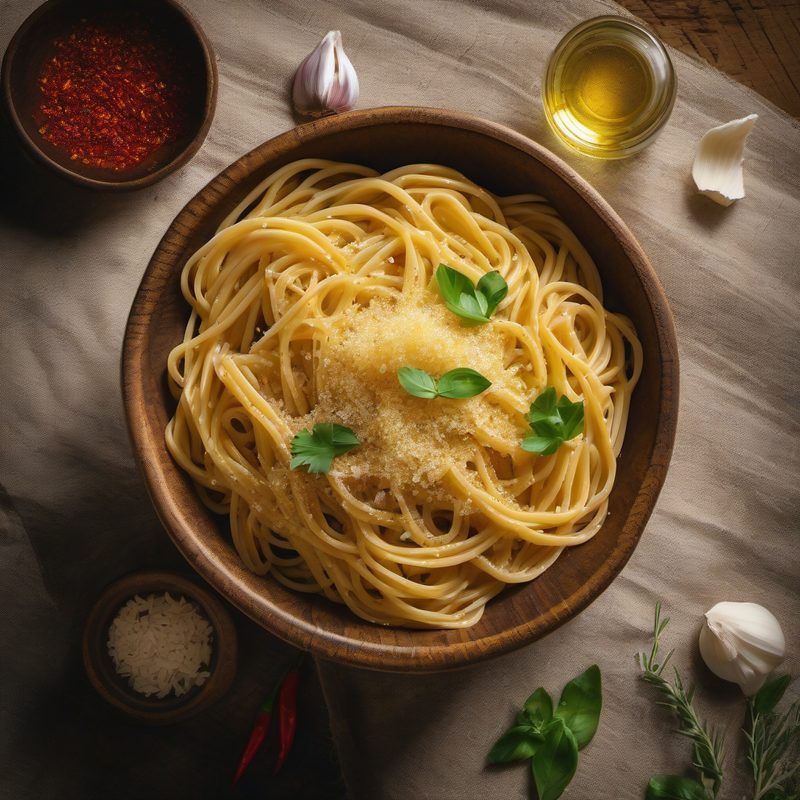
Photo reference: `vol1_44.png` — A rustic ceramic bowl of spaghetti tangled in a deep rust-red tomato sauce, scattered with golden, crunchy toasted breadcrumbs and glistening with a final drizzle of olive oil. Warm, moody lighting on a worn wooden table, evoking the humble origins of the dish. Steam rising from the bowl.
Recipe from "The Italian Kitchen" by Vita Milanese — Volume 1: Pasta Perfetto
Recipe from The Italian Kitchen by Vita Milanese — Volume 1 · Pasta Perfetto. Discover all volumes on the ebook page.