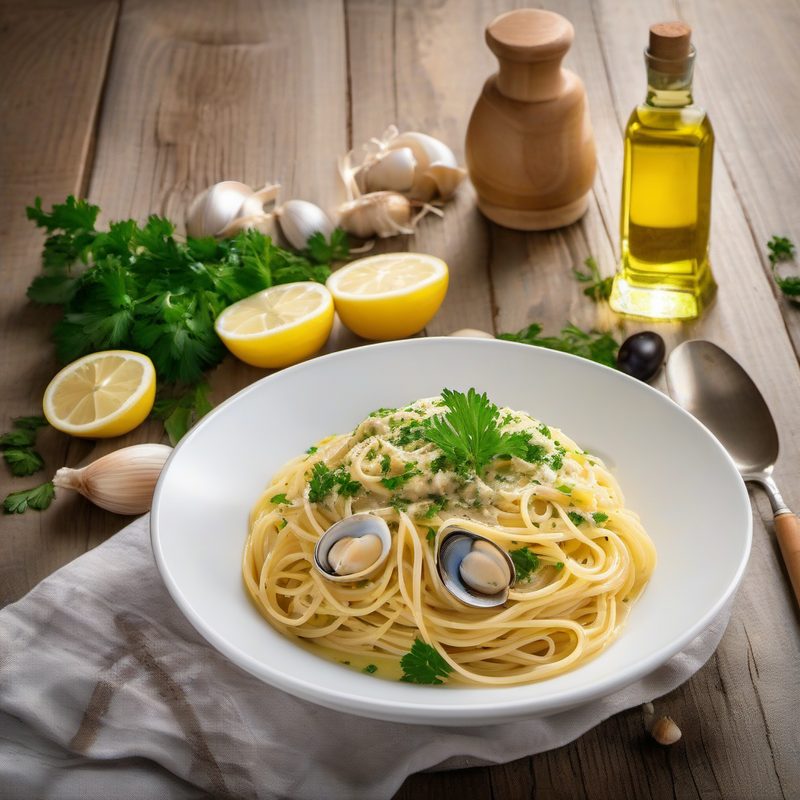
Malloreddus Campidanese
Hand-rolled semolina shells tossed with a saffron-infused sausage ragu — a rustic Sardinian Sunday supper that tastes like sunshine and hillsides.
| Amount | Ingredient |
|---|---|
| ½ cup | Grated Pecorino Romano, plus more for serving |
| 1 tbsp | Extra-virgin olive oil, for drizzling |
> Note: The malloreddus require hands-on shaping, but the process is meditative. If pressed for time, substitute with orecchiette or cavatelli from the store.
For the Saffron Sausage Ragu
For the Malloreddus (Fresh Semolina Pasta)
For Finishing
🥘 Equipment
- Large pot (6-qt) for pasta
- Large skillet or sauté pan (12-inch)
- Food processor (optional, for dough)
- Gnocchi board or wooden pastry board (or the tines of a fork)
- Bench scraper or chef's knife
- Rimmed baking sheet, lightly dusted with semolina
- Clean kitchen towel
📋 Preparation
Make the Ragu (start first so it simmers while you shape pasta)
Step 1: Sauté the aromatics
Heat 1 tablespoon olive oil in a large skillet over medium heat. Add the chopped onion and a pinch of salt. Cook, stirring occasionally, until softened and translucent — about 6-8 minutes.
Step 2: Brown the sausage
Add the sausage, breaking it into small pieces with a wooden spoon. Cook until deeply browned and no longer pink, about 6-8 minutes. The browning here is critical — it builds the flavor foundation for the entire dish.
Optional deglaze: If using wine, pour it in now and scrape up any browned bits from the pan bottom. Let it sizzle until nearly evaporated, about 1 minute.
Step 3: Simmer with saffron
Stir in the tomato passata. Crumble the saffron threads between your fingers directly into the sauce, then add ¼ cup hot water (swirl it in the passata jar to catch every drop). Stir, reduce heat to low, and let the sauce simmer gently, uncovered, while you make the pasta — about 30 minutes. Stir occasionally and adjust salt at the end.
Why start the sauce first? A slow simmer concentrates the tomato and infuses the saffron's floral notes into every bite. By the time the pasta is shaped, the ragu is ready.
Make the Malloreddus
Step 4: Make the dough
In a large bowl (or the bowl of a food processor), combine the semolina flour and salt. Add the warm water all at once and stir with a fork until a shaggy dough forms.
Turn the dough out onto a clean work surface and knead for 8-10 minutes until smooth, firm, and elastic — the dough should spring back when poked. If using a food processor, pulse 15-20 times until the dough forms a cohesive ball, then knead by hand for 3 minutes.
Semolina dough is stiffer than egg pasta — it should feel firm and slightly dry, not sticky.
Wrap the dough in plastic wrap and let it rest at room temperature for 20 minutes. This relaxes the gluten and makes shaping easier.
Step 5: Shape the malloreddus
Line a rimmed baking sheet with parchment and dust lightly with semolina flour.
Cut off a piece of dough about the size of a lemon. Keep the rest covered so it doesn't dry out. Roll the piece into a rope about ½ inch thick.
Using a bench scraper or knife, cut the rope into small pillows about ½ inch wide.
The shaping technique: Take one pillow and press it firmly against the ridged surface of a gnocchi board (or the tines of a fork held at an angle) with your thumb. Push outward and downward in a single motion, rolling the dough off the end so it curls slightly and forms a small ridged shell. The ridges are essential — they trap the sauce.
Place each finished malloreddus on the prepared baking sheet. Repeat with the remaining dough. You should have about 100-120 pieces.
Let them dry slightly: Leave the shaped malloreddus uncovered at room temperature while you bring the pasta water to a boil — 10-15 minutes of air-drying helps them hold their shape during cooking.
Cook and Assemble
Step 6: Cook the pasta
Bring a large pot of generously salted water (about 2 tablespoons salt per gallon) to a rolling boil. Add the malloreddus and cook until they float to the surface and are tender but firm to the bite, about 3-4 minutes for fresh (6-8 minutes if drying longer).
Fresh malloreddus cook much faster than dried pasta — watch carefully.
Step 7: Dress and serve
Reserve 1 cup of pasta cooking water. Drain the malloreddus and add them directly to the skillet with the warm ragu. Toss over medium heat for 30-60 seconds, adding pasta water a splash at a time if the sauce seems too thick. The sauce should cling to every ridged shell.
Remove from heat. Add ½ cup grated Pecorino Romano and toss once more. Taste and adjust salt.
Divide among warm bowls, drizzle with a thread of extra-virgin olive oil, and finish with a generous grating of Pecorino.
🧑🍳 Chef's Tips
- Semolina matters: Use semola di grano duro rimacinata (finely ground durum wheat semolina), not coarse semolina or cornmeal. It's available at Italian markets or online. The fine grind produces a smooth, tender pasta that holds the ridges perfectly.
- No gnocchi board? The tines of a common dinner fork work beautifully. Hold the fork at a 45° angle and press the dough across the tines — you'll get the same ridged effect.
- Saffron sparingly: Sardinian saffron is prized and potent. A single pinch is enough — too much makes the dish taste medicinal. Look for deep red threads with orange tips; avoid powdered saffron.
- Don't skip the resting time: The 20-minute rest makes the dough much easier to roll and shape. Skipping it leads to springy dough that fights you.
- Freeze for later: Shaped malloreddus freeze beautifully on the baking sheet. Once frozen solid, transfer to a zip-top bag. Cook from frozen, adding 1-2 minutes to the cooking time.
❌ Common Mistakes
| Mistake | Why | Fix |
|---|---|---|
| Dough too dry/crumbly | Semolina absorbs water differently than all-purpose flour | Add water 1 tablespoon at a time until the dough comes together |
| Overcooking the malloreddus | Fresh semolina pasta cooks fast — it goes from tender to mushy in seconds | Start checking at 2 minutes; drain the moment they float |
| Skipping the pasta water | The starch is essential for a silky, clinging sauce | Always reserve at least 1 cup before draining |
| Sausage not browned enough | Pale sausage = flat, one-note ragu | Cook until deeply caramelized — that's where the flavor lives |
| Adding saffron too early | Long heat destroys its delicate floral aroma | Add with the tomato, not during the initial sauté |
💡 Variations
- Vegetarian version: Omit the sausage and add 1 cup of diced eggplant (salted and squeezed dry) and ½ cup toasted pine nuts. Simmer the tomato-saffron sauce with a Parmesan rind for depth.
- Spicy kick: Use spicy Italian sausage, or add ½ teaspoon red pepper flakes with the onion.
- Zafferano e Ricotta: Swap the sausage for ½ cup fresh ricotta dolloped into the sauce at the end — a creamier, milder Sardinian variation.
- Baked malloreddus: Transfer the dressed pasta to a baking dish, top with extra Pecorino and breadcrumbs, and bake at 400°F for 10 minutes until golden and bubbly.
❄️ Storage
Leftover malloreddus can be refrigerated in an airtight container for up to 2 days. Reheat gently in a skillet with a splash of water or broth, stirring frequently. The pasta will absorb some sauce overnight, so the next-day version is even more flavorful but a bit drier — add a little extra water or olive oil when reheating.
🍷 Wine Pairing
| Wine | Why |
|---|---|
| Cannonau di Sardegna | Sardinia's signature red — robust, earthy, with dark fruit notes that stand up to the sausage and saffron |
| Vermentino di Sardegna | Aromatic white with herbal minerality — a classic Sardinian pairing that cuts through the richness |
| Carignano del Sulcis | Medium-bodied, spicy, with dark berry flavors — the peppery finish matches the sausage beautifully |
🍺 Beer Pairing
| Beer | Why |
|---|---|
| Sardinian Ichnusa Birra | Light, crisp lager — the local go-to. Its clean finish refreshes between rich, saffron-laced bites |
| Italian Amber Ale | Toasty malt notes complement the browned sausage and Pecorino |
| Belgian Saison | Spicy, fruity notes echo the saffron without competing |
🥗 Suggested Sides
- Fregola salad with cherry tomatoes, basil, and fresh mozzarella — another Sardinian pasta grain
- Roasted fennel with lemon and olives
- Grilled swordfish skewers (spiedini di pesce spada) — classic Sardinian surf and turf
- Pane carasau (Sardinian flatbread) to sop up the last of the ragu
📊 Nutrition (per serving)
| Calories | Protein | Fat | Carbs | Fiber |
|---|---|---|---|---|
| 520 | 22 g | 18 g | 66 g | 4 g |
❓ FAQ
Can I use all-purpose flour instead of semolina?
No — the distinctive texture of malloreddus comes from fine semolina. All-purpose flour produces a softer, flabbier pasta that won't hold its ridges. If you must substitute, use 50% semolina + 50% all-purpose for a compromise.
Is this the same as gnocchetti sardi?
Yes — malloreddus are also called gnocchetti sardi or gnocchetti alla campidanese. The names vary by village, but the ridged shell shape is the same.
Where does "Campidanese" come from?
Campidano is the fertile plain in southern Sardinia surrounding Cagliari. The dish is the flagship pasta of that region — hearty, rustic, and designed to feed a family after long days in the fields.
My malloreddus fell apart in the water. What went wrong?
Two likely causes: (1) the dough was too wet — add more semolina by the tablespoon next time; (2) the dough didn't rest long enough — the 20-minute rest is essential for gluten development that holds the shape.
Can I dry the malloreddus for later use?
Yes — let them dry on the baking sheet for 24 hours at room temperature, turning once. Store in an airtight container for up to 1 month. Increase cooking time to 8-10 minutes for dried pasta.
🔗 Related Recipes
- Orecchiette with Broccoli Rabe & Sausage
- Pasta alla Norma
- Fregola with Clams and Saffron — Sardinian Seafood Stew
- Pasta with Sausage Ragu & Ricotta
🏷️ Search Tags
Recipe from The Italian Kitchen by Vita Milanese — Volume 1 · Pasta Perfetto. Discover all volumes on the ebook page.